




Everest Base Camp Trekking
 (79 reviews in Google)
Overview
Are you ready to stand at the foot of the world’s highest mountain? The Everest Base Camp Trek is one of the most iconic Himalayan adventures in Nepal, taking you through the breathtaking Khumbu region along the classic trekking route to Everest Base Camp.
Trek through landscapes filled with snow-capped peaks, roaring rivers, and lush forests. Along the way, you will walk across suspension bridges, pass through traditional Sherpa villages, and experience one of the most remarkable trekking journeys in the world.
This 15-day trek takes you through charming villages such as Lukla, Namche Bazaar, Tengboche, and Dingboche, each offering a unique glimpse into Sherpa culture and Himalayan lifestyle. You will also explore Sagarmatha National Park, a UNESCO World Heritage Site known for its natural beauty and biodiversity.
The highlight of the journey is reaching Everest Base Camp (5,364 m) and hiking up to Kala Patthar (5,545 m) for a stunning sunrise view over Mount Everest and surrounding peaks. The golden light on the Himalayas creates an unforgettable experience that stays with you forever.
For those short on time, an optional helicopter return from Everest Base Camp offers a breathtaking aerial view of Everest, Lhotse, and the Khumbu region.
Whether you are a first-time trekker or an experienced adventurer, this Everest Base Camp Trek offers the perfect combination of adventure, culture, and scenic beauty.
If you are looking for a shorter alternative, you may also consider the 14-day Everest Base Camp Trek.
Highlights of Everest Base Camp Trekking
- Explore Kathmandu’s cultural highlights before starting the trek
- Fly to Lukla Airport, one of the most exciting mountain airports in the world
- Pass through Sagarmatha National Park, a protected UNESCO World Heritage Site filled with natural beauty and wildlife.
- Experience Namche Bazaar, the vibrant center of Sherpa culture
- Visit Tengboche Monastery with panoramic Himalayan views
- Reach Everest Base Camp (5,364 m), the ultimate trekking destination
- Hike to Kala Patthar for a spectacular sunrise over Everest, Lhotse, Ama Dablam, and Nuptse
- Walk alongside the Khumbu Glacier and witness the famous Everest Icefall
- Immerse yourself in authentic Sherpa traditions and mountain lifestyle
- Stay in cozy teahouses and enjoy warm hospitality with local meals after trekking days
Arrive Kathmandu (1,400 m/4,593 ft) and transfer to Hotel
You will arrive at Nepal in Tribhuvan International, which is located in Kathmandu. The representatives of Nepal Hiking Adventures will meet you just outside the airport terminal. They will hold a display sign that reads “ Nepal Hiking Adventure”. This will help you find them easily. You will transfer to your hotel with them. You can either relax in your hotel or you can go for exploration of places like Thamel.
 Accomodation: Hotel
 Duration: 30 min drive to Hotel
 Distance: Around 6 km
Kathmandu Sightseeing (1,400 m/4,593 ft)
Today, you will explore the cultural heritage of Kathmandu with visits to Pashupatinath Temple, Boudhanath Stupa, and other sacred sites. This day allows you to acclimatise to the region while experiencing authentic Nepalese culture and architecture. Afternoon leisure time gives you space to rest, shop for last-minute supplies, or simply relax before departing for the mountains.
Accomodation: Hotel
Duration: Full Day
 Meal: Breakfast
Flight from Kathmandu to Lukla (2,840 m/9,317 ft), Trek to Phakding (2,610 m/8,563 ft)
Take an early morning flight from Kathmandu to Lukla (about 45 minutes), one of the most scenic mountain flights in Nepal. After landing, begin your Everest Base Camp trek by descending towards Phakding, a small village along the Dudh Koshi River. This Himalayan trek helps your body adjust to altitude while introducing you to local teahouse culture and stunning landscapes of the Everest region.
Accomodation: Hotel
Duration: 3 to 4 hours. 45-minute flight
Meal: Breakfast, Lunch, Dinner
 Descent: 280 m
Distance: About 8 km
Descent: 280 m
Distance: About 8 km
Trek from Phakding to Namche Bazaar (3,440 m/11,286 ft)
Today’s trek takes you from Phakding (2,610 m) to Namche Bazaar (3,440 m). You start with a gentle climb to Monjo (2,835 m), entering Sagarmatha National Park, a UNESCO World Heritage Site. After 1.5–2 hours, continue descending slightly to Jorsale (2,740 m), crossing the Dudh Koshi River on a suspension bridge and enjoying views of Ama Dablam and Thamserku.
The final 2–2.5 hours is a steep climb to Namche Bazaar, the Sherpa capital of the Khumbu region. Along the way, enjoy panoramic Himalayan views and experience local culture. Today’s trek covers 10 km, with an ascent of 840 m and a descent of 20 m, making it a perfect day for both adventure and acclimatization.
Accomodation: Lodge
Duration: 5 to 6 hours trek
Meal: Breakfast, Lunch, Dinner
 Ascent: 840 m
Descent: 20 m
Distance: Around 10 km
Ascent: 840 m
Descent: 20 m
Distance: Around 10 km
Namche Bazaar Acclimatisation (3,440 m/11,286 ft)
Today is an important acclimatisation day in Namche Bazaar to help your body adjust to the higher altitude. You will take a short trek from Namche Bazaar to the famous Everest View Hotel (approximately 6 km round trip), which sits at 3,880 meters. Along the way, you will ascend about 440 meters and then descend the same on your return.
The hike is moderate and takes around 2–3 hours, giving you plenty of time to enjoy the stunning panoramic views of Mount Everest, Lhotse, Nuptse, and Ama Dablam. You will also explore the vibrant Sherpa market, experience local life, and visit small tea houses along the trail. Spending the day at
Namche Bazaar allows you to acclimatise, reducing the risk of altitude sickness while preparing for the challenging trek ahead to Tengboche, and you will stay overnight in a cozy lodge in Namche Bazaar.
Accomodation: Lodge
Duration: 2 to 3 hours hike
Meal: Breakfast, Lunch, Dinner
Ascent: 440 m
Descent: 440 m
Distance: Around 6 km (round trip)
Trek from Namche Bazaar to Tengboche (3,860 m/12,664 ft)
After a good acclimatization day in Namche Bazaar, you start your trek towards Tengboche, a small village famous for its ancient monastery and stunning Himalayan views. The trail begins by descending gently from Namche Bazaar along the Dudh Koshi River, passing through small villages and terraced fields. You will cross suspension bridges and follow the trail through dense rhododendron and pine forests.
The trek is approximately 9 km and takes 5–6 hours. Along the way, you gradually ascend about 420 meters and descend slightly around 10 meters. The highlight of the day is reaching Tengboche Monastery, the largest monastery in the Khumbu region, where you can enjoy panoramic views of Ama Dablam, Everest, Lhotse, and Nuptse. This is also a great spot to experience Sherpa culture, prayer rituals, and local hospitality.
Overnight stay is in a lodge.
Accomodation: Lodge
Duration: 5 to 6 hours trek
Meal: Breakfast, Lunch, Dinner
Ascent: 420 m
Descent: 10 m
Distance: About 9 km
Trek from Tengboche to Dingboche (4,350 m/14,271 ft)
Today, your trek takes you from Tengboche to Dingboche, crossing beautiful landscapes of the Khumbu region. You will start by descending slightly from Tengboche, enjoying panoramic views of Ama Dablam and other towering peaks. The trail then climbs gradually through rhododendron forests and scattered villages, offering glimpses of local Sherpa life and prayer flags fluttering in the wind.
Along the way, you will pass through Pangboche, home to one of the oldest monasteries in the region. After trekking for about 5 to 6 hours, with an ascent of approximately 490 meters and a short descent of 30 meters, you will reach Dingboche at 4,350 meters. This village provides excellent rest and acclimatization before the higher-altitude sections of the Everest Base Camp trek.
Accomodation: Lodge
Duration: 5 to 6 hours trek
Meal: Breakfast, Lunch, Dinner
Ascent: 490 m
Descent: 30 m
Distance: Around 11 km
Dingboche Acclimatisation (4,350 m/14,271 ft)
Today is a rest and acclimatization day in Dingboche. This will allow your body to adjust to the high altitude. You can take short hikes around the village to nearby viewpoints, which usually involve an ascent of 200–300 meters and a similar descent when returning. One popular hike is to Nagarjun Hill, offering stunning panoramic views of Ama Dablam, Lhotse, and other Himalayan peaks. You can also explore the charming village, interact with Sherpa families, and observe their traditional lifestyle. Staying active with these short hikes helps prevent altitude sickness while preparing you for the higher sections of the Everest Base Camp trek.
Accomodation: Lodge
Duration: 2 to 3 hours optional hike
Meal: Breakfast, Lunch, Dinner
Ascent: 250 m
Descent: 250 m
Distance: Around 3 km optional hikes
Trek from Dingboche to Lobuche (4,910 m/16,109 ft)
Today, you trek from Dingboche to Lobuche, gaining altitude as you move deeper into the high Himalayas. The trail starts with a gentle climb through the village, past mani walls and prayer flags, gradually ascending through rocky terrain and moraine fields. You will pass by memorials dedicated to climbers who lost their lives on Everest, a somber yet inspiring sight that reflects the challenges of the mountains. The trek is about 5–6 hours, covering roughly 8 km, with an ascent of 560 meters. Lobuche is a small settlement surrounded by rugged mountains and glaciers, providing breathtaking views of peaks like Nuptse and Pumori. Staying overnight here helps your body adjust to the higher altitude before moving toward Everest Base Camp.
Accomodation: Lodge
Duration: 5 to 6 hours trek
Meal: Breakfast, Lunch, Dinner
Ascent: 560 m
Distance: Around 8 km
Trek from Lobuche to Gorak Shep (5,180 m/16,995 ft) and then to Everest Base Camp (5,365 m/17,598 ft)
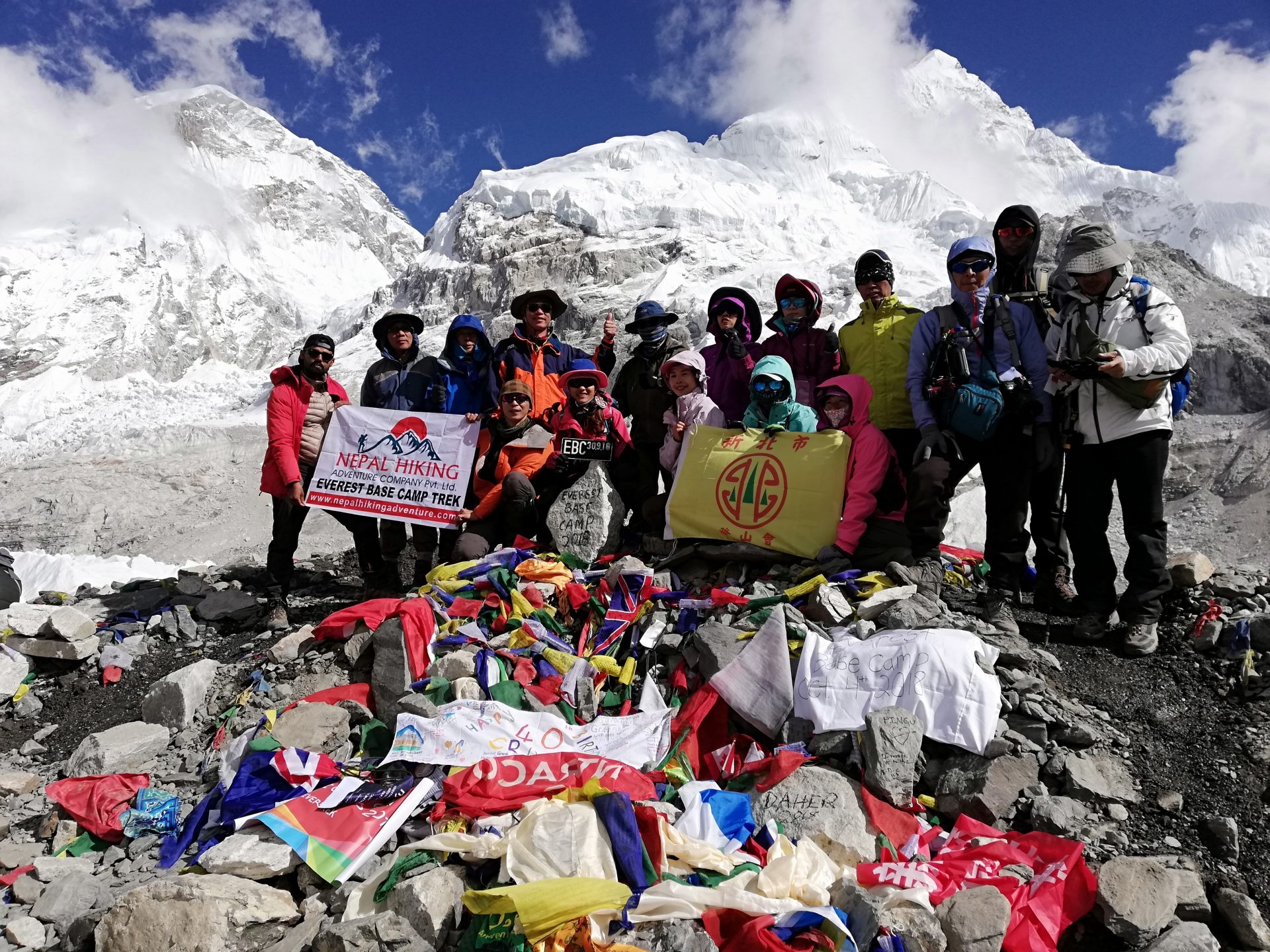
Today is one of the most exciting days of the trek as you make your way from Lobuche to Gorak Shep and then on to Everest Base Camp. The trek begins with a steady ascent from Lobuche (4,910 m) to Gorak Shep (5,180 m), taking around 2–3 hours. Along the way, you will trek through moraine-covered trails with panoramic views of Khumbu Glacier, Nuptse, and Pumori. Gorak Shep serves as your base for the final push to Everest Base Camp. After a short rest and lunch, you continue trekking for about 2 hours to reach Everest Base Camp at 5,364 meters. Here, you can witness the breathtaking Khumbu Icefall and the surrounding towering peaks, making it a truly unforgettable experience. After spending time at EBC, you return to Gorak Shep for your overnight stay. This day involves a total ascent of approximately 705 meters and a short descent of 185 meters, covering roughly 12 km round trip.
Accomodation: Lodge
Duration: 7 to 8 hours (round trip to Everest Base Camp)
Meal: Breakfast, Lunch, Dinner
Ascent: 520 m (to Gorak Shep) + 185 m (to Everest Base Camp)
Descent: 185 m (return from EBC to Gorak Shep)
Distance: 12 km (round trip to EBC)
Trek from Everest Base Camp to Kala Patthar (5,545 m/18,192 ft), then Descend to Pheriche (4,240 m/13,910 ft)
Today’s trek begins very early in the morning with a hike to Kala Patthar, the highest viewpoint on the trek at 5,545 meters. The trail is steep but rewarding, offering the best sunrise views of Mount Everest, Nuptse, Pumori, Lhotse, and Ama Dablam. After enjoying panoramic photographs and the incredible scenery, you descend back to Gorak Shep to collect your belongings and continue the descent to Pheriche (4,240 m) for an overnight stay. This descent gives your body a good break after the high-altitude exposure at Kala Patthar and EBC. Along the way, you’ll pass through rocky trails, glacial moraines, and small settlements, experiencing the rugged beauty of the Khumbu region. Today’s trek includes a short ascent of 185 meters and a long descent of 1,305 meters, covering approximately 13 km.
Accomodation: Lodge
Duration: 7 to 8 hours trek
Meal: Breakfast, Lunch, Dinner
Ascent: 185 m (from Gorak Shep to Kala Patthar)
Descent: 1,305 m (from Kala Patthar to Pheriche)
Distance: Around 13 km
Trek from Pheriche to Namche Bazaar (3,440 m/11,286 ft)
On Day 12, you begin your return journey from Pheriche to Namche Bazaar, retracing the beautiful trails through the Khumbu region. The trek today involves a combination of gentle ascents and longer descents as you pass through Lobuche and Dingboche. You’ll cross suspension bridges, traverse rhododendron forests, and enjoy panoramic views of the surrounding peaks, including Ama Dablam, Lhotse, and Nuptse, one last time from the high valleys. This day covers approximately 16 km, with a total ascent of around 200 meters and a descent of 1,010 meters. After 6–7 hours of trekking, you reach Namche Bazaar, the vibrant capital of the Khumbu region, where you can relax in a lodge and reflect on your journey. This day also helps your body recover from the high-altitude trekking while enjoying the local Sherpa culture and bustling market town atmosphere.
Accomodation: Lodge
Duration: 6 hours trek
Meal: Breakfast, Lunch, Dinner
Ascent: 200 m
Descent: 1,010 m
Distance: Around 16 km
Trek from Namche Bazaar to Lukla (2,840 m/9,317 ft)
On Day 13, you begin the descent from Namche Bazaar back to Lukla, marking the final trekking day of your Everest Base Camp adventure. The trail gradually descends through rhododendron forests, small villages, and scenic river valleys, passing through Phakding before reaching Lukla. The trek is approximately 21 km long, with minor uphill sections totaling 100 meters and a total descent of around 1,300 meters. Along the way, you will enjoy your last views of the majestic Khumbu peaks and cross several suspension bridges, soaking in the serene natural beauty of the Everest region. Arriving in Lukla, you can relax at a lodge and celebrate the completion of your remarkable journey to the world’s highest mountain region. This day is a gentle, rewarding end to your trek, giving you time to reflect on the incredible experiences and Sherpa culture you encountered.
Accomodation: Lodge
Duration: 6 hours trek
Meal: Breakfast, Lunch, Dinner
Ascent: 100 m
Descent: 1,300 m
Distance: Around 21 km
Flight from Lukla to Kathmandu (1,400 m/4,593 ft)
On Day 14, you take a scenic morning flight from Lukla back to Kathmandu, offering breathtaking aerial views of the Himalayan peaks, glaciers, and the Khumbu region. This 35–45 minute flight is not just a journey but also a chance to capture stunning photos of the Everest region from above. Once you land in Kathmandu at 1,400 meters, you are transferred to your hotel for check-in and rest. This day allows you to relax after your trek, enjoy the comfort of Kathmandu, and reflect on the memorable Everest Base Camp experience. Meals are typically included at your hotel, and the rest of the day is free for shopping, sightseeing, or exploring Kathmandu’s cultural heritage.
Accomodation: Lodge
Duration: 35 to 45 minutes flight
Meal: Breakfast
Distance: Around 135 km flight distance
Final Departure (1,400 m/4,593 ft)
On Day 15, your Everest Base Camp adventure concludes. After breakfast at your hotel in Kathmandu, you will be transferred to Tribhuvan International Airport for your onward flight. This is the day to bid farewell to Nepal, taking with you unforgettable memories of the Himalayan peaks, Sherpa culture, and the epic trekking journey. Travelers can also use this time to purchase last-minute souvenirs or take a short walk around Kathmandu if their flight schedule allows. This final day marks the end of your 15 Days EBC trek, leaving you with stories and photos to cherish for a lifetime.

Cost Includes
- Arrival & Departure Transport By private Car/Van/Bus.
- Three meals a day during the Trekking (B, L,D)
- Accommodation in Tea House during the Trekking.
- Three night Accommodation in Kathmandu with B/B Plan.
- Trekking Guide and a proter (Sharing by two clients) with Insurance, food, accommodations and all their needs
- Flight ticket for guide Kathmandu/Lukla/Kathmandu
- Flight ticket for Clients Kathmandu/Lukla/Kathmandu
- Sightseeing in Kathmandu valley with Private Vehicle and tour guide
- First Aid kit.
- Trekking permit (Conservation fee).
- Tims card (Trekking information management system) as like a permit.
- Free use Company’s duffel bag.
- City and Trekking Map.
- All needed official fee and taxes.
Cost Excludes
- International Airfare.
- Your travel insurance.
- Sightseeing entrance fees (25 USD)
- Nepal Visa fee (US$ 40 for 30 days and US$ 25 for 15 days you should get visa open your arrival)
- Any kind of drinks, items of personal expenses like hot shower, battery charge, telephone, Extra Porters etc.
- Tips for Guide and Porters

Temperature Chart
Altitude Chart

Useful Info
Everest Base Camp Trek Package Cost & Group Discounts
Our EBC Trek packages are designed to suit solo travellers, couples, and groups of all sizes, offering an unforgettable Himalayan adventure. The Everest Base Camp Trek, a 15-day adventure through the Himalayas, costs $1,530 per person. For groups, we provide tiered pricing for a more affordable experience. Solo travellers pay $1,530 per person for 1–2 people, groups of 3–5 pay $1,500 per person, and parties of 6–10 enjoy $1,455 per person. Large groups of 11 or more receive the lowest rate of $1,400 per person, making it easier to explore the Everest region with friends or family.
The standard itinerary spans approximately 15 days, with options to customize your trek for private guides, extended stays, or special arrangements. Discounts for eligible groups are applied automatically during booking, and our team is happy to confirm your group rate or any additional requests.
Optional Extras
Enhance your Everest Base Camp journey with optional services for added comfort, convenience, or time savings:
- Everest Base Camp with helicopter return – Fly back to Lukla or Kathmandu, saving a day of trekking.
- Hotel Upgrades – Upgrade to deluxe lodges in Kathmandu, Namche (Hotel Everest View), or Lukla for extra comfort before or after your trek.
- Private Guide / Porter – Hire additional support for a fully personalised trekking experience.
Optional extras can be added at the time of booking. Prices vary depending on availability and season, and these services are additional to the base package cost.
Note: Costs may vary by season, group size, and accommodation preferences. Spring and autumn, the peak trekking seasons, typically cost more than shoulder seasons. Contact our team to confirm current pricing and customised package options for your specific travel dates.
Trek Difficulty and Preparation
The 15-day trek to Everest Base Camp is rated moderate to strenuous, requiring reasonable fitness but not mountaineering experience. Most trekkers aged 16 to 70 successfully complete the trek with proper training and acclimatisation.
Daily walking hours range from five to seven hours, demanding cardiovascular endurance and mental resilience, especially at higher elevations where altitude increases physical strain. Proper preparation is essential before starting the trek. Many consider the base camp trek strenuous, but with the right training, it is achievable for most fit individuals.
Trail Challenges and Daily Endurance
- Continuous uphill climbs through forests and rocky alpine zones demand sustained effort over consecutive days.
- Altitude increases progressively, with rapid gains between Days 3 and 11.
- Cold nighttime temperatures require proper layering and mental toughness to stay warm.
- High-altitude terrain offers little shade, exposing trekkers to intense UV radiation even on cloudy days.
Fitness Requirements and Training Tips
| Training Focus | Duration | Frequency |
|---|---|---|
| Cardiovascular endurance | 30–45 minutes | 4–5 days weekly |
| Stair climbing / hill hiking | 45–60 minutes | 2–3 days weekly |
| Lower body strength training | 30 minutes | 2 days weekly |
| Long weekend hikes | 3–4 hours | Once weekly |
Start training 8–12 weeks before departure, gradually increasing intensity. Hill or stair training mimics trek demands and improves leg strength, which also protects your knees during descents.
With proper preparation, you can complete the trek at your own pace comfortably. Understanding the trek’s duration also helps you plan your training efficiently.
Who should do the EBC Trek
The Everest region trek suits adventure seekers with basic fitness, cultural curiosity, and mental determination. Previous trekking experience helps but is not essential. Families with teenagers, corporate groups, and solo travellers regularly succeed. Age is less important than fitness and preparation, making the trek achievable for most reasonably fit individuals.
Safety and Altitude Advice
Altitude sickness is the main health risk during trek, occurring when your body struggles to adjust to lower oxygen levels at high altitude. Understanding its prevention, symptoms, and treatment will help you stay safe and enjoy your journey.
Altitude Sickness Prevention Tips
- Ascend gradually with acclimatisation days in Namche Bazaar and Dingboche
- Drink 3–4 litres of water daily to stay hydrated
- Avoid alcohol and sleeping pills at high altitude
- Eat high-carbohydrate meals for better energy and oxygen efficiency
- Follow the rule: “Climb high, sleep low”
- Take Diamox if recommended by your doctor
Symptoms and Emergency Procedures
Early symptoms:
- Headache
- Nausea
- Fatigue
- Difficulty sleeping
Severe symptoms:
- Confusion
- Loss of coordination
- Breathing difficulty
What to do:
- Inform your guide immediately
- Descend 300–500 metres if symptoms persist
- Use portable oxygen if available
- Seek emergency evacuation if symptoms worsen
Your guide will monitor your condition throughout the trek and carry oxygen for emergencies. Helicopter evacuation is available through insurance if needed.
Accommodation and Food during the Trek
Accommodation during the Everest Base Camp trek is mainly in traditional teahouses, offering a simple yet authentic Himalayan experience. These family-run lodges provide basic comfort while allowing trekkers to connect with local Sherpa culture and lifestyle.
Teahouse Standards and Facilities
| Facility | Standard | Notes |
|---|---|---|
| Bedding | Basic mattress, blankets | Sleeping bag recommended for warmth |
| Heating | Wood stove in dining area | Rooms are unheated |
| Bathroom | Shared facilities or private | Mix of squat and Western toilets |
| Water | Tap water (untreated) | Use bottled or purified water only |
| Electricity | Limited charging available | Small fee per device |
| Wi-Fi | Available in major villages | Slow and unreliable at higher altitude |
| Food | Communal dining area | Fixed meal times |
Teahouse rooms usually include twin beds, with shared or occasionally private bathrooms. As you ascend higher, facilities become more basic due to limited supply access. However, the warm hospitality and cozy atmosphere make the experience memorable.
One of the highlights is the communal dining space, where trekkers from around the world gather, share stories, and build friendships.
Food Choices and Water Safety
Meals on the trek are simple, nutritious, and designed to provide energy for long trekking days:
- Breakfast: Porridge, eggs, toast, pancakes
- Lunch: Dal bhat, noodles, soups, vegetable curries
- Dinner: Similar to lunch with additional options at lower altitudes
For safety:
- Always drink boiled, filtered, or bottled water
- Avoid untreated tap water
- Prefer hot drinks like tea or coffee (safe due to boiling)
- Avoid raw salads and unpeeled fruits above 3,000 m
Showers, Charging, and Connectivity
Hot showers are available in most teahouses for an extra cost, though water temperature may vary depending on solar or firewood heating.
Charging electronic devices is also available for a small fee, especially in villages like Namche Bazaar.
Mobile network coverage is present in lower regions but becomes weak or unavailable at higher altitudes. Wi-Fi is available in some teahouses, but it is usually slow and unreliable.
Tip: Buy a local SIM card like Ncell or Smart Cell in Kathmandu before your trek for better connectivity in lower regions.
Best Time to Trek to Everest Base Camp
The Everest Base Camp trekking experience is possible throughout the year, but each season offers a different experience. Among all seasons, spring (March to May) and autumn (September to November) are considered the best times due to stable weather, clear skies, and comfortable temperatures.
These peak trekking seasons in Nepal attract the highest number of trekkers, resulting in busier trails and slightly higher costs. However, choosing the right time depends on your preference for weather, views, and crowd levels.
Spring vs. Autumn – Which is Better?
| Factor | Spring | Autumn |
|---|---|---|
| Weather Stability | Excellent | Excellent |
| Visibility | Good (some haze) | Excellent (clear skies) |
| Temperature | Mild and warming | Cool and stable |
| Crowds | Moderate | High |
| Cost | Moderate | Higher |
| Flights | Reliable | Reliable |
| Highlights | Rhododendron blooms | Crystal-clear mountain views |
Spring transforms the trail with blooming rhododendron forests in shades of red, pink, and purple. Visibility improves as the season progresses, with May offering some of the clearest views before the monsoon begins. Temperatures range from 15–20°C at lower altitudes to around -10°C to -5°C at Kala Patthar.
Autumn is known for its exceptionally clear skies and stable weather, making it the most popular season. October is the busiest month, while September offers fewer crowds with decent conditions. Temperatures range from 10–15°C at lower elevations to -15°C to -10°C at higher altitudes. Evenings can be cold, especially in late November.
Temperature by Month and Altitude
| Month | Lukla | Namche | Gorak Shep | Everest Base Camp |
|---|---|---|---|---|
| January | 0°C | -5°C | -18°C | -20°C |
| March | 8°C | 2°C | -10°C | -12°C |
| May | 15°C | 8°C | -5°C | -7°C |
| July | 16°C | 9°C | -1°C | -5°C |
| September | 12°C | 5°C | -8°C | -10°C |
| November | 5°C | -2°C | -15°C | -17°C |
Flights to Lukla Airport
The flight from Kathmandu to Lukla Airport is the main gateway to the Everest region. This short 30–45 minute flight offers incredible Himalayan views, but it is highly dependent on weather conditions.
Delays and cancellations are common, especially during the monsoon season (June to August). It is recommended to book flights at least 2–3 weeks in advance during peak seasons.
Kathmandu vs. Ramechhap Flights
Most trekkers prefer flying from Kathmandu. However, during peak trekking seasons, flights are often redirected to Ramechhap Airport, which is about a 4-hour drive from Kathmandu.
During this time:
- All Lukla flights operate from Ramechhap
- Early morning departures are mandatory
- No alternative airport options are available
Planning your transfer in advance is essential to avoid last-minute issues.
Baggage Limits and Flight Tips
- Maximum baggage allowance: 15 kg per person
- Excess baggage: extra charge per kg
- Carry only essential items for the trek
- Leave extra luggage in Kathmandu hotels
Weather conditions in Lukla can change quickly, causing frequent delays. If flights are cancelled:
- You can wait for the next available flight
- Or drive to Salleri and continue trekking
Travel insurance that covers flight delays and cancellations is highly recommended.
Tip: Always arrive at the airport at least 1 hour before departure, as flights usually operate early in the morning.
Trekking Permits & Visa Requirements
Trekking in Nepal requires a few essential permits and visa documents. Having these ready before your trip ensures a smooth and hassle-free start to your journey.
Required Permits
| Document | Validity | Obtained From |
|---|---|---|
| Sagarmatha National Park Permit | Trek duration | Entry gate or trekking company |
| TIMS Card | Trek duration | Trekking company |
| Khumbu Permit | Per entry | Lukla counter |
These permits help protect the environment and support local communities in the Everest region. These are included in our 15-day trek package, so you don’t need to worry about organizing them separately.
Nepal Visa and Passport Rules
- Your passport must be valid for at least 6 months
- You can get a visa on arrival in Kathmandu
- Processing takes around 15–30 minutes
- Carry cash (USD or NPR) and a passport photo
- You can extend your visa if needed
Having your documents ready allows you to begin your trek without delays.
Packing List
Packing the right gear makes a huge difference in your comfort and safety. Focus on quality, warmth, and layering, rather than expensive brands.
Clothing and Footwear
- Base layers (avoid cotton)
- Down jacket or fleece for warmth
- Waterproof jacket and pants
- Thermal wear for nights
- Wool socks (6–8 pairs)
- Well-broken-in trekking boots
- Camp shoes for evenings
- Gloves, hat, and sunglasses
Gear and Accessories
- Sleeping bag (-10°C recommended)
- Trekking poles
- Daypack (20–25L)
- Headlamp with extra batteries
- Water bottles (2–3L capacity)
- Rain cover
Personal Items and First Aid
- Toiletries and sunscreen (SPF 50+)
- Basic medicines and altitude medication
- Blister kit and bandages
- Wet wipes and hygiene products
- Prescription medicines
Insurance, Money, and Practical Tips
Travel insurance is essential for high-altitude trekking. It should cover medical emergencies, helicopter evacuation, and trip cancellation. Always confirm your policy covers high altitudes.
Cash, ATMs, and Connectivity
- Carry enough cash from Kathmandu
- ATMs are limited beyond Namche
- Small bills are useful during the trek
- Mobile signal is available in lower areas but weak at higher altitudes
Tip: Download offline maps before your trek.
Responsible Trekking
The Everest region is both fragile and culturally rich. Responsible trekking helps preserve it for future generations.
Cultural Respect and Environment
- Respect monasteries, prayer flags, and local customs
- Ask before taking photos
- Avoid plastic waste
- Use designated toilets
- Dress modestly in villages
Supporting Local Communities
- Stay in local teahouses
- Hire local guides and porters
- Buy local products
- Avoid giving money directly to children
Small actions make a big difference in preserving the region.
Why Choose Nepal Hiking Adventure?
Choosing the right company can make your journey safer and more enjoyable. Nepal Hiking Adventure brings years of experience and a strong focus on safety, comfort, and local expertise.
What Makes Us Different
- Experienced and licensed local guides
- Strong safety protocols with oxygen and first aid
- Well-planned acclimatization schedule
- Carefully selected teahouse accommodations
- Transparent pricing with no hidden costs
- Flexible itinerary options
Our goal is to make your journey smooth, safe, and unforgettable.
Final Thoughts
This journey is more than just a trek—it’s a life-changing experience. From lush forests to high-altitude glaciers, every step brings you closer to the world’s highest mountain, Mount Everest.
With proper planning, the right support, and a spirit of adventure, this trek becomes one of the most rewarding experiences you’ll ever have.
Booking Your Trek
It is best to book your trek 3–6 months in advance, especially during spring and autumn.
To confirm your booking:
- Send your passport details
- Pay a deposit (20%)
- Complete payment before departure
Secure your spot today and begin your Everest adventure with confidence. Book Your Everest Base Camp Trek Now.

Video

FAQ
How challenging is the Everest Base Camp Trek for beginners?
The Everest Base Camp Trek is rated moderate to strenuous but is accessible to most beginners with reasonable fitness and proper training 8–12 weeks before departure. Daily walking ranges from 5–7 hours, requiring cardiovascular endurance, but guided support and gradual acclimatisation allow trekkers aged 16–70 to complete the journey successfully. With proper preparation, beginners can enjoy the trek without difficulty.
What is the cost of the Everest Base Camp Trek in 2026?
The Everest Base Camp Trek cost in 2026 for the 15-day trek starts around $1,530 USD per person. This package covers all essentials for a smooth and safe journey, including accommodations, meals, permits, guide and porter services, flights to Lukla, Kathmandu sightseeing, first aid, maps, and all official taxes and fees. Prices may vary for treks of different durations or customized itineraries, depending on the number of days, services included, and the season of travel. Group discounts are available for three or more travelers.
How many days does it take to reach Everest Base Camp?
The classic Everest Base Camp Trek usually takes 12 to 15 days, depending on your itinerary and acclimatization needs. The 15-day trek is the most popular, allowing proper acclimatization, safer trekking, and time to enjoy highlights like Kala Patthar and Everest viewpoints. For travelers with limited time, a 10-day shorter EBC trek is also available, though it is more challenging and includes fewer rest and acclimatization days. The total cost and trekking experience may vary depending on the number of days chosen.
Do I need a guide for Everest trek?
Hiring a guide is highly recommended for trekking in Everest region. Guides help with navigation, permits, accommodation, and safety, especially for first-time trekkers. They also provide valuable cultural insights about the Sherpa villages, monasteries, and festivals along the route.
How high is Everest Base Camp, and will I face altitude sickness?
Everest Base Camp sits at 5,364 meters (17,598 feet). Altitude sickness is common, especially for trekkers who ascend too quickly. The 15-day EBC Trek includes rest days to allow proper acclimatization and reduce risks of altitude-related illness. Guides monitor trekkers and provide support if symptoms occur.
Can children or seniors do the Everest Base Camp Trek?
The trek can be done by healthy children and seniors with adequate preparation. The 15-day itinerary is preferable as it allows more rest and easier acclimatization. Shorter treks like 10-day or 12-day EBC Trek options are possible but are more physically demanding.
How safe is trekking in the Everest region?
Trekking in the Everest region is generally safe when you follow proper precautions. Hiring an experienced guide, acclimatizing gradually, and preparing with the right gear greatly reduces risks. Altitude sickness, weather changes, and rugged trails are the main challenges, but with careful planning and guidance, the Everest region trek is a safe and unforgettable adventure.
Where can I see the best views of Mount Everest on the trek?
The best views of Mount Everest on the trek can be enjoyed from Kala Patthar (5,545 m), which offers a close-up panorama of Everest, Lhotse, Nuptse, and Ama Dablam. Other stunning viewpoints include Gorak Shep, Tengboche Monastery, and the trail around Namche Bazaar.
Can I trek Everest Base Camp solo, or is it better to join a group?
Yes, you can trek Everest Base Camp solo, which gives you the freedom to explore the trails at your own pace and enjoy a personal adventure. Solo trekking is ideal for experienced hikers who want independence, flexibility, and a more immersive connection with the Himalayan landscape.
For those who prefer extra support, joining a guided or group trek is a great choice. Guides assist with navigation, permits, accommodations, and local insights, while groups provide companionship and shared experiences along the route. Whether you go solo or with a guide, the Everest Base Camp trek offers stunning views of Everest, Lhotse, Nuptse, and Ama Dablam, making it a safe, rewarding, and unforgettable adventure.

Reviews


Beautiful, Challenging and Rewarding
This trek to and from Everest Base Camp was an unforgettable journey and it was made possible by our guides, Ram and Raj plus our incredible porters. When booking and prepping for this trip, Bishnu was very communicative and answered all of our questions about the trek and accommodations thoroughly.
Raj and Ram were helpful and knowledgeable able each section of the trek. Every evening after dinner, they’d give an overview of what to expect for the next day, such as weather, duration, etc. They always made sure to check in with each of us (we had a giant group of 10). With their expertise, there was no doubt from the beginning that our group would be in good hands.

William,
Australia
service was great
We booked Everest base camp trek with Nepal hiking adventure company, the service was great From arrival in KTM to till the last minute final departure we spend in Nepal, we felt that our guides Tilak and ram were always there for us, and even became a good friends during our trip. He knows everything regarding to the mountain experience
Also in terms of our safety and health, we could feel that they were constantly monitoring if everybody still felt ok, (Everest Base camp / altitude sickness) and we never experienced bad surprises because of the good informed and well prepared guides.
I would like to recommend Nepal hiking adventure for a trip in Nepal, it is one of the local travel company of the Nepal so they have more experience about tourism of Nepal. and whenever I have the chance, I would choose NHAC again.
Read moreHenry Carter,
UK
Best Company Ever
This company was amazing!
I cannot speak highly enough of the staff & our overall experience. You are literally treated like family!
My friend & I have not trekked much before but decided to do EBC. We made it!!!!… thanks to this company!
Ram, our guide was awesome! You spend a lot of time with your guide so someone who is funny, kind & most of all has a lot of patience makes it easier on you, let’s face it EBC is not easy so every little help.
Our porter was great & we were amazed at the fact that the both of our luggage was traveling faster than us He deserves so much credit!
It was our first time in Nepal so we didn’t plan much after EBC but Bishnu organized tours while we were there & we saw so much more than we thought we would including at trip to Chitwan. Amazing!
We would have been lost without them!
I strongly recommend booking your adventure through this company, you will not regret it. We had so much fun.
We will be recommending Nepal Hiking Adventures to everyone we meet & will definitely use them for our next trip to Nepal.
Thanks again to Bishnu, Ram & Dipak for an unforgettable journey, we miss you guys already!
Mason Scott,
UK
Everest Base Camp Trek
Always had a wish list of visiting Nepal and trek to the Everest base Camp of the world’s tallest mountain. After researching for the best and local trekking company in Kathmandu, Nepal I came across to Nepal Hiking Adventure. I found them were very honest, kind and helpful. I came to Nepal alone but there was a person from the agency who dropped me to my hotel. Later, he took me to his office and I came to know he was my guide for my trip to Everest Base Camp trek. This am a solo travelers but I was requested for group join trek for EBC, NHA has prepared a small group of people from different world, it was a great to meet different people for the trek.
We had a small meeting with Bishnu, the managing director and Ram our tour guide. Bishnu brief everything regarding the trip. After that, Ram suggest me best cafes and restaurants nearby my hotel for tasting authentic Nepalese cuisine. Since, I visited Nepal alone they introduce me to wonderful groups of people around as well. Trekking with them was just amazing. We all were visiting Nepal for the first time as well as trekking in Everest but our tour guides and porters make this trip easy, fun, exciting and very memorable. I was truly amazed by our porters Chiring and Lakpa, they were carrying heavy loads of bags on a steep rough pathway whereas we were getting breathless even we were carrying a light backpack.
Throughout the trek, we talk about our personal life stories and learn a lot things about this region. The views from Everest Base camp and Kala Patthar is beyond any imagination which gives you the feelings that Heaven exists in the form of Himalayas. A big thank you to our guide, porters and other Nepal Hiking Adventure team for making my journey everlasting. I will never forget this adventurous journey I took with an amazing group of people. I suggest people to take physical and mental training before starting this trek as it can be very helpful while trekking long distance. I can’t forget this especially at last I would recommend Nepal Hiking Adventure to those who wants best services as this company truly offers high quality services.
Read moreNikhil Reddy,
Canada


Our History in Service Excellence


