


Arun Valley Trek
 (598 reviews in Google)
Overview of Arun Valley Trek
The Arun Valley Trek is one of the most scenic and culturally rich trekking routes in eastern Nepal. Situated between Sagarmatha National Park and Makalu-Barun National Park, it offers a unique experience for adventure seekers. While trekking along the Arun River, you will pass through lush forests and terraced farmlands.
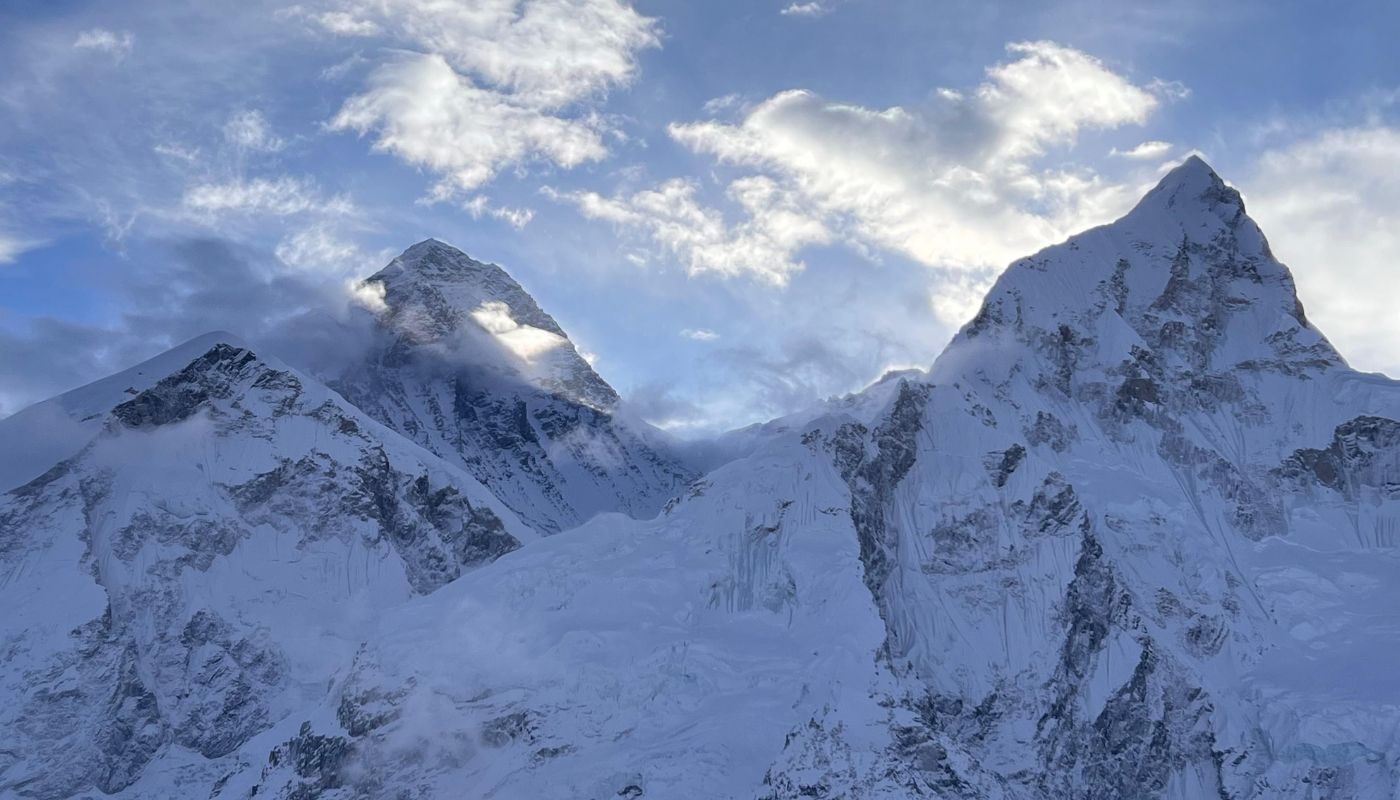
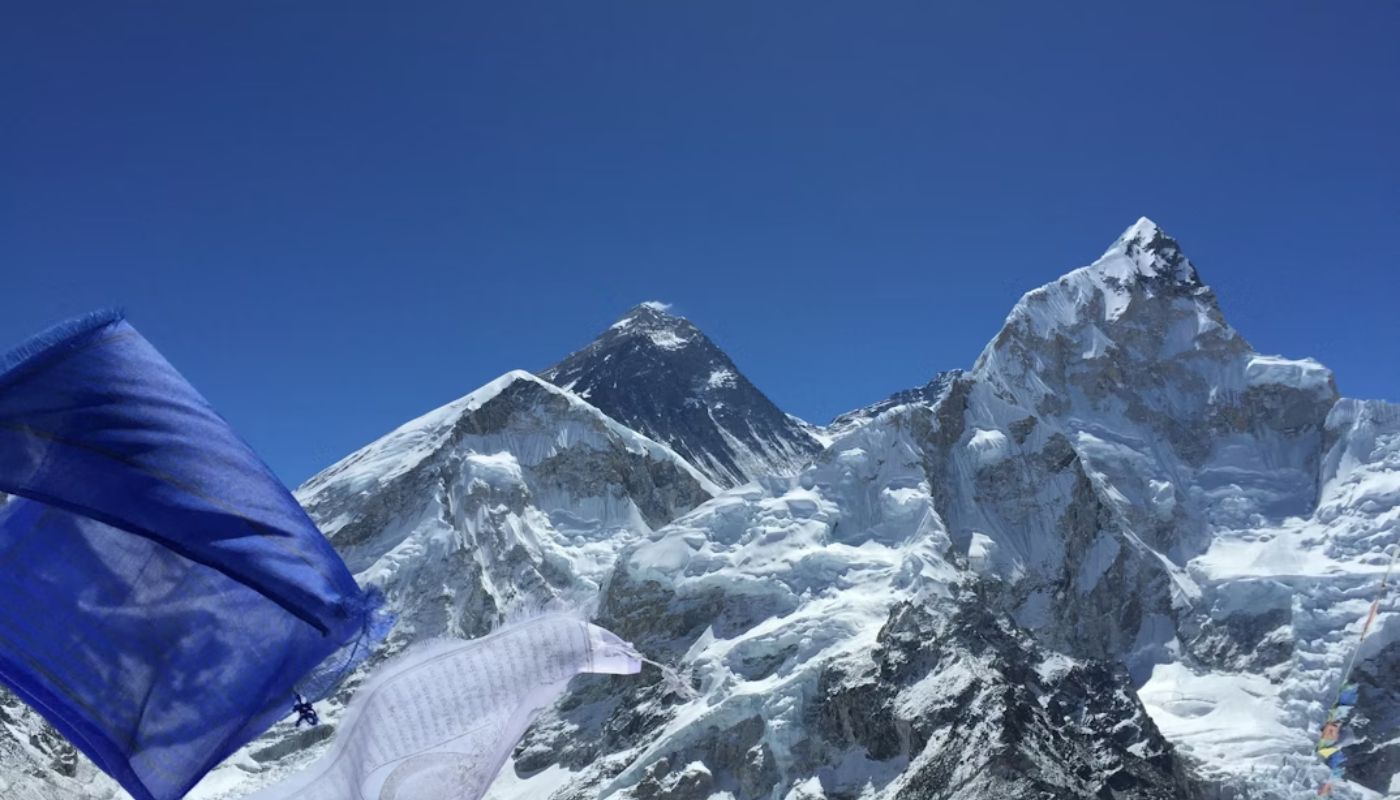
Moreover, the trail leads to high mountain passes, giving breathtaking views of Mt. Everest, Mt. Makalu, and other Himalayan peaks.
The region is home to Sherpa, Rai, and Limbu communities, which allows trekkers to immerse themselves in local culture, traditions, and lifestyle. Additionally, the trail ranges from easy valley walks to challenging high-altitude climbs. Therefore, it suits both beginners and experienced trekkers seeking a less crowded, peaceful trekking experience in Nepal.
This trek is also rich in biodiversity. You may spot Red Panda, Himalayan Thar, and over 650 species of birds.
Furthermore, the Arun Valley Trek offers a perfect blend of adventure, natural beauty, and cultural exploration, making it a memorable journey in one of Nepal’s most remote and breathtaking regions.
Highlights of Arun Valley Trek
- Explore the deepest valley in Nepal, a remote and untouched region.
- Experience less-crowded trekking trails, which are ideal for peace and solitude.
- Enjoy panoramic views of eastern Himalayan peaks, including Mt. Everest and Mt. Makalu.
- Walk through picturesque Sherpa, Rai, and Limbu villages, where local culture thrives.
- Pass through dense rhododendron, oak, and bamboo forests.
- Cross high mountain passes like Barun La (4,110 m) and reach Makalu Base Camp region.
- Discover Salpa Lake (3,414 m) and other pristine natural landmarks.
- Spot rare wildlife, such as Red Panda, Himalayan Thar, and various birds.
- Enjoy a mix of easy valley walks and challenging high-altitude trails, perfect for adventure seekers.
- Experience warm hospitality and local organic food in tea houses and lodges.
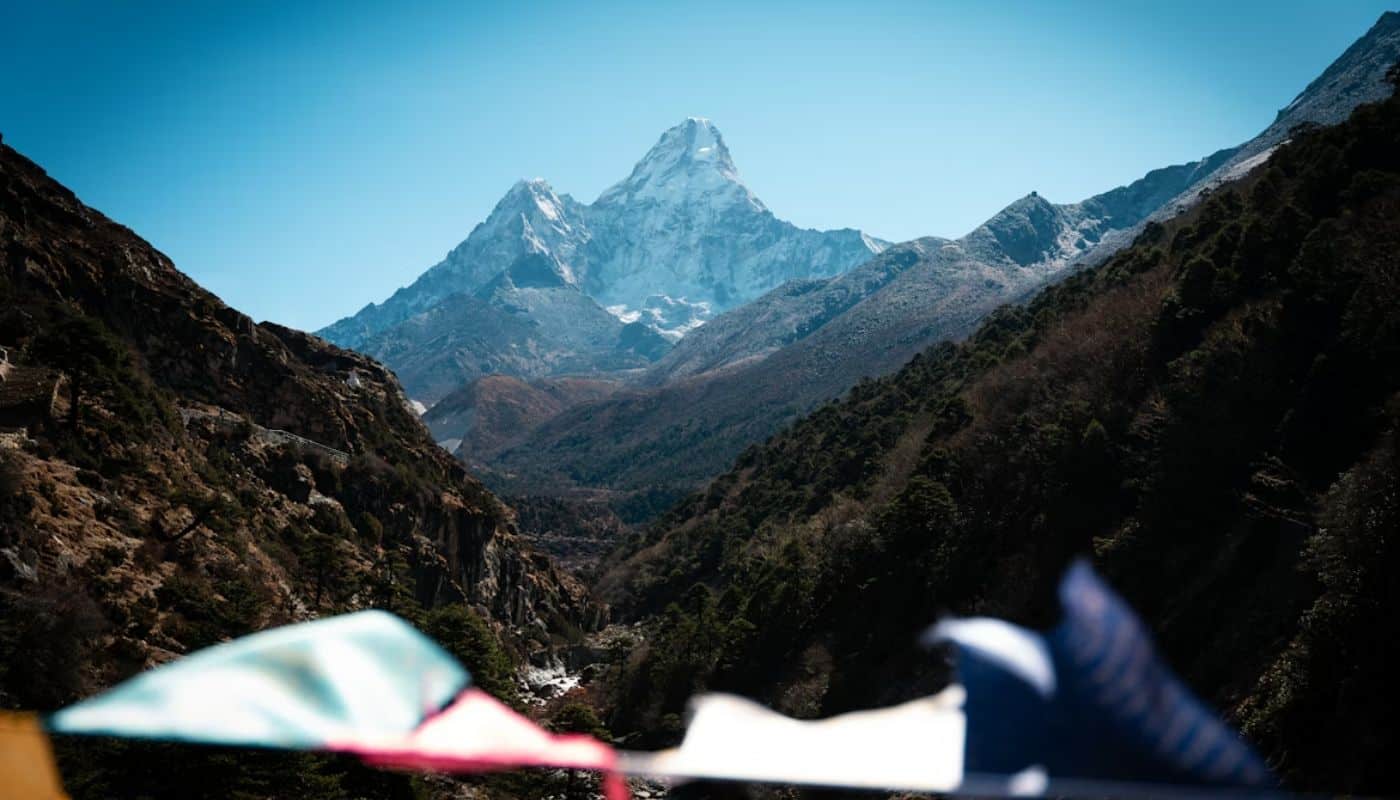
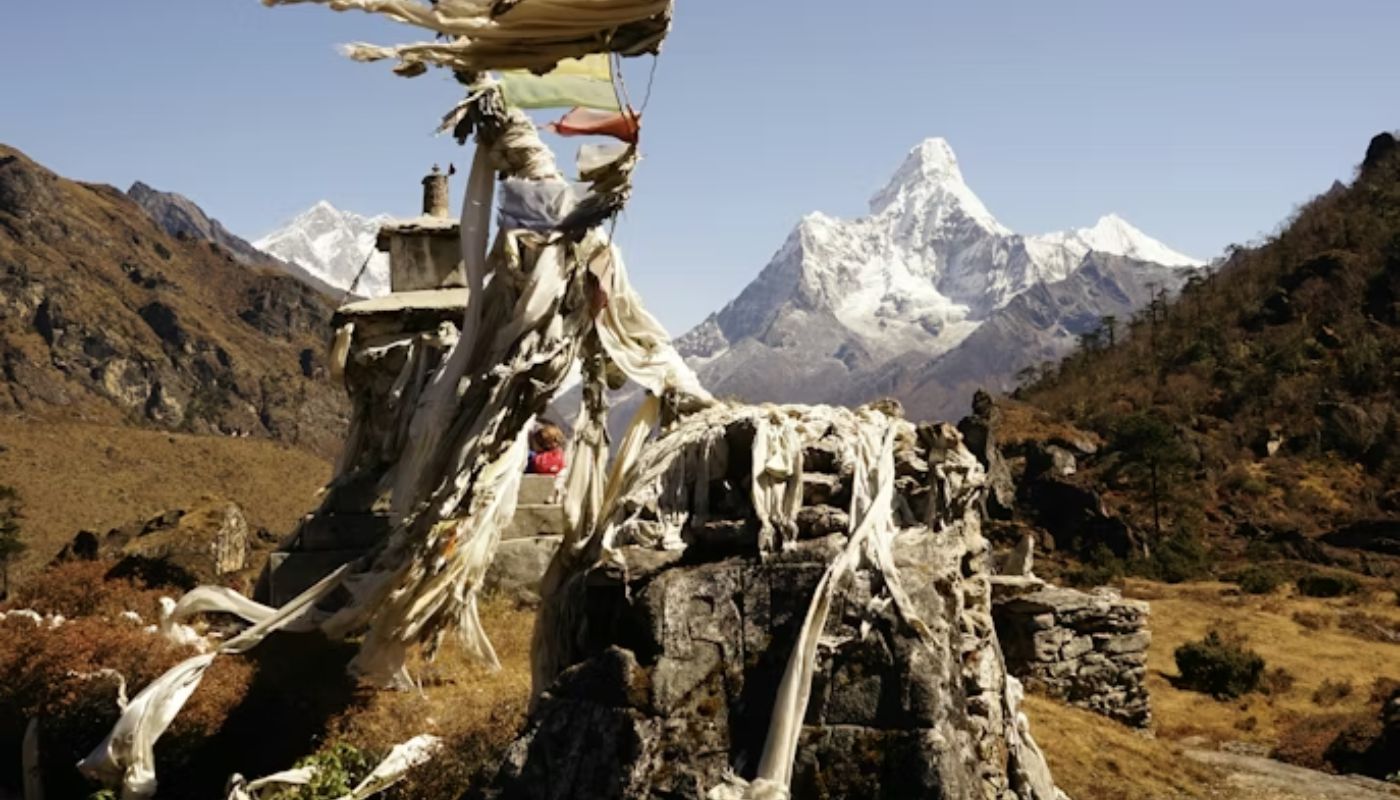
- Photograph terraced farmland, waterfalls, prayer flags, and Buddhist monasteries along the trail.
Arrive in Kathmandu (1,400 m)
 Accomodation: Hotel
Fly from Kathmandu (1,400 m) to Tumlingtar (410 m)
Accomodation: Lodge
Trek from Tumlingtar (410 m) to Chyawabesi (250 m)
Accomodation: Lodge
Trek from Chyawabesi (250 m) to Kothe (700 m)
Accomodation: Lodge
Trek from Kothe (700 m) to Salpa Phedi (1,200 m)
Accomodation: Lodge
Trek from Salpa Phedi (1,200 m) to Sanam (2,850 m) via Guranse (2,880 m)
Accomodation: Lodge
Trek from Sanam (2,850 m) to Bung (3,280 m)
Accomodation: Lodge
Trek from Bung (3,280 m) to Gai Kharka (3,150 m)
Accomodation: Lodge
Trek from Gai Kharka (3,150 m) to Pinyan (3,400 m)
Accomodation: Lodge
Trek from Pinyan (3,400 m) to Langmale / High Camp (3,800 m)
Accomodation: Lodge
Trek from High Camp (3,800 m) to Barun Base Camp (4,100 m) via Barun La (4,110 m)
Accomodation: Lodge
Explore Barun Base Camp and surrounding area
Accomodation: Lodge
Trek from Barun Base Camp (4,100 m) back to Pinyan (3,400 m)
Accomodation: Lodge
Trek from Pinyan (3,400 m) to Chyawabesi (250 m)
Accomodation: Lodge
Drive from Chyawabesi (250 m) to Tumlingtar (410 m), then fly to Kathmandu (1,400 m)
Accomodation: Hotel
Final Departure.

Cost Includes
- Airport picks up & drops
- Standard hotel accommodation in Kathmandu
- Guided city tour in Kathmandu
- Domestic flight
- Tea house and tented camp accommodation during the trek
- 3 meals a day (B/L/D) during the trek.
- A local government licensed English speaking Guide during the trek
- Necessary porters to carry luggage
- Note: (1 porter can carry two people’s luggage up to 30 kilograms)
- Trekking crew’s salary, insurance, equipment, transport, food and lodging
- Down jacket, Sleeping bag, (to be returned after trip completion)
- TIMS
- VAT and local Tax
Cost Excludes
- Nepal Visa fee
- Lunch and Dinner in Kathmandu
- Extra night accommodation in Kathmandu because of early arrival, late departure, and early return from the mountain(due to any reason) than the scheduled itinerary
- Travel and rescue insurance
- Personal expenses (phone calls, laundry, bar bills, battery recharge, extra porters, bottle or boiled water, shower etc)
- Tips for guides and porters
- Any extra activities after the trek

Temperature Chart
Altitude Chart

Useful Info
Why Arun Valley Trek?
Arun Valley Trek is the best choice for trekkers who want a peaceful, natural, and cultural trekking experience in eastern Nepal. This trek is perfect for people who like walking on quiet trails, away from the busy Everest and Annapurna routes. Arun Valley lies between Sagarmatha National Park and Makalu-Barun National Park, making it one of the most beautiful and untouched trekking areas in Nepal.
The trek offers stunning views of Mt. Everest, Mt. Makalu, and many other Himalayan peaks, giving you a true feeling of walking in the high mountains. It is also ideal for trekkers who want to explore local culture, because the Arun Valley region is home to Sherpa, Rai, and Limbu communities with their own traditions, food, lifestyle, and warm hospitality.
With green forests, terraced fields, waterfalls, and ethnic villages, the Arun Valley Trek is perfect for anyone looking for both adventure and natural beauty. This trek gives you a wonderful mix of nature, culture, and Himalayan scenery, making it one of the most rewarding trekking routes in Nepal.
Best Seasons for the Arun Valley Trek
The best seasons for the Arun Valley Trek are Autumn, Spring, and Winter, each offering a different trekking experience in eastern Nepal.
Autumn (September to November) is the most popular time because the weather is clear, the sky stays blue, and the views of Mt. Everest, Makalu, and other Himalayan peaks are very sharp.
The temperature is comfortable for walking, and the forests are fresh after the monsoon. Spring (March to May) is another excellent season for the Arun Valley Trek.
During this time, the trail becomes very colorful with blooming rhododendron forests, making the trek incredibly beautiful. Weather is warm, and you can enjoy long walking days with stable conditions.
Winter (December to February) is also suitable for trekkers who like a quiet and peaceful trekking trail. The air is crystal clear, offering amazing mountain views, although the mornings and nights can be cold in higher altitudes.
Arun Valley Trek in winter is perfect for those who want a calm and less crowded trekking experience.
Fitness Level Needed for Arun Valley Trek
The Arun Valley Trek needs a moderate to good fitness level because the trail includes long walking days, steep climbs, and some challenging sections in the higher part of the Makalu-Barun region. You do not need to be an athlete, but you should be physically prepared to walk 5 to 7 hours every day on uphill and downhill paths.
The lower part of the trek is easy, but the upper region has narrow, remote trails that require extra stamina and balance. To enjoy this trek without difficulty, it is good to start basic training at least 3-4 weeks before the trip.
Simple exercises like walking, light jogging, stair climbing, and leg-strength workouts help improve your stamina. Practising with a small backpack also prepares your body for actual trekking days.
Mental fitness is equally important because some parts of the Arun Valley Trek feel remote and less travelled. Trekkers with a positive mindset and steady pace can complete this trek comfortably.
With the right preparation, the Arun Valley Trek becomes a safe, enjoyable, and rewarding adventure in eastern Nepal.
Packing List for Arun Valley Trek
Packing the right gear is very important for the Arun Valley Trek because the trail passes through warm lowlands and cold high-altitude areas. A good packing list helps you stay comfortable, safe, and ready for all weather conditions in eastern Nepal.
For clothing, carry lightweight trekking shirts, warm layers, a fleece jacket, thermal innerwear, a down jacket, trekking trousers, waterproof pants, gloves, warm hat, sun hat, and good-quality hiking socks.
Strong trekking boots with good grip are essential because the trail includes steep and uneven sections. A comfortable day backpack is needed to carry water, snacks, and personal items during the walk.
For gear, pack trekking poles, a sleeping bag (rated for cold nights), headlamp with extra batteries, sunglasses, water bottle or hydration bladder, and a rain cover for your bag. Bringing a first aid kit, blister plasters, and personal medicines is important for safety.
For electronics, carry a power bank, mobile charger, camera, and spare memory cards because charging facilities are limited in remote areas.
Other useful items include sunscreen, lip balm, toiletries, quick-dry towel, wet wipes, hand sanitizer, and water purification tablets. If you want to be extra prepared, pack energy bars, chocolates, and some instant hydration salts.
With the right packing list, your Arun Valley Trek becomes more comfortable, enjoyable, and safe, allowing you to fully enjoy the natural beauty of eastern Nepal.

FAQ
How remote is the Arun Valley Trek?
The trek is one of the most remote in eastern Nepal. Some villages have only a handful of lodges, and trails can be narrow and untrodden. Because of this, it’s ideal for trekkers looking for adventure off the beaten path. However, you must be prepared for limited amenities and occasional challenging trail conditions.
Why should I choose Arun Valley Trek over other treks in Nepal?
Arun Valley Trek is perfect for trekkers who want solitude and untouched trails. Unlike Everest or Annapurna, it’s less crowded, offering a peaceful experience. You get to enjoy diverse landscapes, from lush forests and terraced fields to high Himalayan peaks. Plus, the trail is rich in culture, with Sherpa, Rai, and Limbu villages, which makes the journey unique.
Is the trek suitable for first-time trekkers?
The lower sections are gentle and beginner-friendly, but the upper parts like Sanam, Bung, and Barun La can be challenging due to steep climbs and high altitude. First-time trekkers should prepare physically and consider hiring a guide or porter.
When is the scenery at its best?
Autumn (Sep-Nov) offers crisp air and clear skies, making mountain views spectacular. Spring (Mar-May) brings blooming rhododendrons and colorful forests. Winter (Dec-Feb) is quieter, with crystal-clear views, though mornings and nights are cold.
Are there any challenging sections I should prepare for?
Yes, the trek includes steep ascents, narrow trails, and high passes. The Barun La Pass (4,110 m) is the most challenging. Preparation, pacing yourself, and acclimatization are key to handling these sections safely.
How do I get to the starting point of the trek?
You can fly from Kathmandu to Tumlingtar (410 m). From there, the trek begins. Alternatively, for more adventure, you can take a long drive through eastern Nepal, enjoying rural scenery before the trek.
Can I see Mt. Everest on Arun Valley Trek?
Yes! On clear days, the upper Arun Valley offers views of Everest, Makalu, Chamlang, and other peaks. Sunrise and sunset views are particularly stunning for photography.
How cold does it get on the trek?
Lower regions are moderate and warm, but higher altitudes can be below freezing at night, especially near Barun La. Layered clothing is essential.
Are there any lakes or natural landmarks along the route?
Yes, Salpa Lake (3,414 m) is a popular stop. The valley also has waterfalls, forests, and terraced farmland, offering plenty of photo opportunities.
How do I return after completing the trek?
After completing the Arun Valley Trek, most trekkers trek back to Tumlingtar and then fly to Kathmandu. Alternatively, some choose to drive through rural roads for a scenic end to their journey.


Our History in Service Excellence


