


Salleri Everest Base Camp Trek
 (80 reviews in Google)
Trek Highlights: What Makes Salleri EBC Journey Unforgettable
Trek Highlights of Salleri Everest Base Camp Trek are listed below:
The Classic Everest Approach
- Follow the historic route used by early Everest expeditions before Lukla airport existed
- Trek through pristine Rai and Magar villages rarely visited by international trekkers
- Experience superior acclimatization starting from 2,300m instead of Lukla’s 2,840m
Mountain Panoramas
- Stand at Kala Patthar (5,545m) for sunrise over Mount Everest’s summit
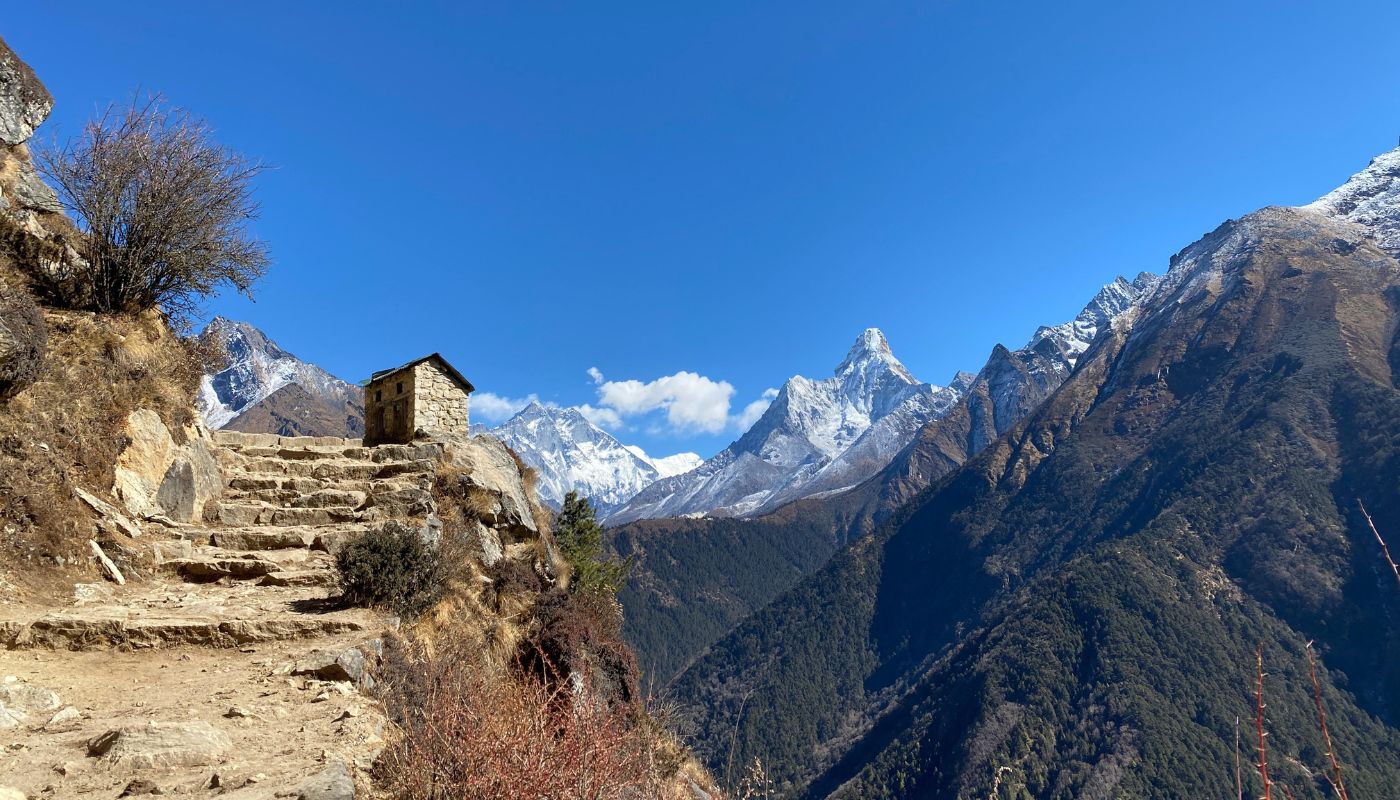
- Witness the iconic Ama Dablam (6,812m) from Tengboche Monastery
- See 8 of the world’s 14 highest peaks, including Everest, Lhotse, Makalu, and Cho Oyu
Cultural Immersion
- See the spiritual center of the Khumbu, Tengboche Monastery.
- Experience authentic Sherpa, Rai, and Magar village hospitality
- Take a stroll through Sagarmatha National Park, a UNESCO World Heritage Site (1,148 km²).
Adventure Milestones
- At the base of the highest mountain in the world, Everest Base Camp (5,365m)
- Dramatic suspension bridges that span the Dudh Koshi River
- Trek through rhododendron forests ablaze with color (April-May)
Safety & Success
- High success rate with proper acclimatization and experienced guides
- Gradual 9-day altitude gain before crossing 4,000 m
- Professional guides trained in altitude sickness recognition and wilderness first aid
Why Choose the Salleri Route to Everest Base Camp?
Most people fly into Lukla and rush toward Everest Base Camp. But there’s a better way – one that follows the original path taken by the first Everest expeditions, long before helicopters and mountain airports existed.
The Salleri to Everest Base Camp trek (also called the Phaplu EBC trek) begins at 2,300 meters in the lower Solukhumbu valley. Instead of jumping straight into high altitude, you’ll spend four extra days walking through traditional villages, rhododendron forests, and river valleys that most trekkers never see.
This isn’t just about adding days to your itinerary. It’s about giving your body the time it needs to adapt safely to altitude, and experiencing Nepal the way locals still live it.
What makes this route special:
- Better acclimatization – Starting 540m lower than Lukla reduces altitude sickness risk significantly
- Quieter trails – You’ll have the first four days almost to yourself
- Cultural depth – Trek through Rai and Magar villages before entering Sherpa country
- No Lukla flight stress – Skip the notorious weather delays and replace the flight with a scenic drive
- Same iconic destinations – You’ll still reach Namche, Tengboche, Everest Base Camp, and Kala Patthar
- Lower cost – Save money by avoiding expensive mountain flights
By the time you join the main Everest trail at Phakding, your body will be ready for the climb ahead. Your success rate goes up. Your experience deepens. And you’ll carry memories most EBC trekkers miss entirely.
If you’re comparing routes, you might also consider our Everest Base Camp Short Trek (10 days) if you have a limited time period.
Trek Overview of Sallery Everest Base Camp Trek: What to Expect
The Original Everest Approach
Before 1964, when Sir Edmund Hillary built the Lukla airstrip, every climber and trekker walked to Everest from the lowlands. This was the only way in – and it remains the smartest way for anyone serious about altitude safety.
The Salleri approach preserves that tradition. You’ll follow footpaths once used by legendary mountaineers, passing through ecosystems that shift gradually from farmland to alpine wilderness.
The journey unfolds across three distinct zones:
- Mid-hill farmlands (2,300 – 3,000 m) – Terraced fields, pine forests, Rai and Magar communities
- Temperate forests (3,000 – 4,000 m) – Rhododendrons, magnolias, the first Buddhist villages
- High alpine zone (4,000 – 5,545 m) – Yak pastures, glacial moraines, the world’s highest peaks
Each zone brings new landscapes, new cultures, and new challenges – all at a pace that lets your body keep up.
The Salleri Everest Base Camp Trek takes you quite close to the footsteps of the early expeditions to Everest Base Camp. It is also known as the Phaplu Everest Base Camp Trek.
The construction of the roadway that connects Salleri from Kathmandu took place quite recently. Before that, the Phaplu Everest Base Camp trek was previously accessed mainly by flight before road access improved.
The Salleri Everest Base Camp trek starts after a 9-10 hour bus ride to Salleri. This bus ride offers scenic views of villages, high hills and Mt. Everest from Pattale village. Salleri is merely 20 minutes of a trek away from Phaplu. From Salleri, you will trek for 4 days before getting to Phakding. From Phakding, you will join the regular Everest Base Camp trek. Thus, it is a very good alternative to Jiri Everest Base Camp trek.
Salleri (Phalpu) Everest Base Camp Trek is also a very good way of acclimatizing to the high altitude of the Everest region. As this trek starts from an altitude of 2,300 meters. This makes the process of acclimatization very good.
In this trek, you will visit places like Tengboche Monastery and Kala Patthar. Tengboche Monastery gives you a sense of the culture of Tibetan Buddhism in the Everest region.
The morning sunrise views of the mountains from Kala Patthar are also equally astounding. Kala Patthar is the best place to see Mt. Everest in the Everest region trek. It also offers beautiful views of Nuptse and Changtse.
Salleri (Phalpu) Everest Base Camp Trek by Nepal Hiking Adventure offers everything a classic Himalayan trekking experience should include. It is relatively quiet, takes you over the off-beaten trails; while offering majestic views of the mountains, dense forest, suspension bridges, scenic cultural villages and more.
Arrive at Kathmandu and Transfer to Hotel
You will arrive in Nepal at Tribhuvan International Airport, Kathmandu. Tribhuvan International Airport is the only international airport in Nepal.
You can meet our representatives from Nepal Hiking Adventure outside the airport terminal. A signboard that says “Nepal Hiking Adventure” will help you find these representatives easily. You can check into your hotel with them.
You have a couple of options as to how you can spend your day/evening. Either you can relax in the hotel, or you can go for exploring small towns like Thamel on your own.

 Accomodation: Hotel
 Duration: 30 minutes drive to hotel
 Distance: Around 6 km
Drive Kathmandu (1,400 m) to Salleri (2,300 m) - 9 to 10 hours drive
The real trek begins with a long, winding drive east toward the Everest region. You’ll travel by local bus or private jeep through the recently paved roadway that now connects Kathmandu to Salleri.
Highlights along the way:
- Cross the Sunkoshi River near Okhaldhunga
- View Numbur Himal (6,959m), also called Shorong Yul Lha, sacred to the Sherpa people
- On clear days, catch distant glimpses of Everest from Pattale viewpoint
The road winds through hillside villages, terraced farms, and riverbanks. It’s long, but it’s also beautiful – and far more interesting than sitting in an airport waiting for weather to clear.
Pro tip: Sit on the right side for better mountain views. Bring snacks, water, and motion sickness tablets if you’re prone to car sickness.
Accomodation: lodge
Duration: 9 to 10 hours
 Meal: Breakfast, Lunch, Dinner
 Ascent: +900 m
 Descent: -60 m
Distance: Around 210 km by road
Descent: -60 m
Distance: Around 210 km by road
Trek from Salleri (2,300 m) to Taksindo (2,900 m) - 5 to 6 hours trek
Your first day on foot. The trail climbs gently through countryside dotted with stone houses and grazing animals. You’ll cross streams, pass through Fera village, and enter pine forests that smell sharp and clean.
Numbur Himal dominates the eastern skyline all day – a reminder that you’re now in the realm of big mountains.
By late afternoon, you’ll reach Taksindo, a small hilltop settlement with an important monastery. If you arrive in time, you can observe evening prayers – monks chanting in low tones, butter lamps flickering, and the smell of juniper incense.
This is your first taste of Himalayan Buddhist culture.
Accomodation: lodge
Duration: 5 to 6 hours
Meal: Breakfast, Lunch, Dinner
Ascent: +600 m
Distance: Around 10 to 15 km
Trek from Taksindo (2,900 m) to Kharikhola (2,070 m) - 5 to 6 hours trek
From Taksindo’s ridge, you’ll get sweeping views of the Salleri valley and, in the distance, the ridge where Lukla sits.
The trail drops through mixed forest, crosses two significant ridges, and descends to Nunthala village. From there, you’ll cross tributaries of the Dudh Koshi River before climbing back up to Jubing, then onward to Kharikhola.
Kharikhola is a Magar village – warm, welcoming, and culturally distinct from the Sherpa highlands you’ll reach later. This is the transition zone where Hindu and Buddhist traditions overlap.
Cultural note: Notice the shift in architecture, dress, and language as you move deeper into the mountains.
Accomodation: lodge
Duration: 5 to 6 hours
Meal: Breakfast, Lunch, Dinner
Ascent: +100 m
Descent: -800 m
Distance: Around 11 to 14 km
Kharikhola to Paiya (2,730m) - 5 to 6 Hours
After crossing a small stream, the trail climbs steadily to Bupsa (2,350m), a cluster of teahouses where you can stop for tea or noodles.
From Bupsa, the path flattens out but becomes rockier. You’ll walk through quiet forest with minimal foot traffic – this is one of the most peaceful stretches of the entire trek.
By evening, you’ll arrive in Paiya, a small settlement with just a handful of lodges. The remoteness is part of the charm.
Trail character: Mix of steady uphill and easier terrain – good preparation for the days ahead.
Accomodation: lodge
Duration: 5–6 hours
Meal: Breakfast, Lunch, Dinner
Ascent: +660m
Distance: ~10 km
Paiya to Phakding (2,610m) - 5 to 6 Hours
The first two hours are easy. Then the trail drops steeply to Surke, a village sitting at the base of the Lukla ridge.
From Surke onward, you’ll notice more trekkers on the trail – people who flew into Lukla this morning are now descending toward you. The path climbs gently through yak pastures and prayer-flag-draped bridges before reaching Phakding.
This is a milestone moment.
You’ve now completed the unique Salleri approach. From here, you’re on the standard Everest Base Camp route – but with far better acclimatization than anyone who flew into Lukla.
Lodge quality improves from this point forward. WiFi becomes more common (though still unreliable). And the mountains start to feel closer.
Accomodation: lodge
Duration: 5–6 hours
Meal: Breakfast, Lunch, Dinner
Ascent: +100m
Descent: –220m
Distance: ~12 km
Phakding to Namche Bazaar (3,440m) - 6 to 7 Hours
This is one of the most iconic trekking days in the Himalayas.
You’ll cross multiple suspension bridges over the Dudh Koshi River, each one swaying slightly underfoot. The trail rises and falls through pine forests, passing through small villages like Monjo, where you’ll enter Sagarmatha National Park and show your permits for the first time.
After Monjo, the trail drops to Jorsalle, crosses the confluence of two rivers, and then begins the famous 600-meter climb to Namche Bazaar.
This ascent is steep, relentless, and completely worth it.
Halfway up, if the weather is clear, you’ll catch your first glimpse of Mount Everest’s summit – a white pyramid floating above the ridge. Most people stop here for photos, breathing hard, grinning wide.
By late afternoon, you’ll reach Namche Bazaar, the Sherpa capital. This is the largest settlement in the Khumbu, with bakeries, gear shops, Irish pubs, and even a German bakery that serves real espresso.
Take a hot shower (your first in days), charge your devices, and celebrate – you’ve just crossed 3,400 meters.
Accomodation: Lodge
Duration: 6–7 hours
Meal: Breakfast, Lunch, Dinner
Ascent: +830m
Descent: –100m
Distance: ~12 km
Acclimatization Day in Namche Bazaar
Altitude acclimatization isn’t optional – it’s survival. Namche sits at 3,440m, and your body needs time to produce more red blood cells and adjust to lower oxygen levels.
Recommended acclimatization hike:
Climb to the Everest View Hotel (3,880m), about 2 hours uphill. The views from here are staggering – Everest, Lhotse, Ama Dablam, Thamserku – all framed by blue sky and prayer flags.
Have tea at the hotel (it holds a Guinness World Record for highest-altitude hotel), then descend back to Namche.
The golden rule of altitude: Climb high, sleep low.
Other options:
- Visit the Sherpa Culture Museum
- Explore Namche’s Saturday market (if your timing aligns)
- Hike to Khumjung village to see Hillary’s school and the monastery’s “yeti scalp”
Rest in the afternoon. Drink water. Eat carbs. Let your body do its work
Accomodation: lodge
Duration: 3–4 hours
Meal: Breakfast, Lunch, Dinner
Ascent: +440m (Everest View Hotel)
Descent: –440m
Distance: ~4 km round trip
Namche to Tengboche (3,860m) - 5 to 6 Hours
The trail climbs to a ridge with panoramic views, then descends through rhododendron and magnolia forest to Phungitenga (3,250m), where you’ll cross the river on a high suspension bridge.
From there, it’s a steady two-hour climb to Tengboche Monastery, the spiritual heart of the Khumbu.
Tengboche sits on a forested ridge with Ama Dablam towering directly overhead – one of the most beautiful mountain views on Earth. The monastery itself dates to 1916 and hosts about 60 monks who maintain daily prayer rituals.
If you arrive by late afternoon, you can attend evening prayers – a profound experience of chanting, drums, horns, and flickering butter lamps.
Photography note: Sunrise and sunset here are legendary. Set your alarm early.
Accomodation: lodge
Duration: 5–6 hours
Meal: Breakfast, Lunch, Dinner
Ascent: +420m
Distance: ~9 km
Tengboche to Dingboche (4,350m) - 5 to 6 Hours
After morning views and (optionally) monastery prayers, the trail descends through upper alpine forest – juniper, birch, and dwarf rhododendron. Trees become smaller and sparser as you gain altitude.
You’ll cross the Imja Khola river, pass through Pangboche (home to the oldest monastery in the Khumbu), and continue to Shomare, where Ama Dablam looms overhead like a guardian.
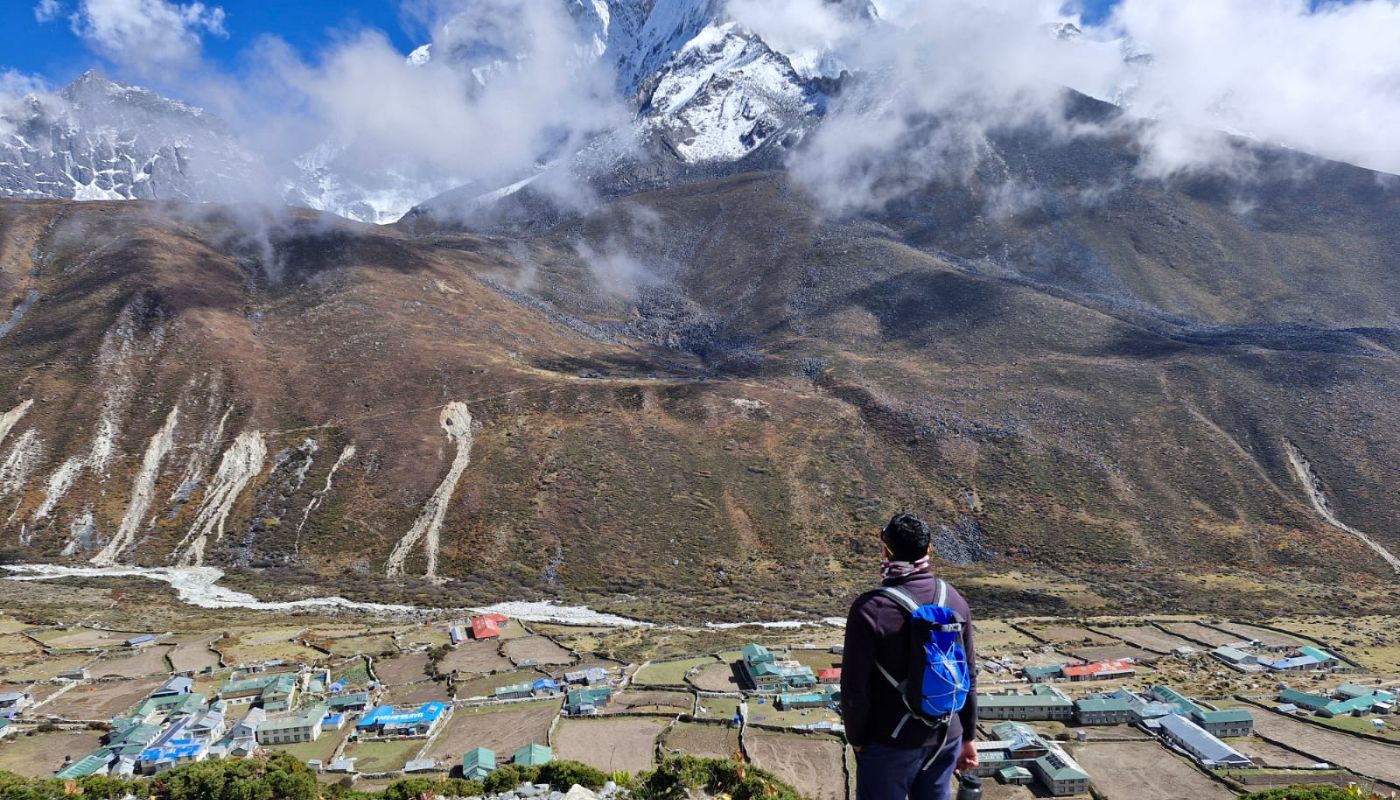
The trail then opens into the Imja Valley, and you’ll reach Dingboche – a sprawling settlement of stone-walled fields and low buildings beneath the massive Lhotse-Nuptse wall.
You’ve now crossed 4,000 meters.
The air is noticeably thinner. You’ll breathe harder. Your appetite may drop. This is normal – and exactly why acclimatization days exist.
Accomodation: lodge
Duration: 5–6 hours
Meal: Breakfast, Lunch, Dinner
Ascent: +490m
Distance: ~10 km
Acclimatization Day in Dingboche
Another crucial rest day. You’ll hike to higher elevation, then return to sleep at Dingboche – giving your body the stimulus it needs to adapt.
Recommended hike: Nagarjuna Hill (5,100m)
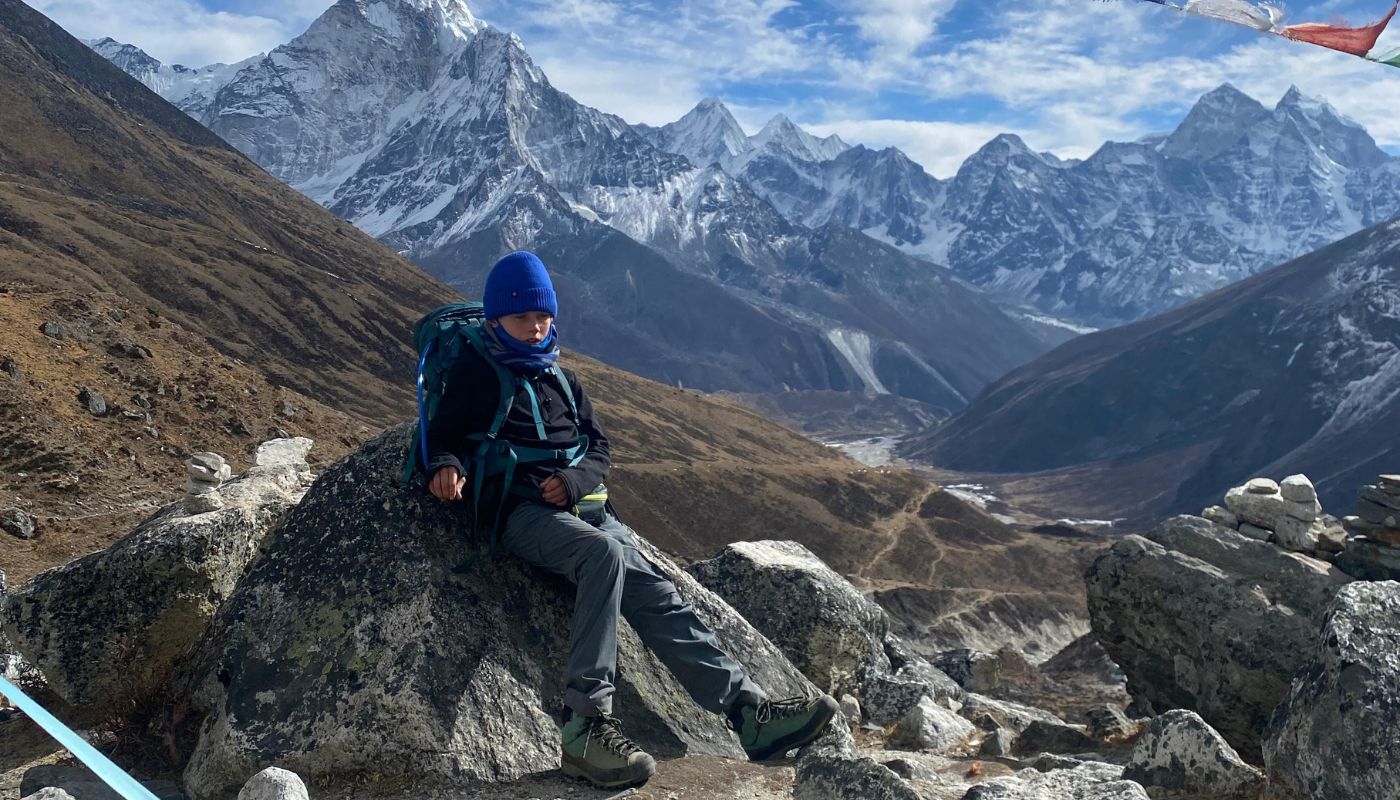
This takes 3 to 4 hours round trip and offers spectacular close-up views of Island Peak, Makalu, Lhotse, and Ama Dablam. The ridge is prayer-flag-covered and utterly stunning.
Alternatively, you can hike to Chhukung village for similar acclimatization benefits.
Return to Dingboche by early afternoon. Take it easy, drink plenty of water, and get ready for the last push to Everest Base Camp.
Physiology note: Your body is now producing more red blood cells. Give it time.
Accomodation: lodge
Duration: 3–4 hours
Meal: Breakfast, Lunch, Dinner
Ascent: +750m (Nagarjuna Hill)
Descent: –750m
Distance: ~4 km round trip
Dingboche to Lobuche (4,910m) - 5 to 6 Hours
The landscape changes dramatically today. Vegetation disappears almost entirely. Rocky moraine, glacial boulders, and barren ridges dominate.
You’ll climb to a ridge covered in prayer flags, then descend slightly before climbing again to Dughla (Thukla), where a memorial site honors climbers who died on Everest.
The stone cairns and plaques are sobering – a reminder that these mountains demand respect.
From Dughla, a steep climb brings you to Thukla Pass, then onward along the lateral moraine of the Khumbu Glacier to Lobuche (4,910m).
Lobuche is cold, barren, and beautiful. The lodges are basic. Heating is minimal. But you’re now within striking distance of Everest Base Camp.
Terrain note: Rocky, glacial landscapes. Bring trekking poles for balance.
Accomodation: lodge
Duration: 5–6 hours
Meal: Breakfast, Lunch, Dinner
Ascent: +560m
Distance: ~8 km
Lobuche to Everest Base Camp (5,365m) to Gorak Shep (5,180m) - 7 to 8 Hours
This is it. The day you’ve been training for.
You’ll trek to Gorak Shep (the last permanent settlement) in about 2 hours, drop your bags at the lodge, and then continue to Everest Base Camp.
The trail crosses boulder fields, glacial streams, and the shifting ice of the Khumbu Glacier. EBC itself is not a fixed point – it moves with the glacier and varies depending on the climbing season.
You won’t see Everest’s summit from Base Camp (it’s hidden behind Nuptse), but you’ll see:
- The Khumbu Icefall (the most dangerous part of Everest climbs)
- Nuptse’s south face
- Pumori and Changtse
- Prayer flags, tents (in season), and the massive scale of Himalayan mountaineering
Take photos. Breathe it in. You’re standing at 5,365 meters – higher than any point in the continental United States.
After that, hike back to Gorak Shep to spend the night there.
Achievement unlocked.
Accomodation: lodge
Duration: 7–8 hours
Meal: Breakfast, Lunch, Dinner
Ascent: +455m
Descent: –185m
Distance: ~13 km
Hike to Kala Patthar (5,545m), Descend to Pheriche (4,255m) - 7 to 8 Hours
Wake up before dawn. Dress warm. The climb to Kala Patthar takes about an hour in the dark, but you need to be on the summit for sunrise.
Kala Patthar (5,545m) offers the single best view of Mount Everest available to trekkers. Unlike Base Camp, you can see Everest’s summit clearly – along with Nuptse, Lhotse, Pumori, and the entire Himalayan amphitheater.
As the sun rises, the mountains turn gold, then orange, then blazing white. It’s one of the most beautiful sights on Earth.
After sunrise, descend to Gorak Shep for breakfast, then continue down to Pheriche (4,255m). You’ll lose over 1,000 meters of elevation today – and your body will thank you. The air feels thicker. Breathing becomes easier. Sleep improves.
Photography tip: Bring gloves, a headlamp, and fully charged batteries. It’s cold at 5,545m before sunrise.
Accomodation: lodge
Duration: 7–8 hours
Meal: Breakfast, Lunch, Dinner
Ascent: +365m
Descent: –1,290m
Distance: ~12 km
Pheriche to Namche Bazaar (3,440m) - 6 to 7 Hours
A long but satisfying descent. You’ll retrace your steps through Pangboche and Tengboche (you can stop for tea and photos), then drop to the Dudh Koshi River before climbing back up to Namche.
The trail is familiar now. Your legs are stronger. Your lungs are adapted. And Namche feels like a metropolis after the barren high camps.
Celebrate with a hot shower, a cold beer, and pastries from one of Namche’s bakeries.
Accomodation: lodge
Duration: 6–7 hours
Meal: Breakfast, Lunch, Dinner
Descent: –815m
Distance: ~17 km
Namche to Lukla (2,840m) - 6 to 7 Hours
Your final day of trekking. The trail descends through pine forest, crosses suspension bridges, and passes through Monjo and Phakding before the final climb to Lukla.
Lukla feels chaotic after days in the mountains – helicopters landing, trekkers arriving, porters hauling gear. But it also feels like completion.
Tonight is your farewell dinner with your guide and porter. This is when tips are traditionally presented (in sealed envelopes). Share stories, celebrate, and thank the people who made this journey possible.
Cultural note: Tipping is expected and represents significant income for mountain staff.
Accomodation: Hotel
Duration: 6–7 hours
Meal: Breakfast, Lunch, Dinner
Descent: –600m
Distance: ~19 km
Fly Lukla to Kathmandu (35 Minutes)
Weather permitting, you’ll take an early morning flight back to Kathmandu. The flight itself is spectacular – a final aerial view of the mountains you just walked through.
Flight contingency: Lukla flights are frequently delayed or canceled due to weather. Have 1 to 2 buffer days in your schedule.
Transfer to your hotel, shower, and relax. Most trekkers enjoy a celebration dinner at a Nepali restaurant (try Bhojan Griha or Krishnarpan for traditional Newari cuisine).
Accomodation: Hotel
Duration: 35 minutes flight
Meal: Breakfast included
Final Departure
Three hours prior to your international flight, make your transfer to the airport. Nepal Hiking Adventure will arrange your transport and ensure smooth departure.
Don’t forget: Reconfirm your flight 24 hours in advance.
Accomodation: Breakfast

Cost Includes
-
Permits & Documentation
- Sagarmatha National Park Entry Permit
- Khumbu Pasang Lhamu Rural Municipality Permit
- All necessary trekking permits and local documentation
- All government taxes and official service charges
Transportation & Transfers
- Airport transfers in Kathmandu (arrival and departure)
- Ground transportation from Kathmandu to Salleri by bus or jeep
- Domestic flight ticket from Lukla to Kathmandu (for both clients and guide)
Accommodation & Meals
- 2 nights in Kathmandu at a tourist-standard hotel on a bed & breakfast basis
- 15 nights lodge (teahouse) accommodation during the trek on a twin-sharing basis
- All three treks’ meals, including breakfast, lunch, and dinner
Professional Guide & Porter Service
- Experienced, English-speaking trekking guide
- Guide’s salary, accommodation, meals, insurance, and transportation
- Porter service (1 porter for every 2 trekkers)
- Porter carries up to 20 kg total luggage (shared by two trekkers)
- All porter expenses, including salary, food, accommodation, insurance, and equipment
Safety & Emergency Support
- Comprehensive first aid kit carried by the guide
- Emergency oxygen available if required during the trek
Equipment & Extras
- Company duffel bag for porter-carried luggage
- Nepal Hiking Adventure trekking T-shirt
Cost Excludes
- International flights to and from Nepal
- Nepal entry visa (available on arrival):
- USD 30 (15 days)
- USD 50 (30 days)
- USD 125 (90 days)
- USD 30 (15 days)
- Personal travel and medical insurance
- Lunch and dinner in Kathmandu
- Hot showers, Battery charging, WiFi
- Bottled water, soft drinks, snacks, and alcoholic beverages
- Tips for guide and porter
- Emergency evacuation

Temperature Chart
Altitude Chart

Useful Info
The Salleri to Everest Base Camp trek is known as a strenuous difficulty rating trek due to multiple demanding factors.
Trek Difficulty: What You Need to Know
Difficulty Rating: Strenuous
This trek is physically demanding. It’s not technical – you don’t need ropes or crampons – but it requires:
- 13 days of walking (5 to 8 hours per day)
- ~180 km total distance
- 3,200+ meters of cumulative elevation gain
- Maximum altitude of 5,545m (Kala Patthar)
- Multiple nights above 4,000m
Fitness requirements:
- Ability to walk 5 to 7 hours daily while carrying a light daypack (5 to 7 kg)
- Cardiovascular endurance (think: 3 to 4 months of aerobic training)
- Leg strength for sustained uphill climbing
- Mental resilience for cold, altitude, and basic lodges
Good news: You don’t need previous high-altitude experience. The Salleri route’s gradual ascent makes it ideal for first-timers – assuming you prepare properly.
For a less strenuous alternative in the Everest region, see our Everest View Trek (7-10 days, lower altitude).
Age Considerations
Nepal Hiking Adventure has successfully guided trekkers aged 10 to 75 to Everest Base Camp via the Salleri route.
Success depends far more on preparation, fitness, and attitude than on age. Older trekkers often benefit from the gradual altitude gain – giving their bodies more time to adapt.
Why Salleri Has Better Acclimatization
Starting at 2,300m instead of Lukla’s 2,840m gives you:
- 9 days of gradual altitude gain before crossing 4,000m
- Lower AMS (Acute Mountain Sickness) risk
- Better sleep quality at intermediate altitudes
- Higher success rate for reaching EBC and Kala Patthar
The standard Lukla route works – but it compresses acclimatization. If you want the safest approach, Salleri is objectively better.
Best Time to Trek: Month-by-Month Breakdown
Autumn (September to November) – Peak Season
Why it’s best:
- Crystal-clear skies after monsoon ends
- Perfect temperatures (10 to 15°C mid-elevations, -5 to 5°C at Gorak Shep)
- Minimal rainfall
- Dry, stable trails
- Festive atmosphere (Dashain and Tihar festivals in October)
Drawbacks:
- Crowded lodges (book in advance)
- Higher prices
- Lukla flights often overbooked
Month breakdown:
- September: Tail end of monsoon; occasional afternoon rain; wildflowers; fewer crowds
- October: Absolute best month; perfect visibility; ideal temps
- November: Still excellent; colder at altitude; fewer trekkers than October
Verdict: If you can only trek once, choose October.
Spring (March to May) – Second Peak Season
Why it’s great:
- Rhododendron blooms (April to May) – hillsides explode with red, pink, and white flowers
- Warmer temperatures
- Longer daylight hours
- Good visibility (though occasional afternoon clouds)
Drawbacks:
- Afternoon clouds can obscure mountain views
- Increasing crowds through the season
- Pollen (minor issue for allergy sufferers)
Month breakdown:
- March: Still chilly; excellent visibility; uncrowded
- April: Ideal temps; rhododendrons peak; busier trails
- May: Warmer; pre-monsoon clouds; wildflower peak
Verdict: Choose April for rhododendrons and warmth.
If trekking in spring in another region within 6-8 days appeals to you, consider our Annapurna Base Camp Trek (7 days), which also features spectacular rhododendron blooms.
Winter (December to February) – Off-Season
Why some choose it:
- Spectacular clarity – the clearest mountain views of the year
- Empty trails
- Discounts (20 to 40% lower costs)
- Authentic mountain experience
Serious drawbacks:
- Extreme cold (-10 to -20°C at night above 4,000m)
- Some lodges closed above Namche
- Shorter daylight
- High-altitude sections can be dangerous (snow, ice)
Verdict: Only for experienced winter trekkers with proper gear and flexible schedules.
Monsoon (June to August) – Low Season
Not recommended, but some benefits:
- Lush green landscapes
- Very few trekkers
- Significant discounts
Why it’s hard:
- Daily rain (afternoon thunderstorms)
- Poor visibility
- Muddy, slippery trails
- Leeches below 3,000m
- Flight cancellations common
- Landslide risk on Kathmandu to Salleri road
Verdict: Only for travelers with maximum flexibility who accept weather uncertainty.
Permits & Regulations
Required Permits (Nepal Hiking Adventure handles both)
- Sagarmatha National Park Entry Permit
- Cost: NPR 3,000 (~$22 USD) for foreigners
NPR 1,500 for SAARC nationals - Validity: Duration of trek
- Issued at: Nepal Tourism Board (Kathmandu) or park entrance (Monjo)
- Purpose: Conservation of UNESCO World Heritage Site (1,148 km²)
- Khumbu Pasang Lhamu Rural Municipality Permit
- Cost: NPR 2,000 (~$15 USD)
- Validity: Duration of trek in Khumbu region
- Issued at: Lukla or via trekking agency
- Purpose: Local development and tourism management
Checkpoint locations:
- Monjo (park entrance – thorough check)
- Namche Bazaar (police checkpoint)
- Dingboche/Pheriche (occasional verification)
Important: Keep permits accessible in a waterproof pouch or give it to your Guide. You’ll show them multiple times.
Travel Insurance (Mandatory)
Your insurance must cover:
- Emergency evacuation (helicopter rescue from 6,000m+)
- Medical treatment in Nepal
- Trip cancellation/interruption
- Lost or stolen gear
- Repatriation if necessary
Critical detail: Many standard policies exclude trekking above 5,000m. Read the fine print. Confirm altitude coverage explicitly.
Cost Breakdown: What You’ll Pay in 2026
Package Price with Nepal Hiking Adventure
Standard 18-Day Package: $1,390 USD per person
(As of Group discounts are available)
Daily Personal Expenses on Trail
Beyond the package, budget approximately $15 to 25 per day for:
- Extra snacks and beverages
- Hot showers ($3 to 5 each)
- Device charging ($2 to 4 per charge)
- WiFi (mostly unavailable above Namche)
- Laundry ($5 to 8 per kg)
- Upgraded meals (if you want pizza instead of dal bhat)
Money Tips
- Last ATM: Namche Bazaar (often runs out of cash during peak season)
- Cash needed: Carry NPR 30,000 to 50,000 (~$220 to $375) for comfortable spending
- Credit cards: Not accepted at lodges; Namche shops only
- Exchange rates: Best in Kathmandu Thamel; avoid airport exchange
Tipping Guidelines
Tipping is customary and expected. Budget 10 to 15% of package cost, distributed as:
- Guide: $12 to 15/day = $150 to 200 or more if you desire so
- Porter: $8 to 10/day = $100 to 130 or more if you desire so
Tips are generally presented in sealed envelopes during the farewell dinner in Lukla.
Accommodation & Meals
Lodge Standards
Lower sections (Salleri to Namche):
- Twin beds with mattresses and blankets
- Some attached bathrooms
- Hot shower available ($3 to 5)
- Charging facilities ($2 to 3 per charge)
Upper sections (Namche to Dingboche):
- Basic twin rooms
- Shared bathrooms
- Some WiFi in Namche
- Restaurant-style dining halls
High altitude (Lobuche, Gorak Shep):
- Very basic unheated rooms
- Shared squat or western toilets
- No running water
- Communal dining around a central yak-dung stove
Sleeping bag: Essential. Bring a -10°C rated bag minimum. Blankets are provided, but not sufficient at high altitude.
Food Options
Breakfast menu:
- Tibetan bread, toast, pancakes
- Porridge, muesli, corn flakes
- Eggs (fried, scrambled, boiled, omelet)
- Hash browns, baked beans
- Tea, coffee, hot chocolate
Lunch/Dinner menu:
- Dal bhat – Traditional Nepali lentils and rice (unlimited refills; best value)
- Momo – Tibetan dumplings (veg or meat)
- Thukpa – Noodle soup
- Chow mein – Fried noodles
- Pasta, pizza – Available in larger villages
- Sherpa stew – Hearty potato and vegetable stew
- Fried rice
Dietary accommodations:
- Vegetarian: Abundant options
- Vegan: Possible with planning
- Gluten-free: Limited but manageable
Notify your guide in advance of any restrictions.
Water & Hydration
Water sources:
- Boiled water at lodges ($2 to 4/liter)
- Bottled water (not recommended – environmental impact, expensive)
- Natural streams below 4,000m (purify first)
Hydration strategy:
- Carry 2 to 3 liters capacity
- Use purification tablets (Aquatabs) or SteriPEN
- Drink 3 to 4 liters daily
- Carry thermos for hot water at altitude
Environmental note: Avoid bottled water. Plastic waste is a major problem in the Khumbu. Use refillable bottles with purification.
Altitude Sickness & Safety
Understanding AMS (Acute Mountain Sickness)
At 5,545m (Kala Patthar), oxygen is ~50% of sea level. Your body needs time to adapt.
Common symptoms:
- Headache (most common)
- Nausea or vomiting
- Fatigue and weakness
- Dizziness
- Loss of appetite
- Difficulty sleeping
Moderate symptoms:
- Severe headache (not relieved by medication)
- Vomiting
- Shortness of breath at rest
- Decreased coordination
Severe (life-threatening):
- HACE (High Altitude Cerebral Edema): Confusion, irrational behavior, loss of coordination
- HAPE (High Altitude Pulmonary Edema): Severe breathing difficulty, chest tightness, coughing pink froth
Prevention
- Proper acclimatization
- Follow the itinerary’s rest days
- Don’t skip Namche or Dingboche acclimatization days
- Ascend slowly
- Hydration
- Drink 3 to 4 liters daily
- Clear urine = good hydration
- Medication
- Diamox (Acetazolamide): 125mg twice daily (prescription required; consult doctor)
- Side effects: Tingling fingers/toes, increased urination
- Nutrition
- Eat regularly (even without appetite)
- High-carb diet aids acclimatization
- Listen to your body
- Report symptoms immediately
- Never ascend with AMS symptoms
Treatment Protocol
Mild AMS:
- Rest at current altitude 24 to 48 hours
- Hydrate, take pain relievers
Moderate AMS:
- Stop ascent immediately
- Descend 500 to 1,000m if no improvement in 24 hours
Severe AMS (HACE/HAPE):
- Immediate descent mandatory
- Emergency helicopter evacuation if necessary
- Guide carries Dexamethasone (HACE) and Nifedipine (HAPE)
Nepal Hiking Adventure Safety Measures
- Guides trained in altitude sickness recognition and wilderness first aid
- First aid kit with altitude medications
- Pulse oximeter to monitor oxygen saturation
- Emergency oxygen at high camps
- Satellite phone for emergencies
- Established helicopter evacuation protocols
Emergency evacuation:
- Cost: $3,000 to $10,000 (covered by your insurance)
- Weather-dependent
- Requires credit card guarantee or cash payment (reimbursed by insurance later)
Packing List
Clothing (Layering System)
Base layers:
- 3 moisture-wicking t-shirts (synthetic or merino wool)
- 2 long-sleeve shirts
- 2 thermal tops
- 2 thermal bottoms
- 4 to 5 pairs trekking socks (no cotton)
- 4 to 5 pairs underwear
Mid layers:
- Fleece jacket
- Insulated down or synthetic jacket
- Softshell jacket (wind-resistant)
Outer layers:
- Waterproof/windproof jacket (Gore-Tex or equivalent)
- Waterproof pants
- Heavy down jacket (-10°C minimum for high camps)
Lower body:
- 2 trekking pants (quick-dry)
- Insulated pants for high altitude
- Thermal leggings
Head & hands:
- Warm beanie
- Sun hat with brim
- Buff or neck gaiter
- 2 pairs gloves (liner + insulated mittens)
- Sunglasses (Category 4 UV protection)
Footwear
Trekking boots (broken-in, waterproof, ankle support) – most important item
Camp shoes (light sneakers or sandals for lodge evenings)
Gaiters (optional; useful for snow)
Trekking Equipment
Essentials:
- Backpack (40 to 50L for porter to carry)
- Daypack (20 to 30L for daily use)
- Sleeping bag (-10°C to -15°C rating) – can rent in Kathmandu
- Sleeping bag liner (hygiene + warmth)
- Trekking poles (highly recommended; reduce knee strain 25%)
- Headlamp + extra batteries
- Water bottles (2 to 3L total capacity)
- Water purification (tablets or SteriPEN)
Recommended:
- Stuff sacks/dry bags
- Ziplock bags for electronics
- Duct tape (repairs)
- Carabiners (for hanging items)
Personal Items
- Sunscreen (SPF 50+) – UV is intense at altitude
- Lip balm with SPF
- Toothbrush, toothpaste
- Toilet paper, hand sanitizer
- Wet wipes (showers are limited)
- Quick-dry towel
- Feminine hygiene products (bring enough for entire trek)
First Aid (Personal Kit)
- Diamox (prescription required)
- Ibuprofen or Paracetamol
- Anti-diarrheal (Imodium)
- Antibiotics (for GI issues; prescription)
- Throat lozenges
- Blister treatment (Compeed, moleskin)
- Band-aids, gauze
- Antiseptic ointment
- Personal prescription meds (bring extras)
Note: Guide carries comprehensive group first aid kit.
Electronics & Documents
- Passport (with Nepal visa)
- Permits (provided by Nepal Hiking Adventure)
- Travel insurance docs + emergency numbers
- Cash (USD + Nepali Rupees)
- Credit card (backup)
- Camera + extra batteries + memory cards
- Mobile phone (Nepal SIM optional)
- Portable charger (10,000+ mAh)
- Adapter plugs (Type C, D, M for Nepal)
- Copies of important documents
Rental Gear (Kathmandu Thamel)
Available for rent:
- Sleeping bags: $1 to 2/day
- Down jackets: $1 to 2/day
- Trekking poles: $5 to 10 for entire trek
Quality varies – inspect zippers and seams carefully.
Porter Weight Limit
- Maximum per porter: 25kg total (including porter’s personal gear)
- Your allowance: ~20kg in duffel bag
- You carry: 5 to 7kg daypack (water, snacks, camera, layers)
Cultural & Natural Highlights
Sherpa Buddhism
The Salleri to EBC trek offers deep immersion in Tibetan Buddhist culture.
Tengboche Monastery:
- Founded 1916
- Largest gompa in Khumbu (~60 monks)
- Hosts Mani Rimdu festival (Oct/Nov) – masked dances depicting Buddhist teachings
- Stunning setting beneath Ama Dablam
Religious sites along trail:
- Mani walls – Stone walls with carved mantras (pass clockwise)
- Chortens – Buddhist stupas
- Prayer wheels – Spin clockwise
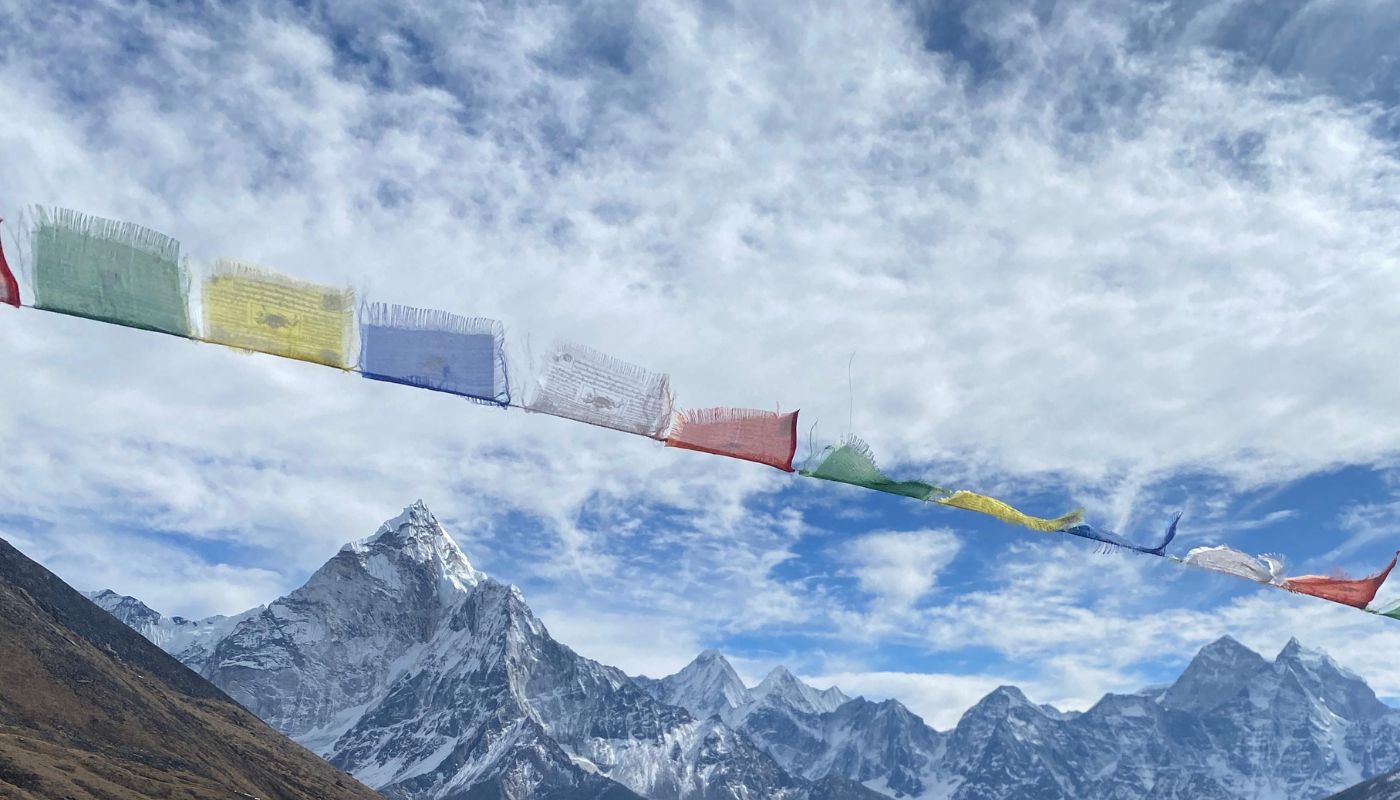
- Prayer flags – Carry prayers on the wind
- Kani gates – Entrance arches
Cultural etiquette:
- Remove shoes before entering monasteries
- Ask permission before photographing inside
- Don’t touch religious artifacts
- Dress modestly (cover shoulders/knees)
- Walk clockwise around monuments
- Donations appreciated (NPR 100 to 500)
Mountain Panoramas
Visible peaks:
- Everest (8,849m) – World’s highest
- Lhotse (8,516m) – 4th highest
- Nuptse (7,861m) – Everest’s west ridge
- Ama Dablam (6,812m): “Mother’s necklace”; Khumbu’s most exquisite
- Thamserku (6,608m)
- Pumori (7,161m) – “Unmarried daughter”
- Makalu (8,485m) – 5th highest
- Island Peak (6,189m)
- Numbur Himal (6,958m) – Dominates lower Solukhumbu
Best viewpoints:
- Kala Patthar (sunrise on Everest)
- Tengboche (Ama Dablam close-up)
- Nagarjuna Hill (Island Peak, Makalu)
Sagarmatha National Park
- Established 1976
- UNESCO World Heritage Site (1979)
- 1,148 km² of Himalayan ecology
Flora by elevation:
- 2,800 to 3,500m: Pine, fir, juniper, rhododendron
- 3,500 to 4,000m: Shrub juniper, dwarf rhododendron
- 4,000m+: Grasses, lichens, cushion plants
- Spring: Rhododendrons bloom April to May
Fauna:
- Himalayan tahr (often spotted)
- Musk deer (rare)
- Snow leopard (critically endangered; extremely rare)
- Red panda (lower forests)
- Himalayan black bear
- Birds: Danphe (national bird), Himalayan griffon, choughs
Salleri vs Lukla: Which Route?
| Aspect | Salleri Start | Lukla Start |
| Duration | 18 days | 12 to 14 days |
| Starting altitude | 2,300m | 2,840m |
| Acclimatization | Excellent (gradual) | Moderate |
| Crowds | Quiet first 4 days | Busy from day 1 |
| Cost | Lower (no Lukla flight) | Higher (+$350 to 400 flight) |
| Cultural immersion | Greater | Good |
| Flight risk | Return only | Both directions |
| Physical demand | Higher (more days/distance) | Moderate |
| Success rate | Higher | Good |
Verdict:
Choose Salleri if you have time, prioritize safety, want cultural depth, and value the journey itself.
Choose Lukla if you’re time-limited and accept a higher altitude sickness risk.
For those who prioritize classical Trek, explore our Standard Everest Base Camp Trek from Lukla (12-14 days).
Responsible Trekking
Leave No Trace
Carry out all non-biodegradable waste
Use lodge toilets (not the trail)
Avoid single-use plastics
Use refillable water bottles
Respect religious sites
Don’t feed wildlife
Porter Welfare
Nepal Hiking Adventure follows International Porter Protection Group (IPPG) standards:
25kg max load
Proper clothing/equipment
Same accommodation as clients
Medical insurance
Fair wages above minimum
Environmental Impact
- Most lodges now use kerosene/solar instead of wood
- Khumbu faces waste challenges – trekker cooperation essential
- Glaciers are receding due to climate change
Give back:
- Sir Edmund Hillary Foundation (schools, clinics)
- Khumbu Climbing School
- Direct donations to monasteries/schools
Booking Timeline
3 to 6 Months Before
Choose dates
Book with Nepal Hiking Adventure
Purchase international flights
Get travel insurance
Begin fitness training
2 to 3 Months Before
Medical consultation (Diamox prescription)
Break in trekking boots
Practice hikes with loaded pack
1 Month Before
Confirm bookings
Complete gear checklist
Notify bank of Nepal travel
Download offline maps
1 to 2 Weeks Before
Pack and weigh duffel (stay under 20kg)
Print documents
Exchange currency
In Kathmandu
Pre-trek briefing
Final gear check
Rent missing items
Buy snacks, water purification

Reviews


GREAT AND MEMORABLE EXPERIENCE
We had planned for Everest Base camp trek through Nepal Hiking Adventure Company starting from Phaplu to have good trekking experience passing through Sherpa villages. It was found more excitement and thrilling experience . We could successfully finish the trek at the age of 60+ without any problem with the support of our guide Mr. Kamal and Porter Mr. Bahadur Singh. Mr. Bishnu, MD of the company has planned our trek program so well keeping our comfort level high . We are very much satisfied with the arrangements and a great trekking experience in Nepal.
Isabella,
USA


Our History in Service Excellence


