
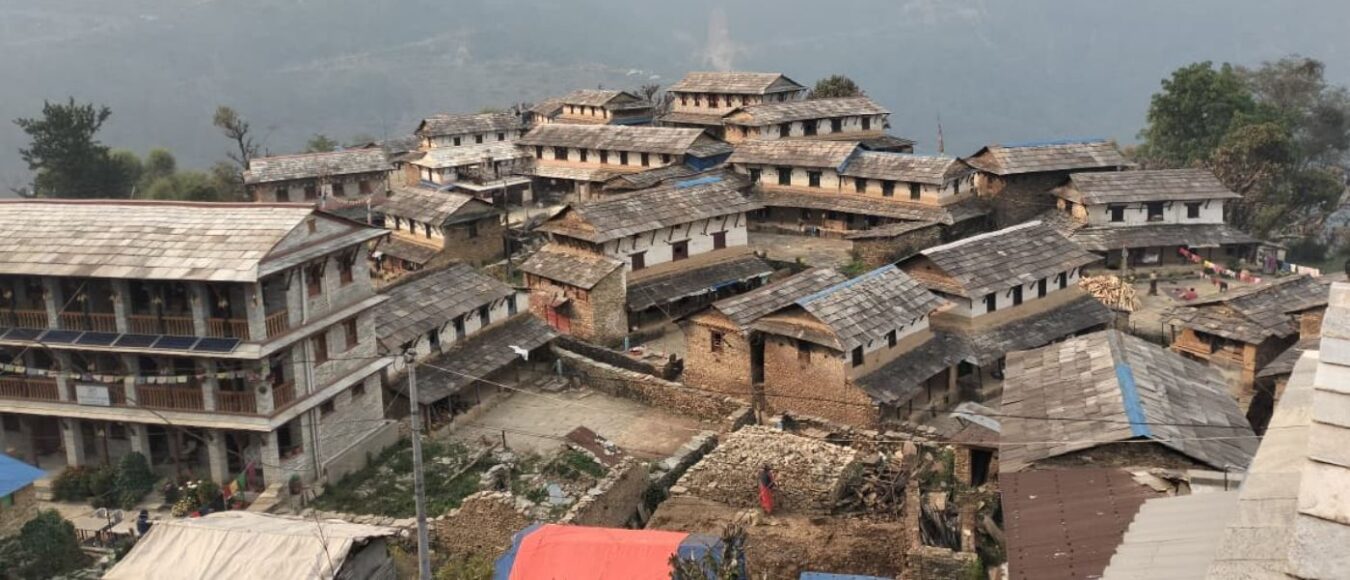
Ghandruk Village
Summary: Ghandruk Village is a traditional Gurung village at 1,940 m in Kaski District, roughly 32 km northwest of Pokhara in the Annapurna Conservation Area. Reachable by road via Kimche or a 3-4 hour trek from Nayapul, it offers unobstructed views of Annapurna South and Machapuchare, a Gurung culture museum, homestays, and traditional weaving. Best visited in spring or autumn, it serves as both a standalone cultural destination and a staging point for Annapurna Base Camp and Poon Hill treks.
Ghandruk Village: A Glimpse of Annapurna Life
Ghandruk Village stands as one of the most authentic mountain village experiences in Nepal, seamlessly blending natural beauty with deep cultural heritage. Furthermore, this traditional Gurung village sits at 1,940 metres, offering unobstructed views of the Annapurna range across terraced farmland. Consequently, for travellers seeking both Himalayan panoramas and genuine cultural immersion, Ghandruk is one of the finest choices in the Annapurna region.
Moreover, this charming village in Nepal’s Annapurna region lies approximately 32 kilometres northwest of Pokhara, making it accessible either by road or through scenic trekking routes. Unlike more commercialised destinations, this scenic village maintains its agricultural rhythm and ethnic identity while welcoming visitors. Additionally, many families in Ghandruk have adapted their homes to host guests, thereby creating a sustainable tourism model that supports the Gurung community without eroding traditional practices.
This guide by Nepal Hiking Adventure provides practical information for planning your trip to Ghandruk, including transport options, permit requirements, accommodation choices, and cultural etiquette. Whether you are considering a day visit to Ghandruk village or incorporating Ghandruk as part of a longer Annapurna trek, you will find detailed guidance to help you experience Gurung culture thoughtfully and responsibly. In addition, Ghandruk offers experiences beyond standard trekking itineraries, making it suitable for travellers with varying interests and fitness levels.


Where is Ghandruk Village located?
Geographic Setting in the Annapurna Region
Ghandruk is a Gurung village in Nepal nestled on a ridge at 1,940 metres elevation within the Annapurna region, strategically positioned between lowland agricultural zones and high-altitude trekking routes. Notably, this Gurung village in Kaski district occupies the southern slopes of the Annapurna massif, consequently offering direct sightlines to major peaks. As a result, this positioning creates exceptional sunrise and sunset viewing conditions throughout the year.
Key Geographic Features:
- Terraced farmland extending downslope toward Modi Khola river valley
- Mixed forests of oak, rhododendron, and pine covering mid-elevation zones
- Alpine meadows and rocky terrain at higher elevations above the settlement
- River valleys carved by Modi Khola and its tributaries creating dramatic topography
Moreover, this picturesque village sits within the Annapurna Conservation Area buffer zone, where land use balances agricultural needs with environmental protection. Therefore, Ghandruk lies within the Annapurna Conservation Area, and this status affects building regulations, waste management practices, and tourism development, ensuring the village maintains its character despite increasing visitor numbers.

Quick Facts: Location, Elevation, Population, Language
| Detail | Information |
| Location | Kaski District, Gandaki Province of Nepal |
| Elevation | 1,940 metres (6,365 feet) |
| Population | Approximately 4,000 residents |
| Households | Around 800 families |
| Primary Ethnic Group | Gurung |
| Languages | Gurung, Nepali, basic English in tourism sector |
| Distance from Pokhara | 32 kilometres northwest |
| Distance from Kathmandu | Approximately 232 kilometres |
Distance from Pokhara and Kathmandu
Ghandruk is about 32 km northwest of Pokhara by road, though the actual travel time varies considerably based on transport mode and road conditions. Notably, the hours’ drive from Pokhara to this village typically takes two to three hours via private jeep or local bus, following a winding mountain route when travelling from Pokhara to Ghandruk.
| Starting Point | Distance | Travel Time | Transport Options |
| Pokhara | 32 km | 2-3 hours (road) / 4-5 hours (trek from Nayapul) | Jeep, bus, private vehicle, or trek |
| Kathmandu | ~232km | 6-7 hours’ drive to Pokhara, then onward transport | Tourist bus, private vehicle, domestic flight to Pokhara |
| Nayapul (trek start) | 10 km | 3-4 hours hiking | Walking trail |
| Kimche (road access) | 3 km | 30-45 minutes | Final vehicle drop-off point |
Additionally, the drive from Pokhara follows the Prithvi Highway initially, then branches onto smaller roads near Nayapul. However, road quality deteriorates on the final sections, particularly during monsoon season when landslides and erosion create temporary obstacles. Consequently, many visitors combine road transport to Nayapul or Kimche with short trekking sections for the final approach to reach Ghandruk by road.
Map Orientation and Key Landmarks
Ghandruk is a popular hub connecting several trekking routes and nearby settlements. Understanding its relationship to surrounding landmarks helps with route planning and orientation when exploring around Ghandruk.
Directional Landmarks:
Northern Direction:
- Annapurna Base Camp (approximately 25-30 km hiking distance)
- Chomrong village (intermediate stop on ABC route)
- High-altitude trails leading deeper into the sanctuary
Eastern Direction:
- Landruk village (alternative Gurung settlement)
- Modi Khola suspension bridges
- Lower-altitude farming communities
Southern Direction:
- Nayapul roadhead (primary access point for trekkers)
- Pokhara city (nearest major urban centre)
- Lowland agricultural zones
Western Direction:
- Pothana and Dhampus villages
- Australian Camp viewpoint
- Routes connecting to Poon Hill trek circuits
Furthermore, the way to Ghandruk from different directions offers varied experiences. For instance, trekking to Ghandruk from Nayapul provides gradual acclimatisation and forest scenery, while approaching by road maximises time for exploring the village itself.

History and Cultural Heritage
Gurung Community and Village Origins
Ghandruk is a traditional Gurung settlement that traces its origins to migrations from Tibetan plateau regions several centuries ago. Initially, the Gurung people established settlements throughout the mid-hills of central Nepal, adapting their pastoral and agricultural practices to terraced farming systems. Subsequently, the village of Ghandruk emerged as one of the larger and more prosperous Gurung communities, benefiting from trade routes and British Gurkha recruitment.
Historically, military service shaped the village’s economy and social structure significantly. In particular, many men joined British and Indian Gurkha regiments, sending remittances that funded home construction, education, and infrastructure development. As a result, this connection continues today, with several families maintaining ties to military traditions. Consequently, Ghandruk village is a picturesque example of how external income can enhance infrastructure quality compared to similar-sized mountain settlements.
Moreover, the living Gurung heritage maintains traditional governance alongside formal administrative structures. Village elders and community organisations make decisions about land use, festival planning, and tourism management. Therefore, this dual system preserves cultural practices while adapting to modern requirements.
Gurung Museum and Traditional Lifestyle
The Old Gurung Museum, which visitors can explore when they visit the village. In this settlement serves as the primary institution documenting local cultural heritage. Established with support from the Annapurna Conservation Area Project, the museum displays several important collections.
Museum Collections:
- Traditional Gurung clothing, including distinctive black velvet dresses worn by women
- Agricultural tools demonstrating terraced farming techniques
- Ritual objects used in shamanic healing ceremonies
- Photographs documenting village history and mountaineering expeditions
- Ethnographic information about Gurung culture, language, and social customs
Furthermore, this Gurung cultural museum functions as a community education centre, hosting workshops where elders teach younger generations traditional crafts, songs, and oral histories. Additionally, visitors can arrange guided tours for learning about Gurung traditions that explain the significance of displayed items in the daily life of the Gurung community.
Traditional Lifestyle Elements:
- Weaving cooperatives producing woollen blankets, bags, and clothing
- Terrace farming of staple crops including millet, maize, and vegetables
- Animal husbandry focused on buffalo, goats, and chickens
- Stone masonry techniques for building homes and boundary walls
- Seasonal festivals marking agricultural cycles and religious observances
Architecture, Dress, Weaving, and Daily Life
Traditional Gurung houses feature distinctive construction methods adapted to the mountain environment and seismic risks common in Nepal. Notably, the traditional Gurung architecture incorporates several key elements.
Architectural Features:
- Stone foundations providing thermal mass and structural stability
- Slate roofing sourced from nearby quarries and laid in overlapping layers
- Wooden beams joined without nails using traditional carpentry
- Small windows minimising heat loss while allowing ventilation
- Separate animal quarters on ground floors with living spaces above
Moreover, the architectural style balances practical needs with aesthetic considerations. Consequently, whitewashed exterior walls contrast with dark window frames and doorways, creating the photogenic appearance that attracts visitors. However, newer constructions often incorporate concrete and corrugated metal, though community regulations encourage maintaining traditional facades.
Traditional Dress:
- Women wear black velvet blouses with elaborate gold jewellery and coral necklaces
- Men don traditional caps and woven sashes
- Daily work clothing tends toward practical modern garments
- Older residents often maintain traditional styles
Furthermore, weaving continues as both a cultural practice and an economic activity, as Ghandruk is also a significant hub for local traditions. Women operate portable looms producing:
- Thick woollen blankets used in homes and sold to tourists
- Colourful bags and pouches with traditional patterns
- Clothing items incorporating traditional designs with modern cuts
Additionally, daily village life follows agricultural and tourism rhythms. Mornings begin with household chores, animal care, and fieldwork. Subsequently, midday brings meal preparation and social interaction. Afternoons see continued farming activities or tourism-related work in lodges and teahouses. Finally, evenings centre on family meals, with occasional cultural programmes for visitors during peak season in Nepal.

Natural Landscape and Mountain Views
Himalayan Panorama: Annapurna South, Machapuchare, Hiunchuli
The views from Ghandruk are stunning, and Ghandruk offers stunning panoramas that rank among the most spectacular accessible from any Nepal village at a similar altitude. Indeed, the ridge location provides unobstructed sightlines to several major peaks forming the southern ramparts of the Annapurna range.
Major Peaks Visible:
Annapurna South (7,219 metres)
- Dominates the northern horizon
- The massive south face catches first light during sunrise
- Glows amber during sunset hours
Annapurna III (7,555 metres)
- Rises sharply to the east with a narrower, steeper profile.
- Often framed by surrounding ridgelines and cloud movement.
- Its ice and rock faces reflect pale gold tones in early morning light.
Machapuchare (6,993 metres)
- Known as the Fishtail Mountain
- Presents distinctive double-peaked profile
- Remains unclimbed due to religious prohibitions
- Creates dramatic photographic opportunities
Hiunchuli (6,441 metres)
- Completes the primary panorama
- Visible on exceptionally clear days
- Part of the 180-degree mountain amphitheatre
However, the weather in Ghandruk influences visibility significantly. Specifically:
- Post-monsoon months (September-November): clearest conditions
- Spring months (March-May): excellent visibility with occasional afternoon clouds
- Monsoon season: persistent cloud cover often obscuring mountains
Terraced Fields, Forests, and Rhododendron Trails
The landscape around the village demonstrates sophisticated agricultural engineering developed over centuries. Specifically, terraced fields cascade down slopes in geometric patterns, their stone retaining walls preventing erosion while creating level planting surfaces.
Crop Rotation Throughout the Year:
- Spring: Millet and maize planting
- Summer monsoon: Rice cultivation in irrigated terraces
- Autumn: Vegetables including potatoes, cauliflower, and leafy greens
- Winter: Wheat and barley in lower elevation fields
Additionally, forest composition changes with altitude, creating distinct vegetation zones:
- Lower slopes: Mixed broadleaf forests dominated by oak and maple
- Mid-elevation zones: Extensive rhododendron forests with trees reaching 15 metres
- Upper slopes: Coniferous forests of pine and fir before alpine vegetation
Rhododendron Species:
- Rhododendron arboreum (Nepal’s national flower) with red blooms
- Rhododendron campanulatum producing white and pink flowers
- Rhododendron barbatum found at higher elevations
During March through May, these forests explode with colour, transforming hiking trails into natural botanical gardens. Consequently, the blooming period attracts birdwatchers and nature photographers, though peak trekking season means trails experience heavier traffic during this window.
Best Sunrise and Sunset Viewpoints
The settlement offers numerous viewing locations throughout the area, with several spots favoured for specific times of day. Most lodge owners can direct guests to nearby viewpoints accessible within short walks from accommodation.
Recommended Viewpoints:
Sunrise Viewpoints (Eastern edge of upper village)
- Arrive 30 minutes before dawn to secure positions
- Watch progressive illumination of peaks
- Annapurna South catches first light
- The entire sequence spans 20-30 minutes
- Colors shift from deep purple through pink and orange to golden yellow
Sunset Locations (Near the museum, western side)
- Expansive sunset vistas
- Annapurna massif glows intensely during final hour
- Machapuchare often appears most dramatic
- Typically attracts larger crowds than sunrise sessions
All-Day Panorama Spots (Lodge roof terraces and restaurant seating areas)
- Continuous mountain views throughout daylight hours
- Monitor weather changes
- Photograph peaks under different lighting conditions
- Absorb the scale of the Himalayan landscape while enjoying meals
Planning Your Visit to Ghandruk Village
Best Time to Visit to Ghandruk Village
The optimal timing for visiting Ghandruk depends on personal priorities regarding weather, crowds, and specific interests. However, two seasons stand out for ideal conditions: spring (March-May) and autumn (September-November). Understanding seasonal patterns helps with realistic expectations and appropriate preparation. Ultimately, the best time to visit Ghandruk village depends on what experiences you prioritise during your stay.
Spring Season (March to May)
Spring represents peak blooming season, with rhododendron forests displaying vibrant colours throughout the region. Moreover, temperatures warm progressively, making trekking comfortable without extreme cold.
Temperature Range:
- Daytime highs: 15-20°C
- Nights: 5-10°C
- Generally good visibility with occasional afternoon clouds
Advantages:
- Rhododendron blooms creating spectacular forest scenery
- Moderate temperatures suitable for extended outdoor activity
- Good trail conditions after winter snow has melted
- Active village life during planting season
- Opportunities to witness agricultural practices
Disadvantages:
- Higher visitor numbers during March and April
- Occasional afternoon cloud buildup affecting mountain visibility
- Warmer temperatures bringing increased insect activity
- Higher accommodation rates during peak periods
Autumn Season (September to November)
Autumn provides the clearest skies and most stable weather conditions of any season in Nepal. Furthermore, post-monsoon atmospheric clarity creates exceptional mountain visibility, with crisp air and minimal haze. Consequently, this period attracts the highest visitor concentrations, particularly in October, making it a popular time to visit Ghandruk village.
Benefits:
- Superior mountain visibility and photography conditions
- Stable weather with minimal precipitation
- Harvest season activities providing cultural interest
- Comfortable temperatures for all-day hiking
Drawbacks:
- Peak season crowding, especially in October
- Advanced booking essential for preferred accommodation
- Higher prices for lodges and services
- Trail congestion on popular routes
Monsoon and Winter Travel Considerations
Monsoon Season (June-August)
- Heavy rainfall and persistent cloud cover
- Leeches on trails
- Mountains obscured for extended periods
- However, beautiful village transforms into vibrant green landscapes
- Better accommodation availability
- Suitable for budget travellers and agricultural interests
Winter (December-February)
- Crystal-clear visibility when skies are clear
- Cold temperatures requiring proper equipment
- Potential snowfall at this elevation
- Fewer visitors mean quieter village atmospheres
- Negotiable accommodation rates
How to Reach Ghandruk Village
From Pokhara (Jeep, Bus, Private Vehicle)
Travelling to Ghandruk from Pokhara offers several transport options depending on budget, time constraints, and desire for trekking experience. Generally, most visitors combine road transport to intermediate points with short hiking sections for the final approach when they visit Ghandruk village.
| Transport Mode | Cost (NPR) | Duration | Best For |
| Private Jeep to Kimche | 8000-15000 (per vehicle) | 2-3 hours + 45 min walk | Groups, limited time |
| Local Bus | 800-1500 (per person) | 2.5-3.5 hours | Budget travellers |
| Private Vehicle Hire | 8000-25000 (daily) | 2-3 hours | Families, flexibility |
Private Jeep (Direct to Kimche)
- Fastest option available
- Holds 5-7 passengers
- The journey takes 2-3 hours depending on road conditions
- Subsequently, 45-minute uphill walk from Kimche reaches main settlement
- Suits those with limited time or reduced walking ability
Local Bus Service
- More economical transport option
- Buses operate from Pokhara bus park to Nayapul/Kimche
- Departure times cluster in early morning (6-8am)
- The journey takes 2.5-3.5 hours
- However, buses can be crowded and uncomfortable
- Stops frequently along the route
- From Nayapul, either trek 3-4 hours or hire shared jeeps
Private Vehicle Hire
- Provides flexibility for stops and photography
- Daily rates range from 8000 to 15000 rupees
- Comfortable seating for small groups
- Control over timing and intermediate stops

Trekking Routes via Nayapul, Kimche, and Pothana
Trekking offers rewarding experiences through diverse landscapes and smaller villages. Furthermore, the main routes provide different difficulty levels and scenery for trekking to Ghandruk.
Nayapul Route (3-4 hours)
Most popular trekking approach
- Follows Modi Khola valley from Nayapul through Birethanti village
- Begins at 1,070 metres elevation, ascending to 1,940 metres
- Gains approximately 870 metres elevation
- Crosses suspension bridges over Modi Khola
- Passes through mixed forests and terraced farmland
- Includes several tea shops for rest stops
- Well-maintained and clearly marked throughout
- Provides gradual acclimatisation opportunities
Pothana Route (5-6 hours)
Longer alternative with varied terrain
- Creates a full day with diverse scenery
- Descends initially through forests before climbing
- Crosses ridgelines offering excellent mountain views
- Sees less traffic than the Nayapul route
- Appeals to those wanting quieter trekking experiences
Kimche Route (45 minutes)
Shortest trekking segment
- Connects road terminus at Kimche with upper section
- A steep stone stairway gains elevation quickly
- Arrives at heart of settlement near accommodation clusters
- Despite brevity, provides good views
- Offers taste of Nepal trail conditions
Road Conditions and Travel Tips
Road quality between Pokhara and Kimche varies considerably. Initially, the highway section from Pokhara maintains reasonable condition, though curves and occasional potholes require careful driving.
Road Characteristics (Final 15 km from Nayapul to Kimche):
- Narrow passages barely accommodating two vehicles
- Loose gravel and exposed rock surfaces
- Seasonal erosion creating gullies and bumps
- Landslide debris during and after monsoon
- Limited guardrails on cliff-side sections
Travel Tips:
- Motion sickness affects some passengers
- Travel early morning for smoother rides
- Afternoon sun can make vehicle interiors uncomfortably warm
- Discuss route conditions with drivers before departure
- Set realistic time expectations
Permits and Entry Requirements
Annapurna Conservation Area Permit (ACAP)
Ghandruk lies within the Annapurna Conservation Area, requiring all visitors to obtain an Annapurna Conservation Area Permit. Importantly, the ACAP system generates revenue supporting environmental protection, community development projects, and trail maintenance throughout the region.
| Visitor Category | Cost | Validity |
| Foreign Nationals | 3,000 NPR | Unlimited duration |
| SAARC Countries | 1,000 NPR | Unlimited duration |
Revenue Allocation Supports:
- Trail repair and bridge construction
- Waste management infrastructure in villages
- Alternative energy projects reducing firewood consumption
- Wildlife monitoring and forest protection programs
- Community health and education facilities
TIMS Card Requirements
The Trekkers’ Information Management System (TIMS) card tracks trekker movements and provides data for rescue operations if needed. Two TIMS categories exist for those planning the Annapurna trek or Annapurna Base Camp trek.
| TIMS Type | Category | Cost | Issued By |
TIMS Card | All trekkers (individual and group) | NPR 3,000 | Nepal Tourism Board |
Things to Do in Ghandruk Village
Trekking and Outdoor Activities
Exploring the village through short walks and scenic hikes reveals layered perspectives of Gurung life and mountain landscapes. Several routes require no special fitness level while providing rewarding experiences around Ghandruk.
Upper Village Loop (1-2 hours)
- Begins at main square
- Climbs through residential lanes past traditional houses
- Passes weaving workshops, small temples, and Ghandruk Museum, showcasing local culture and history
- Passes weaving workshops, small temples, and cultural museum
- Stone steps and paved paths dominate the route
- Occasional steep sections require reasonable mobility
Forest Trail to Komrong (3-4 hours return)
- Longer day hike option
- Descends through rhododendron forests toward Komrong village
- Provides forest immersion and birdlife observation opportunities
- Spring visits showcase rhododendron blooms
- Autumn offers crisp forest air and clear mountain glimpses
Sunrise Viewpoint Walk (30 minutes)
- Short climb from accommodation clusters to eastern viewpoints
- Gains modest elevation quickly
- Arrives at stone platforms where groups gather before dawn
- Watching sunrise illuminate Annapurna South and Machapuchare
- Provides memorable start to any visit
Popular Treks Connected to the Area
This settlement functions as a staging point for several major Nepal trekking routes. Ghandruk is a commercial trekking hub that provides excellent access to these destinations.
| Trek Name | Duration | Maximum Altitude | Highlights |
| Annapurna Base Camp | 7-12 days | 4,130 m | Spectacular amphitheatre views |
| Poon Hill | 4-5 days | 3,210 m | Famous sunrise panorama |
| Mardi Himal | 5-9 days | 4,500 m | Intimate Machapuchare views |
Start your Annapurna Base Camp trek from Ghandruk, where the village lies amidst breathtaking landscapes. Allows for excellent preparation and acclimatisation.
Cultural Walks and Village Exploration
Exploring the village extends beyond checking off viewpoints and museums. Thoughtful walking reveals details of daily life and allows visitors to experience authentic Gurung traditions.
Cultural Activities:
- Morning market observation: Watch vendors and shopping patterns
- School visits: Observe educational methods during weekday mornings
- Agricultural learning: Witness terraced field systems during planting/harvest
- Architecture documentation: Photograph traditional houses and construction details
- Weaving workshops: Observe or participate in traditional textile creation

Local Festivals, Music, and Dance
Timing visits to coincide with festivals provides exceptional opportunities to visit the village and experience local traditions. Plus, experience authentic Gurung culture and witness participation in cultural programmes.
Major Festivals:
Dashain (September-October)
- Nepal’s most important Hindu festival
- Families gather and elders bestow blessings
- Community feasts occur throughout the celebration
- Some services may close temporarily
Tihar (October-November)
- Festival of lights celebration
- Homes decorated with oil lamps
- Rangoli designs created
- Evening celebrations include traditional music and dance
- Opportunities for participating in cultural programs
Lhosar (December-January)
- Gurung new year celebration
- Elaborate cultural programs
- Traditional clothing displays
- Community gatherings
- Insights into Gurung identity and spiritual practices
- Showcases authentic life of the Gurung people
Accommodation Options
Local Homestays and Family-Run Lodges
Homestays in Ghandruk provide the most authentic way to experience authentic Gurung culture, placing visitors within functioning households inhabited by the Gurung community. Ghandruk is a village that attracts many visitors each year.
Homestay Features:
- Simple rooms with basic bedding and shared bathrooms
- Meals prepared using traditional methods and ingredients
- Opportunities for cultural exchange with host families
- Participation in daily activities like farming or cooking
- Lower costs compared to commercial lodges (300-800 NPR)
Moreover, homestay income directly supports families without intermediaries. However, comfort levels vary significantly between households. Expect limited amenities, possible language barriers, and genuine village life conditions rather than polished guest experiences.
Teahouses and Comfortable Guesthouses
The settlement serves as a commercial trekking hub with numerous lodge options throughout the area.
| Accommodation Type | Features | Cost (NPR) |
| Standard Teahouses | Shared rooms, communal bathrooms, solar showers, basic heating | 300-800 |
| Mid-Range Lodges | Private rooms, attached bathrooms, better insulation, varied menus | 1,000-2,500 |
| Comfortable Guesthouses | En-suite rooms, consistent hot water, WiFi, professional service | 2,500-5,000 |
| Luxury Hotels | Spacious rooms, premium bedding, heated rooms, fine dining, spa or wellness facilities | 6,000–20,000 |
Importantly, food typically generates more revenue than rooms for lodge operators. Consequently, room rates stay reasonable, but visitors should plan to eat at their accommodation.
Food and Local Dining Experience
Traditional Gurung Cuisine
Gurung culinary traditions reflect agricultural products grown at moderate Himalayan elevations and historical trade connections. The cuisine emphasises hearty dishes suitable for physical labour and cold temperatures, showcasing the authentic life of the Gurung community.
Key Ingredients:
- Millet: Ground into flour for roti and fermented into local alcohol
- Maize: Roasted or ground for porridge
- Buckwheat: Made into pancakes or noodles
- Potatoes: Grown in terraced fields, prepared numerous ways
- Dairy products: From buffalo and yak milk, including ghee and cheese
- Meat: Chicken, buffalo, or goat for special occasions
Popular Local Dishes to Try
Dhindo
- Thick porridge made from millet or buckwheat flour
- Served with vegetable curry or meat gravy
- Provides sustained energy for physical work
- Consistency resembles polenta
- Eaten by hand from communal plates
Gundruk
- Fermented leafy greens (usually mustard or radish leaves)
- Prepared as soup or pickle
- Tangy flavour adds zest to simple meals
- Fermentation preserves vegetables through winter
Yak Cheese Products
- Local cheese production creates varieties from fresh soft to aged hard types
- Try cheese momos (dumplings)
- Cheese-topped dishes offer concentrated dairy richness
Tongba
- Fermented millet alcoholic beverage
- Served in wooden or bamboo containers
- Hot water poured over fermented millet
- Consumed through bamboo straws
- Traditional drink providing warmth during cold evenings
Budget Guide for Visiting Ghandruk Village
Typical Daily Costs
Budget planning helps ensure adequate funds for your visit. Costs vary significantly based on accommodation choices, dining preferences, and travel style.
| Expense Category | Budget Range | Mid-Range | Luxury Range |
| Accommodation | 500-1000 NPR | 1,000-2,500 NPR | 5000-20000 NPR |
| Meals (3 daily) | 1500-2500 NPR | 2500-4500 NPR | 4000-8000 NPR |
| Snacks & Drinks | 800-1500 NPR | 1200-2000 NPR | 2000-5000 NPR |
| Guide (optional) | Share cost | 2,500-3,500 NPR | Private guide |
| Permits (one-time) | 6,000 NPR | 6,000 NPR | 6,000 NPR |
| Transport (round trip) | 1000-1500 NPR (sharing basis) | 8,000-15,000 NPR | 8,000-20,000 NPR |
Estimated Total Daily Spend:
- Budget traveller: 2,500-4,500 NPR (excluding permits and transport)
- Mid-range visitor: 4,500-7,500 NPR
- Comfort-focused tourist: 6,000-20,000 NPR
These estimates reflect 2024-2025 pricing and are subject to seasonal variation and inflation. Peak season rates may increase 20-30% above quoted ranges.
Real Traveler Case Study: Sarah’s 3-Day Cultural Immersion
Background and Planning
Sarah, a 32-year-old Australian photographer, visited Ghandruk village in October 2024 seeking authentic cultural experiences beyond typical tourist circuits. After researching various Gurung villages, she chose Ghandruk for its accessibility combined with preserved traditions. Sarah travelled from Pokhara to Ghandruk via local bus to Nayapul, then trekked the traditional route to maximise her landscape photography opportunities.
Day-by-Day Experience
Day 1: Arrival and Village Orientation
- Started with the hours’ drive from Pokhara to Nayapul (3 hours by local bus)
- Trekked 4 hours through terraced farmland and suspension bridges
- Arrived mid-afternoon and checked into a family-run homestay
- The evening was spent walking around Ghandruk, photographing traditional architecture
- Attended an impromptu cultural dance performance at community centre
- Cost: Bus 800 NPR, Homestay 1,500 NPR, Meals 3,500 NPR
Day 2: Deep Cultural Immersion
- Sunrise photography session at eastern viewpoint (captured Annapurna South at dawn)
- Morning visit to Old Gurung Museum with local guide (2 hours)
- Participated in weaving workshop with homestay host’s mother
- The afternoon was spent helped family harvest vegetables from terraced fields
- Evening cooking lesson learning to prepare traditional dhindo
- Cost: Museum entry 100 NPR, Guide 3,500 NPR, Meals 3,500 NPR
Day 3: Nature Walk and Departure
- Early morning forest trail to Komrong through rhododendron forests
- Return trek via alternative route offering different mountain perspectives
- Afternoon departure trekking to Nayapul for return to Pokhara
- Cost: Meals 2,500 NPR, Bus back 800 NPR
Key Takeaways and Insights
What Worked Well:
- Homestay placement provided genuine cultural exchange opportunities
- October weather in Ghandruk offered perfect visibility for photography
- The local guide enhanced understanding of Gurung traditions and history
- Flexibility in schedule allowed participation in spontaneous cultural activities
Challenges Encountered:
- Limited English communication with older family members (resolved through younger generation translation)
- Peak season crowding at sunrise viewpoint (30+ photographers)
- Homestay bathroom facilities more basic than expected
- Some cultural sensitivities around photographing religious ceremonies
Budget Breakdown:
- Total 3-day cost: Approximately 9,100 NPR (~$68 USD)
- Permits: ACAP 3,000 NPR, TIMS 2,000 NPR (obtained in Pokhara)
- Significantly lower than hotel-based alternatives while providing richer experiences
Sarah’s Recommendations
“Visit Ghandruk village for cultural immersion rather than just mountain views. The landscapes are stunning, but the human connections made my trip memorable. Spend at least three days to properly experience Gurung culture beyond surface-level tourism. Book homestays directly through community organisations rather than online platforms – this ensures money reaches families directly. Learn a few basic Nepali phrases; locals deeply appreciate the effort. Most importantly, approach your visit with genuine curiosity and respect for traditions that have survived centuries of change.”
Photography Highlights
Sarah’s favourite shots included sunrise illuminating Machapuchare from upper village viewpoints, an elderly weaver demonstrating traditional loom techniques, terraced field patterns creating geometric landscape abstractions, and candid portraits of the homestay family during evening meal preparation. These images later formed her exhibition “Living Heritage: Gurung Village in Nepal”, displayed in Melbourne.

Why Ghandruk Village Should Be on Your Annapurna Journey
Ghandruk Village represents Nepal’s capacity to balance cultural preservation with tourism development, maintaining authentic Gurung identity while welcoming global visitors. The village succeeds where many mountain destinations struggle, neither commercialising beyond recognition nor remaining isolated from beneficial economic opportunities. This equilibrium creates meaningful experiences for travellers while supporting community prosperity and cultural richness.
The physical beauty certainly attracts visitors initially. Views of Annapurna South, Machapuchare, and surrounding peaks provide dramatic backdrops that photograph exceptionally well. However, lasting impressions typically stem from human connections rather than landscape alone. Conversations with weavers about design traditions, shared meals in homestay kitchens, or simply observing daily agricultural rhythms create memories that transcend scenic photography.
Moreover, Ghandruk plays a practical role for trekkers planning longer Annapurna itineraries with Nepal Hiking Adventure. The village offers comfortable acclimatisation at moderate altitude, allowing travellers to assess fitness levels and gear choices before committing to more demanding routes. Whether using Ghandruk as a brief stop or spending several days on deeper exploration, visitors gain insight into how mountain communities adapt to change while preserving their essential character. For personalised route planning or itinerary advice, contact us to plan your journey with local expertise.

Ghandruk Village: FAQs
Can You Visit Without Trekking?
Yes, road access via Kimche allows visits without substantial trekking. Only jeeps can navigate the rough mountain road – small cars are not suitable. From the jeep drop-off point, a 10-15 minute walk up steep stone steps leads into the village. This requires no special trekking fitness or multi-day commitment, making Ghandruk accessible to a wider range of visitors.
Do You Need a Guide?
The settlement can be reached independently using clear trail markers and lodge networks, making guides optional for basic visits. However, guides enhance cultural understanding and support local employment. Consequently, they provide valuable additions rather than necessities when you want to experience Gurung culture more deeply.
How Many Days Are Ideal?
Two nights permit adequate exploration of the village, surrounding trails, and cultural sites without rushing. Moreover, single-day visits work for time-constrained travellers, while three to four days suit those wanting deeper immersion and more opportunities for exploring the village.
Is It Safe for Solo Travellers and Families?
The village maintains excellent safety records with low crime rates and supportive community attitudes toward visitors. Furthermore, solo female trekkers and families with older children find the destination welcoming and secure. Additionally, the well-established tourism infrastructure ensures reliable support systems.
What Makes It Different from Other Annapurna Villages?
This settlement combines accessibility, cultural institutions like the museum, developed tourism infrastructure, and maintained Gurung identity more successfully than most comparable villages in Nepal. The balance between tourism convenience and authentic culture distinguishes it from more commercial or more isolated alternatives. Ultimately, Ghandruk offers a unique combination of accessibility and authenticity that few other destinations match.


Our History in Service Excellence


