
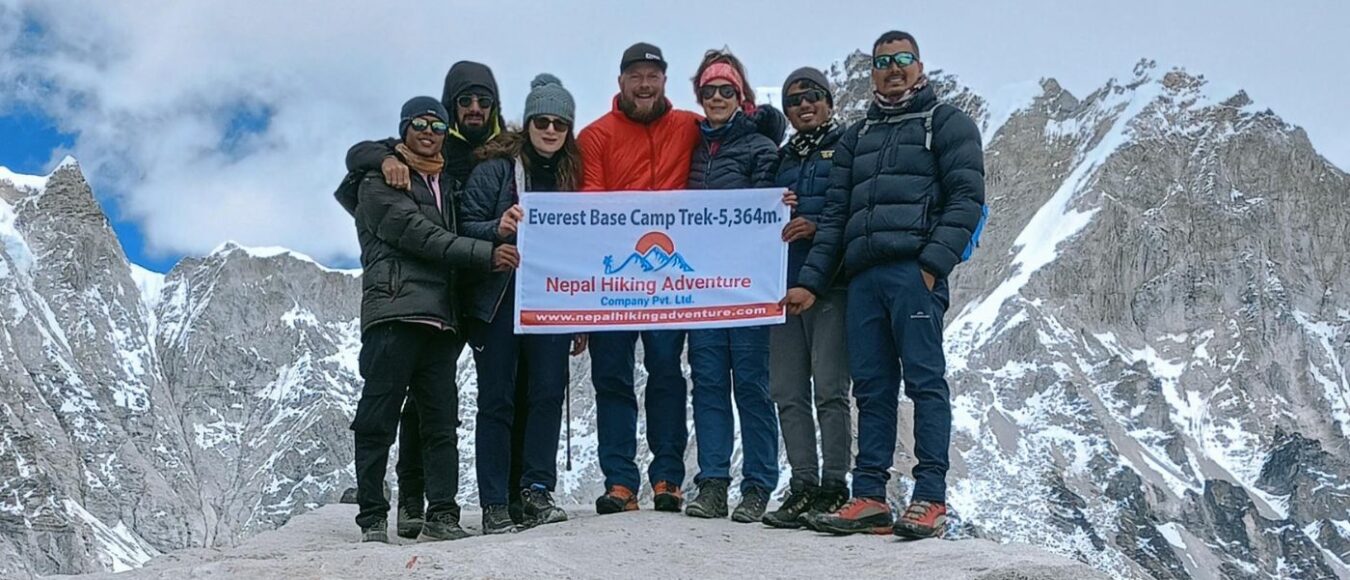
Everest Base Camp Trek in December
Summary: Everest Base Camp Trek in December runs 12-15 days, reaching 5,364 m at Base Camp (5,545 m at Kala Patthar). Temperatures range from -5°C to 5°C daytime, dropping to -25°C overnight at Base Camp. Moderate to challenging, it suits experienced trekkers, photographers and solitude-seekers rather than first-timers or those needing fixed schedules. Crowds are minimal; teahouses stay open but thin out above Dingboche. Key risks include Lukla flight delays, frostbite and icy trails. Essential gear: -15°C sleeping bag, down jacket, microspikes. Cost: 1,200-3,000+.
Understanding Everest Base Camp Trek in December
Trekking in Nepal offers countless Himalayan experiences, yet few destinations match the global magnetism of the Everest region. This corner of the Khumbu holds Mount Everest, the planet’s highest peak, alongside towering neighbours like Lhotse, Nuptse, and Ama Dablam. Consequently, millions dream of standing at Everest Base Camp, where mountaineering history continues to unfold beneath glacial walls and prayer flags snapping in thin air. An Everest Base Camp trek in December provides a unique chance to experience this landscape with fewer crowds and crisp winter skies.
The Everest region sits in northeastern Nepal, anchored within Sagarmatha National Park. Sherpa villages dot the valleys, Buddhist monasteries cling to ridges, and ancient trek routes weave through rhododendron forests and alpine meadows. Furthermore, this landscape supports a thriving teahouse network, making it an ideal destination for a trek in the Everest region while still allowing access to Everest Base Camp without heavy expedition logistics.
This guide from Nepal Everest Base Camp Co. addresses the Everest Base Camp trek in December, examining weather in December, winter conditions, trek costs, itinerary details, and practical advice. Whether you’re drawn by solitude, Everest view photography, or the challenging trek demands, you’ll find the insights needed to decide if December is the best time to trek for your goals and experience level.
At a Glance: Everest Base Camp Trek in December
Quick Facts
- December is the winter season in the Himalayas, bringing extreme cold and clear skies.
- Daytime temperatures range from 5°C to -5°C at lower elevations, dropping to -20°C or lower at base camp in winter.
- Additionally, December is a cold month with minimal precipitation, resulting in dry trails and stunning mountain visibility.
- Fewer trekkers mean quieter trails, though winter trekking requires careful preparation.
Best Reasons to Trek in December
- Fewer crowds: Peak season congestion disappears, offering serene mountain experiences.
- Crystal-clear views: Winter weather delivers exceptional Everest and surrounding peak visibility.
- Cultural immersion: Lower tourist numbers allow deeper connections with Sherpa communities.
- Photography opportunities: Sharp light and snow-draped landscapes create dramatic imagery.
Who Should Avoid It
- Beginners lacking high-altitude or winter trek experience.
- Trekkers uncomfortable with extreme cold or limited teahouse amenities.
- Those requiring flexible schedules, as bad weather can disrupt Lukla flights.
- Individuals unable to invest in proper winter gear for temperatures below -20°C.
| Aspect | Details |
| Duration | 12–15 days (round trip from kathmandu) |
| Maximum Altitude | 5,364 m (17,598 ft) at Everest Base Camp or 5,545 m at Kalapatther |
| Distance | Approx. 130 km (80 miles) total |
| EBC Trek Difficulty | Moderate to challenging, high-altitude exposure |
| Best For | Experienced trekkers, photographers, solitude seekers |
| Teahouse Availability | Limited; many lodges open in December but reduced services |
Weather and Climate in December
Weather conditions during December in the Everest region define the entire trekking experience. Understanding temperature patterns, precipitation risks, and daylight hours helps you prepare effectively for trekking in December.
Temperature Trends Along the Route
| Location | Daytime (°C) | Nighttime (°C) | Altitude (m) |
| Lukla | 5 to 10 | -5 to 0 | 2,860 |
| Namche Bazaar | 0 to 5 | -10 to -5 | 3,440 |
| Tengboche | -2 to 3 | -12 to -8 | 3,867 |
| Dingboche | -5 to 0 | -15 to -10 | 4,410 |
| Gorak Shep | -10 to -5 | -20 to -15 | 5,164 |
| Everest Base Camp | -10 to -5 | -25 to -20 | 5,364 |

Day vs Night Conditions
- Daytime: Sunlight warms exposed slopes, making trekking comfortable with proper layering. Nevertheless, wind chill at altitude can drop perceived temperatures significantly.
- Nighttime: Temperatures plummet after sunset, especially above Namche. Teahouse heating is minimal, requiring a quality sleeping bag rated to -15°C or lower.
- Short daylight hours: Sunrise arrives around 7:00 AM, and sunset is near 5:00 PM, limiting trekking windows.
Precipitation and Snowfall Risks
- December is completely dry compared to monsoon months, though occasional snowfall occurs above 4,000 m.
- Above Dingboche, trails can be slippery from fresh snow or icy with little snow, depending on weather conditions.
- Moreover, bad weather events are rare but can ground Lukla flights for days.
Clear Skies and Mountain Views
- Winter in the Everest region offers unparalleled visibility, with Everest, Lhotse, and Ama Dablam sharply defined against cobalt skies.
- The morning Everest view from Kala Patthar rivals any time of the year for photographic clarity.
- Consequently, trekking to EBC in December rewards trekkers with panoramas rarely matched during cloudier seasons.
Impact on Trekking Conditions
- Frozen water sources require careful hydration planning.
- Icy trails demand microspikes or crampons, especially early mornings.
- Similarly, winter conditions test physical endurance, making acclimatization even more critical.


Why Trek EBC in December
December is considered off-season, yet specific advantages make it ideal for certain trekkers. If you value solitude, photographic quality, and cultural depth over comfort, trekking in December delivers unique rewards.
Fewer Crowds and Quieter Trails
- Peak season (spring and autumn) brings hundreds of trekkers daily, creating bottlenecks at Namche Bazaar and Gorak Shep.
- In contrast, EBC in December sees perhaps a dozen trekkers per day above Tengboche.
- Therefore, you’ll enjoy uninterrupted mountain views, relaxed teahouse atmospheres, and easier interactions with Sherpa guides and porters.
Crisp Mountain Visibility and Scenery
- Winter weather eliminates monsoon clouds and autumn haze, revealing razor-sharp ridgelines.
- Everest Base Camp in winter sits beneath glistening icefalls, framed by Khumbu Glacier’s deep blues.
- Additionally, sunrise over the Himalayas from Kala Patthar becomes a winter wonderland of alpenglow and frozen silence.
Cultural and Seasonal Experience
- Fewer tourists allow authentic engagement with Sherpa families operating teahouses.
- December might coincide with local festivals or quieter monastery visits at Tengboche.
- Furthermore, witnessing winter in the Himalayas connects you to the region’s rawest, most elemental character.
Off-Season Benefits and Trade-Offs
- Teahouse owners appreciate winter trek visitors, often providing personalised service.
- However, reduced lodge operations mean limited menu choices and colder rooms.
- Likewise, December Everest Base Camp trek logistics require flexibility, as Lukla flights face higher cancellation risks than in shoulder seasons.
Challenges of Trekking to Everest Base Camp in December
Challenges of trekking to Everest during winter month conditions demand respect and preparation. While rewarding, trekking in December presents obstacles that can derail unprepared trekkers.
Extreme Cold
- Temperatures at Everest Base Camp during winter drop to -25°C or below.
- Cold winter air at high altitude increases frostbite risk for exposed skin.
- Moreover, proper winter gear becomes non-negotiable, including insulated gloves, thermal layers, and expedition-grade down jackets.
Short Daylight Hours
- Reduced daylight forces early starts and a swift trekking pace.
- Trekkers must reach lodges by mid-afternoon to avoid navigating icy trails in darkness.
- Additionally, limited sunlight means less warmth, extending the day of the trek in cold conditions.
Icy and Snowy Trails
- Frozen trails above 4,000 m require microspikes or crampons for safety.
- Fresh snowfall can obscure trail markers, making hiring an experienced guide essential.
- Similarly, steep descents like those from Kala Patthar become hazardous without proper footwear.
Logistics (Lukla Flights, Accommodation)
- Lukla airport faces frequent fog and wind delays during the winter season.
- Booking a buffer day before international flights protects against stranded scenarios.
- Furthermore, teahouse availability shrinks, as some lodges close completely in late December.
Risks at Higher Altitudes
- Altitude sickness strikes harder when cold stress compounds hypoxia.
- Dehydration accelerates in dry winter weather, yet drinking cold water becomes unpleasant.
- Therefore, acclimatization schedules and experienced guide is highly recommended to monitor symptoms and adjust pace.

Is December the Right Time for You?
December is ideal for specific trekker profiles. Assess your interests, fitness, and risk tolerance before committing to an Everest trek during December.
Interests (Photography, Solitude, Adventure)
- Photography enthusiasts: December is one of the best months for sharp, dramatic imagery.
- Solitude seekers: If crowds drain your energy, winter is the best time to experience the Everest Base Camp trail peacefully.
- Adventure purists: Winter trekking requires resilience, offering authentic Himalayan immersion beyond comfort-zone tourism.
Fitness and Trekking Experience Considerations
- Previous high-altitude experience: Everest Base Camp requires strong cardiovascular fitness and prior trek experience above 4,000 m.
- Cold tolerance: If you struggle with extreme cold, a base camp trek in winter will test your limits daily.
- Flexibility: December might disrupt plans due to flight delays, requiring patience and adaptable schedules.
| Profile | Suitable for December? |
| First-time Himalayan trekker | Generally not recommended |
| Experienced trekker with winter trek history with guide | Yes, with proper winter gear |
| Photographer prioritizing clarity | Highly suitable |
| Budget traveler seeking lower costs | Somewhat, though winter gear costs offset savings |
| Trekker needing guaranteed schedule | Risky, due to Lukla flight variability |
Everest Base Camp Trek Itinerary (December)
A well-structured itinerary balances distance, acclimatization, and winter conditions. Most treks to Mount Everest Base Camp journeys span 12–15 days, though variations exist for short trek options or extended Gokyo Lakes trek combinations.
Standard 12- to 15-Day Itinerary
| Day | Route | Altitude Gain (m) | Duration (hrs) | Notes |
| 1 | Fly Kathmandu → Lukla; trek to Phakding | +200m | 3–4 | Gradual warm-up |
| 2 | Phakding → Namche Bazaar | +690m | 6–7 | Steep climb, first acclimatization day prep |
| 3 | Namche Bazaar rest day | 0m | — | Hike to Everest View Hotel |
| 4 | Namche → Tengboche | +427m | 5–6 | Monastery visit, stunning panoramas |
| 5 | Tengboche → Dingboche | +543m | 5–6 | Enter alpine zone |
| 6 | Dingboche rest day (acclimatization day) | 0m | — | Optional hike to Nagarjun Hill or Ama Dablam Base Camp |
| 7 | Dingboche → Lobuche | +535m | 5–6 | Rugged Everest Base Camp trail |
| 8 | Lobuche → Gorak Shep → Everest Base Camp → Gorak Shep | +489m | 7–8 | Summit base camp trek in December, return same day |
| 9 | Gorak Shep → Kala Patthar → Pheriche | -991m | 7–8 | Sunrise hike, descend for recovery |
| 10 | Pheriche → Namche Bazaar | -1,007m | 6–7 | Fast descent, celebrate at Namche |
| 11 | Namche → Lukla | -690m | 6–7 | Final trek day |
| 12 | Fly Lukla → Kathmandu | — | — | An extra day recommended for delays |
Acclimatization Days
- Day 3 (Namche): Hike to Everest View Hotel (3,880 m) for panoramic views; return to sleep lower.
- Day 6 (Dingboche): Climb Nagarjun Hill (5,100m) or explore Ama Dablam Base Camp routes.
- Additionally, adding an extra day in Pheriche or Dingboche reduces altitude sickness risk significantly.
Alternatives (Shorter Itinerary)
- 10-day express: Skip one acclimatization day (not recommended for December, which is a cold month of stress).
- Short trek via helicopter return from Gorak Shep (costly but time-efficient).
Variation Tips for Early vs Late December
- Early December: Trails are busier as autumn trekkers linger; teahouses are fully staffed.
- Late December: Quieter, colder; some lodges close after Christmas.
- Therefore, starting your trek before mid-December optimises lodge availability while maintaining winter season advantages.

Packing List for Winter EBC Trek
Gear for EBC trek during the winter season directly impacts safety and comfort. Winter trekking requires specialised equipment beyond standard trek gear, as proper winter preparation prevents frostbite, hypothermia, and equipment failure.
Essential Clothing
- Base layers: Merino wool or synthetic thermal tops and bottoms (2 sets)
- Insulation: Down jacket rated to -20°C, fleece mid-layer
- Outer shell: Waterproof, windproof jacket and pants
- Headwear: Insulated hat covering ears, balaclava or buff
- Handwear: Liner gloves plus insulated mittens (backups essential)
- Gaiters: Protect boots from snow infiltration on trek above Dingboche
Sleeping Gear
- Four-season sleeping bag: Rated to -15°C minimum (many teahouses provide blankets, but December is a cold month requiring personal warmth)
- Sleeping bag liner adds 5°C warmth
- Silk or fleece liner: Improves hygiene and thermal efficiency
- Moreover, renting quality sleeping bags in Kathmandu costs $1–2 per day, though winter gear rentals face high demand.
Footwear and Trekking Accessories
- Insulated trekking boots: Waterproof, rated for -20°C
- Microspikes or crampons: Mandatory above 4,000m for icy Everest Base Camp trail
- Trekking poles: Improve balance on frozen descents
- Camp shoes: Lightweight slides for teahouse use (floors freeze at night)
- Extra socks: Wool or synthetic (3–4 pairs), as wet socks accelerate frostbite
Electronics and Health Essentials
- Power bank: Cold drains batteries rapidly; keep devices warm
- Headlamp: With spare batteries (darkness arrives by 5 PM)
- Sunglasses: Category 4 UV protection for snow glare at altitude
- Sunscreen and lip balm: SPF 50+, reapply frequently
- First-aid kit: Include blister treatment, ibuprofen, altitude sickness medication (Diamox)
- Water purification: Tablets or filters (frozen pipes reduce safe water access)
Optional Extras for Comfort and Safety
- Hand warmers: Chemical packs for gloves and boots
- Face mask: Protects from wind chill during exposed ridges
- Thermos flask: Hot drinks remain crucial for hydration in cold winter
- Satellite communicator: Emergency backup where cell service fails

Permits and Documentation
Trekking in Nepal requires multiple permits, obtained in Kathmandu or at checkpoints. When visiting Everest Base Camp in the winter, preparation avoids delays.
Sagarmatha National Park Permit
- Cost: NPR 3,000 (~$25 USD) for foreigners
- Purpose: Entry to protected Khumbu region
- Validity: Entire trek duration
- Obtained at: Nepal Tourism Board, Kathmandu; or Monjo checkpoint en route to Everest Base Camp
Khumbu Rural Municipality Permit
- Cost: NPR 3,000 (~$25 USD)
- Purpose: Local government levy supporting Sherpa communities
- Obtained at: Same locations as Sagarmatha permit
TIMS Card Requirements
- TIMS (Trekkers’ Information Management System): Often waived for Everest Base Camp trek when trekking with registered agencies
- However, regulations shift, so confirm current requirements with your agency before starting your trek.
How and Where to Obtain Permits
- Nepal Tourism Board Office (Kathmandu): Bhrikutimandap; open Sunday–Friday, 10 AM–5 PM
- Trekking agency: Most handle permits as part of the package.
- Monjo checkpoint: Pay on arrival if permits not secured in Kathmandu (cash only; carry exact change)
- Additionally, bring 4 passport photos and passport copies for permit applications.
Accommodation and Food Options
Lodges infrastructure defines the Everest Base Camp trek experience. Although there are fewer amenities available in the Everest region in December, there are still enough lodges open to accommodate hikers.
Lodge and Teahouse Availability in December
- Lower elevations (Lukla to Namche): Nearly all teahouses operate year-round.
- Mid-elevations (Tengboche to Dingboche): 60–70% remain open, though some close in late December.
- High elevations (Lobuche, Gorak Shep): Limited options; book ahead or arrive early.
- Therefore, flexibility helps, as lodge closures can force longer trekking days.
Heating, Food Availability, and Menu Expectations
- Heating: Common rooms feature wood or yak-dung stoves (warmth costs extra, typically NPR 300–500).
- Bedrooms: Unheated; your sleeping bag provides all warmth.
- Food: Dal bhat (rice and lentils), noodles, and soups dominate menus. Fresh vegetables are scarce above Namche, as winter conditions halt resupply.
- Hot drinks: Tea, coffee, and hot lemon cost NPR 150–300 and are crucial for hydration.
- Moreover, alcohol amplifies altitude sickness, so avoid beer despite the teahouse. availability.
Booking Tips (Early Reserves for Higher Elevations)
- Namche Bazaar and below: Walk-ins work, though December sees fewer spontaneous trekkers.
- Above Dingboche: Contact lodges via phone or have your experienced guide arrange beds in advance.
- Gorak Shep: Only 4–5 lodges operate in the winter season; arriving after 3 PM risks no vacancy.
- Consequently, trekking with an experienced guide simplifies logistics and secures reliable accommodation.

Costs and Budgeting
Several areas of expenses are involved in the planning of an Everest Base Camp trek. Winter season reduces some costs (fewer tourists = negotiable rates), yet winter gear and contingency budgets offset savings.
Permits, Teahouses, Meals
| Category | Cost (USD) | Notes |
| Sagarmatha Park Permit | $23 | Single entry fee |
| Khumbu Municipality Permit | $23 | Single Entry fee |
| TIMS Card | $23 | Agency-dependent |
| Lodge bed per night | $15-200 | Higher at altitude |
| Meals per day | $30-100 | Dal bhat is the cheapest; Western food pricier |
| Hot shower | $5-10 | Often unavailable above Dingboche in winter months |
| WiFi/charging | $10-15 per device | Unreliable at high altitude |
Flights to Lukla
- Round-trip Kathmandu–Lukla: $520 USD (foreigners)
- However, bad weather delays can force expensive helicopter evacuations ($4,500+), making flexible tickets valuable.

Guide and Porter Costs
- Licensed guide: $25–35 per day (essential for winter trek safety)
- Porter: $25-30 per day (carries 25 kg)
- Hiring an experienced guide with winter in the Himalayas expertise prevents route errors and manages altitude emergencies.
- Moreover, tipping 10–15% of total expenses is customary at trek completion.
Gear Rental/Purchase
Essential trekking gear includes:
- Sleeping bag rental: $2-3 per day
- Down jacket rental: $2 per day
- Trekking poles: $1 per day
- Microspikes: $10–15 purchase (rental rare)
- Buying proper winter gear in Kathmandu’s Thamel district offers competitive prices, though quality varies.
Unexpected Winter Expenses
- Heated rooms: NPR 500–1,000 per night (rare above Dingboche)
- Extra layers: If initial packing proves insufficient
- Emergency evacuation insurance: Helicopter rescue coverage essential (altitude sickness or injury)
- Buffer day costs in Kathmandu if Lukla flights delay return
Suggested Daily Budget
- Budget trekker: $50-70 (basic meals, no luxuries, shared porter)
- Mid-range trekker: $70-100 (private guide, hot showers when available, varied meals)
- Comfort trekker: $100-200 (private guide/porter, premium lodges where possible, flexibility fund)
- Additionally, carry $500–700 USD in cash (Nepali rupees), as ATMs stop at Namche Bazaar and card payments are unavailable higher up.
Safety and Emergency Preparation
Everest Base Camp requires serious safety planning. Winter in the Everest region amplifies risks, making preparation and contingencies non-negotiable for successful trek outcomes.
Altitude Sickness Awareness
- Symptoms: Headache, nausea, dizziness, fatigue, insomnia
- Prevention: Ascend slowly (“climb high, sleep low”), hydrate constantly, rest on acclimatization days
- Treatment: Descend immediately if symptoms worsen; Diamox helps mild cases
- Moreover, altitude sickness strikes unpredictably, unrelated to fitness. Even elite athletes suffer at high altitude.
Weather-Related Precautions
- Frostbite risk: Monitor extremities hourly; cover all exposed skin above 4,500 m.
- Hypothermia prevention: Stay dry, change wet layers immediately, consume warm calories frequently
- Avalanche awareness: While rare on standard Everest Base Camp trail, fresh snow increases danger on slopes near Lobuche
- Consequently, an experienced guide is highly recommended to assess weather conditions and adjust daily plans.
Communication and Rescue Options
- Cell service: Ncell and Nepal Telecom work up to Namche, sporadic higher
- Satellite phones: Guides carry these; ensure yours does for solo trekking
- Helicopter evacuation: Costs $4,000–7,000; requires travel insurance with altitude coverage to 6,000m
- Additionally, register with your embassy before departing Kathmandu.
Travel Insurance Guidelines
- Minimum coverage: $100,000 medical, including helicopter rescue from 6,000m
- Recommended providers: World Nomads, Global Rescue, CEGA (verify Everest Base Camp coverage specifics)
- Policy must cover: Trekking, winter conditions, emergency evacuation, trip cancellation (for bad weather delays)
- Therefore, read policies thoroughly, as some exclude “mountaineering” and deny trek claims.

Tips for a Successful December Trek
Make your trek safer and more enjoyable by following practical strategies honed by thousands of Everest Base Camp in December veterans.
Starting Early Each Day
- Begin trekking by 7:00–7:30 AM to maximise daylight warmth.
- Early starts allow arrival at lodges by 2:00–3:00 PM, securing beds and avoiding frozen trails.
- Moreover, morning light offers superior photography conditions on Everest and surrounding peaks.
Staying Hydrated in Cold Weather
- Drink 3–4 litres daily, despite reduced thirst in cold winter air.
- Carry water in insulated bottles; add hot water at teahouses to prevent freezing.
- Dehydration worsens altitude sickness, so force fluids even when uncomfortable.
Training and Physical Prep
- Cardio base: Run or cycle 4–5 times weekly for 8–12 weeks pre-trek.
- Hiking with weight: Practise with an 8–10 kg pack on steep terrain.
- Stair climbing: Mimics uphill trek endurance demands.
- Additionally, visit the Everest requires mental resilience for discomfort; cultivate patience and positivity.
Adjusting Pace and Rest
- Trek slowly and steadily; speed increases altitude stress.
- Rest 5 minutes every 45–60 minutes of uphill climbing.
- Listen to your body; fatigue signals a need for rest, not weakness.
- Therefore, prioritize acclimatization over schedule adherence for successful trek completion.

Everest Base Camp Trek in December: Final Thoughts
The Everest region remains the planet’s most iconic trekking theatre, where geology, culture, and human ambition converge beneath the world’s highest summit. Everest Base Camp via the Khumbu Valley exposes trekkers to glacial moraines, Sherpa spirituality, and the raw power of mountains that shape global imagination. Consequently, visiting the Everest Base Camp transcends physical achievement, becoming a pilgrimage into landscapes where Earth meets sky.
December is the best month for trekkers valuing clarity, solitude, and challenge over comfort. Trekking to EBC in December demands preparation, respect for winter conditions, and acceptance of logistical uncertainties, yet rewards patient adventurers with experiences impossible during crowded spring and autumn rushes. Additionally, the Everest region in December becomes a winter wonderland of silent trails, crystalline peaks, and authentic cultural exchanges that crowded seasons dilute.
Ultimately, whether December is ideal depends on your priorities. If you seek Instagram-ready panoramas without crowds, possess winter trek experience, and embrace unpredictability, planning an Everest Base Camp journey in the winter season will deliver memories beyond any brochure description. For those uncertain, consider the Gokyo Lakes trek, the Everest three passes routes, or a high passes trek variation extending your Himalayan immersion, as these alternatives offer diversity in the Everest region while respecting your comfort and skill level.
Ready to experience the Everest Base Camp trek in December? Contact Nepal Everest Base Camp Co. for expert guidance, customised itineraries, and local Sherpa expertise that transforms challenging treks into successful Himalayan adventures. Book your winter trek today and discover why the season for the Everest off-peak months creates the most memorable journeys.

Everest Base Camp Trek in December: FAQs
Can beginners trek to Everest Base Camp in December?
December is generally not recommended for first-time high-altitude trekkers due to extreme cold and limited margin for error. However, fit beginners with a strong, experienced guide, proper winter gear, and flexible schedules can succeed if they prioritize acclimatization and accept slower pace requirements than experienced trekkers maintain.
How cold does it get at base camp during December?
Temperatures at Everest Base Camp during winter range from -10°C to -5°C during midday, plummeting to -20°C to -25°C overnight. Wind chill drops perceived temperatures further, making proper winter gear, including insulated jackets, mittens, and expedition-rated sleeping bags, absolutely essential to prevent frostbite and hypothermia.
Are teahouses open along the route in December?
Most teahouses from Lukla to Dingboche remain open in December, though services reduce as the winter season progresses. Above Dingboche, only select lodges operate, particularly in Gorak Shep, where 4–5 options exist. Therefore, booking ahead or hiring an experienced guide ensures accommodation availability, as spontaneous walk-ins risk finding lodges closed.
How reliable are Lukla flights in winter?
Lukla flights face higher cancellation rates during winter month periods due to fog, wind, and low visibility. Delays of 1–3 days occur frequently, so always include a buffer day in Kathmandu before international connections. Alternatively, helicopter charters ($500–700 per person) bypass weather restrictions but add significant expense to trip to Everest Base Camp budgets.
What gear is absolutely essential for winter trekking?
Essential gear for the EBC trek in winter conditions includes a four-season sleeping bag (-15°C minimum), insulated boots, a down jacket, microspikes for ice, thermal layers, mittens with liners, and windproof outer shells. Additionally, carry sunglasses with Category 4 UV protection, a headlamp with spare batteries, and high-SPF sunscreen, as December is one of the coldest yet sunniest months at altitude.


Our History in Service Excellence


