
Best Time to Visit Bhutan
Summary: Best time to visit Bhutan is spring (March-May) or autumn (September-November), when clear skies, comfortable temperatures and active tsechu festivals align. October leads for first-timers, offering peak visibility, dry trekking trails and open passes. Winter suits budget-conscious, crowd-averse travellers, while monsoon months bring heavy rain and limited access. Timing should match purpose: festivals, trekking, photography or birdwatching in Phobjikha Valley.
Best Time to Visit Bhutan: A Season-by-Season Guide
The best time to visit Bhutan is spring, from March to May, or autumn, from September to November. Both seasons bring clear skies, steady mountain views, and comfortable daytime temperatures across Paro and Thimphu. If your trip depends on Bhutan weather cooperating for photography or trekking, these two windows give you the strongest odds.
The right timing still depends on what you came for. A traveller chasing a tshechu festival cares about a different calendar than one planning a high-altitude Bhutan trekking route, and someone watching their budget will weigh the quieter shoulder season differently than a first-time visitor who wants guaranteed clear views. Bhutan climate shifts sharply by elevation and region, so a date that works well in the Paro valley may bring rain or snow higher up.
By the end, you will know which weeks suit your itinerary best, and why. This Bhutan climate guide is written for international travellers planning a trip to Bhutan who need accurate, grounded information, not vague seasonal summaries. The guide is prepared by Nepal Hiking Adventure, based on real travel patterns and on-the-ground experience. Start with the seasonal overviews. Then move straight to the month-by-month Bhutan weather and purpose-based travel sections. Taken together, those sections give you the clearest answer for your specific travel plans.


Understanding Bhutan’s Climate and Geography
The climate in Bhutan is shaped almost entirely by altitude and geography. Bhutan has four distinct climatic zones, each behaving differently across the same calendar month.
How Altitude and Valleys Shape Weather Patterns
Southern lowlands (below 1,500 m): Hot and humid, with heavy rainfall in summer. Central valley floors (1,500–2,500 m): Temperate year-round, mild winters. High Himalayan passes (3,000 m+): Snowbound from December to February, short trekking windows. The Paro and Thimphu valleys sit at a comfortable middle altitude, making them accessible in most seasons.
Regional Climate Differences Travellers Should Know
| Region | Altitude | Best Season | Keynote |
| Western Bhutan (Paro, Thimphu) | 2,200–2,600 m | Spring & Autumn | Most popular, stable weather |
| Central Bhutan (Trongsa, Bumthang) | 2,600–3,000 m | Autumn | Cooler, quieter, scenic valleys |
| Eastern Bhutan (Trashigang) | 1,100–1,800 m | Oct–Dec | Warmer winters, remote access |
| Southern Foothills | Below 500 m | Winter | Mild Dec–Feb, humid summer |

Bhutan Seasons Explained,
Spring (March to May): Weather, Visibility, and Travel Conditions
Spring is one of the best times to go to Bhutan for colour and culture. From March to May, rhododendron forests across the hillsides burst into bloom, and the sky stays largely clear.
Temperatures reach 10–20°C in the valleys and are cooler at higher elevations. Visibility is good to excellent, particularly in Paro and Thimphu. Trekking trails open progressively through April and May. Festivals such as Paro Tsechu fall in March or April and are one of the most attended festivals in the country. This season for tourism brings vibrant energy to the valleys.
Summer and Monsoon (June to August): Rainfall, Greenery, and Travel Limits
The monsoon season runs from June to August. Rainfall is heavy in most parts of Bhutan, and roads can become unreliable. Summer in Bhutan is green and atmospheric. However, trekking routes are largely inaccessible.
Humidity is high in the lower valleys. Mountain views are frequently obscured. Leeches are active on forest trails. Bhutan during summer is best suited to cultural tours in the Thimphu and Paro town areas. The lush landscapes appeal to some travellers seeking quieter experiences.
Autumn (September to November): Clear Skies and Peak Travel Period
Autumn is widely regarded as offering the best weather of the year for travellers. From September to November, clear skies prevail across the valleys, mountain views are sharp, and the festival calendar is at its most active.
Temperatures range from 10 to 18°C in Paro and Thimphu. Visibility is at its best during October and early November. Thimphu Tsechu and Punakha festivals fall within this window. Trek conditions are excellent across most Himalayan routes. This period represents the right time to visit for many.
Winter (December to February): Cold, Crowds, and Value
Winter in Bhutan is quieter and colder. December to February brings frost to the higher valleys, though western Bhutan remains accessible. Visitor numbers drop, and tour costs are generally lower.
Phobjikha Valley becomes home to the black-necked crane from late October through February. Snow can close high passes for trekking. Bhutan in December and January offers a peaceful, uncrowded experience. Bhutan in February brings early signs of spring to the southern valleys. This season suits those who prefer solitude.
Best Time for a Bhutan Tour Overall
Why Spring and Autumn Are Considered Ideal
Both seasons offer the best balance of weather, visibility, and cultural activity. Spring and autumn together represent the two primary windows when most itineraries, including trekking and festival tours, align well.
Key Trade-offs Between Peak and Shoulder Seasons
| Season | Weather | Crowds | Cost | Best For |
| Spring (Mar–May) | Good, warming | High in April | Medium–High | Festivals, rhododendron treks |
| Monsoon (Jun–Aug) | Wet, humid | Low | Lower | Cultural tours, green landscapes |
| Autumn (Sep–Nov) | Excellent | Peak in Oct | High | Trekking, mountain views, festivals |
| Winter (Dec–Feb) | Cold, clear | Low | Lower | Budget travel, birdwatching |

Choosing the Right Season Based on Travel Priorities
If this is your first Bhutan tour, October is hard to beat. If you want to visit for a major festival specifically, you will need to plan around the lunar calendar, which shifts dates each year. Different priorities lead to different travel styles.
Best Places to Visit in Bhutan
Bhutan’s most rewarding destinations each suit a particular season, so matching location to timing is part of planning well.
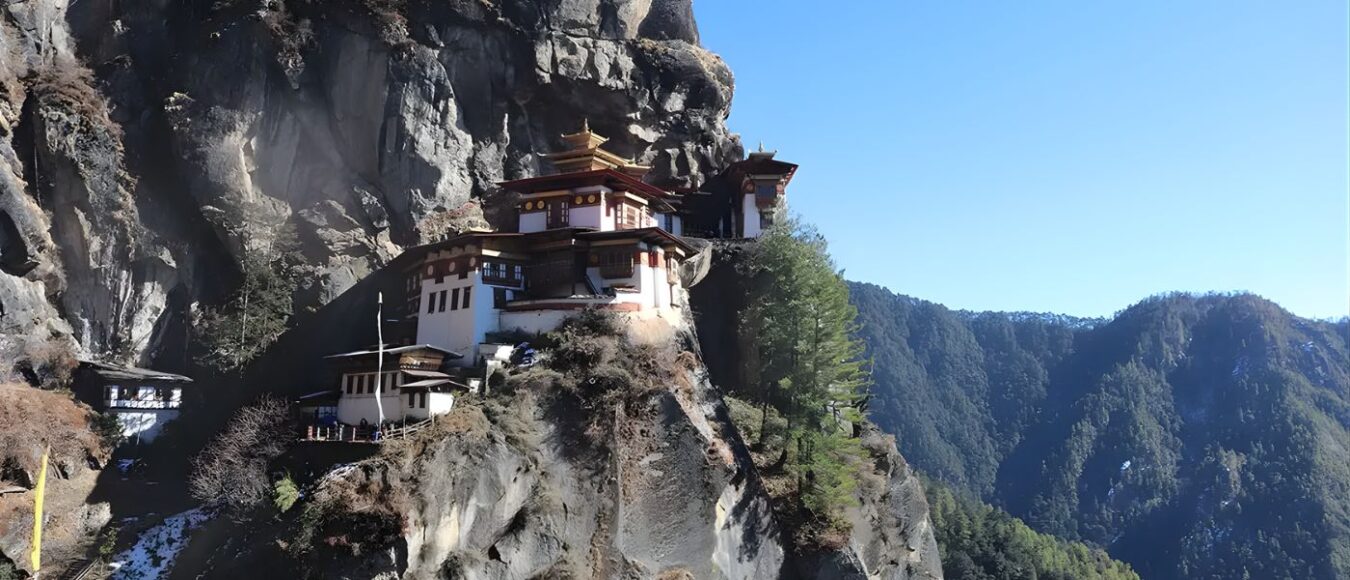
Paro is the most visited valley in the country and home to the famous Tiger’s Nest Monastery (Paro Taktsang), the national museum, and the only international airport. It is accessible year-round but reaches its peak in spring during the Paro Tsechu.
Thimphu, the capital, holds the Tashichho Dzong, the National Memorial Chorten, and the Buddha Dordenma statue. Autumn is the best season to be here, coinciding with the Thimphu Tsechu in September or October.
Punakha sits at a lower altitude than most of western Bhutan, making it warm even in winter. The Punakha Dzong, set at the confluence of two rivers, is one of the most photogenic structures in the Himalayas. The Punakha Drubchen festival in February or March is its cultural highlight.
Bumthang, in central Bhutan, is a quieter valley of temples and farmland, considered the spiritual heartland of the country. Autumn is the best time to visit, when the Jambay Lhakhang Drup and Bumthang Tsechu take place in October and November.
Phobjikha Valley is a glacial basin in the Black Mountains and the winter habitat of the endangered black-necked crane. The best time to visit is from late October through February, when the cranes are present.
Haa Valley, one of the least-visited regions in western Bhutan, offers remote landscapes, traditional farmhouses, and the Haa Summer Festival in July. Despite the monsoon timing, the festival itself draws a growing number of visitors.
Month-by-Month Bhutan Travel Guide
January and February: Cold Weather and Quiet Travel
Bhutan in January is the coldest month, with frost settling in higher valleys. It is a rewarding time for cultural visits, and the Phobjikha Valley crane season is still active. Bhutan in February is also a good time, as temperatures begin to lift slightly in the southern valleys, and crowds remain low. This period offers excellent value for time to explore.
March and April: Bloom Season and Cultural Tours
Bhutan in March marks the start of spring in the valleys. Rhododendron trees begin flowering in the foothills, and the Paro Tsechu draws large crowds from overseas. Bhutan in April is one of the best times for trekking and sightseeing combined, with moderate temperatures and stable skies. These months allow visitors to explore the best natural displays.
May: Pre-Monsoon Conditions
Bhutan in May sits at the edge of the pre-monsoon period. Rain becomes more frequent toward the end of the month, but early May is still an excellent time for a trek in the alpine zones. Visiting Bhutan at this point offers good flower coverage and quieter trails than April.
June to August: Monsoon Realities and Landscape Benefits
The monsoon season dominates these months. Bhutan in June sees the first heavy rains, making this period best avoided for outdoor trekking. Bhutan in July and Bhutan in August are lush and atmospheric for photography of landscapes and dzongs, but rainfall significantly limits travel options.
September and October: Prime Touring Months
Bhutan in September marks the end of the monsoon. The sky clears steadily from mid-month, and conditions improve rapidly. Visit Bhutan in October for the best time of the year. Bhutan in October is considered peak season for a reason: mountain views are sharp, festivals are active, and the valley floors are lush but dry. October often stands as the top choice for time to travel.
November and December: Clear Skies and Winter Onset
Bhutan in November is one of the best months for photography and long treks at altitude. October to December is when black-necked crane migration begins in the Phobjikha Valley. Bhutan in December brings cold nights and quiet trails, with some high passes beginning to snow over.
Best Time for a Bhutan Tour by Travel Purpose
- Best Time for Sightseeing and Cultural Tours
The time for cultural visits is almost any season outside the peak monsoon months. Spring and autumn both work well for travelling to Bhutan with cultural priorities, as dzongs, monasteries, and towns remain fully accessible.
- Best Time for Trekking and Hiking
The time for trekking in Bhutan runs from late March through May and again from September through November. Trekking in Bhutan requires permits and advance planning, so the ideal time to visit Bhutan for a major trek is October, when trails are dry and altitude sickness risk is lower due to acclimatisation-friendly temperatures.
- Best Time for Photography and Mountain Views
For photography, the sky in October and November is the clearest of any period in the year. The Himalayan peaks above Paro and the Punakha valley are best framed in the post-monsoon air.
- Best Time for Festivals and Local Experiences
The festival calendar in Bhutan is determined by the lunar calendar, so dates shift each year. May and September can also carry festival events in some years. The most well-attended festival periods fall in spring (Paro Tsechu) and autumn (Thimphu and Punakha Tsechus).
- Best Time for Nature and Birdwatching
The Phobjikha Valley is the primary draw for nature travellers. The black-necked crane arrives here from late October and stays through February, making this window ideal for trekking and birding tours combined. Rhododendron season in April is also exceptional for bird activity across the broadleaf forests.
Bhutan Festivals and Travel Timing
Understanding Tsechus and Religious Festivals
A Tsechu is a festival held in honour of Guru Rinpoche and tied to the lunar calendar. Each district holds its own Tsechu, meaning the festival season is spread across the year, not confined to a single month.
Major Festivals by Season
| Festival | Location | Season | Approx. Timing |
| Paro Tsechu | Paro | Spring | March or April |
| Thimphu Tsechu | Thimphu | Autumn | September or October |
| Punakha Drubchen | Punakha | Spring | February or March |
| Bumthang Tsechu | Central Bhutan | Autumn | October or November |
| Jambay Lhakhang Drup | Bumthang | Autumn | October or November |
How Festival Dates Affect Accommodation and Permits
During major festival periods, particularly the Paro and Thimphu Tsechus, accommodation books out weeks or months in advance. Visiting Bhutan during a festival window means building your itinerary around fixed dates rather than adjusting them later.
Costs, Crowds, and Availability by Season
Peak Season Demand and Pricing Trends
Bhutan’s Sustainable Development Fee (SDF) applies year-round at $100 per person per night (current rate until at least August 2027), but tourism operators typically charge higher rates during the October–November peak season due to high demand. The best times to visit for budget travellers are therefore outside the autumn window, particularly winter.
Shoulder and Off-Season Travel Advantages
Lower daily rates from licensed operators in June to August. More flexible itinerary options with reduced group pressure. Quieter dzong and monastery visits. The same permit requirements apply regardless of season.
Booking Timelines and Planning Windows
For peak festival periods, book at least three to six months in advance. The weather by month in Bhutan is fairly predictable, so planning timelines is reliable. Off-season trips can sometimes be arranged within a few weeks.
Weather, Packing, and Practical Travel Advice
Seasonal Packing Essentials
| Season | Clothing | Key Gear |
| Spring | Layers, light jacket, sun protection | Waterproof layer for afternoon rain |
| Monsoon | Light rain gear, breathable fabrics | Leech socks for forest walks |
| Autumn | Layered clothing, warm evenings | Trek poles if hiking, camera gear |
| Winter | Thermal layers, heavy jacket | Hand warmers, sturdy boots |
Rain, Cold, and Visibility Considerations
The weather conditions in the high valleys can change within hours, even in the best seasons. Clear skies at 7 a.m. in Paro can give way to cloud cover by noon. Always pack a light waterproof layer regardless of season.
Flight Reliability and Travel Buffers
Paro International Airport is known for weather-related delays. Build at least one buffer day into your departure plans when travelling to Bhutan by air. This is especially relevant during monsoon season and in winter when visibility can drop below landing thresholds.

Combining Bhutan with Regional Travel
Seasonal Conflicts with Tibet Itineraries
Tibet permits and border crossings operate on different timelines to Bhutan’s system. Spring is generally feasible for both, but Tibet roads can be restricted in winter. Confirm permit availability well in advance if combining both.
Planning Multi-Country Himalayan Tours
For multi-country Himalayan itineraries, build your dates around Bhutan’s festival schedule first, since Bhutan’s fixed SDF and licensed operator requirements make it the least flexible leg of any combined tour.
Best Time to Combine Bhutan with Nepal
The best time to visit Bhutan with Nepal lines up almost perfectly with Bhutan’s peak season. Both countries hit their stride in autumn, when skies are clear, trails are dry, and the air carries that particular sharpness that makes Himalayan landscapes worth the trip. A combined October itinerary through Nepal and Bhutan is one of the most popular routes in the region, and for good reason.
A 7 to 10 day combined tour is practical if you plan the sequence carefully. Most travellers fly into Kathmandu, spend three to four days covering the city, then catch a direct flight into Paro. A well-paced itinerary for this kind of trip looks something like this:
- Kathmandu, 2 to 3 days. Cover Pashupatinath Temple, Boudhanath Stupa, and the old city. Add a morning at Nagarkot if mountain views are a priority.
- Pokhara, 1 day (optional). Worth the detour for Annapurna range views and the lakeside setting, though it adds a domestic flight or a long drive.
- Paro and Thimphu, 2 to 3 days. The Tiger’s Nest Monastery hike anchors the Paro visit. Thimphu adds the Tashichho Dzong and the Buddha Dordenma in half a day.
- Punakha, 1 to 2 days. The Punakha Dzong at the river confluence is one of the most photographed structures in the Himalayas. The valley is warmer than Thimphu and genuinely worth the drive.
The October travel window works well because both countries are clear of their monsoon seasons, trekking routes are in good condition, and the Bhutan festival calendar is at its most active. If your dates fall in late September or early October, the Thimphu Tsechu may still be running, which adds a cultural layer that is hard to replicate at any other time of year.
One practical note: book your Bhutan tour first. The licensed operator requirement and Sustainable Development Fee make Bhutan the least flexible part of any multi-country Himalayan itinerary. Once those dates are confirmed, build the Nepal trip around them rather than the other way around.

Best Time to Visit Bhutan: Final Thoughts
The best time to visit Bhutan genuinely depends on what kind of experience you are after. Bhutan is a year-round destination in theory, but in practice, October and April stand above all other months for most travellers.
If you are visiting Bhutan for the first time, choose autumn for the clearest conditions and the richest festival and trekking options. If budget or flexibility is a priority, winter and late spring are both underrated.
Whatever month you choose, experience Bhutan on its own terms. No season is perfect, but every season offers something real if you plan with intent. Book early, prepare properly, and let your choices reflect your actual priorities, not generic advice. This approach helps you visit Bhutan for different purposes and genuinely appreciate its unique character. For grounded guidance and practical planning support, travel with Nepal Hiking Adventure. If you need clarity on timing, routes, or logistics, contact us and plan your Bhutan journey with confidence.

Best Time to Visit Bhutan: FAQs
Is There a Bad Time to Visit Bhutan?
Not exactly, but the monsoon months from June through August present the most practical challenges for outdoor travel and trekking. Road conditions, leeches, and reduced visibility make this period best avoided for those planning active itineraries, though cultural tours remain possible.
How Much Does Rain Affect Summer Travel?
Rainfall is heavy and consistent during the monsoon season, particularly in the central and western valleys. Most high-altitude trek routes are effectively closed, and some roads see regular landslides, so travel should be planned conservatively.
Which Months Are Best for First-Time Visitors?
October is widely considered the best month to visit Bhutan for a first trip, combining stable weather, active festivals, and open trekking routes. April is a strong second option, especially if visiting for the Paro Tsechu and the rhododendron bloom season.
Are Winter Tours Worth It?
Yes. Winter in Bhutan offers a quieter, more personal travel experience with lower tour costs and uncrowded monasteries and dzongs. The Phobjikha Valley crane season is a genuine draw from November through February, and the Bhutan experience in winter is distinctly different from peak season.
How Flexible Should Travel Dates Be?
For festival-focused trips, dates should be fixed around the lunar calendar well in advance, as festivals are non-negotiable anchors in the itinerary. For general sightseeing or trekking, a week of flexibility on either side of your ideal window gives you the best chance of ideal conditions in Bhutan.


Our History in Service Excellence


