
Best Time for Manaslu Circuit Trek
Summary: The best time for Manaslu Circuit trek is autumn (September-November), when clear skies and stable weather deliver reliable mountain views and safe passage over Larke La Pass. Spring (March-May) offers rhododendron blooms and quieter trails as a strong second option. Monsoon and deep winter months bring landslide risk, teahouse closures and dangerous snow conditions, making October the top month for neither weather nor photography.
Best Time for Manaslu Circuit Trek: When Should You Go?
The best time for Manaslu Circuit trek is autumn, from September to November, when skies stay clear and Mount Manaslu shows itself in full view. Spring, from March to May, runs a close second, with milder days and rhododendron forests in bloom. Both seasons give you the stable weather that a trek at this altitude actually needs.
Most trekkers aim for October or late March through April. However, the best time to trek Manaslu depends on what matters most to you. Some prioritise empty trails and lower crowds. Others need guaranteed clear skies for photography, which can be found in the best months for the Manaslu trek. Still others want to avoid snow risk entirely at Larke La Pass. The Manaslu Circuit depends heavily on seasonal timing for success.
This guide covers seasonal weather patterns, monthly conditions, crowd levels, and practical planning considerations, drawing on local insight from Nepal Hiking Adventure. As a result, you can identify the best time for the Manaslu Circuit trek in Nepal with clarity and confidence.
Quick Take: Best Time at a Glance
For most trekkers, autumn offers the best conditions overall. October is the best month for stable weather and clear visibility. This popular time brings reliable weather. Meanwhile, spring works well too, particularly for those who prefer quieter trails. Here’s what you need to know upfront about the best time to visit.
Best Months for Most Trekkers
- October – Peak season. Stable weather, clear skies, comfortable temperatures. The busiest month, but still quieter than the Everest or Annapurna routes.
- April – Second choice. Good visibility, warming temperatures, and blooming rhododendrons. Slightly less predictable weather than October.
- November – Colder mornings, but still clear. Fewer trekkers. Snow risk increases after mid-month at high altitudes.
- March – Early spring. Cold at altitude, but trails reopen. Variable weather in the first half of the month.
Ideal Months for Views
| Month | Visibility Rating | Notes |
| October | Excellent | Post-monsoon clarity. Crisp air. Minimal cloud cover. |
| November | Excellent | Cold but clear. Mountain views remain sharp until late in the month. |
| April | Very Good | Morning clarity is the best. Afternoon clouds are common but brief. |
| March | Good | Improving through the month. Early March can be hazy. |
Months to Avoid
- June to August – Monsoon season. Heavy rain, landslide risk, poor visibility. Most teahouses close above Samagaun.
- Mid December to Mid February – Deep winter. Fewer accommodations operate along the route. Crowds drop to a minimum. Group joining options are very limited. Larke La Pass is often impassable due to extreme cold.

Manaslu Circuit Trek Seasons Overview
The Manaslu Circuit trek experiences four distinct seasons. Each brings different weather patterns, trail conditions, and trekking experiences. Understanding these seasonal shifts helps you match your trek dates to your priorities.
Spring (March to May)
Spring represents one of the best seasons for the Manaslu Circuit trek. Temperatures gradually rise from March to May. This excellent time offers unique advantages. Furthermore, snow melts from lower elevations first, opening trails gradually. By late March, most teahouses between Soti Khola and Samagaun operate normally. However, Larke La Pass remains snow-covered until mid-March in heavier snow years.
Rhododendron forests bloom across the lower Manaslu region. The colour peaks between 2,000 and 3,000 metres. Additionally, weather stability improves through the season, though afternoon clouds and occasional rain showers increase by late May. Mornings typically stay clear for mountain views, including Manaslu Base Camp perspectives.
Crowds build gradually in this best season to trek. March sees few trekkers. April brings moderate numbers. May marks the shoulder period before the monsoon, so trekker numbers drop again. For those seeking a balance between good weather and quieter trails, early to mid-April works well.
Summer/Monsoon (June to August)
The monsoon transforms the Manaslu region. Heavy rain arrives in early June and continues through August. The Manaslu Circuit during the monsoon sees trail damage, river flooding, and frequent landslides. Most commercial trek operators avoid this period entirely. It’s not considered the best window for attempting this route.
Visibility drops significantly. Cloud cover persists for days. When breaks occur, views can be spectacular, but these moments are rare and unpredictable. Moreover, leeches appear below 3,000 metres. Trails become slippery and dangerous in places. River crossings swell and become hazardous. The question of whether it’s possible to trek the Manaslu during monsoon gets asked often, but conditions make it inadvisable.
Many teahouses close. Those that remain open offer limited services. Permits remain available, and the Manaslu restricted area permit process stays the same. But practical challenges make this season unsuitable for most trekkers. Only experienced mountaineers with flexible schedules attempt the circuit during monsoon months.
Autumn (September to November)
Autumn represents the best season for Manaslu. September marks the transition as monsoon rains taper off. By late September, the weather stabilises completely. October delivers the most reliable conditions of the year. November remains excellent until mid-month, when winter cold intensifies.
Post-monsoon air clarity provides the sharpest mountain views. Manaslu and surrounding peaks appear crisp and detailed. Daytime temperatures stay comfortable for trekking. Nights grow cold, particularly above 3,500 metres, but remain manageable with proper gear.
This period sees the highest trekker numbers. Yet the Manaslu Circuit trek remains far less crowded than Everest Base Camp trek or Annapurna Circuit trek. Accommodation availability peaks. All teahouses operate fully. Fresh food supplies arrive regularly. The trekking season for Manaslu reaches its height, creating a lively but not overwhelming trail atmosphere; trekkers can discover the best time for the Manaslu trek.
Winter (December to February)
Winter brings extreme conditions to the Manaslu Circuit trek. Snow accumulates heavily above 4,000 metres. By mid-December, Larke La Pass is accessible only to private groups, and solo trekkers cannot join scheduled group departures, making this period unsuitable for standard Manaslu Circuit trekking. Temperatures drop to minus 20°C or lower at high camps. Daytime highs at altitude rarely exceed freezing.
Most teahouses close for the season. Those that stay open cluster in lower villages like Soti Khola, Machha Khola, and sometimes Samagaun. Food options shrink. Heating costs rise. Trail maintenance stops, leaving routes buried under snow.
A few experienced winter trekkers attempt the Manaslu Circuit in winter each year. These groups require specialised equipment, extensive cold-weather experience, and flexible itineraries. For most trekkers, winter simply closes the route. The season for Manaslu effectively pauses until late February or early March.


Season by Season: Detailed Weather & Conditions
Weather patterns shift significantly across seasons in the Manaslu region. Understanding these changes helps you prepare properly and set realistic expectations for your trek.
Spring Weather & Trail Conditions
The Manaslu Circuit trek in spring starts cold in March. Morning temperatures at Samagaun hover around minus 5°C to minus 10°C. By April, this warms to minus 2°C to 5°C. May brings daytime warmth even at altitude, with Samagaun reaching 10°C to 15°C during peak sun hours.
Snow conditions at Larke La Pass improve through spring. Early March often requires breaking trail through deep snow. By late March, paths become more established. April sees the most stable crossing conditions, though snow remains present. May can bring fresh snowfall from pre-monsoon weather systems.
| Altitude Range | March Conditions | April Conditions | May Conditions |
| Below 2,000 m | Pleasant days, cold nights. Rhododendrons start blooming late in the month. | Warm and comfortable. Peak bloom period. Occasional afternoon showers. | Hot at midday. Pre-monsoon humidity. More frequent rain. |
| 2,000 m to 3,500 m | Cold mornings. Snow patches linger. Trails are mostly clear by the late month. | Comfortable trekking weather. Clear trails. Blooming vegetation. | Warm days, cool nights. Increasing cloud cover in the afternoons. |
| Above 3,500 m | Snow-covered. Extreme cold. Limited teahouse services early in the month. | Snow present but manageable. Cold but clear mornings. | Snow melting rapidly. Afternoon clouds common. Fresh snow possible. |
Trail conditions improve steadily. Lower sections dry out by mid-March. Higher elevations remain snow-affected until April. River crossings pose minimal risk in March and April, as snowmelt hasn’t peaked yet. By May, some streams swell significantly during afternoon hours.
Summer/Monsoon Weather Risks
The monsoon period from June to August makes the Manaslu Circuit trek particularly challenging. Rain arrives daily, often in heavy bursts. Lower elevations receive 300 to 500 millimetres per month. Higher areas see less precipitation, but when it does rain, it often falls as snow above 4,500 metres.
Landslides occur frequently along the Budhi Gandaki Valley. Trail sections wash away regularly. Temporary bridges suffer damage. The route between Soti Khola and Jagat faces the highest landslide risk. Local authorities work to maintain paths, but delays become common.
Leeches emerge in forested sections below 3,000 metres, but autumn is the best month to avoid them. They’re most active during and immediately after rain. Visibility drops to near zero during storms. Even when rain pauses, clouds obscure mountain views. Mount Manaslu remains hidden for days at a time.
Autumn Weather & Trail Conditions
Autumn delivers the most predictable weather of the year. September starts with lingering monsoon moisture, but by month’s end, conditions stabilise completely. October sees perhaps five rainy days at most, usually brief afternoon showers. November stays dry until late in the month when winter weather systems begin arriving.
The temperature of the Manaslu Circuit drops gradually through autumn. September daytime highs at Samagaun reach 15°C to 18°C. October brings 10°C to 15°C. November sees 5°C to 10°C. Nights grow increasingly cold, dropping to minus 10°C or lower at Dharamsala by November.
Trail conditions reach their peak. Paths dry out completely. River crossings return to normal low flow. Bridges remain intact after monsoon repairs. The route becomes well-trodden and easy to follow. Snow arrives at Larke La Pass only in late November most years.
Winter Weather & Challenges
Winter brings the harshest conditions to the Manaslu Circuit trek. December sees the first major snowfalls at altitude. By January, snow accumulation reaches one to two metres at Larke La Pass. The pass becomes impassable without mountaineering equipment. Even with proper gear, avalanche risk increases significantly.
Temperatures plunge. Dharamsala, the high camp before Larke La, regularly hits minus 20°C to minus 25°C overnight. Samagaun drops to minus 15°C. Even lower villages like Deng and Ghap experience minus 5°C to minus 10°C nights. Wind chill adds to the severity.
Teahouse closures create logistical problems. Most lodges above Namrung shut completely. The few that remain open offer basic services only. Heating becomes expensive. Food variety drops. Many villages evacuate entirely, with families moving to lower elevations for winter.

What It Means for Larke La Pass and High Altitudes
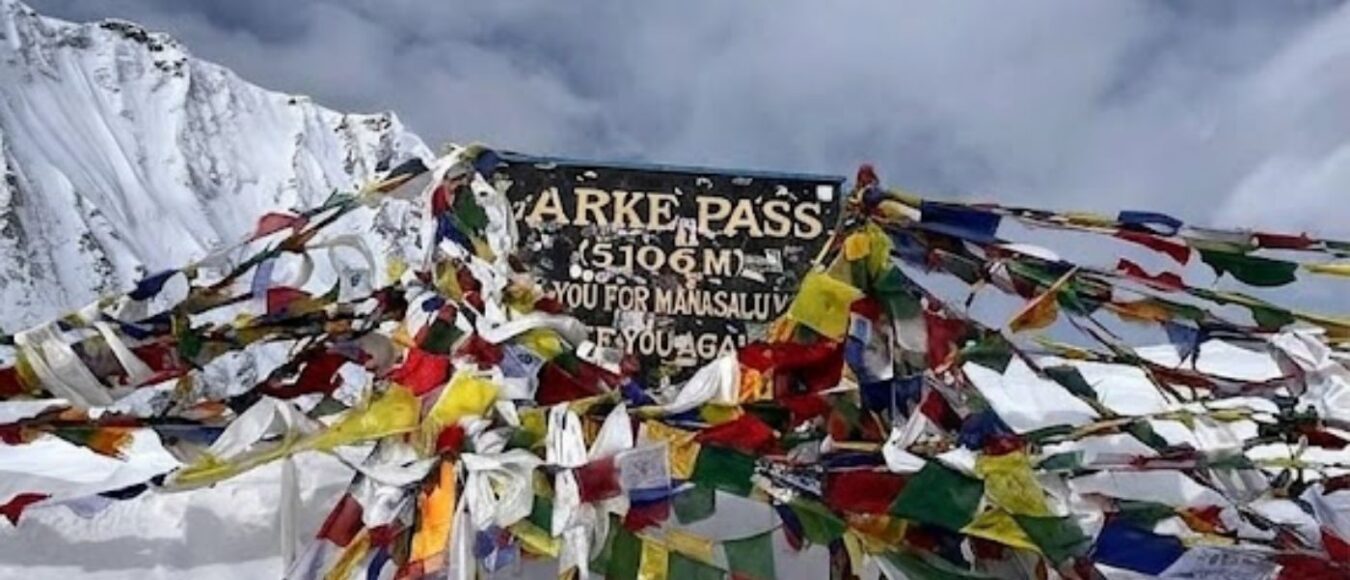
Larke La Pass sits at 5,106 metres. Conditions here determine whether the trek succeeds or fails. In spring, snow covers the pass until late March. April brings the most reliable crossing conditions, though snow patches remain. May sees variable conditions depending on pre-monsoon snowfall.
Autumn provides the most straightforward passage. September can have lingering monsoon snow, but this usually clears by month’s end. October offers bare ground or minimal snow in most years. November stays passable until mid-month, when winter snow begins accumulating.
Winter makes the pass extremely dangerous. Snow depth, extreme cold, and high winds combine to create life-threatening conditions. Commercial groups don’t attempt crossings from mid-December through February. Even experienced mountaineers carefully assess conditions before proceeding.
The high camps at Dharamsala and Bimthang also face seasonal challenges. Spring sees limited water availability as streams remain frozen. Autumn provides ample water and comfortable camping. Winter renders these areas nearly uninhabitable without specialised cold-weather gear.
Month-by-Month Breakdown
Each month brings specific conditions to the Manaslu Circuit trek. This detailed breakdown helps you understand exactly what to expect when you plan your trek.
March
The spring trekking season begins in March. Early month conditions remain winter-like. Snow covers trails above 3,500 metres. This time to do the Manaslu requires patience. Larke La Pass requires trail-breaking through deep snow. Teahouses reopen gradually, with lower villages operational by mid-month.
The weather improves as the month progresses. The first two weeks see occasional snowfall at altitude. The second half brings clearer skies and warming temperatures. By late March, conditions become genuinely pleasant for trekking below 4,000 metres. Some even combine their journey with a valley trek in adjacent regions.
Trekker numbers stay low. March offers some of the quietest trails of the year. Accommodation remains readily available. However, choices are limited above Namrung until late this month. For those seeking solitude and willing to accept variable weather, March works well.
April
April represents one of the best times to trek the Manaslu Circuit. The weather stabilises significantly. This perfect time delivers reliable conditions. Clear morning skies become the norm. Afternoon clouds develop but rarely bring rain. Temperatures are warm enough for comfortable trekking throughout the day.
Snow melts rapidly at lower elevations. Trails clear completely below 3,500 metres. Rhododendron forests reach peak bloom, creating stunning colour along the route. Mount Manaslu and neighbouring peaks appear clearly in morning light. Views towards Manaslu Base Camp remain spectacular.
Trekker numbers increase but remain moderate. April attracts serious trekkers who’ve researched seasonal conditions. Teahouses operate fully. Food variety improves. Fresh vegetables arrive in lower villages. The trail atmosphere strikes a balance between lively and peaceful for those looking to trek in the Manaslu region.
May
May serves as the transition period before monsoon. Early May continues the pleasant spring conditions. Mid to late May shows increasing signs of the approaching monsoon. Pre-monsoon weather systems bring occasional rain and snow at altitude.
Temperatures rise notably at lower elevations. Days become hot below 2,000 metres. Higher altitudes remain comfortable. Afternoon clouds develop regularly. Rain showers occur more frequently as the month progresses, though mornings usually stay clear.
Trekker numbers drop compared to April. Many avoid May due to unpredictable weather, even though it is one of the best months for the Manaslu trek. Those who trek in May often enjoy quieter trails and good early-month conditions. By late May, most experienced trekkers have finished their journeys before the monsoon arrives.
June
June brings the full arrival of the monsoon. Rain becomes a daily occurrence. Lower valleys receive heavy precipitation. The trail between Soti Khola and Jagat faces significant landslide risk. River crossings swell with monsoon runoff.
Visibility drops dramatically. Mountain views disappear behind persistent cloud cover. Leeches emerge in forested sections. Trails turn muddy and slippery. Many teahouses begin closing, particularly above Namrung.
Very few trekkers attempt the circuit in June. Those who do must maintain flexible schedules and accept significant weather-related delays. The Manaslu restricted area permit remains available, but practical challenges make this month inadvisable for most people.
July
July marks the peak of monsoon season. Rainfall reaches its annual maximum. The Manaslu Circuit trek weather remains consistently poor. Days of continuous rain are common. Landslides occur frequently, sometimes blocking trails for days.
Teahouses operate at minimal capacity. Many close entirely. Those that stay open offer limited food options and basic accommodation. The trail becomes difficult to follow in places where monsoon damage obscures the route.
Almost no commercial groups operate in July. Independent trekkers face serious risks. Trail maintenance stops. Emergency evacuation becomes complicated during heavy weather. July represents the worst month for attempting this trek.
August
August continues monsoon conditions, though rainfall begins decreasing by month’s end. Early August resembles July with heavy rain and poor visibility. Late August shows the first signs of clearing weather.
Trail damage accumulates through the month. Bridges may be washed out. Landslide debris piles up along narrow sections. Local communities work on repairs, but progress remains slow during ongoing rain.
A handful of experienced trekkers venture out in late August, gambling on the early monsoon ending. This strategy sometimes works but carries significant risk. Most prudent trekkers wait until September, when conditions improve reliably.
September
September represents the transition into autumn. Early month weather remains unsettled with lingering monsoon moisture. By mid-month, conditions improve noticeably. Late September delivers reliably clear weather and marks the true start of peak season.
Trails require time to recover from monsoon damage. Repairs continue through early September. By mid-month, most routes return to good condition. Teahouses reopen systematically. Services improve weekly as the trekking season ramps up.
Trekker numbers build gradually. September sees moderate crowds that increase toward the month’s end. Those seeking good weather with fewer people find late September attractive. The Manaslu Circuit trek regains its appeal as autumn arrives.
October
October stands out as the best month for the Manaslu Circuit trek. Weather stability reaches its peak. This fantastic time attracts experienced trekkers. Rain becomes rare. Skies stay clear for days at a time. Mountain views appear sharp and detailed. Temperatures remain comfortable for trekking throughout the day. Those wanting to trek to Manaslu find October ideal.
All services operate at full capacity. Teahouses fill up but remain available with advance planning. Food quality and variety peak. Fresh supplies arrive regularly. The trail atmosphere becomes lively with trekkers from around the world. Many also extend their journey to include the Manaslu Tsum Valley trek.
October sees the highest trekker numbers of the year. However, the Manaslu Circuit trek remains far less crowded than the Everest or Annapurna routes. Booking ahead becomes important, particularly for popular teahouses at Samagaun and Dharamsala. Despite the crowds, October delivers consistently excellent trekking conditions for those ready to trek in Manaslu.
November
November extends the autumn season but with increasing cold. Early November continues the excellent conditions of October. Mid-month remains good but noticeably colder. Late November marks the transition toward winter as temperatures drop significantly.
The weather stays mostly clear through mid-month. Snow risk at Larke La Pass increases after the 15th. By late November, winter storms can arrive suddenly. Teahouses begin closing in higher villages as locals prepare for winter.
Trekker numbers decline through the month. Early November attracts those seeking post-peak-season quiet. Late November appeals to experienced cold-weather trekkers. The month for trekking ends for most people by the third week of November.
December to February
Winter fully dominates these three months. December sees heavy snowfall at altitude. January brings the coldest temperatures of the year. February starts showing subtle signs of spring approaching but remains firmly winter.
The Manaslu Circuit in winter becomes a specialist undertaking. Larke La Pass closes to normal trekking. Only mountaineers with winter experience and proper equipment attempt crossings. Most teahouses close completely. Villages empty as residents move to lower elevations.
These months see almost no trekkers. The few who venture out understand they’re attempting a serious winter expedition rather than a standard trek. For the vast majority, the circuit remains closed until late February or March, when spring conditions return.

How Weather Affects Trekking Conditions
Weather patterns directly impact safety and enjoyment on the Manaslu Circuit trek. Understanding these connections helps you prepare properly and make smart decisions on the trail.
Trail Safety and Slippery Sections
Rain transforms trail conditions quickly. Lower sections become muddy within hours of rainfall. Stone steps turn slippery. The descent from Larke La Pass to Bimthang becomes particularly hazardous when wet or icy.
Snow creates different challenges:
- Fresh snow obscures trail markers
- Packed snow turns icy on steep sections
- The approach to Larke La Pass requires careful footing in spring and late autumn
- Crampons help but aren’t always necessary in good spring conditions
Morning frost affects trails above 3,000 metres during autumn and spring. Shaded sections stay frozen until mid-morning. The north-facing slopes near Samagaun remain icy longer than sun-exposed areas. Trekking poles provide valuable stability on these surfaces.
River Crossings and Landslide Risk
The Budhi Gandaki river defines much of the lower trek route. Water levels fluctuate seasonally. Spring sees moderate flow as winter snow melts slowly. Monsoon brings dangerous flooding. Autumn offers the safest crossing conditions with low, stable water.
Several tributary streams require crossing. These swell during afternoon hours in spring and early summer as daytime warmth accelerates snowmelt. Morning crossings prove safer and easier. By afternoon, streams that were ankle-deep can reach knee height.
Landslide risk concentrates in the narrow valley sections between Soti Khola and Philim. Monsoon rains trigger slides regularly. Even in dry seasons, recent rain can destabilise slopes. Fresh landslide debris often blocks trails temporarily. Local guides know alternate routes and current conditions.
Visibility of Mountain Views
Clear skies define successful mountain photography and memorable trekking experiences. October delivers the most reliable visibility. November maintains excellent clarity until late month. Spring months offer good morning views but increasing afternoon clouds.
The monsoon eliminates mountain views almost completely. When breaks occur, they’re brief and unpredictable. Winter brings clear skies but extreme cold that limits comfortable viewing time. The best season for photography unquestionably falls in October.
Altitude affects visibility patterns:
- Lower valleys collect morning mist that burns off by mid-morning
- Higher elevations stay clear longer into the afternoon
- The view from Larke La Pass typically remains clear until noon even when clouds build lower down
Wildlife and Flora – Seasonal Highlights
The Manaslu Conservation Area supports diverse wildlife and plant life. Spring brings rhododendron blooms from late March through April. Forests between 2,000 and 3,000 metres explode with red, pink, and white flowers. This creates some of the best trekking scenery in Nepal.
Autumn offers different natural highlights. Post-monsoon vegetation looks lush and green. Alpine meadows near Samagaun display autumn colours. Wildlife becomes more visible as animals prepare for winter. Blue sheep appear on high slopes. Himalayan tahrs graze near the treeline. This time to visit offers excellent wildlife viewing opportunities.
Birdlife peaks in spring and autumn. Migrating species pass through. Pheasants and blood pheasants inhabit forested areas. Lammergeiers and Himalayan griffons soar at high altitudes. The varied ecosystems along the trek support rich biodiversity throughout both main seasons. The route remains one of the best treks for nature enthusiasts.

Comparing Spring and Autumn in Details
The choice between spring and autumn dominates planning discussions for the Manaslu Circuit trek. Both seasons offer excellent conditions but with different characteristics. Understanding these differences helps you match the season for the Manaslu trek to your priorities. The best time to do Manaslu often comes down to personal preference.
Weather Stability
Autumn wins for pure weather reliability. This season for trekking the Manaslu offers maximum predictability. October sees perhaps two to three rainy days per month. November stays similarly dry until late in the month. Weather systems become predictable. Clear morning skies arrive consistently. The time to do the Manaslu Circuit for guaranteed weather falls here.
Spring shows more variability. March experiences lingering winter storms. April improves significantly but still sees occasional unsettled periods. May brings pre-monsoon weather that can disrupt plans. Overall, spring requires more flexible scheduling. However, for those seeking to trek to the Manaslu Circuit with fewer crowds, spring remains attractive.
| Weather Factor | Spring (March to May) | Autumn (September to November) |
| Clear Sky Days | 60-70% of days | 85-95% of days |
| Temperature Range | Cold to warm (improving through season) | Comfortable to cold (declining through season) |
| Snow Risk at Larke La | Moderate to high (decreasing) | Low to moderate (increasing) |
| Trail Conditions | Improving as snow melts | Excellent and stable |
Scenery and Photography Opportunities
Autumn delivers the sharpest mountain photography. Post-monsoon air holds minimal moisture. Manaslu and surrounding peaks appear crisp against deep blue skies. Sunrise and sunset colours intensify in the clear atmosphere. Professional photographers prefer October overwhelmingly.
Spring offers different visual appeal:
- Rhododendron forests bloom brilliantly
- Lower elevations show vibrant greens as vegetation awakens
- Snow cover at altitude creates dramatic contrasts
- While mountain clarity doesn’t match autumn, spring provides unique colour opportunities
Morning light works better in both seasons. Autumn mornings stay clear longer. Spring mornings offer a narrow window before afternoon clouds develop. For serious photography, both seasons require early starts to capture Mount Manaslu at its best.
Crowd Levels and Accommodation Availability
Autumn sees significantly more trekkers. October represents peak season with the highest numbers. Teahouses fill up, particularly at Samagaun and Dharamsala. Booking ahead becomes advisable. However, the Manaslu Circuit trek never reaches Everest-level crowds.
Spring attracts fewer people overall. March sees minimal trekkers. April brings moderate numbers. May drops off again. This creates a quieter trail experience. Accommodation availability improves. Last-minute bookings work fine in most villages.
Both seasons offer sufficient infrastructure. Teahouses operate fully during main months. Food quality remains good. The difference lies in atmosphere rather than services. Autumn feels lively. Spring feels peaceful.
Cultural Events Along the Trek
The Manaslu region celebrates several festivals that can enhance your trek experience. Losar, the Tibetan New Year, occurs in February or early March depending on the lunar calendar. Villages come alive with celebrations, though weather remains challenging for trekking.
Autumn brings Dashain and Tihar, Nepal’s major festivals. These fall in October or early November. Villages celebrate enthusiastically. Teahouses may close briefly for family celebrations. However, the festive atmosphere adds cultural richness to the journey.
Spring sees fewer major festivals along the route. However, monastery celebrations occur periodically. Checking festival calendars before booking can help you time your trek to coincide with cultural events if this interests you.

Best Time Based on Your Priorities
Different trekkers have different goals. The best time for the Manaslu varies depending on what matters most to you. Choosing the right time requires understanding your priorities. Here’s how to match seasons to specific goals for your Manaslu region trek.
Best for Clear Mountain Views
October is the best month for guaranteed mountain visibility. The combination of post-monsoon clarity and stable weather creates near-perfect viewing conditions. Mount Manaslu, Manaslu North, Peak 29, and Himalchuli all appear in stunning detail.
Early November extends this excellent visibility. Mid-November remains good but with increasing cold. If photography drives your plans, October represents the ideal time. Book early as this month fills up quickly.
Best for Quiet Trekking Experience
March and early April offer the quietest trails with decent weather. March brings genuine solitude, though conditions remain challenging at altitude. Early April balances quiet trails with improving weather.
Late November also provides emptier trails. Most trekkers finish by mid-month. Those willing to accept colder temperatures find peaceful paths and readily available accommodation. For solitude seekers, these periods work well.
Best for Photography
October dominates for photography. Clear skies, excellent visibility, and comfortable working conditions combine perfectly. Professional photographers and serious enthusiasts should target October specifically. This represents the time for Manaslu trek photography work.
April serves as an alternative for those seeking different subjects. Rhododendron blooms provide foreground interest. Snow-covered peaks create dramatic backdrops. Spring offers compositional variety that autumn lacks. Both seasons support strong photography but with different aesthetic opportunities. Those planning to trek the Manaslu circuit for photography should consider both options.

Tips for Planning Around Weather
Practical preparation improves your experience regardless of when you trek to the Manaslu Circuit. Understanding the time for the Manaslu Circuit you choose helps with planning. These considerations help you manage weather-related challenges effectively for trekking in the Manaslu Circuit.
Checking Forecasts Before Trekking
Weather forecasts for the Manaslu region improve but remain imperfect. Kathmandu forecasts don’t reflect mountain conditions accurately. Therefore, check mountain-specific forecasts from sources like Mountain Forecast or Norway’s YR weather service. Those planning to trek in the Manaslu region should verify conditions regularly.
Local knowledge matters more than long-range forecasts:
- Your guide monitors conditions daily
- Teahouse owners share current weather patterns
- Other trekkers descending provide recent experience from higher elevations
- This real-time information helps with day-to-day decisions
Build flexibility into your trek itinerary. Add one or two buffer days for weather delays. This reduces pressure and allows for rest days if conditions deteriorate. The Manaslu Circuit trek difficulty increases significantly when rushing through poor weather.
Packing List by Season
Spring and autumn require different gear approaches. However, both seasons demand four-season sleeping bags for high camps. Larke La Pass stays cold year-round. Budget sleeping bag ratings of minus 15°C minimum.
Spring packing emphasises layers and sun protection:
- Snow glare intensifies in March and April
- Sunglasses and high-SPF sunscreen become essential
- Crampons may be necessary for early spring crossings of Larke La Pass
- Check current conditions before committing to this added weight
Autumn packing focuses on wind protection and insulation. October trekking days feel warm, but night temperatures drop sharply. November trekking requires full winter gear at altitude. Down jackets, insulated pants, and warm gloves become non-negotiable items.
| Gear Item | Spring Priority | Autumn Priority |
| Sleeping Bag | Minus 15°C rated | Minus 15°C rated |
| Down Jacket | Essential | Essential |
| Rain Gear | Critical (May especially) | Less critical (October) |
| Sunglasses | High priority (snow glare) | Medium priority |
| Warm Gloves | Medium priority (March) | High priority (November) |
| Gaiters | Recommended (snow) | Optional |
What Clothing Works Best in Spring vs Autumn
Layering systems work similarly in both seasons but with different emphasis. Base layers remain constant. Merino wool or synthetic materials perform well. Cotton fails at altitude regardless of season.
Spring demands more versatile layers. Morning cold requires full insulation. Afternoon warmth calls for shedding layers. The temperature swing between dawn and midday can reach 20°C. Clothing systems must accommodate these extremes.
Autumn requires progressive warmth through the season. Early September feels summer-like at lower elevations. October stays comfortable. November demands winter clothing at altitude. Pack progressively heavier insulation if trekking late in autumn.

Safety Gear for Snow and Rain
Trekking poles provide stability in all conditions. They’re particularly valuable for crossing snow-covered sections and descending slippery trails. Adjustable poles work better than fixed-length models for varied terrain.
Headlamps need extra batteries in cold weather. Lithium batteries perform better than alkaline in freezing temperatures. Carry spares and keep them warm inside your sleeping bag overnight.
First aid considerations shift seasonally. Spring requires more blister treatment supplies as boots break in on snow. Autumn needs cold injury prevention items. Both seasons benefit from altitude medication, though acclimatisation schedules matter more than drugs for most trekkers.
Best time for Manaslu Circuit trek: Final Thoughts
The best time for Manaslu Circuit trek ultimately depends on balancing weather reliability, personal schedule, and specific priorities. October stands out for most trekkers seeking optimal conditions. April offers an excellent alternative with fewer crowds. Both months provide strong foundations for successful journeys through the Manaslu region. The time to trek to Manaslu depends on your priorities.
Weather patterns shift predictably across seasons. Understanding these changes lets you choose the best time based on what matters most, whether that’s guaranteed views, quieter trails, or cultural experiences. The Manaslu Circuit trek is one of the best treks in Nepal when timed properly. For those seeking adjacent experiences, consider adding a valley trek to your itinerary.
Start planning with your preferred month in mind. Then build flexibility into your schedule for weather variations. This approach maximises your chances of completing the Manaslu Circuit safely and memorably. When you are ready to commit to your Manaslu adventure, contact Nepal Hiking Adventure for expert planning and personalised guidance.

Best time for Manaslu Circuit trek: FAQs
When Is Manaslu Circuit Trek Most Crowded?
October and November see the highest trekker numbers on the Manaslu Circuit trek, with early October filling quickly as post-monsoon conditions stabilise. April and May also draw strong traffic during the spring season. Even so, crowds remain moderate compared with the Everest and Annapurna routes, including during peak months.
Can You Trek Manaslu in Monsoon?
Technically yes, but practically inadvisable for most trekkers. The Manaslu Circuit during the monsoon faces heavy rain, landslides, and poor visibility. Most teahouses close, and trail damage makes progress difficult and dangerous.
Is Winter Trekking Possible?
Yes, winter trekking on the Manaslu Circuit is possible with proper equipment and strong preparation. You must adopt a true winter mindset, plan for extreme cold, and be ready for technical conditions, as Larke La Pass is often impassable for standard trekking groups from mid-December through February.
What Months Have the Best Weather for Larke La?
October offers the most reliable conditions for crossing Larke La Pass. Late September and early November also work well. April provides good spring conditions, though snow remains more variable than in autumn months.
How Early Should You Book Permits and Teahouses?
The Manaslu restricted area permit requires booking through a registered agency at least two weeks before starting. Teahouse bookings need one to two weeks’ advance notice in October. Other months allow more flexibility with shorter booking windows.


Our History in Service Excellence


