
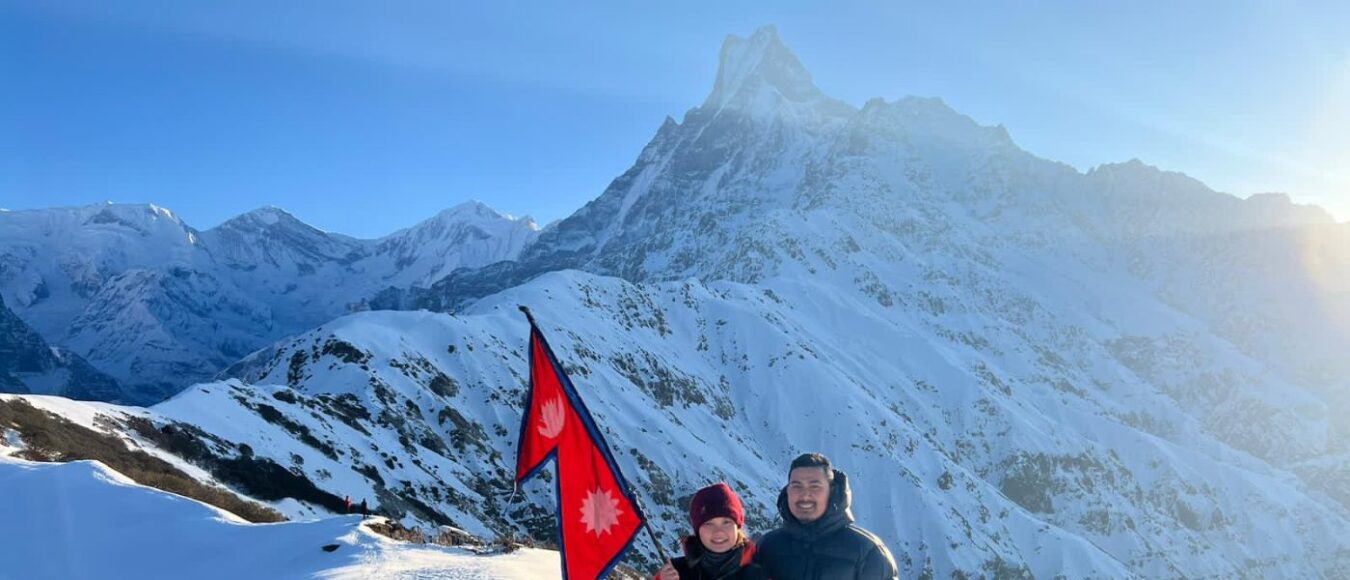
Best Easy Trek in Nepal
Summary: The best easy treks in Nepal for beginners include Ghorepani Poon Hill (4-5 days, 3,210 m), Langtang Valley (7-8 days, 3,870 m), and Ghandruk Village (3-4 days, 1,940 m). These routes offer gradual ascents, reliable teahouse accommodation, and altitudes below 4,000 m, minimising altitude sickness risk. Best in spring or autumn, they suit families, casual hikers and first-timers seeking authentic Himalayan scenery without extreme physical demands, typically costing 300-1,200 depending on guide services.
Discover the Best Easy Trek in Nepal
Thousands of travellers search for the best easy trek in Nepal each year because they want accessible Himalayan adventures without extreme physical demands. Therefore, finding a route that balances stunning mountain scenery with manageable daily walking hours becomes the primary concern for most first-timers. Moreover, beginner-friendly routes offer proper teahouse facilities and well-marked paths that reduce navigation stress significantly.
This guide targets families, casual hikers, and anyone new to trekking in the Himalayas of Nepal. Meanwhile, we cover everything from fitness requirements to permit procedures and accommodation standards across multiple regions. Additionally, you’ll find realistic cost breakdowns and seasonal recommendations that help you choose confidently.
We examine seven proven easy treks in Nepal, including the Ghorepani Poon Hill Trek, the Langtang Valley Trek, and shorter options near Kathmandu. Furthermore, comparison tables and practical packing lists ensure you prepare thoroughly for your first trekking adventure with Nepal Hiking Adventure. Ultimately, you’ll understand which route matches your timeframe, fitness level, and mountain view preferences.
What Makes a Trek “Easy” in Nepal
Daily walking hours and terrain
An easy trek typically requires 4 to 6 hours of walking per day. Consequently, you maintain comfortable progress without exhausting yourself before reaching the next village. The trails are easy to follow with gradual ascents rather than steep climbs.
- Stone-paved paths with clear direction markers reduce navigation concerns significantly
- Gentle elevation gains allow your body to adjust naturally throughout the journey
- Well-maintained trekking trail sections minimize risk of ankle injuries or slips
Altitude limits for easy treks
Most beginner-friendly treks in Nepal stay below 4,000 metres, where altitude sickness remains uncommon for healthy individuals. Therefore, routes like Poon Hill at 3,210 metres offer spectacular views without serious acclimatisation challenges. Similarly, the Annapurna Base Camp Trek peaks around 3,850 metres, which suits first-time mountain travellers perfectly.
Teahouse access and basic facilities
Teahouse trekking eliminates camping equipment requirements because lodges appear every few hours along popular trekking routes. Meanwhile, basic amenities include beds with blankets, shared bathrooms, and hot meals prepared fresh daily.
| Facility Type | Availability on Easy Routes |
| Hot showers | Available at most lodges for $2-3 |
| Wi-Fi access | Common in lower villages, sporadic higher up |
| Charging stations | $1-2 per hour at most teahouses |
Clearly marked and well-maintained trails
Government authorities and local communities maintain popular trekking routes with regular clearing and repairs. Additionally, signposts appear at every major junction showing distances to upcoming villages. Therefore, getting lost becomes extremely unlikely even without professional guides in Nepal.
Who Are Easy Treks in Nepal Best Suited For
First-time Himalayan trekkers
Individuals without previous high-altitude experience find these routes ideal for building confidence gradually. Moreover, manageable daily distances let you focus on enjoying mountain scenery rather than surviving physical challenges. Consequently, successful completion encourages tackling longer treks during future visits.
Families and older travellers
Parents with children aged 8 and above complete routes like Ghorepani successfully during a short trek in Nepal. Ghandruk Village Trek comfortably because shorter walking days allow frequent rest stops. Similarly, active seniors appreciate gentle terrain that doesn’t strain joints excessively.
- Beginners and families benefit from porter services that carry heavy backpacks
- Flexible itineraries accommodate slower pacing without rushing anyone
- Medical facilities exist in larger villages along established trekking routes in Nepal
Casual hikers with average fitness
You don’t need marathon-level endurance for the best easy treks for beginners. Instead, regular walking or light exercise three times weekly provides sufficient preparation for most routes. Therefore, office workers and weekend hikers complete these treks successfully without specialised training programmes.
Travellers with limited holiday time
Many short and easy treks finish within 5 to 7 days, including travel from Kathmandu. Consequently, you experience authentic Himalayan culture without consuming your entire annual vacation allowance. Additionally, weekend extensions to standard itineraries remain feasible if schedules change unexpectedly.
Top Easy Treks in Nepal for Beginners
Nepal offers numerous beginner-friendly routes across different regions of Nepal that combine accessibility with stunning mountain panoramas. Therefore, understanding each trek route’s unique characteristics helps match personal preferences with practical logistics. Moreover, these seven options represent the best treks for beginners based on safety records and trekker satisfaction ratings.
Ghorepani Poon Hill Trek
The Ghorepani Poon Hill Trek ranks as one of the easiest treks in the Annapurna region with sunrise views that rival much harder routes. Meanwhile, the trek takes just 4 to 5 days from Pokhara and reaches a maximum altitude of 3,210 metres at Poon Hill viewpoint.
- The trek starts from Nayapul with gradual climbs through rhododendron forests
- Dawn ascent to Poon Hill reveals Dhaulagiri, Annapurna South, and Machhapuchhre peaks
- Traditional Gurung and Magar villages offer authentic cultural experiences
- It’s an easy trek with established teahouse facilities at every overnight stop

Langtang Valley Trek
The Langtang Valley Trek provides easy access from Kathmandu with dramatic scenery that matches more remote regions. Therefore, limited travel time makes it ideal for visitors with tight schedules. The route reaches Kyanjin Gompa at 3,870 metres after gradual daily ascents.
- 7 to 8 days itinerary includes acclimatisation time at Kyanjin Gompa
- Tamang culture and Buddhist monasteries add spiritual dimensions to mountain views
- An optional side trip to Tserko Ri viewpoint (4,984m) suits confident trekkers
- Rebuilding efforts after 2015 earthquake created improved trail infrastructure

Everest View Trek via Namche Bazaar
This short trek delivers a genuine Everest Base Camp region atmosphere without the 14-day commitment required for full Everest Base Camp trek routes. Consequently, you experience Sherpa hospitality and mountain vistas at Namche Bazaar within 5 to 7 days total.
- A scenic flight to Lukla begins your Himalayan adventure immediately
- Namche Bazaar at 3,440 meters serves as the cultural hub of Khumbu region
- Side trips to Everest View Hotel and Khumjung village enhance acclimatisation.
- Relatively easy compared to full Everest Base Camp routes but requires altitude awareness

Annapurna Base Camp Trek
This classic journey in the Annapurna region follows a well-established route to the heart of the mountains, usually completed in 7 to 12 days depending on the itinerary. The maximum altitude of 4,130 metres at Annapurna Base Camp trek is approached gradually, making altitude adjustment manageable for most first-time trekkers with proper pacing.
- Walks through Ghorepani, Chhomrong, Bamboo, and Machapuchare Base Camp, offering constant changes in landscape
- Reaches Annapurna Base Camp, surrounded by Annapurna I, Annapurna South, and Hiunchuli
- Well-run teahouse trekking route with reliable accommodation and meals throughout
- One of the best treks in Nepal for combining mountain scenery, local culture, and a clear sense of Himalayan scale

Mardi Himal Short Trek
The Mardi Himal Trek emerged recently as one of the best short routes near Pokhara with intimate Himal views. Therefore, smaller trekker numbers create peaceful trail experiences compared to busier Annapurna routes. The journey typically requires 5 to 6 days, reaching High Camp at 3,580 metres.
- The less developed path maintains wilderness character throughout
- Close-up views of Machhapuchhre (Fishtail) and Mardi Himal massifs
- Steep forest sections demand careful footing but remain within beginner capabilities
- Best short option for those seeking solitude near major trekking hubs

Helambu Trek
The Helambu Trek north of Kathmandu receives less attention than the Annapurna or Everest routes, creating quieter trail conditions. Meanwhile, the circuit takes 5 to 7 days through Hyolmo villages with Buddhist cultural traditions. Maximum altitude reaches approximately 3,650 metres at Tharepati Pass.
- Accessible starting point just a few hours’ drive from Kathmandu
- Apple orchards and cheese factories add agricultural interest
- Less dramatic mountain views compensated by authentic village life
- Perfect for beginners wanting cultural focus over peak photography
Ghandruk Village Trek
This ultra-short Ghandruk Cultural Trek suits travellers with limited time but a strong desire for an authentic mountain atmosphere. The 3 to 4 day route from Pokhara focuses on village homestays, local culture, and meaningful community experiences rather than long walking hours. Ghandruk village sits at 1,940 metres, which keeps altitude concerns almost nonexistent while still delivering close-up Annapurna views and everyday Gurung life.
- Balthali Village Trek alternative offers similar experiences near Kathmandu
- ACAP conservation museum educates visitors about regional environmental efforts
- Traditional stone houses and terraced farming showcase mountain agriculture
- Best easy choice for beginners with young children or elderly members
Pikey Peak Trek
This rewarding Pikey Peak Trek in the lower Everest region is typically completed in 5 to 7 days, which makes it ideal for trekkers with limited time. The highest point at Pikey Peak at 4,065 metres is reached without prolonged high-altitude exposure, which suits beginners seeking wide Himalayan views with fewer physical demands.
- Sunrise and sunset views of Mount Everest, Mount Makalu, Mount Kanchenjunga, and Numbur Himal from Pikey Peak viewpoint
- Walks through traditional Sherpa villages such as Jhapre and Lamdanda, offering strong cultural insight
- Quiet trails with far fewer trekkers than the Everest Base Camp Trek
- One of the best easy treks in Nepal for combining Everest views, cultural depth, and a relaxed trekking pace
Comparison Table: Best Easy Treks in Nepal at a Glance
| Trek Name | Duration | Max Altitude | Difficulty | Best Season | Key Highlights |
| Ghorepani Poon Hill | 4-5 days | 3,210 m | Easy | Mar-May, Sep-Nov | Sunrise panoramas, rhododendron forests |
| Langtang Valley | 7-8 days | 3,870 m | Easy-Moderate | Mar-May, Sep-Nov | Tamang culture, glacial valley views |
| Everest View | 5-7 days | 3,880 m | Moderate | Mar-May, Sep-Nov | Sherpa villages, Everest glimpses |
| Annapurna Base Camp | 7-9 days | 3,850 m | Easy-Moderate | Mar-May, Sep-Nov | Khopra Ridge, diverse landscapes |
| Mardi Himal | 5-6 days | 3,580 m | Moderate | Mar-May, Sep-Nov | Close mountain views, fewer crowds |
| Helambu | 5-7 days | 3,650 m | Easy | Year-round | Hyolmo culture, apple orchards |
| Ghandruk Village | 3-4 days | 1,940 m | Very Easy | Year-round | Village immersion, short duration |
| Pikey Peak Trek | 5–7 days | 4,065 m | Easy | Spring and autumn | Everest views, quiet trails, Sherpa culture |


Best Easy Trek in Nepal by Travel Style
Best easy trek for complete beginners
The Ghandruk Village Trek wins this category because minimal altitude gain removes acclimatisation concerns entirely. Therefore, you focus entirely on walking rhythm and equipment comfort rather than breathing difficulties. Additionally, 3 to 4 day duration allows a gentle introduction without overwhelming commitments.
Best easy trek with mountain views
Poon Hill Trek delivers the highest views in Nepal for the effort invested among all easy treks in Nepal. Consequently, dawn panoramas from 3,210 metres rival perspectives from much higher elevations. Moreover, clear weather during spring and autumn typically guarantees spectacular photography opportunities.
Best easy trek near Kathmandu
The Langtang Valley Trek requires just 6 to 7 hours of bus travel from Kathmandu to reach trailheads. Meanwhile, the Helambu Trek starts even closer, with options to finish at different road access points. Therefore, both routes reduce travel time while maximising mountain exposure for visitors based in the capital.
Best easy trek for families
Ghorepani Poon Hill accommodates Nepal family groups best because established infrastructure supports various age groups comfortably. Additionally, cultural programmes at village lodges entertain children during evening hours, making it a great experience for families on a short trek in Nepal. Consequently, multi-generational groups complete this route successfully with proper planning.
Best easy trek for short timeframes
The Mardi Himal Short Trek squeezes impressive mountain scenery into just 5 days, including travel days. Therefore, visitors with single-week vacations experience authentic trekking in the Himalayas without extending schedules. Similarly, the Ghandruk Village Trek works for weekend extension trips from Pokhara base stays.
Best Time to Do an Easy Trek in Nepal
Spring trekking conditions
The spring months from March through May offer the best easy weather conditions with moderate temperatures and blooming rhododendrons. Therefore, trails become vibrant with natural colour while mountain views remain consistently clear. Additionally, daytime temperatures at lower elevations reach comfortable 15 to 20°C ranges.
- Peak trekker season creates busier trails but ensures all teahouse facilities operate fully
- Rhododendron forests along Ghorepani Poon Hill Trek display spectacular red and pink blooms
- Gradual temperature increases make high-altitude camps more comfortable than winter months
Autumn trekking conditions
Autumn, from September through November, provides the clearest mountain visibility across all treks in Nepal. Consequently, photographers prefer this season for capturing pristine Himalayan panoramas. Moreover, stable weather patterns reduce cancellation risks from monsoon remnants or early winter storms.
| Month | Temperature Range | Visibility | Crowd Level |
| September | 10-20°C | Good | Medium |
| October | 8-18°C | Excellent | High |
| November | 5-15°C | Excellent | Medium-High |
Winter suitability for easy routes
Winter trekking in Nepal for beginners remains feasible on lower altitude routes like Ghandruk and southern Annapurna approaches. Meanwhile, the Langtang Valley Trek and Everest View Trek become significantly colder, with potential snow blocking higher passes. Therefore, winter suits experienced trekkers comfortable with cold-weather camping more than true beginners. The Pikey Peak Trek offers excellent winter conditions as one of the best easy lower-elevation options with stunning sunrise views.

Monsoon season considerations
Monsoon months from June through August bring heavy rainfall that obscures mountain views and creates slippery trail conditions. Consequently, most trekking routes in Nepal see dramatically reduced visitor numbers during this period. However, rain-shadow areas like Jomsom Muktinath Trek remain accessible for determined trekkers. Additionally, Pikey Peak Trek in the Everest region offers one of the best easy monsoon alternatives with relatively drier conditions.
- Leeches become common on forested trails below 2,500 meters during monsoon
- Flight cancellations to Lukla increase substantially, affecting Everest region access
- Reduced trekker numbers create intimate experiences but limited lodge operations
Accommodation and Food on Easy Treks
Teahouse standards and comfort
Teahouse lodges along beginner-friendly routes provide basic twin rooms with foam mattresses and shared toilet facilities. Therefore, expectations should match rustic mountain accommodation rather than hotel standards. Moreover, blankets supplied by lodges suffice for most seasons, though sleeping bags add warmth and comfort.
- Private rooms available at most teahouse locations for $5 to $15 per night
- Attached bathroom options exist in larger villages for premium rates
- Heating sources include wood stoves in dining areas but rarely in sleeping rooms
Typical meals on the trail
Dal bhat (rice and lentil curry) forms the staple trekking meal, providing necessary carbohydrates and protein for daily walking. Additionally, breakfast menus offer porridge, pancakes, and eggs, while dinner includes pasta, noodles, and Tibetan bread options.
| Meal Type | Common Options | Approximate Cost |
| Breakfast | Porridge, eggs, toast, pancakes | $4-8 |
| Lunch | Noodles, fried rice, sandwiches | $5-10 |
| Dinner | Dal bhat, pasta, momos | $5-10 |
Drinking water, charging, and Wi-Fi
Bottled water availability decreases at higher elevations, requiring water purification tablets or filter systems. Meanwhile, refill stations at some teahouse locations reduce plastic waste significantly. Therefore, carrying personal filtration equipment proves both economical and environmentally responsible.
- Device charging costs NPR 100 to 300 per hour depending on altitude
- Wi-Fi access ranges from free to $5 daily with slower speeds above 3,000 metres.
- Solar charging stations work weather-dependent with backup generator options
How Fit Do You Really Need to Be
Realistic fitness expectations
Walking 4 to 6 hours daily with a light daypack requires moderate cardiovascular fitness equivalent to regular gym attendance or weekend hiking. Consequently, desk-job workers should begin preparation walks at least 6 weeks before departure. Moreover, stair-climbing exercises specifically strengthen leg muscles used during mountain ascents.
Recommended preparation
Start training with 30-minute walks three times weekly, then gradually increase to 2-hour sessions carrying 5 kg backpacks. Additionally, incorporate elevation gains by choosing hilly routes or using gym incline settings. Therefore, arrival fitness directly impacts trekking experience enjoyment rather than just completion capability.
- Focus on building endurance rather than speed during training walks
- Practise walking on uneven surfaces to strengthen ankle stability
- Test all trekking boots during training to prevent blister formation
Common beginner mistakes to avoid
Overconfidence causes many beginners to skip preparation, assuming mountain walking matches city pavement strolling. To avoid common mistakes, allow proper training time and respect the steady rhythm that mountain trails demand. Inadequate rest days create cumulative fatigue that quickly reduces enjoyment and performance. Comparing your pace with other trekkers adds needless pressure and increases injury risks, especially during longer ascents and descents.
Easy Trek Packing List for Nepal
Clothing essentials
Layering systems work better than single thick jackets because temperature variations occur dramatically between morning and afternoon hours. Therefore, bring lightweight base layers, insulating mid-layers, and waterproof outer shells. Moreover, quick-drying synthetic fabrics outperform cotton in mountain humidity conditions.
- Thermal underwear for mornings and high-altitude camps
- Fleece or down jacket for evening temperatures
- Waterproof jacket and pants for unexpected rain
- Trekking pants and shorts for varied weather
- Sun hat and warm beanie for temperature extremes
Footwear and socks
Broken-in hiking boots with ankle support prevent common sprains on uneven trekking trail surfaces. Meanwhile, three to four pairs of moisture-wicking socks allow daily changes that reduce blister formation. Additionally, lightweight camp shoes provide relief during evening teahouse hours.
Daypack necessities
Small 20 to 30-litre daypacks carry daily essentials while porters transport main luggage between villages. Therefore, pack water bottles, snacks, camera equipment, and extra layers for accessible retrieval. Moreover, waterproof pack covers protect electronics during sudden mountain weather changes.
- Water purification tablets or filter system
- Headlamp with spare batteries
- Sunscreen (SPF 50+) and lip balm
- Personal first aid kit with blister treatment
- Trekking poles for knee protection on descents
Optional comfort items
Power banks ensure device charging capability between teahouse electrical access points. Meanwhile, playing cards and books provide entertainment during rest days or weather delays. Additionally, earplugs help sleep quality in shared teahouse walls.
Cost of an Easy Trek in Nepal
Typical budget ranges
Budget trekkers complete short treks for $400-1000 total, including Kathmandu transportation and permits. Meanwhile, mid-range organised treks with guides cost $700 to $1,200 depending on duration and service standards. Therefore, Nepal remains one of the best-value destinations for Himalayan mountain experiences globally. Routes like Pikey Peak Trek or Ghandruk represent the best short treks for budget-conscious travellers.
| Expense Category | Budget Range | Notes |
| Permits | $50-80 | ACAP, TIMS, park fees(depending on trek route) |
| Accommodation | $5-15/night | Basic teahouse rooms |
| Meals | $20-50/day | Three meals plus snacks |
| Guide | $30-50/day | Licensed professionals |
| Porter | $25-45/day | 15 kg luggage limit |
What influences trekking costs
Peak season rates increase by 20 to 30 percent during October and April as teahouse demand exceeds availability. Additionally, remote routes with limited lodge competition charge premium prices despite basic facilities. Therefore, shoulder-season trekking and popular short routes offer the best value combinations.
Practical tips to manage expenses
Ordering dal bhat at every meal reduces food costs substantially because generous second servings come free at most lodges. Meanwhile, carrying personal snacks from Kathmandu prevents expensive trail purchases at higher elevations. Additionally, sharing rooms with travel companions halves accommodation expenses effectively.
Safety Tips for Easy Treks in Nepal
Altitude awareness
Ascending above 3,000 metres requires monitoring for headaches, nausea, and breathing difficulties indicating altitude sickness onset. Therefore, rest days at intermediate elevations allow proper acclimatisation before continuing upward. Moreover, descending immediately when symptoms worsen prevents serious complications.
- Drink 3 to 4 liters of water daily to maintain hydration at altitude
- Avoid alcohol consumption that impairs altitude adaptation mechanisms
- Consider Diamox medication after consulting with travel physicians
Weather changes
Mountain weather shifts rapidly, requiring constant awareness of cloud formations and temperature drops. Meanwhile, afternoon thunderstorms occur frequently during spring, making early morning starts strategically wise. Additionally, checking weather forecasts at teahouse locations helps with route planning decisions.
Trail safety basics
Staying on marked paths prevents dangerous navigation errors, particularly in foggy conditions. Moreover, yielding the trail right-of-way to descending trekkers and pack animals follows mountain etiquette standards. Consequently, awareness and courtesy create safer experiences for everyone.
- Inform teahouse staff about daily trek plans before departure
- Carry emergency whistle for attracting attention if injured
- Walk at conversational pace maintaining regular breathing patterns
Travel insurance essentials
Comprehensive policies must specifically cover trekking activities up to 4,000 metres and emergency helicopter evacuation costs. Therefore, standard travel insurance often excludes mountain activities requiring specialised adventure coverage. Moreover, policy documentation should remain accessible during the entire trek duration.

Final Verdict on the Best Easy Trek in Nepal
Your trek is the best when it matches personal fitness levels, time availability, and scenery preferences accurately. Therefore, honest self-assessment prevents choosing routes that exceed current capabilities, especially when selecting the best easy trek in Nepal. Moreover, successful completion builds confidence for tackling more rewarding treks during future Nepal visits.
The Ghorepani Poon Hill Trek emerges as the highlight of the trek options for most first-timers because it balances all factors optimally. Meanwhile, Langtang Valley Trek suits those prioritising dramatic landscapes over cultural immersion. Ultimately, compared to other popular treks worldwide, Nepal’s easy and accessible routes deliver exceptional value and authentic mountain experiences. The Annapurna region of Nepal remains one of the shortest trek destination areas with maximum diversity.
Taking that first step toward booking your hiking experience in Nepal with Nepal Hiking Adventure transforms abstract mountain dreams into concrete adventure plans. Therefore, begin training walks immediately while researching teahouse options and permit procedures. Moreover, thousands of beginners in Nepal complete these routes annually, proving that Himalayan trekking remains accessible for average fitness levels. For those looking for short and easy options, routes like Ghandruk and Poon Hill provide perfect introductions to the lake in Nepal regions and mountain culture. Many trekkers in Nepal find these routes ideally suitable for beginners seeking authentic experiences. Contact us to start planning your first Himalayan trek.

Best Easy Treks in Nepal: FAQs
Is it an easy trek suitable for complete beginners?
Yes, routes like Ghandruk and Poon Hill work perfectly for people without hiking backgrounds. They feature gradual altitude gains, established infrastructure, and manageable daily distances.
Can I trek in Nepal without prior hiking experience?
Absolutely, treks for beginners in Nepal require only moderate fitness and proper preparation. Start with shorter treks to build confidence before attempting week-long routes.
Are easy treks safe in Nepal?
Generally yes, easier treks on established routes maintain strong safety records. However, proper insurance, altitude awareness, and weather monitoring remain essential precautions.
Which easy trek offers the best mountain views?
Poon Hill Trek provides the best easy panoramic views, including Dhaulagiri and Annapurna massifs. The Mardi Himal Trek offers closer perspectives, though with steeper approaches.
How much time should I spend trekking in Nepal?
Start with 4 to 5 day routes allowing comfortable pacing without overwhelming commitments. One of the best short options is Ghorepani, which typically takes this duration. For easy and short experiences, Ghandruk requires just 3 days to complete this trek.
Do I need a guide for easy treks?
Not mandatory, but guides enhance safety, cultural understanding, and navigation confidence. Beginners who want maximum security often prefer guided options despite higher costs.
What’s the easiest trek in the Annapurna region?
The Ghandruk Village Trek ranks as the easiest, with minimal altitude and short duration. However, Ghorepani Poon Hill offers better views while remaining very manageable. Both represent easy treks in the Annapurna options, perfect for first-timers.
Can families with children do easy treks?
Yes, children aged 8 and above complete routes like Ghorepani successfully with proper pacing. Choose treks with easy to navigate paths and shorter daily walking hours.
How much does an easy trek cost?
Budget-independent treks cost $300 to $500 total. Guided options range from $700 to $1,200 depending on services. Expenses include permits, accommodation, meals, and transportation.
What’s the best season for easy treks?
Spring (March-May) and autumn (September-November) provide optimal conditions. These months offer clear views in Nepal, moderate temperatures, and stable weather patterns.


Our History in Service Excellence


