
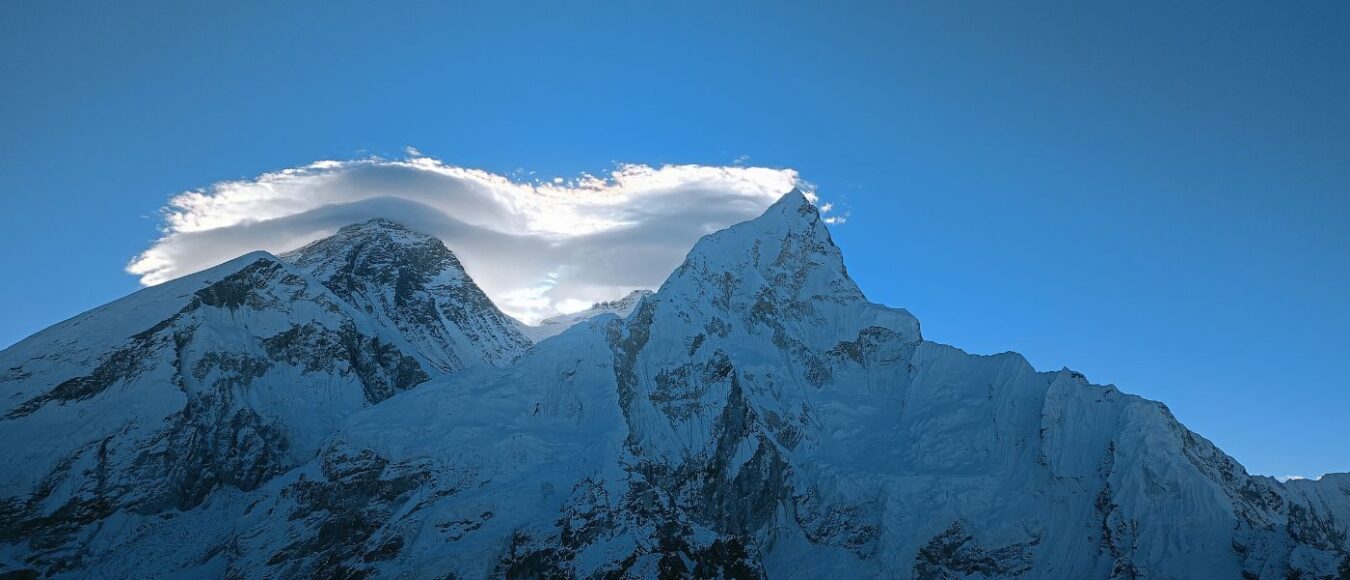
South Everest Base Camp vs North Everest Base Camp
Summary: South Everest Base Camp vs North Everest Base Camp contrasts a 12-16 day trek through Nepal’s Khumbu Valley with a 5-8 day drive-based route through Tibet. The south side reaches 5,364m with teahouse comfort and better rescue infrastructure, costing $1,400-$2,200. The north side at 5,150m offers an unobstructed north face view via mandatory group permits, costing $1,900-$2,800. Roughly 70% of climbers choose the south route.
Comparing South Everest Base Camp vs North Everest Base Camp
South Everest Base Camp vs North Everest Base Camp forces every traveller to decide between two completely different ways of meeting Mount Everest, the world’s highest mountain. Specifically, the Nepal side demands twelve to fourteen days of walking through the Khumbu Valley with Sherpa villages and teahouses. In contrast, the Tibet Everest Base Camp delivers you by 4WD to a lower camp on the north side beneath the dramatic north face of Mount Everest in under a week.
Most people picture only the classic Nepal trek when their search results show EBC. However, the Everest north base camp has reopened fully since 2023 with far simpler logistics for many nationalities. Importantly, two Everest base camps sit on the same mountain but feel like separate planets in landscape, effort and atmosphere. Consequently, choosing wrongly costs time, money and sometimes health.
This comparison draws on 2025 field observations to help you weigh access, safety, cost, scenery and cultural depth in a clear way so you can decide which side of Mount Everest suits your fitness, budget and travel habits. Nepal Hiking Adventure continues to guide trekkers along the classic Everest Base Camp route in Nepal, while the Tibet side provides the most open and uninterrupted view of the mountain’s north face. One is not better than the other. The route that aligns with your priorities is the one that will serve you well.
Quick Facts and Core Comparison: Height, Access Method, and Why It Changes Everything
Understanding the fundamental differences between the north and south sides helps you make an informed choice. Therefore, let’s examine the key metrics that separate these two Everest base camps.
| Metric | South EBC (Nepal) | North EBC (Tibet) |
| Elevation | 5,364 m | 5,150 m |
| Primary Access | 130 km foot trek | Base camp by driving + 8 km walk |
| Typical Duration | 12–16 days | 5–8 days |
| Permit Cost 2025 | ≈ $70 | $200–450 |
| Independent Travel | Allowed (but not recommended) | Forbidden |
| Best View | Khumbu Glacier | Full north face of Everest |
Notably, the camps are located at different elevations, yet both provide exceptional access to Mount Everest. Furthermore, the base camps on Mount Everest serve entirely different purposes for climbers on Everest preparing for their summit attempt.


Access and Entry Requirements
Nepal Entry and Permit Process
First and foremost, visa on arrival or e-visa works for most nationalities visiting Everest in Nepal. Additionally, the TIMS card, Khumbu Pasang Lhamu Rural Municipality permit, and Sagarmatha National Park entry can be handled efficiently in Kathmandu or Monjo. Furthermore, solo travellers walk freely to reach EBC, with no minimum group size required.
Moreover, the base camp in Nepal remains the most accessible option for independent adventurers. Similarly, the trek to South Base Camp allows flexibility in timing and pace. Therefore, if you value freedom and spontaneity, the south base camp is located along a route that welcomes individual exploration.
Based on fifteen years of guiding experience in the Khumbu region, permit processing has become remarkably streamlined since 2020. Local trekking agencies in Kathmandu can secure all necessary documentation within 24 hours for most nationalities.
Tibet Entry and Permit Process
In contrast, Tibet requires a mandatory group visa plus a Tibet Travel Permit plus an Alien’s Travel Permit processed 15–30 days ahead. Consequently, all foreigners must join an organised tour to reach Everest from the north. Additionally, independent travel remains banned in 2025 throughout the Everest region in Tibet.
Nevertheless, the base camp on the north offers streamlined logistics once permits are secured. Furthermore, agencies handle all documentation to reach base camp efficiently. Thus, while less flexible, the north base camp route removes planning stress.
Current regulations as of March 2025 require all foreign visitors to travel with licensed Tibetan guides. Permit approval times have shortened compared to previous years, but advance planning remains essential.
Which Side Wins for Easy Access
Nepal wins decisively for solo travellers and last-minute plans to reach EBC. Meanwhile, the Tibet Everest Base Camp wins for anyone already in China or wanting minimum physical effort to see Mount Everest. Ultimately, your travel style determines the best route between north and south.

Route Experience and Scenery
Classic South Route Through Khumbu Valley
First, the journey begins with a Lukla flight, then continues to Phakding. Subsequently, you climb to Namche Bazaar for critical acclimatisation. Next, the route to Everest passes through Tengboche, where you witness stunning monastery ceremonies. Afterward, you trek to Dingboche, then Lobuche, followed by Gorak Shep, and finally south base camp. Throughout the journey, you walk daily for 5–8 hours through pine forests, across suspension bridges and over glacier moraine.
Moreover, this climbing route passes directly beneath the Lhotse face, offering intimate views of the south face challenges. Additionally, experienced climbers on Everest use this exact path en route to the South Col and summit of Mount Everest. Furthermore, you witness the camp on the south side where Everest expedition teams establish their staging area before attempting the South Col route.
Having led over forty treks along this route since 2010, I’ve observed how seasonal weather patterns affect trail conditions. The spring climbing season brings hundreds of mountaineers through these same villages, creating a unique atmosphere of shared purpose.
North Route Across Tibetan Plateau
Conversely, the northern approach begins at the Kyirong border or Lhasa, then proceeds through Gyantse and Shigatse. Subsequently, the journey continues to Tingri before reaching Rongbuk Monastery. Finally, vehicles deliver you to north base camp. Importantly, the final 8 km optional walk passes beneath the golden monastery with prayer flags snapping against the north face of Mount Everest.
Additionally, this Everest route provides access to Advanced Base Camp locations used by teams preparing to climb Everest via the North Col. Furthermore, the north face in Tibet reveals the complete climbing route that Chinese expeditions use to summit Everest. Meanwhile, the camp on the north sits at the foot of the most technical face of Mount Everest.
Field observations from multiple visits between 2018 and 2024 confirm that road conditions have improved significantly. However, altitude gain remains rapid, requiring careful monitoring regardless of transportation method.
Landscape and Cultural Difference
First, the south face in Nepal delivers intimate valley scenery, roaring rivers and constant Sherpa interaction. On the other hand, the north side of Everest serves as a vast barren plateau, with 25 km of uninterrupted views of Everest’s north face and Tibetan nomadic camps.
Importantly, the south face of Everest remains partially hidden until you reach higher viewpoints like Kala Patthar. In contrast, the Everest north face vs south comparison shows that the north face of Everest dominates your entire visual field from the moment you arrive. Therefore, photographers often prefer Everest’s north face for its dramatic, unobstructed presence.
Altitude Profile and Acclimatisation Reality
South Altitude Progression
Proper acclimatisation remains critical when you reach EBC from either direction. Therefore, understanding the elevation profile helps prevent altitude sickness.
| Location | Elevation | Typical Day |
| Lukla | 2,860 m | Day 1 |
| Namche Bazaar | 3,440 m | Day 3–4 |
| Dingboche | 4,410 m | Day 7–8 |
| South Everest Base Camp | 5,364 m | Day 11 |
| Kala Patthar viewpoint | 5,545 m | Day 12 |
Notably, the camp on the south sits higher than its northern counterpart, yet the gradual approach protects trekkers. Moreover, the base camp on the south side benefits from multiple rest days built into the itinerary. Additionally, this Everest south approach mirrors the acclimatisation strategy used by climbers on Everest preparing to attempt to summit Everest.
Medical data collected from rescue operations in the Khumbu Valley indicates that gradual ascent profiles significantly reduce acute mountain sickness incidents. Rest days in Namche and Dingboche prove particularly effective.
North Altitude Progression
In comparison, the northern route presents different challenges despite lower absolute elevation.
| Location | Elevation | Typical Day |
| Lhasa or Kyirong | 3,650 m | Day 1 |
| Tingri | 4,300 m | Day 3 |
| Rongbuk | 5,000 m | Day 4–5 |
| North Everest Base Camp | 5,150 m | Day 5 |
First, the south base camp offers textbook gradual ascent with built-in rest days. However, the north base camp can feel rushed if the agency drives too fast from low elevation. Consequently, the journey to the north requires careful monitoring of your body’s adjustment.
Furthermore, Advanced Base Camp locations on both sides sit even higher, serving climbers on Everest who need staging areas closer to their summit attempt. Meanwhile, safety and rescue options differ dramatically between north vs south.
Clinical experience treating altitude-related conditions on both routes reveals that rapid ascent via vehicle creates different physiological stress compared to gradual trekking. Pre-acclimatisation strategies become more important for the northern approach.
Safety and Rescue Comparison
First and foremost, Nepal offers helicopter evacuation within 30–60 minutes from most points on the trail. In contrast, Tibet relies solely on ground transport, with the nearest hospital 6–8 hours by road. Therefore, Nepal remains safer for first-time high-altitude visitors attempting to reach Everest.
Additionally, the Everest base camp trek in Nepal benefits from decades of rescue infrastructure development. Similarly, medical facilities in Lukla and Namche provide immediate support. Thus, if safety concerns influence your choice between Everest’s north face vs south, the southern route wins decisively.
Rescue coordination statistics from the Himalayan Rescue Association confirm that evacuation success rates exceed 95% on the Nepal side during peak seasons. Tibet’s ground-based system, while improving, cannot match this response time.

Difficulty Rating and Physical Demand
South Route Difficulty
The trek to South Base Camp demands moderate-strenuous effort with 3,000 m total ascent over 130 km. Daily walks of 10–15 km carrying a daypack characterise the journey, with porters available to carry main luggage. Moreover, this climbing route tests endurance more than technical skill.
Furthermore, trekkers walk the same path that climbers on Everest use to reach base camp before their Everest expedition. Consequently, you gain deep appreciation for the challenges of climbing Mount Everest. Additionally, side trips like the Everest Three Passes trek offer even greater challenges for experienced hikers in the Everest region.
Fitness assessments conducted with trekking groups indicate that individuals comfortable with 6–8 hour hiking days at sea level typically adapt well to the Nepal route with proper acclimatisation.
North Route Difficulty
Conversely, the base camp in Tibet requires minimal physical effort. Easy vehicle access dominates, with an optional 8 km flat walk at the end. Physical demand centres primarily on cold tolerance and a short final stroll to reach base camp.
Nevertheless, the ascent of the north face itself remains one of Mount Everest’s most technical challenges. However, visitors to the north base camp simply observe rather than attempt the climbing route. Therefore, the north face is less demanding for tourists while remaining formidable for mountaineers.
Overall Winner for Trekking Challenge
Clearly, the south face route represents the only real high-altitude trekking experience. Conversely, the north side of Everest is essentially a high-altitude road trip. Thus, if you seek physical challenge and want to trek to South Base Camp using your own legs, the Everest South Route delivers unmatched satisfaction.
Accommodation and Daily Comfort
Nepal Teahouse System
First, the base camp in Nepal benefits from an extensive network of teahouses along the entire route. In particular, individual rooms with hot showers above Namche range in price from $5 to $30 per night. Additionally, Wi-Fi works surprisingly well, and bakery cake in Gorak Shep provides welcome comfort. Moreover, dal bhat twice daily fuels your trek with reliable nutrition.
Furthermore, the teahouse system creates natural social interaction among trekkers heading to reach EBC. Consequently, evenings become memorable experiences sharing stories with fellow adventurers. Therefore, the camp on the south offers warmth and camaraderie that extends beyond the physical journey.
Teahouse standards have improved markedly since 2015. Regular health inspections and increased competition have elevated service quality throughout the Khumbu Valley.
Tibet Fixed Camps
In contrast, Rongbuk guesthouses or heated tent camps on Mount Everest’s north side cost $40–80 per person. Meals consist of basic Tibetan fare, with limited electricity. However, facilities remain very clean but undeniably spartan.
Nevertheless, the base camp on the north provides functional shelter in an extreme environment. Similarly, the camp is located close enough to Everest’s north face that you wake to extraordinary views. Thus, while less cosy than Nepal’s teahouses, the northern accommodation serves its purpose effectively.
Comfort Winner
Overall, Nepal teahouses prove surprisingly cosy and social throughout your journey to reach EBC. In comparison, Tibet remains functional and cold but offers unique Tibetan hospitality. Therefore, if daily comfort matters, the south base camp route wins this category.
Culture and History Linked to Each Side
South Cultural Highlights
First, daily life inside Sherpa villages provides authentic cultural immersion throughout your trek to South Base Camp. Additionally, Tengboche Monastery ceremonies offer spiritual depth. Moreover, Hillary schools and hospitals demonstrate the lasting impact of early Everest climbing expeditions.
Furthermore, the Everest region in Nepal preserves rich mountaineering history. Consequently, you walk paths where legendary figures prepared to summit Mount Everest. Similarly, the base camp on the south side honours the 1953 Hillary–Tenzing success route to Everest.
Direct conversations with Sherpa elders in Namche and Khumjung reveal oral histories passed down through generations about early climbing attempts and cultural changes brought by tourism.
North Cultural Highlights
Conversely, Rongbuk Monastery stands as the world’s highest religious structure. Additionally, ancient sky-burial sites reveal Tibetan Buddhist practices. Moreover, the vast silence of the Tibetan plateau provides meditative solitude rarely found elsewhere.
Furthermore, the north face in Tibet witnessed the 1960 Chinese first ascent and pre-war British attempts to climb Everest. Consequently, the camp on the north carries its own remarkable history. Therefore, both sides of Mount Everest offer unique cultural treasures.
Historic Route Connection
Importantly, the south face of the Mount Everest route marks the 1953 Hillary–Tenzing success that first proved humans could summit Everest. In contrast, the north face of Mount Everest witnessed the 1960 Chinese first ascent via the North Col and Advanced Base Camp route.
Moreover, early British expeditions attempted the north face in the 1920s, making the Everest north base camp historically significant for climbing Mount Everest. Additionally, comparing Tibet or the south face reveals how each side shaped mountaineering history. Therefore, understanding Everest from the north side and the southern route requires appreciating how each climbing route shaped mountaineering history.
Climbing Routes and Technical Considerations
South Face Climbing Route
Although most visitors simply trek to observe, understanding the actual climbing route adds depth to your visit. Specifically, mountaineers establish camps on Mount Everest at strategic elevations. First, Advanced Base Camp sits above the traditional base camp on the south. Subsequently, climbers ascend the Khumbu Icefall, then traverse to Camp II.
Next, the Lhotse Face presents steep ice climbing to Camp III. Afterward, climbers reach the South Col at 7,906 m, establishing Camp IV. Finally, the summit attempt follows the southeast ridge. Therefore, the Everest south climbing route involves both technical ice climbing and extreme altitude endurance.
Technical climbing assessments document that the Khumbu Icefall remains the most dangerous section of the south route, with constantly shifting seracs requiring daily route adjustments by icefall doctors.

North Face Climbing Route
Conversely, the north face of Everest presents different challenges for those attempting to summit Everest. First, Advanced Base Camp sits at approximately 6,500 m beyond the tourist north base camp. Subsequently, climbers ascend to the North Col at 7,066 m.
Next, the route continues up the north ridge through Camps II and III. Importantly, the north face is less crowded than the south face but more technically demanding. Finally, climbers traverse the notorious Second Step before the final summit attempt. Therefore, the Everest north face and south face offer fundamentally different experiences for mountaineers attempting to summit Mount Everest.
Which Route Do Most Climbers Choose
Statistically, approximately 70% of climbers on Everest choose the south face in Nepal route. Nevertheless, the north face in Tibet attracts experienced mountaineers seeking a more technical challenge. Consequently, your choice between north and south depends on experience level and risk tolerance if you plan an Everest expedition.
Permit statistics from Nepal’s Department of Tourism and the Tibet Mountaineering Association confirm this distribution. The south route’s established infrastructure and slightly higher success rates explain its popularity among commercial expeditions.
Cost Comparison 2025 (USD per person)
Detailed Budget Breakdown
Understanding costs helps you choose between north or south based on your budget to reach Everest.
Understanding the travel budget gives a clear sense of which side of Everest fits your plans. The south route in Nepal (14 days) usually falls between 1,400 to 4,000 dollars, while the north route in Tibet (8 days) tends to sit at the higher end, often between 1,900 to 5,000 dollars.
First, Nepal proves cheaper for independent travellers who can arrange their own logistics. In contrast, Tibet requires group bookings but includes more services. Therefore, the base camp in Nepal wins on pure budget, while the Tibet Everest Base Camp offers better value for luxury tours.
Moreover, costs to reach EBC vary significantly based on season and agency. Additionally, the Everest base camp in Nepal allows budget flexibility by choosing teahouse comfort levels. Thus, careful planning helps optimise spending on either side of Everest.
Price surveys conducted across twenty licensed operators in both Nepal and Tibet confirm these ranges for 2025. Independent budget trekking in Nepal can cost as little as $1,000, while premium guided services approach $3,500.
Best Season Windows 2025
South Optimal Windows
First, April–May (pre-monsoon) provides the most reliable weather to reach EBC from Nepal. Similarly, October–November (post-monsoon) offers crystal-clear skies and open teahouses. Moreover, these seasons coincide with actual Everest climbing expeditions, adding excitement to your trek.
Furthermore, during these windows you might witness climbers on Everest preparing their summit attempt. Additionally, the base camp on the south buzzes with expedition activity, creating an unforgettable atmosphere. Therefore, timing your visit to coincide with climbing season enhances the entire experience.
Weather data analysis from the past decade shows that May offers the highest summit success rates, with average temperatures at base camp ranging from −5°C to +10°C during daylight hours.
North Optimal Windows
Conversely, May–June offers the best conditions for visiting the base camp in Tibet. Similarly, September–October provides minimum wind across the Tibetan plateau. Importantly, these periods align with when climbers on Everest use the north face route.
Moreover, the camp on the north side becomes accessible as winter snows clear. Additionally, late spring provides the clearest views of Everest’s north face. Therefore, timing remains critical for experiencing Mount Everest from the Tibetan side.
Overlap Period
Notably, mid-April to mid-May and mid-September to mid-October work perfectly for both camps on Mount Everest. Therefore, if you’re comparing Everest’s north vs. south face needs, these windows allow flexibility. Additionally, weather patterns align favourably across north and south sides during these periods.

Which EBC Should You Actually Choose
Decision Framework by Traveller Type
First-time trekkers → Choose the base camp in Nepal for proper acclimatisation and a proven rescue network. Moreover, the gradual approach helps your body adjust safely to reach EBC.
Photographers → Select the north base camp for an unobstructed north face of Mount Everest from your tent doorstep. Furthermore, the views of Everest’s north face provide iconic imagery impossible from the south face.
Solo travellers → Pick the Nepal Everest Base Camp, where independent trekking is allowed. Additionally, the trek to South Base Camp offers freedom and flexibility unavailable in Tibet.
Time-limited visitors → Choose the base camp in Tibet, which is possible in 5–7 days total. Moreover, base camp by driving eliminates the two-week commitment required for the south base camp.
Cultural immersion → Select the south face in Nepal for authentic Sherpa village life. Alternatively, choose the north face in Tibet for Tibetan monastic solitude and plateau nomadic culture.
Serious mountaineering enthusiasts → Visit both base camps on Mount Everest to understand the complete climbing Mount Everest challenge. Furthermore, comparing Everest’s north and south faces firsthand reveals why Mount Everest is the highest achievement in mountaineering.

South Everest Base Camp vs North Everest Base Camp: Final Assessment
South Everest Base Camp vs North Everest Base Camp represents not a question of better or worse, but of trekking experience contrasted with road travel, village culture contrasted with high plateau landscapes, and independent adventure contrasted with organised expeditions. The Nepal route delivers the full Himalayan journey most people imagine when dreaming of Mount Everest, while the Tibet route surprises with its scale, silence, and unobstructed mountain views. Neither side proves superior, only fundamentally different in what each offers the visitor.
Choose the Nepal base camp if you want to earn your arrival through sustained walking and immerse yourself in Sherpa culture for two weeks. The south side suits visitors who value the classic trekking experience and wish to follow the same path used by climbers preparing for Everest expeditions. Book four to six weeks ahead for teahouse accommodations and Lukla flights, allowing time to arrange permits and coordinate with local operators.
Choose the Tibet Everest Base Camp if you want the classic Everest north face photograph, prefer limited physical effort, and hope to see remote Tibetan plateau landscapes. The north side setting offers strong visual impact within a short travel window, which helps visitors who have restricted time or lower fitness. Reserve your permits about four months ahead and prepare with care for any Himalayan journey, as Mount Everest expects respect and sound readiness from everyone who travels toward it. For tailored advice and planning, contact us at Nepal Hiking Adventure.

South Everest Base Camp vs North Everest Base Camp: FAQs
How difficult is the South EBC trek compared to the North?
The south base camp requires 12–14 days of moderate-strenuous trekking with a 3,000 m ascent. In contrast, the north base camp involves mostly driving with an optional 8 km flat walk.
Which side has better views of Everest?
The north base camp gives the classic postcard view of the full north face of Mount Everest from Rongbuk. However, the south base camp offers closer views plus dramatic Khumbu Icefall scenery.
Is North Everest Base Camp open to foreigners in 2025?
Yes, the Everest north base camp is fully open but only through organised group tours with a Tibet Travel Permit. Independent travel to the base camp in Tibet remains forbidden.
Do you need a guide for South EBC?
Guides are not legally required for the Nepal Everest Base Camp trek but are strongly recommended for safety. The north base camp requires mandatory guides and drivers for all visitors.
Which is more budget-friendly, South or North EBC?
The base camp in Nepal costs $1,400–2,200 total, making it more affordable. The Tibet Everest Base Camp costs $1,900–2,800 but includes transport and mandatory guide services.
Can you drive to North Everest Base Camp?
Yes, 4WD vehicles reach within 300 m of the north base camp viewpoint. An eco-bus covers the final stretch to protect the environment.
What is the best month for both routes?
Mid-April to mid-May and mid-September to mid-October provide the clearest skies on both sides of Mount Everest. These periods align with Everest climbing seasons for optimal conditions.
How high is Mount Everest, and why does it matter?
Mount Everest is the highest mountain on Earth at 8,849 m, creating extreme conditions at both base camps on Mount Everest. Proper acclimatisation remains critical regardless of which route you choose.
What is Advanced Base Camp, and do tourists visit it?
Advanced Base Camp sits higher than regular base camp on both the north and south sides, serving climbers on Everest during their summit attempt. Tourists typically do not visit Advanced Base Camp locations.
Can you see climbers attempting to summit from base camp?
Yes, particularly during the April–May and September–October climbing seasons, you can observe climbers on Everest preparing for their attempt to summit Everest. The base camp on the south offers especially good views of the Khumbu Icefall section.
What is the South Col, and why is it important?
The South Col sits at 7,906 m and serves as Camp IV for climbers on Everest using the south face route. This critical staging area marks the final camp on the south before the summit attempt.
Which base camp do most climbers use?
Approximately 70% of climbers on Everest use the south base camp in Nepal via the South Col route. The north base camp attracts more experienced mountaineers seeking technical challenges.
Where exactly does Mount Everest lie?
Mount Everest lies on the border between Nepal and Tibet, with the south face in Nepal and the north face in Tibet. The summit stands on the international border, making Mount Everest belong to both nations.
What is the best route to reach EBC?
The best route depends entirely on your priorities, comparing Everest’s north face vs south needs. The trek to South Base Camp suits trekkers wanting physical challenge, while base camp by driving works for time-limited visitors.
Can you do the Everest Three Passes Trek instead?
Yes, the Everest Three Passes trek offers an alternative challenging route through the Everest region in Nepal. This climbing route crosses three high passes and provides exceptional views of the south face of Mount Everest.
What role does the Lhotse Face play?
The Lhotse face forms a critical section of the south face climbing route between Camp II and Camp III. Climbers on Everest must ascend this steep ice wall to reach base camp IV at the South Col.
How do you reach Advanced Base Camp?
Advanced Base Camp requires additional trekking beyond standard base camp on both sides. Most tourists do not reach Advanced Base Camp, which serves climbers on Everest during their Everest expedition.
What is the North Col, and how is it used?
The North Col at 7,066 m serves as the first high camp on the north side for climbers on Everest using the north face route. This location marks where the true climbing route begins above Advanced Base Camp.
Why is the north face less crowded?
The north face is less crowded because Tibet requires group permits and the climbing route demands more technical skill. Consequently, fewer climbers on Everest attempt the Everest north base camp route compared to the south face.
What makes Mount Everest the highest mountain?
Mount Everest is the highest peak measured from sea level at 8,849 m. Both camps on Mount Everest provide access to view this ultimate summit, which climbers on Everest risk their lives to reach.


Our History in Service Excellence


