
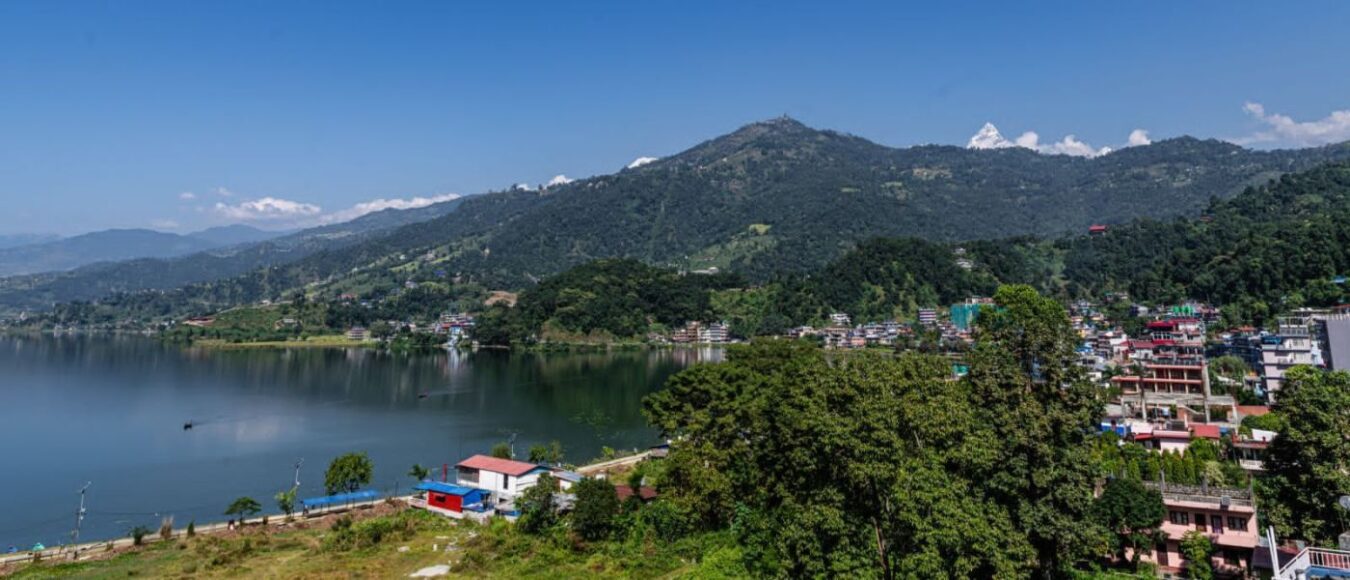
Phewa Lake
Summary: Phewa Lake, Pokhara’s freshwater centrepiece, spans 4.43 sq km at 742 m elevation, making it Nepal’s second-largest lake. Highlights include boating to the island Tal Barahi Temple, paragliding launches from Sarangkot, and mountain reflections of the Annapurna range. Autumn and spring offer peak clarity for photography, while lakeside cafés, hikes to World Peace Pagoda and nearby villages round out this cultural and adventure hub for travellers heading into the Annapurna region.
Phewa Lake: More Than a Scenic Stop
Picture yourself gliding across calm waters while snow-capped peaks of the Annapurna mountains stand guard overhead. Many travellers struggle to find authentic retreats where natural beauty meets cultural depth, and the search often leads to disappointment. Phewa Lake (Fewa Lake) offers exactly what you need: a freshwater sanctuary in Pokhara, Nepal, where peaceful mornings, temple visits, and mountain reflections create memories worth keeping.
This isn’t just another tourist spot on your checklist. Phewa Tal (Fewa Taal) serves as the travellers’ focal point in Pokhara Valley, combining adventure opportunities with spiritual calm. Whether you paddle to Tal Barahi Temple, hike toward World Peace Pagoda, or simply watch the reflection of the Annapurna Range dance across the water, this destination rewards those who take time to explore.
I’ll walk you through everything from boat rides and lakeside dining to practical travel tips and sample itineraries, drawing on local insight from Nepal Hiking Adventure. By the end, you’ll know exactly how to experience this second-largest lake in Nepal like someone who truly understands the region. Let’s start planning your visit to one of the most captivating places in Pokhara.


History & Cultural Significance
Phewa Lake (also spelt Fewa Lake) formed thousands of years ago through natural geological processes that shaped the Kaski district landscape. Consequently, the freshwater lake became central to local life, supporting fishing communities and agriculture across the densely forested hillsides. Moreover, Phewa Tal holds spiritual significance for residents who have performed religious ceremonies along its shores for generations.
| Aspect | Details |
| Formation | Natural geological processes created the lake thousands of years ago in Pokhara Valley. |
| Size | The lake covers an area of approximately 4.43 square kilometres. |
| Ranking | Phewa Lake is the second largest lake in Nepal after Rara Lake. |
| Cultural Role | Served as a spiritual site and resource for local communities across centuries. |
| Historical Use | Supported trading routes between Nepal and Tibet, helping Pokhara develop as a hub. |
Historical records show that Pokhara grew as a trading hub partly because of this freshwater lake. Merchants travelling between Nepal and Tibet would rest here, and over time, settlements expanded into what we now call Lakeside. Today, the lake covers an area of approximately 4.43 square kilometres, making Phewa Lake the second largest body of water in the country after Rara Lake. The lake is also a vital ecosystem supporting diverse aquatic life and migratory birds.
Cultural traditions remain strong throughout the region. Families still perform ceremonies at Tal Barahi Temple, and festivals bring colourful boats filled with offerings onto the water. Understanding this background helps visitors appreciate why locals treat the lake with reverence and why preservation efforts continue throughout Pokhara and Phewa Lake.
The sacred Tal Barahi Temple represents the heart of religious tradition at Phewa Lake. This pagoda-style shrine sits on a small island in the middle of the lake, dedicated to the Hindu goddess Barahi (an incarnation of Durga). Visitors must take a boat to reach the temple in the middle, which adds to its mystical appeal.
Key features of Tal Barahi Temple:
- Location: Island in Phewa Lake, accessible only by water
- Religious Significance: Devotees perform ceremonies and animal sacrifices during festivals
- Architecture: Traditional pagoda-style structure reflecting Nepali temple design
- Visitor Guidelines: Remove shoes before entering, dress modestly, and maintain respectful behaviour.
- Best Time to Visit: Early morning or during festival periods for authentic cultural experiences
The Taal Barahi site welcomes travellers of all backgrounds. Furthermore, standing on the island in the lake with mountains rising beyond creates a profound sense of peace that many describe as transformative.

Where Is Phewa Lake?
Phewa Lake is located in the southern part of Pokhara, serving as the geographical and cultural heart of the beautiful city. The lake in Pokhara sits at an elevation of roughly 742 metres within Central Nepal, making the climate comfortable year-round. Additionally, the Baidam area along the eastern shore has developed into the main Lakeside district, where most hotels and restaurants cluster.
Getting to Phewa Lake from Kathmandu:
- By Air: 25-minute flight from capital of Nepal to Pokhara Airport, then 10-minute taxi to Lakeside
- By Tourist Bus: 6-7 hour journey along Prithvi Highway with scenic mountain views
- By Private Vehicle: Flexible timing, around 6 hours depending on traffic and stops
- By Local Bus: Most economical option, though less comfortable and takes 7-8 hours
Once in Pokhara, the lake in Pokhara is easily accessible. Most accommodations sit within walking distance of the water, and taxis or rental bikes can get you to any part of Pokhara within minutes.
| Starting Point | Distance to Phewa Lake | Travel Time | Best Mode |
| Pokhara Airport | 3 km | 10-15 minutes | Taxi, rideshare |
| Pokhara Bus Park | 2 km | 10 minutes | Taxi, walk |
| Lakeside Hotels | 0-1 km | 5-10 minutes walk | Walking |
| Sarangkot Viewpoint | 10 km | 30 minutes | Taxi, motorbike |
The view of Pokhara from various points around the lake showcases how perfectly the city integrates with its natural surroundings. Pokhara and Phewa Lake form an inseparable pair that defines the region’s tourism identity.
Best Time to Visit
Timing matters when planning your visit to Phewa Lake. Each season brings different weather patterns, tourist crowds, and mountain visibility. Consequently, understanding seasonal variations helps you maximise your experience at this tourist attraction in Pokhara.
| Season | Months | Weather | Mountain Views | Crowd Level | Best For |
| Spring | March-May | Warm, clear skies | Excellent, especially early morning | Moderate to high | Photography, paragliding, all activities |
| Autumn | September-November | Mild, stable weather | Outstanding clarity | Peak season | Everything, ideal overall conditions |
| Winter | December-February | Cool mornings, pleasant afternoons | Very good | Low to moderate | Peaceful boat rides, avoiding crowds |
| Monsoon | June-August | Heavy rain, humidity | Often obscured by clouds | Very low | Budget travel, lush landscapes |
Spring season advantages:
- Rhododendron blooms add color to hillside trails around Phewa Lake
- Temperature ranges from 15 to 28°C, comfortable for outdoor activities
- Clear visibility allows breathtaking views of Mount Machhapuchhre and Dhaulagiri
- Moderate tourist numbers mean shorter wait times for boat rentals
Autumn season benefits:
- Post-monsoon clarity delivers the best panoramic view of the Annapurna Range
- Festivals like Dashain bring cultural vibrancy to Pokhara and surrounding areas
- Stable weather patterns reduce cancellation risks for paragliding and hiking
- Perfect conditions for capturing the famous reflection in Phewa Lake
Winter offers tranquillity despite cooler temperatures. Morning fog sometimes obscures the mountains initially but typically clears by mid-morning to reveal spectacular views of the Annapurna Range. Meanwhile, monsoon season suits adventurous travellers who don’t mind rain and want to experience the Rani Ban forest at its greenest.
Top Things to Do at Phewa Lake
Phewa Lake is a great destination offering diverse activities beyond simple sightseeing. Whether you seek adventure, cultural immersion, or relaxation, the options around Phewa Tal cater to different interests and energy levels.
Boating experiences on the lake:
- Rowing Boats: For leisurely exploration, rent a traditional wooden boat for NPR 500–800 per hour.
- Paddleboats: Family-friendly option with covered seating for 2-4 people
- Barahi Temple Access. Boats offer the fastest and most convenient travel to Tal Barahi Temple, the sacred island shrine at the centre of Phewa Lake.
- Motorboats: Distant shore of Phewa Lake areas.
- Guided Tours: While rowing, local boatmen tell tales about the history and culture of the lake.
Take a boat ride during the early morning to enjoy the lake at its calmest. The middle of Phewa Lake provides unobstructed mountain reflections, and you’ll likely spot local fishermen casting nets using traditional methods.
Activities around the lake:
| Activity | Duration | Cost Range | Best Time | Difficulty |
| Kayaking | 1-3 hours | NPR 500-1500 | Morning or late afternoon | Easy to moderate |
| Stand-Up Paddleboarding | 1-2 hours | NPR 800-1200 | Calm weather days | Moderate |
| Lakeside Walking | 30 min – 2 hours | Free | Anytime | Easy |
| Cycling Tour | 2-4 hours | NPR 300-500 (rental) | Morning | Easy |
| Birdwatching | 2-3 hours | Free | Early morning | Easy |
| Photography Sessions | Variable | Free | Sunrise/sunset | Easy |
| Fishing | 2-4 hours | NPR 500-1000 (permit + gear) | Morning or evening | Easy |
Visiting Barahi Temple requires a short boat journey. Most boat rides to the temple take 15-20 minutes each way, and you can combine this with general lake exploration. Remember to dress appropriately before you visit the temple, covering shoulders and knees as a sign of respect.
Lakeside promenade activities:
- Look through handicraft stores that sell singing bowls, pashmina shawls, and Tibetan jewellery.
- Stop at viewpoint cafes for coffee while watching colorful boats drift past
- Join evening gatherings where musicians perform traditional Nepali songs
- Explore yoga and meditation centers offering classes with mountain backdrops
- Explore galleries that showcase local painters’ creations influenced by the scenery of Pokhara.
Cycling around the lake offers a different perspective compared to water activities. The roughly 12-kilometre route takes you through quieter neighbourhoods, past rice paddies, and along sections where locals still farm fish. Moreover, this journey reveals how deeply the water capacity of the lake influences daily life throughout the region.
For those who enjoy boating but want something unique, fishing provides a peaceful alternative. Local guides can arrange equipment and explain traditional techniques. Just remember that regulations protect certain species, so follow all guidelines to help preserve the ecosystem.

Adventure & Outdoor Activities
Pokhara ranks among Nepal’s top adventure destinations, and Phewa Lake serves as the launchpad for thrilling experiences. Consequently, adrenaline seekers find plenty of options beyond water-based recreation.
Paragliding over Phewa Lake:
- Launch Point: Sarangkot hilltop (1,592 meters elevation)
- Flight Duration: 30-45 minutes typically
- Landing Zone: Along the lakeside of Pokhara near the promenade
- Cost: USD 75-100 depending on season and photos/video package
- Requirements: No experience needed, tandem flights with certified pilots
- Best Season: October-May for stable conditions and clear views
Flying above Phewa Lake delivers unmatched aerial perspectives. You’ll soar past Machhapuchhre while looking down at boats that appear tiny against the water’s expanse. Furthermore, the experience combines extreme adventure with remarkable serenity once you’re gliding smoothly through mountain thermals.
| Hiking Trail | Starting Point | Duration | Difficulty | Highlights |
| World Peace Pagoda | Lakeside or Damside | 1.5-2 hours up | Moderate | White Buddhist stupa, panoramic view of lake and Annapurna |
| Rani Ban Trail | Near dam area | 2-3 hours loop | Easy to moderate | Densely forested path through Rani Ban, birdwatching opportunities |
| Pumdi Bhumdi Village | Across the lake | 2-4 hours | Moderate | Traditional villages, terraced farming, authentic culture |
| Lake Circuit | Any Lakeside point | 3-4 hours | Easy | Complete circumnavigation, mix of roads and trails |
Hiking to World Peace Pagoda ranks among the most popular activities near Phewa Lake. The trail climbs steadily through forest before emerging at the brilliant white stupa. From there, you’ll get a view of Pokhara that includes the entire lake, urban areas below, and the Annapurna Range stretching across the horizon.
Additional adventure options:
- Zip-lining: One of the world’s steepest and fastest zip lines operates just outside Pokhara
- Rock Climbing: Natural and artificial walls near the lake cater to different skill levels
- Mountain Biking: Technical trails through hills surrounding Phewa Tal challenge experienced riders
- Ultralight Flights: Motorized aircraft offer alternatives to paragliding with similar views
Trail routes around Phewa Lake vary from paved paths suitable for casual strolls to rugged tracks requiring proper footwear. The circuit covering the full perimeter takes you past villages where life continues much as it has for decades, offering authentic glimpses of rural Nepalese existence.
Scenic Views & Photography Spots
The scenery of Phewa Lake changes throughout the day, and knowing where to position yourself makes the difference between ordinary and extraordinary photographs. Moreover, the interplay between light, water, and mountains creates constantly shifting visual opportunities.
Best sunrise locations:
- Lakeside promenade near Hotel Barahi Point (easy access, crowded)
- Rowing out to middle of the lake (best reflections; requires pre-arranged boat)
- World Peace Pagoda (elevated perspective, 45-minute pre-dawn hike required)
- Eastern shore near Pame village (fewer tourists, authentic fishing scenes)
Sunrise transforms Phewa Lake into something magical. The reflection of the Annapurna mountains appears clearest in morning stillness before winds pick up. Photographers should arrive at least 30 minutes before sunrise to set up properly and capture the gradual colour shifts across the sky.
Sunset photography spots:
| Location | View Type | Accessibility | Unique Features |
| Sarangkot Hilltop | Elevated panorama | 30-minute drive | Snow-capped peaks turning golden, entire valley visible |
| Barahi Temple Island | Water-level perspective | Requires boat | Temple silhouette against sunset colors |
| Western shore restaurants | Lakefront dining view | Walking distance | Combine dinner with photography |
| Phewa Dam Area | Southern vantage | 15-minute drive | Lesser-known spot with unique angles |
The reflection in Phewa Lake becomes particularly photogenic during golden hour when the low sun illuminates the mountains while the water remains relatively calm. Therefore, serious photographers often take a boat out around 4:30 PM to position themselves for optimal shots as the light changes.
Instagram-worthy compositions:
- Colorful boats lined up along the shore with mountains behind
- Wooden boat with single rower in foreground, Annapurna Range in background
- Morning mist hovering over water while mountains peek through
- Tal Barahi Temple framed by boat masts and prayer flags
- Aerial perspectives showing the lake’s distinctive shape and surrounding city
Photography at Phewa Tal isn’t just about landscapes. The bustling Lakeside area provides opportunities for street photography, capturing vendors selling street food, monks visiting from nearby monasteries, and travellers from around the world interacting with locals. Additionally, festival periods bring colourful celebrations that make for compelling cultural documentation.
For the most dramatic views of the Annapurna Range, plan to photograph between October and April, when atmospheric clarity peaks. The Machhapuchhre peak, with its distinctive fishtail shape, often becomes the focal point that anchors compositions and gives viewers a sense of scale.
Food, Cafés & Local Cuisine
The lakeside restaurant scene in Pokhara blends international options with authentic Nepali flavours. Consequently, you can enjoy familiar comfort foods while also exploring traditional dishes that define the region’s culinary identity.
Traditional Nepali dishes to try:
- Dal Bhat: Rice with lentil soup, curried vegetables, pickle, and papad (often unlimited refills)
- Momo: Steamed or fried dumplings filled with buffalo, chicken, or vegetables
- Thukpa: Hearty noodle soup perfect for cool evenings near Phewa Lake
- Sel Roti: Sweet rice flour bread, ring-shaped and crispy
- Gundruk: Fermented leafy greens soup, distinctively tangy flavor
- Yomari: Sweet dumpling filled with molasses and coconut (seasonal specialty)
Most restaurants around the lake offer set menus that let you sample multiple dishes at reasonable prices. Dal Bhat costs NPR 400-1000 depending on the establishment, while Momo plates run NPR 150-350 for 10 pieces.
| Restaurant Type | Price Range | Atmosphere | Best For | Location |
| Local Nepali Joints | NPR 300-700 | Casual, authentic | Traditional meals, budget dining | Throughout Lakeside |
| Lakefront Cafés | NPR 500-1000 | Relaxed, scenic | Coffee, breakfast, light lunch | Prime lakeside spots |
| International Restaurants | NPR 1000-2500 | Varied | Western food, pizza, pasta | Main Lakeside road |
| Rooftop Restaurants | NPR 1000-2000 | Elevated, romantic | Dinner with views, special occasions | Hotel buildings |
| Street Food Stalls | NPR 100-500 | Standing/basic seating | Quick snacks, local experience | Market areas, promenade |
Popular cafés along Lakeside:
- Busy Bee Café: Renowned for its lake views and breakfast selections
- Moondance Restaurant: Rooftop setting with strong coffee and baked goods
- Pumpernickel Bakery: German-style breads and pastries
- Caffe Concerto: Italian coffee and lakefront seating
- Fresh Elements: Health-focused menu with smoothies and salads
Street food around Phewa Lake gives you quick, affordable tastes of local life. Look for vendors selling samosas (NPR 30-50), chatpate (spicy puffed rice snack), and pani puri (crispy shells filled with spiced water). These snacks pair well with evening walks along the promenade while watching the scenery of Phewa Lake transform in fading light.
Dining tips for Pokhara:
- Many restaurants include service charges, so check the bill before adding tips
- Vegetarian options appear widely, making Pokhara friendly for plant-based diets
- Meal times run later than Western schedules, with dinner service often until 10 PM
- Rooftop venues fill up during sunset, so arrive early to secure good tables
- Negotiate prices at tourist-heavy establishments if menus lack clear pricing
Local breweries near Phewa Tal produce craft beers that complement spicy Nepali food. Try Sherpa Beer or Gorkha Beer for authentic Nepal brews, or sample seasonal offerings from newer microbreweries that have emerged throughout the city of Pokhara. Some visitors also refer to the area as Fewa, using the alternative spelling commonly seen on local signage.
Accommodation Around Phewa Lake
Finding the right place to stay dramatically affects your Phewa Lake experience. The Lakeside district contains hundreds of options, from simple guesthouses to boutique properties with private balconies overlooking the water.
Budget accommodation (NPR 1000-2000 per night):
- Basic guesthouses with shared bathrooms and simple furnishings
- Family-run lodges offering authentic Nepali hospitality
- Backpacker hostels with dorm beds and common areas
- Located slightly inland from the water, 5-10 minute walk to lake
Mid-range hotels (NPR 2000-8000 per night):
- Private rooms with attached bathrooms and hot water
- Some properties with lakefront locations and balconies
- Restaurant facilities, WiFi, and tour booking assistance included
- Mix of Nepali and international management styles
| Price Category | Features | Sample Properties | Best For |
| Budget | Shared facilities, basic comfort | Hotel Sahara, Hotel Middle Path | Backpackers, short stays |
| Mid-Range | Private bath, some views | Hotel Trek O Tel, Hotel Karuna | Most travelers, good value |
| Boutique | Stylish design, quality service | Temple Tree Resort, Waterfront Resort | Couples, comfort seekers |
| Luxury | Premium amenities, exceptional views | Hotel Barahi, Pavilions Himalayas | Special occasions, high standards |
Boutique and luxury options (NPR 8000+ per night):
- Architectural design incorporating traditional Nepali elements
- Direct lakefront positions with unobstructed mountain views
- Swimming pools, spa facilities, and fine dining restaurants
- Concierge services for arranging activities throughout Pokhara
Location matters more than many travellers realise initially. Properties directly on the water cost more but eliminate daily walks to enjoy the lake. Meanwhile, accommodation positioned 2-3 blocks inland often provides better value while still keeping you within easy reach of everything.
Booking considerations:
- Peak season (October-November, March-April) requires advance reservations
- Many hotels offer airport pickup services, often free or nominal cost
- Rooms facing the lake command premium prices over street-facing alternatives
- Off-season discounts can reach 40-50% of published rates
- Long-term stays (one week+) usually qualify for negotiated rates
Some travellers prefer staying in less developed areas across the lake for quieter experiences. Villages on the southern and western shores offer homestay options where you’ll live with local families, sharing meals and learning about daily life. These cost NPR 1000-2000 per night, including breakfast and dinner.
Nearby Attractions & Day Trips
Phewa Lake anchors your Pokhara visit, but surrounding attractions deserve equal attention. Therefore, planning day trips expands your understanding of the region while adding variety to your itinerary.
World Peace Pagoda (Shanti Stupa):
- Distance: 5 km from central Lakeside
- Access: Boat across lake + 45-minute hike, or vehicle to base + 20-minute walk
- Entry: Free, donations welcomed
- Highlights: Brilliant white stupa, 360-degree mountain views, peaceful meditation spaces
- Time Needed: 2-3 hours including travel and exploration
The World Peace Pagoda offers perspective on why Phewa Lake is one of Nepal’s most photographed locations. From this elevated position, you’ll see how the water integrates with urban development and natural landscapes.
| Attraction | Distance from Lake | Entry Fee | Time Required | Best For |
| Sarangkot Viewpoint | 13 km | Free | Half day | Sunrise, paragliding launch |
| Devi’s Falls | 2 km | NPR 50 | 1-2 hours | Natural phenomenon, caves |
| Gupteshwor Cave | 2 km | NPR 100 | 1 hour | Underground exploration |
| Mountain Museum | 3 km | NPR 500 | 2-3 hours | Mountaineering history |
| Begnas and Rupa Lakes | 15 km | Free | Half to full day | Quieter alternatives to Phewa |
| Ratna Mandir (Palace) | 1 km | Free (exterior) | 30 minutes | Architecture, photos |
| Annapurna Cable Car | 8 km | NPR 1000-1500 | Half day | Mountain views without hiking |
Devi’s Falls & Gupteshwor Mahadev Cave:
Devi’s Falls (Patale Chhango) flows underground during monsoon season when the water capacity of the lake increases and overflow rushes through limestone formations. The adjacent Gupteshwor Mahadev Cave contains stalactites, stalagmites, and a sacred Shiva shrine accessed through narrow passages. Combined visits to both sites take 2-3 hours total.
The International Mountain Museum features:
- Exhibits on Himalayan ecology, geology, and mountaineering achievements
- Displays honoring famous climbers including Tenzing Norgay and Edmund Hillary
- Cultural sections showing traditional mountain community lifestyles
- Scale models of major peaks including those visible from Phewa Lake
- Library with mountaineering literature and expedition records
The Begnas and Rupa Lakes provide alternatives if you want to experience quieter waters. These lakes of Pokhara Valley see fewer tourists, making them ideal for travellers seeking solitude. Local villages around these lakes maintain traditional farming practices, and you can arrange homestays through community tourism programmes.
Ratna Mandir Palace sits just beyond Lakeside, a historical building constructed by Rana rulers. While you cannot enter the interior, the exterior architecture and surrounding gardens make worthwhile photo subjects. The palace grounds connect to walking paths that eventually lead to less visited sections of the shore of Phewa Lake.
The Annapurna Cable Car carries passengers from Khare Khola to Annapurna Station at 2,210 metres elevation. The journey takes 10 minutes and delivers stunning aerial views without physical exertion. At the top station, restaurants and viewpoints let you appreciate the Annapurna massif while enjoying refreshments.
Practical Travel Tips
Preparation prevents problems and helps you maximise your time at Phewa Lake. Consequently, understanding practical details ensures smooth experiences throughout Pokhara.
Safety tips for boating:
- Regardless of your ability to swim, always wear the life jackets that are provided
- Avoid standing or sudden movements in wooden boats to maintain stability
- Monitor weather conditions, as afternoon winds sometimes make water choppy
- Keep valuables in waterproof bags since splashing commonly occurs
- Inform rental operators about your intended route and expected return time
- Don’t venture far from shore if you lack boating experience
The lake water depth varies considerably, reaching 24 metres in some areas. While it might seem tempting to swim, authorities officially prohibit swimming in Phewa Lake due to safety concerns, including submerged vegetation and inconsistent depths. Respect these regulations to avoid problems with authorities.
Temple etiquette at Tal Barahi:
| Do | Don’t |
| Remove shoes before entering | Wear revealing clothing |
| Dress modestly (cover shoulders/knees) | Take photos during active prayer ceremonies |
| Ask permission before photographing worshippers | Touch religious objects without permission |
| Make small donations if you wish | Eat or drink inside the temple structure |
| Maintain quiet, respectful behaviour. | Turn your back to deities |
Understanding local customs prevents unintentional offence. The Taal Barahi Temple welcomes non-Hindu visitors, but showing cultural sensitivity demonstrates respect for traditions that locals hold sacred. During major festivals like Dashain or Tihar, ceremonies become more elaborate and crowds increase significantly.
Money and costs:
- ATMs cluster throughout Lakeside, though some run empty during peak season
- Credit cards work at larger hotels and restaurants, but cash dominates small transactions
- Bargaining applies to souvenir shops, boat rentals, and some services, not restaurants
- Budget NPR 3000-5000 daily for mid-range comfort (accommodation, meals, activities)
- Keep small denominations available, as vendors often lack change for large notes
Currency exchange offices along the main Lakeside strip offer competitive rates compared to airport or hotel exchanges. However, notify your bank about Nepal travel beforehand to prevent card blocks due to unusual activity patterns.
Accessibility considerations:
- The lakeside promenade features mostly paved surfaces suitable for wheelchairs
- Getting into traditional boats requires climbing steps and balance, which is challenging for mobility limitations
- While rooftop events need steps, many restaurants have seating on the bottom floor
- Some attractions, like World Peace Pagoda involve significant climbing, limiting accessibility
- Newer hotels offer elevators and accessible rooms; older properties often don’t
Parking near Phewa Lake becomes tight during peak season, especially around central Lakeside areas. Hotels typically provide parking for guests, but street parking requires careful attention to local regulations. Alternatively, walking, cycling, or using taxis eliminates parking concerns altogether.
Sample Itineraries
Structured plans help you balance activities, rest, and spontaneous exploration. These itineraries adapt easily based on your interests and energy levels.
One Day at Phewa Lake:
| Time | Activity | Details |
| 6:00 AM | Sunrise boat ride | Rent boat early to catch morning calm and photograph mountain reflections |
| 7:30 AM | Breakfast at lakeside café | Try Nepali breakfast or Western options while lake wakes up |
| 9:00 AM | Tal Barahi Temple visit | Take a boat to temple island, explore the shrine, and return to shore |
| 11:00 AM | Lakeside walk & shopping | Browse handicraft shops, galleries, and bookshops. |
| 1:00 PM | Lunch with lake view | Choose restaurant with balcony seating for relaxed dining |
| 2:30 PM | Afternoon rest or café time | Escape midday heat, plan evening activities |
| 4:00 PM | Paragliding or World Peace Pagoda | Choose adventure or cultural/hiking option |
| 6:30 PM | Sunset viewing | Position yourself at chosen viewpoint with camera ready |
| 7:30 PM | Dinner at rooftop restaurant | Celebrate evening with good food and lingering mountain twilight |
This single-day plan covers highlights while maintaining comfortable pacing. Naturally, adjust timing based on season, personal preferences, and energy levels throughout the day.
Two-Day Pokhara + Phewa Lake Itinerary:
Day 1 – Lake Focus:
- Morning: Early boat ride and Barahi Temple visit
- Late Morning: Kayaking or paddleboarding session
- Afternoon: Lakeside promenade walk, café stops, shopping
- Evening: Sunset from Sarangkot viewpoint
- Night: Traditional Nepali dinner with cultural show
Day 2 – Adventure & Surroundings:
- Early Morning: Sunrise at Sarangkot or World Peace Pagoda hike
- Mid-Morning: Return for breakfast and brief rest
- Late Morning: Paragliding flight over Phewa Lake
- Afternoon: Visit Devi’s Falls, Gupteshwor Cave, and the Mountain Museum
- Evening: Relaxed lakeside dinner, reflecting on experiences
Alternative Day 2 – Cultural Immersion:
- Morning: Cycle around the lake to villages on southern shore
- Midday: Traditional lunch in local village home
- Afternoon: Visit Ratna Mandir, explore quieter Phewa shoreline areas
- Late Afternoon: Annapurna Cable Car for elevated mountain views
- Evening: Street food sampling along Lakeside promenade
These frameworks provide structure while leaving room for spontaneous discoveries. Some travellers spend entire weeks exploring Pokhara and still find new experiences daily. Additionally, using Phewa Tal as your base makes logical sense since most attractions sit within 30 minutes by vehicle.
Extended itinerary suggestions:
- Day 3: Trek to Poon Hill (overnight trek) for extended mountain immersion
- Day 4: Explore Begnas and Rupa Lakes for comparison with Phewa
- Day 5: Rest day for spa treatments, yoga classes, or simply relaxing lakeside
- Day 6: Cooking classes, cultural village excursions, or workshops for traditional crafts
- Day 7: Final morning at Phewa Lake, departure preparations
Remember that Phewa Tal is the travellers’ starting point for many longer treks, including the Annapurna Circuit and Annapurna Base Camp Trek. Therefore, some visitors spend 2-3 days acclimatising and preparing in Pokhara before heading into higher elevations.
Traveller Stories from Phewa Lake
Real traveller experiences provide valuable insights into what actually works at Phewa Lake. Lindy, a landscape photographer from Australia, spent five days focusing exclusively on capturing the lake at sunrise from a wooden boat she rented every morning at 5:30 AM. Her strategy paid off when she captured the Annapurna mountain reflection on a perfectly still morning, proving that patience mattered more than expensive gear when waiting for ideal light conditions.
Marcus, a budget backpacker from Germany, demonstrated that experiencing Phewa Lake doesn’t require luxury spending by keeping his daily costs to just NPR 2,500. He stayed at a basic guesthouse inland, ate local Dal Bhat at Nepali restaurants, and rented a bicycle to explore around the lake instead of taking taxis. His approach showed that eating at local establishments and cycling through villages provided more authentic cultural interactions than staying in tourist zones would have offered.
The Chen family from Singapore balanced adventure activities with relaxation during their four-day trip with two children aged 8 and 12. They scheduled morning activities when children had the most energy, chose paddleboats over rowing boats for easier family participation, and hired a local guide who knew child-friendly routes. Emma, a solo female traveller from the UK, found Pokhara welcoming and secure after joining group activities like sunrise hikes to World Peace Pagoda and sharing boat rides with other travellers she met at her hostel.

A Last Look at Phewa Lake
Phewa Lake truly delivers both stunning natural settings and rich cultural experiences, making it essential for anyone travelling to Nepal. The combination of accessible water activities, mountain vistas, and spiritual sites creates something memorable regardless of travel style or budget. Whether you spent hours rowing across glassy morning water or exploring bustling lakeside cafes, this place leaves lasting impressions.
Standing on a boat in the middle of Phewa Lake while watching peaks emerge from dawn mist creates moments that photographs can’t fully capture. The way local life interweaves with tourism throughout Pokhara shows how communities can preserve traditions while welcoming visitors. These experiences transform a simple lake into a destination that connects you with landscape, culture, and something more difficult to define.
If you haven’t experienced Phewa Lake yet, start planning your visit for the next clear weather window. The second-largest lake in Nepal waits to show you morning reflections, temple island mysteries, and sunset colours you’ll remember for years. Share your favourite lakeside moments or activity recommendations in the comments below so other travellers can benefit from your insights. For tailored planning, route advice, or guided experiences around Pokhara, contact us at Nepal Hiking Adventure and travel with local knowledge you can trust.

Phewa Lake: FAQs
Is swimming allowed at Phewa Lake?
No, swimming is officially prohibited throughout Phewa Lake (Fewa Lake) for safety reasons, including inconsistent depths and underwater vegetation. The ban protects both visitors and the ecosystem while allowing safer activities like boating and paddleboarding.
Can you visit the lake at night?
Yes, the lakeside promenade remains accessible throughout the evening, with restaurants and shops open until 10 PM typically. However, boat rentals generally cease by 6 PM due to reduced visibility and safety protocols.
What should I pack for visiting Phewa Lake?
Bring sunscreen, sunglasses, comfortable walking shoes, light layers for temperature changes, and a waterproof bag for electronics during boat rides. A camera with good low-light capability helps capture sunrise and sunset shots around the water.
Are there entrance fees for Phewa Lake?
The lake itself has no entry fee, allowing free access to shoreline promenades and viewpoints. You’ll pay only for specific activities like boat rentals (NPR 500-800/hour), temple donations, and attraction entries at places like Devi’s Falls.
How many days should I spend in Pokhara?
Most travellers find 2-3 days adequate for covering major Phewa Lake activities plus nearby attractions like the World Peace Pagoda and Sarangkot. Extended stays let you explore quieter areas, take day hikes, and truly absorb the peaceful atmosphere around the water.
What’s the best way to get around Phewa Lake?
Walking works well for the eastern Lakeside district, where most facilities cluster within 1-2 kilometres. Bicycle rentals (NPR 300-500 daily) suit longer distances, while taxis and local buses reach outer attractions efficiently.
Is Phewa Lake suitable for families with children?
Absolutely, the calm waters and gentle activities make Phewa Tal family-friendly throughout the year. Children enjoy paddle boats, feeding fish from shore, and exploring temple island, though supervision remains essential during water activities.
When does Phewa Lake look best for photography?
October through November provides the clearest atmospheric conditions for capturing mountain reflections and the famous scenery of Phewa Lake. Early morning and late afternoon golden hours produce the most dramatic lighting regardless of season.


Our History in Service Excellence


