
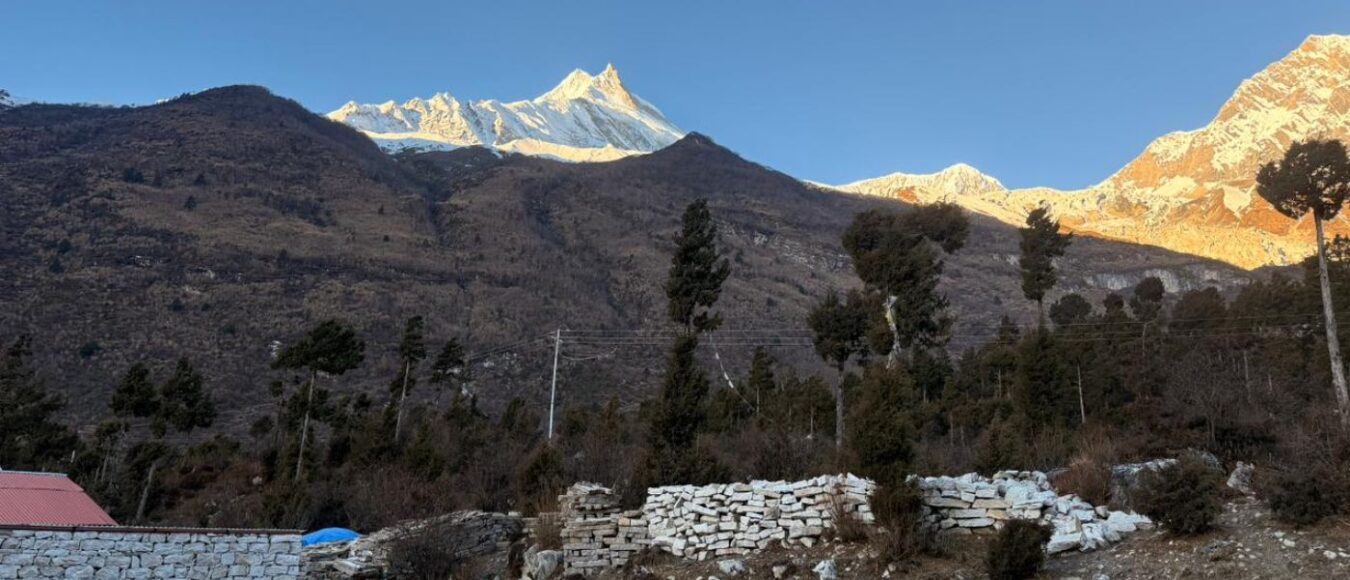
Manaslu Circuit Trek Difficulty
Summary: The Manaslu Circuit Trek difficulty rates moderate to difficult, driven by remoteness, altitude and terrain rather than technical skill. Over 14-18 days, trekkers climb from 700 m to 5,160 m at Larkya La Pass, facing acute mountain sickness risk, basic teahouse infrastructure and mandatory guide requirements. Best attempted in spring or autumn, it suits trekkers with prior high-altitude experience seeking a wilder, less crowded alternative to Everest Base Camp or Annapurna.
Key Factors That Shape the Manaslu Circuit Trek Difficulty
Many trekkers planning a journey to Nepal wonder about the Manaslu Circuit trek difficulty before committing to the adventure. This curiosity makes sense. Moreover, the Manaslu Circuit trek winds through one of the more remote corners of the Himalayas, crosses a high-altitude pass, and demands both physical stamina and mental resolve. Unlike commercial routes with constant infrastructure, this trek in Nepal requires trekkers to adapt to changing conditions and accept a degree of uncertainty.
The trek suits individuals with solid fitness foundations and previous experience at elevation. However, beginners who prepare thoroughly can also succeed. Understanding what lies ahead, the overall difficulty, seasonal shifts, and proper acclimatisation strategies helps trekkers make informed decisions. Consequently, this guide explains every aspect of the Manaslu Circuit trek difficulty in practical terms.
Furthermore, this article covers essential facts about the route, altitude challenges, terrain variations, seasonal influences, logistics, and preparation requirements with Nepal Hiking Adventure. Additionally, it compares the Manaslu trek with other popular Himalayan routes and offers actionable advice to reduce risk. By the end, you will know whether the trek’s level of difficulty matches your abilities and how to prepare effectively.


Essential Trek Facts
Route Overview
The Manaslu Circuit trek begins at Soti Khola, located roughly 710 metres above sea level. From there, the trek itinerary follows the Budhi Gandaki River valley northward through subtropical forest, mid-hill villages, and alpine terrain. The Manaslu Circuit trek itinerary typically spans fourteen to eighteen days, covering approximately 150-180 kilometres of trail. The highest point of the trek is crossing Larkya La Pass at 5,106-5,160 metres. Therefore, the trek involves sustained daily walking over varied landscapes.
Key Route Highlights:
- Starting Point: Soti Khola (710 metres)
- Major Stops: Machha Khola, Jagat, Deng, Namrung, Samagaun, Samdo, Dharamsala, Bimthang
- Highest Point: Larkya La Pass (5,106-5,160 metres)
- Total Distance: Approximately 150-180 kilometres
- Duration: 14-18 days depending on itinerary
- Descent Region: Connects to Annapurna area
In addition, the trek starts in a lower valley and climbs progressively, allowing gradual acclimatisation. Each section presents distinct conditions. Furthermore, strategic rest days support altitude adjustment at key villages.
Permits and Regulations
Foreign nationals must obtain specific permits to trek the Manaslu Circuit. The Manaslu restricted area permit is mandatory because the region falls within a controlled zone near the Tibetan border. Additionally, trekkers need permits, including the Manaslu restricted area documentation, for environmental protection and regulated access.
Required Permits:
- Manaslu Restricted Area Permit: Mandatory for border zone access
- Manaslu Conservation Area Permit: Environmental conservation fee
- Annapurna Conservation Area Permit: Required for descent section
Mandatory Regulations:
- Licensed guide requirement for all foreign trekkers
- Minimum group size of two people
- No solo trekking permitted for international visitors
These regulations enhance safety in remote areas where medical assistance and communication remain limited. Therefore, compliance ensures both legal access and practical support.
Accommodation and Facilities
Trekkers stay in teahouses along the trek, which provide basic lodging and meals. These family-run lodges offer twin-bed rooms, communal dining areas, and simple Nepali or Tibetan food. However, amenities vary significantly by elevation and location.
| Feature | Lower Elevations (700-2,000 m) | Mid Elevations (2,000-3,500 m) | High Elevations (3,500 m+) |
| Lodging | Twin rooms, basic beds | Twin rooms, thinner mattresses | Basic rooms, limited heating |
| Hot Water | Usually available (paid) | Limited availability | Rarely available |
| Electricity | Intermittent (solar/generator) | Sporadic | Very limited |
| Wi-Fi | Occasional (paid, slow) | Rare | Non-existent |
| Food Variety | Good selection | Moderate selection | Limited options |
| Phone Signal | Intermittent coverage | Weak or absent | Generally absent |
Consequently, trekkers should expect modest conditions and prepare mentally for limited connectivity. Since the trek passes through increasingly remote areas, comfort decreases while natural beauty intensifies.

Altitude and Acclimatisation: Core Challenge
Maximum Altitude and Elevation Gain
The Manaslu Circuit trek reaches 5,160 metres at Larkya La Pass. This elevation far exceeds the threshold where altitude sickness becomes a significant concern. Moreover, the cumulative elevation gain throughout the trek totals several thousand metres. The body must adjust to decreasing oxygen levels, which happens gradually. Therefore, proper pacing becomes essential.
Elevation Progression:
- Starting Elevation: 700 metres (Soti Khola)
- Mid-Trek Village: 3,530 metres (Samagaun)
- High Camp: 4,460 metres (Dharamsala)
- Pass Summit: 5,160 metres (Larkya La)
- Critical Zone: Above 3,000 metres (altitude sickness risk increases)
Starting from 700 metres and ascending to above 5,000 metres within two weeks places considerable stress on the cardiovascular and respiratory systems. The difficulty level increases sharply above 3,000 metres, where many trekkers begin noticing mild symptoms. Consequently, altitude management forms the central challenge of the trek.
Risk of Altitude Sickness
Altitude sickness, also known as acute mountain sickness, occurs when the body fails to adapt to reduced oxygen. Altitude sickness in the Manaslu Circuit region is common because of rapid elevation gain. Common symptoms include headache, nausea, dizziness, fatigue, and difficulty in breathing. These signs typically emerge between 2,500 and 3,500 metres. In severe cases, altitude sickness can progress to high-altitude pulmonary oedema or cerebral oedema, both life-threatening conditions.
Common Altitude Sickness Symptoms:
- Persistent headache despite pain medication
- Nausea and loss of appetite
- Dizziness and lightheadedness
- Extreme fatigue and weakness
- Shortness of breath during rest
- Sleep disturbances
- Rapid heart rate
The risk intensifies if trekkers ascend too quickly or ignore early warning signs. Nevertheless, some individuals experience symptoms earlier than others due to genetic factors, fitness levels, or previous altitude exposure. Therefore, vigilance and self-awareness remain critical throughout the trek.
Recommended Acclimatisation Strategy
Effective acclimatisation requires a deliberate pace and strategic rest days. The classic approach involves “climb high, sleep low”, meaning trekkers gain elevation during the day but return to a lower camp for the night. Including an acclimatisation day at Samagaun, located around 3,530 metres, helps the body adjust before tackling higher sections.
Proven Acclimatisation Techniques:
- Rest Days: Schedule acclimatisation days at Samagaun (3,530m) and optionally Samdo (3,860m)
- Climb High, Sleep Low: Take day hikes to higher elevations but return to lower camps
- Gradual Ascent: Limit daily elevation gain to 300-500 metres above 3,000 metres
- Hydration: Drink 3-4 litres of water daily
- Nutrition: Maintain regular eating despite reduced appetite
- Avoid Alcohol: Alcohol impairs acclimatisation and increases dehydration
- Monitor Symptoms: Track daily wellness and communicate concerns immediately
Most itinerary designs include rest days at key points such as Samagaun or Samdo. These breaks allow for short hikes to higher elevations without the burden of full packs. Additionally, maintaining hydration, eating regularly, and avoiding alcohol support acclimatisation. Consequently, patience reduces risk significantly.

Who May Be More Vulnerable
First-time trekkers at high altitude face higher vulnerability because they lack experience recognising early symptoms. Individuals with underlying cardiovascular or respiratory conditions may struggle more than healthy trekkers. Furthermore, those who rush the ascent or skip rest days increase their exposure to altitude sickness.
Higher Risk Groups:
- First-time high-altitude trekkers
- Individuals with heart or lung conditions
- Those with previous altitude sickness history
- Trekkers who ascend too rapidly
- People who skip recommended rest days
- Those with poor hydration habits
Age alone does not determine vulnerability, but fitness and careful pacing matter greatly. Therefore, trekkers should assess their health honestly and consult medical professionals before committing to the trek.
Terrain and Trail Conditions: What to Expect Day by Day
Lowland and Subtropical Forest
The trek begins in humid lowland zones where trails pass through dense subtropical forest. The path between Soti Khola and Machha Khola involves river crossings, narrow trails cut into hillsides, and occasional steep climbs. During certain seasons, leeches appear in forested areas, particularly during monsoons.
Lowland Trail Characteristics:
- Dense subtropical vegetation and humidity
- River crossings with suspension bridges
- Tree roots and loose rocks requiring careful footing
- Steep climbs on narrow hillside paths present a significant level of difficulty for many trekkers.
- Heat accumulation in valleys (challenging with full packs)
- Leech presence during monsoon season
- Trail sections carved into cliff faces
Heat and humidity add discomfort, especially for trekkers carrying full packs. Tree roots, loose rocks, and uneven surfaces require careful footing. Therefore, the initial days demand attention despite lower elevation.
Mid-Hill and Valley Zones
As the trek progresses beyond Machha Khola through Jagat and Deng, the terrain becomes steeper and rockier. Trails ascend and descend frequently, testing leg strength and endurance. Narrow ridgelines offer spectacular views but also exposure. Suspension bridges span rivers and gorges, swaying with each step.
Mid-Hill Terrain Features:
- Frequent steep ascents and descents
- Narrow ridgeline paths with exposure
- Multiple suspension bridge crossings
- Rocky and uneven trail surfaces
- Landslide-prone sections (especially post-monsoon)
- Single-file paths carved into cliff faces
- Daily walking duration of 5-8 hours
These crossings feel dramatic but remain safe with proper caution. Landslide-prone sections appear along the Budhi Gandaki valley, particularly after monsoon rains. The trail occasionally narrows to a single-file path carved into cliff faces. Consequently, trekkers must watch for loose stones and adjust to uneven surfaces.
Alpine Zone
Higher villages like Namrung, Lho, and Samagaun sit within the alpine zone where vegetation thins and temperatures drop. Trails become rockier, and the air feels noticeably thinner. Walking at this elevation requires more effort than at lower altitudes. Cold winds pick up, especially in the morning and evening.
| Zone | Elevation Range | Key Features | Challenges |
| Lowland | 700-1,500m | Subtropical forest, humidity | Heat, leeches, roots |
| Mid-Hill | 1,500-3,000m | Steep valleys, villages | Ascents/descents, exposure |
| Alpine | 3,000-4,500m | Sparse vegetation, cold | Thin air, rocky trails |
| High Pass | 4,500-5,160m | Snow, ice, moraines | Extreme cold, altitude |
Snow-capped peaks dominate the horizon, offering stunning scenery but also signalling the harsher environment ahead. The trek through this zone involves gradual but steady altitude gain. Therefore, the alpine section marks a transition into the most demanding trek conditions.
High Pass and Snow Zones
The climb from Dharamsala to Larkya La Pass represents the most challenging trek segment. Trails cross glacial moraines, loose scree, and potentially snow-covered paths. High winds buffet exposed ridges, reducing temperature and increasing discomfort. The pass itself often holds snow, particularly during winter and early spring.
High Pass Zone Challenges:
- Glacial moraines and loose scree
- Snow-covered trails (season dependent)
- High winds and extreme cold
- Reduced oxygen at 5,000+ metres
- Steep descent to Bimthang
- Accumulated fatigue from previous days
- Ice patches requiring careful footing
The descent from Larkya La toward Bimthang remains steep and tiring. Loose rocks and long downhill stretches strain knees and ankles. Many trekkers find the descent harder than the ascent because of accumulated fatigue. Therefore, the pass section demands full attention and energy reserves.
Daily Walking Duration and Cumulative Fatigue
Most days on the Manaslu Circuit short trek involve five to eight hours of walking, depending on the specific stage. Long consecutive days without extended rest accumulate fatigue in legs, feet, and core muscles. In terms of difficulty, the circuit trek is a long journey that offers few easy days, meaning trekkers carry physical strain throughout.
Typical Daily Schedule:
- Morning: Start between 7 – 8 AM after breakfast
- Walking: 5-8 hours with short breaks
- Lunch: Midday stop at teahouse
- Afternoon: Continue to destination village
- Arrival: Reach lodge by 3-4 PM
- Rest: Stretching, hydration, dinner, sleep
Proper rest, stretching, and nutrition help manage this cumulative load. Therefore, fitness preparation before the trek becomes essential.
Seasonal Variation and How It Affects Difficulty
Best Seasons: Spring and Autumn
The best seasons are spring, from March through May, and autumn, from September through November, which offer the most favourable conditions for the Manaslu Circuit trek. During these periods, weather remains stable, trails stay dry, and visibility improves. Daytime temperatures at lower elevations feel comfortable, while higher altitudes remain cold but manageable.
Spring Season (March-May) Benefits:
- Stable weather patterns
- Clear mountain views
- Rhododendron blooms in lower forests
- Moderate temperatures
- Dry trails
- Pass generally accessible
Autumn Season (September-November) Benefits:
- Post-monsoon clarity
- Excellent visibility
- Comfortable temperatures
- Stable weather
- Harvest season in villages
- Ideal trekking conditions
These seasons attract most trekkers, resulting in busier teahouses and trails. However, the Manaslu region sees far fewer visitors than the Annapurna Circuit or Everest Base Camp trek, so crowding remains minimal. Therefore, spring and autumn represent the safest and most enjoyable trekking windows.
Monsoon: June Through August
The monsoon brings heavy rainfall to the Manaslu region of Nepal, transforming trails into muddy, slippery routes. Leeches emerge in forested areas, river crossings become dangerous, and landslides occur frequently. Visibility drops due to clouds and fog, obscuring mountain views. Understanding the weather in Manaslu during monsoon season helps trekkers make informed timing decisions.
Monsoon Challenges:
- Heavy daily rainfall
- Muddy and slippery trails
- Leech infestation in forests
- Dangerous river crossings
- Frequent landslides
- Poor visibility
- Cloud-covered peaks
- Reduced teahouse services
- Higher risk overall
The difficulty level of the Manaslu increases significantly during monsoon because of unpredictable conditions and heightened risk. Some teahouses close during this period, limiting accommodation options. Therefore, monsoon season suits only those willing to accept substantial risk and discomfort.
Winter: December Through February
Winter brings freezing temperatures and heavy snow to higher elevations. Larkya La Pass often becomes impassable due to deep snow and avalanche risk. Temperatures at the pass can drop below minus twenty degrees Celsius. Teahouse services reduce, and some lodges close entirely.
Winter Conditions:
- Freezing temperatures at altitude
- Heavy snow above 4,000 metres
- Passes are often closed or very dangerous
- Limited teahouse services
- Shorter daylight hours
- Avalanche risk
- Extreme cold requiring advanced gear
The trek becomes significantly harder and more dangerous during winter. However, lower sections remain accessible and offer stunning winter landscapes. Therefore, winter trekking demands advanced preparation and flexibility.
Quick Season Comparison Table:
| Season | Difficulty Level | Risk | Comfort | Pass Accessibility | Best For |
| Spring (Mar–May) | Moderate to High | Low to Moderate | Good | Excellent | Most trekkers |
| Autumn (Sep–Nov) | Moderate to High | Low to Moderate | Good | Excellent | Most trekkers |
| Monsoon (Jun–Aug) | Very High | High | Poor | Difficult | Experienced only |
| Winter (Dec–Feb) | Extreme | Very High | Poor | Often Closed | Advanced trekkers |

Logistics, Safety, and Remoteness
Permit and Guide Requirements
The permit to trek the Manaslu Circuit exists for safety and environmental reasons. The Manaslu restricted area permit regulates visitor numbers near sensitive border regions. The Manaslu Conservation Area permit supports conservation efforts and local infrastructure.
Permit Details:
- Restricted Area Permit: USD 100 for first week (September-November), USD 75-90 (December-August)
- Conservation Area Permit: NPR 3,000 (approximately USD 30)
- Annapurna Permit: NPR 3,000 (approximately USD 30)
- Processing: Through registered trekking agencies only
- Guide Requirement: Licensed guide mandatory
- Group Size: Minimum two foreign nationals
Foreign nationals must hire a licensed guide, ensuring trekkers receive proper orientation and emergency support. This requirement reduces accidents and improves response times during crises. Therefore, the regulation makes the trek safer for everyone involved.
Accommodation and Food
Teahouses along the Manaslu Circuit trek provide basic but adequate shelter and meals. Rooms typically contain twin beds with thin mattresses and blankets. Trekkers should bring sleeping bags rated for cold temperatures. Dining halls serve dal bhat, noodles, soups, and simple carbohydrates.
Typical Teahouse Menu:
- Dal bhat (rice, lentils, vegetables)
- Fried noodles or rice
- Tibetan bread
- Soups (vegetable, noodle, thukpa)
- Eggs (fried, scrambled, omelette)
- Potatoes (fried, boiled)
- Tea and coffee
- Snacks (biscuits, chocolate bars)
Food quality decreases at higher elevations due to limited supplies. Hot showers cost extra and may not be available above Samagaun. Electricity runs intermittently, often from solar panels or generators. Therefore, mental readiness for basic conditions improves the overall experience.
Medical Support and Emergency Evacuation
Medical facilities remain scarce along the Manaslu Circuit. Small health posts exist in some villages, but they offer only basic first aid. Serious medical emergencies require helicopter evacuation to Kathmandu, which can cost thousands of dollars.
Emergency Preparedness:
- Comprehensive travel insurance with helicopter evacuation coverage
- Personal first-aid kit with altitude medication
- The guide carries emergency communication device
- Nearest hospitals in Kathmandu (8-12 hour drive or helicopter)
- Evacuation costs: USD 3,000-7,000
- Response times vary by weather and location
Trekkers should carry personal first-aid kits with altitude sickness medication, pain relievers, bandages, and antiseptics. Guides typically carry emergency supplies and communication devices. Therefore, prevention and early symptom recognition remain the best strategies.
Communication and Connectivity
Phone signal and internet access disappear for extended stretches on the Manaslu Circuit trail. Lower villages may have intermittent cellular coverage, but higher elevations lose connectivity entirely. Teahouses occasionally offer paid Wi-Fi, though speeds remain slow and unreliable.
Communication Reality:
- Phone signal: Sporadic in lower villages, absent above 3,000 metres
- Internet: Rarely available, extremely slow when present
- Satellite phones: Reliable backup for emergencies
- Social media: Expect multi-day blackouts
- Emergency contact: Through guide’s communication device
Trekkers should inform family and friends of communication limitations before departure. Therefore, trekkers must accept digital disconnection as part of the experience.
Gear and Packing Recommendations
Proper gear significantly reduces discomfort and risk. The gear & packing list for Manaslu should have necessities for different elevations and circumstances.
Essential Gear Categories:
Footwear:
- Waterproof trekking boots with ankle support
- Camp shoes or sandals
- Thick trekking socks (4-5 pairs)
- Gaiters for snow sections
Clothing Layers:
- Moisture-wicking base layers (top and bottom)
- Insulating mid-layers (fleece or down jacket)
- Waterproof and windproof outer shell
- Insulated pants for high altitude
- Trekking pants (2 pairs)
- Warm hat and sun hat
- Gloves (liner and insulated)
Sleeping Gear:
- Four-season sleeping bag (-15°C rated)
- Sleeping bag liner (adds warmth)
Accessories:
- Sunglasses with UV protection
- Trekking poles (highly recommended)
- Headlamp with extra batteries
- Water bottles or hydration system
- Water purification tablets/filter
Safety and First Aid:
- Personal medications
- Altitude sickness medication (Diamox)
- Pain relievers and anti-inflammatories
- Blister treatment supplies
- Sunscreen (SPF 50+)
- Lip balm with SPF
- Basic first-aid supplies
Packing light reduces fatigue, but essential items cannot be skipped. Therefore, trekkers should balance weight with safety and comfort.
Physical and Mental Preparation: Are You Ready?
Fitness Requirements
The Manaslu Circuit trek is considered a demanding trek that requires solid cardiovascular endurance, leg strength, and overall stamina. Trekkers should prepare for the trek by training for months before your trek through regular hiking, running, cycling, or stair climbing.
Recommended Training Programme:
Cardiovascular Endurance (4-6 months before):
- Hiking with elevation gain (3-5 hours weekly)
- Running or cycling (3-4 times weekly)
- Stair climbing with weighted pack
- Swimming for overall fitness
Strength Training (3-4 months before):
- Leg exercises (squats, lunges, step-ups)
- Core strengthening (planks, bridges)
- Back and shoulder work (for pack carrying)
- Balance exercises
Altitude Simulation (if possible):
- Previous treks above 3,000 metres
- Day hikes at elevation
- Altitude training facilities
Building stamina for five to eight hours of continuous walking prepares the body for daily demands. However, fitness for Manaslu alone does not guarantee success. Therefore, training should focus on both endurance and mental resilience.
Mental Readiness
The trek tests mental fortitude as much as physical strength. Long days of walking, basic accommodation, cold weather, and physical discomfort challenge motivation. Remote sections offer limited distractions, forcing trekkers to confront boredom and fatigue.
Mental Preparation Strategies:
- Visualize challenging moments and develop coping strategies
- Practice patience during training hikes
- Accept discomfort as part of the experience
- Maintain positive self-talk during difficulties
- Set realistic daily goals rather than overall timeline
- Embrace simplicity and digital disconnection
Some individuals find this simplicity refreshing, while others struggle with the lack of modern amenities. Therefore, mental readiness complements physical training.
Acclimatisation Mindset and Strategy
Approaching altitude with respect and caution prevents serious illness. Preparing for the Manaslu Circuit requires understanding that altitude affects everyone differently. Trekkers should listen to their bodies and communicate symptoms to guides immediately.
Acclimatisation Mindset:
- Slow and steady wins the race
- Pride should never override safety
- Early symptom reporting saves lives
- Rest days are not optional
- Hydration and nutrition are priorities
- Descending is not failure
Pushing through headaches or nausea often worsens conditions. Resting when needed, drinking plenty of water, and eating regularly support acclimatisation. Therefore, patience and self-awareness form the foundation of safe altitude trekking.
Who Should Attempt and Who Should Think Twice
Ideal Candidate
The Manaslu Circuit trek suits trekkers with moderate to strong fitness, previous high-altitude experience, and willingness to accept basic amenities. Individuals who enjoy remote wilderness, cultural immersion, and physical challenges thrive on this route.
Perfect Trekker Profile:
- Previous multi-day trekking experience
- Comfortable hiking 5-8 hours daily
- Previous altitude exposure (preferably 3,000+ metres)
- Mental flexibility and positive attitude
- Respect for local culture and environment
- Realistic expectations about comfort
- Team player (since guide required)
- Patient with acclimatisation process
Mental adaptability and respect for mountain conditions ensure a positive experience. Therefore, those who prepare thoroughly and approach the trek with humility typically succeed. When you embark on Manaslu Circuit trek with proper preparation, the experience becomes more manageable and rewarding.
Who Might Struggle
Complete beginners without prior trekking experience may find the trek overwhelming. The combination of altitude, terrain, and duration creates significant challenges. Understanding how difficult is the Manaslu Circuit helps prevent unrealistic expectations among those unprepared for basic conditions. Indeed, the difficulty should not be underestimated by anyone considering this adventure.
Warning Signs You May Not Be Ready:
- No previous multi-day trekking experience
- Serious cardiovascular or respiratory conditions
- Expectation of luxury or constant connectivity
- Unwillingness to hire guide or follow regulations
- Poor fitness level with no training plan
- History of severe altitude sickness
- Inflexible schedule with no buffer days
- Inability to accept basic accommodation
People with serious health issues, cardiovascular problems, or respiratory conditions face heightened risk. Therefore, realistic self-assessment helps prevent problems. Those who assess how difficult is Manaslu Circuit trek honestly will make better decisions about their readiness.
How to Reduce Difficulty and Increase Safety
Timing Your Trek
Choosing favourable seasons dramatically reduces the difficult aspects of the Manaslu Circuit trek. Spring and autumn offer stable weather, clear trails, and safer conditions. Avoiding monsoon and winter eliminates many hazards.
Optimal Timing Strategy:
- Best Overall: Late September to early November
- Good Alternative: March to May
- Avoid: June to August (monsoon)
- Expert Only: December to February (winter)
- Book Early: Popular seasons fill quickly
- Buffer Days: Add 2-3 extra days for weather delays
Therefore, timing represents the simplest way to make the trek more enjoyable and less stressful.
Proper Acclimatisation and Slow Pace
Building rest days into the itinerary and ascending gradually reduces altitude sickness risk. Trekkers should resist the temptation to rush. The Manaslu Circuit trek takes time for good reason. Additionally, understanding the level of the Manaslu Circuit in terms of required patience helps trekkers adjust expectations appropriately.
Pacing Guidelines:
- Follow “climb high, sleep low” principle
- Include a minimum of two acclimatisation days
- Limit elevation gain to 300-500 metres daily above 3,000 metres
- Take short hikes on rest days
- Start early, walk slowly, arrive early
- Listen to body signals immediately
Listening to the body and adjusting pace accordingly prevents serious illness. Therefore, patience improves both safety and enjoyment.
Hiring a Licensed Guide and Porters
A licensed guide provides local knowledge, navigation, and emergency support. Guides recognise altitude sickness symptoms and make informed decisions during crises. Porters reduce physical strain by carrying heavy loads, allowing trekkers to focus on walking and acclimatisation. This support helps overcome Manaslu trek difficulty through professional assistance and local expertise.
Guide and Porter Benefits:
- Expert route knowledge and navigation
- Cultural interpretation and language assistance
- Emergency response and evacuation coordination
- Weather and trail condition monitoring
- Physical load reduction (porters)
- Permit and logistics management
- Local teahouse relationships
Therefore, professional support enhances safety and comfort significantly.
Smart Packing
Bringing appropriate gear prevents discomfort and injury. Layered clothing systems, quality boots, and sleeping bags suited for cold temperatures ensure trekkers stay warm and dry. First-aid supplies and water purification tools address immediate needs.
Packing Efficiency Tips:
- Test all gear before departure
- Break in boots during training
- Use compression bags for clothes
- Bring repair kit (duct tape, cord, safety pins)
- Pack medications in waterproof bag
- Carry energy snacks and electrolytes
- Keep essential documents in dry bag
Therefore, thoughtful packing reduces risk and increases comfort.
Monitoring Weather and Flexible Schedule
Checking weather forecasts and adjusting plans accordingly prevents dangerous situations. Building buffer days into the trek itinerary allows flexibility if storms or delays occur. Guides monitor conditions and make route decisions based on current information.
Flexibility Strategies:
- Add 2-3 buffer days to standard itinerary
- Check multiple weather sources
- Trust guide’s local knowledge
- Be willing to wait for better conditions
- Consider alternative descent routes if needed
- Maintain open communication with the guide
Therefore, adaptability improves outcomes and safety.
Travel Insurance and Emergency Preparedness
Comprehensive travel insurance covering helicopter evacuation provides financial protection during emergencies. The trek cost should always include proper insurance coverage. Trekkers should carry copies of insurance documents and emergency contact information.
Insurance Requirements:
- Helicopter evacuation coverage up to 7,000 metres
- Medical treatment coverage
- Trip cancellation/interruption
- Lost or stolen gear coverage
- Minimum coverage: USD 100,000
- Verify Nepal coverage specifically
- Carry policy documents and emergency numbers
Having an evacuation plan reduces response times during crises. Therefore, insurance represents a critical safety measure.

Comparisons: Manaslu vs Other Popular Treks
Manaslu Circuit vs Everest Base Camp Trek
Like Everest Base Camp trek routes, the Manaslu Circuit demands respect for altitude and proper preparation. The Everest Base Camp trek reaches 5,364 metres at Kala Patthar, slightly higher than Larkya La Pass. However, the Everest route offers more developed infrastructure, frequent teahouses, and better medical facilities. The Manaslu Circuit trek involves more remoteness and fewer trekkers, creating a wilder experience.
| Feature | Manaslu Circuit | Everest Base Camp |
| Highest Point | 5,160 m (Larkya La) | 5,364 m (Kala Patthar) |
| Duration | 14-18 days | 12-14 days |
| Remoteness | Very remote | Moderate |
| Infrastructure | Basic teahouses | Well-developed |
| Crowds | Low | High |
| Permits | Restricted area required | Standard permits |
| Guide Requirement | Mandatory | Optional |
| Medical Facilities | Very limited | Several clinics |
The Everest Base Camp trek follows a single valley with fewer terrain variations. The trek to Manaslu crosses diverse landscapes and involves more technical trail sections. Like the Everest Base Camp trek, the Manaslu route demands altitude respect but offers greater solitude. Therefore, trekkers seeking isolation and adventure may prefer Manaslu.
Manaslu Circuit vs Annapurna Circuit Trek
The Annapurna Circuit trek shares similarities with the Manaslu route in length and elevation. However, the Annapurna Circuit features more developed villages, frequent teahouses, and easier access. The Manaslu Circuit trek is a challenging yet less commercialised alternative. Moreover, comparing the difficulty of the Manaslu trek against Annapurna reveals similar altitude challenges but greater remoteness in the Manaslu region. Many experienced trekkers find it harder than the Annapurna Circuit due to rougher infrastructure and more demanding trail conditions.
Key Differences:
- Development: Annapurna has road access to many sections; Manaslu remains roadless
- Permits: Manaslu requires restricted area permit and guide; Annapurna does not
- Crowds: Annapurna sees 3-4 times more trekkers annually
- Infrastructure: Annapurna offers more amenities and services
- Terrain: Both challenging, but Manaslu has rougher paths
- Culture: Both offer rich cultural experiences
- Views: Both provide stunning Himalayan panoramas
Terrain on the Annapurna Circuit varies widely but includes more maintained trails. The Manaslu Circuit involves rougher paths and fewer services. The trek in the Manaslu region requires more self-reliance. Therefore, Manaslu offers a more authentic and isolated experience.

Manaslu vs Annapurna Base Camp Trek
The Annapurna Base Camp trek is shorter and reaches 4,130 metres, making it less challenging than Manaslu. It provides a taste of high-altitude trekking without the extreme demands of crossing a 5,000+ metre pass. The Annapurna Base Camp trek offers spectacular scenery in a more condensed timeframe.
Comparison Points:
- Duration: Annapurna Base Camp trek is 7-10 days vs Manaslu’s 14-18 days
- Altitude: ABC tops at 4,130m vs Manaslu’s 5,160m
- Difficulty: ABC is moderate; Manaslu is moderate to difficult
- Acclimatisation: ABC requires less adjustment time
- Experience Level: ABC suits beginners; Manaslu needs experience
The Manaslu base camp itself can be visited as a side trip during acclimatisation, though most trekkers focus on completing the circuit. The base camp trek and Annapurna sanctuary offer stunning mountain amphitheatres. Therefore, ABC serves as good preparation for harder treks like Manaslu.
Manaslu vs Everest Three Passes Trek
The Everest Three Passes trek ranks among the most challenging trek options in Nepal. It crosses three high passes above 5,000 metres and demands exceptional fitness and acclimatisation. Compared to the Manaslu Circuit trek, the Everest route involves more sustained high-altitude exposure and technical sections.
Difficulty Comparison:
- Everest Three Passes trek: Extremely difficult
- Manaslu Circuit: Difficult
- Annapurna Circuit: Moderate to difficult
- Everest Base Camp: Moderate
- Annapurna Base Camp: Moderate
Therefore, the Manaslu option suits trekkers seeking a difficult trek without reaching extreme intensity.
Why Choose Manaslu Despite the Difficulty
Despite the Manaslu Circuit trek difficulty level, many trekkers choose this route for its solitude, cultural richness, and stunning mountain views. The trek in the Manaslu region passes through remote villages where traditional Tibetan-Buddhist culture thrives. Fewer crowds allow deeper immersion in the landscape. Indeed, the demands of the trek create a more rewarding sense of accomplishment.
Unique Manaslu Advantages:
- Spectacular views of Mount Manaslu (8,163 metres, world’s eighth highest)
- Authentic Tibetan-Buddhist culture and villages
- Minimal tourist crowds compared to popular routes
- Diverse ecosystems from subtropical to alpine
- True wilderness experience
- Rich cultural interactions with local communities
- Sense of accomplishment from completing challenging route
The trek is known for its unspoiled beauty and authentic Himalayan atmosphere. What makes the Manaslu Circuit special is the combination of physical challenge and cultural depth. Therefore, the trek’s difficulty becomes part of the reward rather than a deterrent. When you make your Manaslu journey with proper preparation, the rewards far outweigh the challenges.

Final Verdict on Manaslu Circuit Trek Difficulty
The Manaslu Circuit trek difficulty level remains substantial but achievable for prepared trekkers. Many wonder why the Manaslu Circuit trek is difficult, and understanding the terrain, altitude, and duration shows why this trek remains demanding yet achievable for prepared adventurers. The trek is a high-altitude trek crossing remote terrain that demands physical stamina, mental resilience, and respect for mountain conditions. Understanding how difficult the Manaslu Circuit trek is helps potential trekkers make informed decisions about their readiness. The difficulty of the Manaslu Circuit experience should inspire thorough preparation rather than discourage motivated individuals.
Completing the Manaslu Circuit provides profound satisfaction through the combination of physical effort, altitude challenge, and remote exploration. The trek is challenging enough to feel earned but not impossible for well-prepared trekkers. Balancing ambition with caution ensures a safe and fulfilling journey. The reward of standing atop Larkya La Pass and witnessing the Himalayan giants makes the trek worthwhile for those who invest proper time in preparation.
Start preparing for the Manaslu Circuit with Nepal Hiking Adventure by building fitness, researching conditions, and assembling appropriate gear several months before departure. Approach the trek with humility, patience, and excitement about the adventure ahead. The journey will test your limits, push your comfort boundaries, and create memories that last a lifetime. Therefore, take the first step toward this remarkable Himalayan adventure with realistic expectations and thorough preparation. For more guidance and customised support, contact us.

Manaslu Circuit Trek Difficulty: FAQs
How hard is the Manaslu Circuit Trek for a normal person?
The Manaslu Circuit trek difficulty level depends on individual fitness and altitude tolerance, but a person with moderate fitness and previous trekking experience can complete the trek successfully with proper preparation. The circuit trek difficulty is high due to altitude, terrain, and duration, but realistic training and gradual acclimatisation make it achievable for motivated trekkers.
Do I need previous trekking or climbing experience to do the Manaslu Circuit?
Previous multi-day trekking experience helps significantly, though climbing Mount Manaslu itself is not required for the circuit trek. The route does not involve technical climbing, but experience hiking at moderate altitudes for consecutive days prepares trekkers mentally and physically for the demands ahead.
Do I need permits and a guide to trek the Manaslu Circuit?
Yes, foreign nationals must obtain the Manaslu restricted area permit, the Manaslu Conservation Area permit, and the Annapurna Conservation Area permit to trek the Manaslu Circuit. Additionally, regulations require hiring a licensed guide and trekking in groups of at least two people for safety and environmental protection.
What level of fitness is necessary to do the Manaslu Circuit Trek?
The fitness level needed includes strong cardiovascular endurance, leg strength, and stamina for five to eight hours of daily walking over consecutive days. Training should begin months before your trek through regular hiking, running, strength exercises, and preferably some altitude exposure to prepare adequately.
When is the best time of year to do the Manaslu Trek?
The best time for the Manaslu Circuit falls during spring (March through May) and autumn (September through November) when weather remains stable. These seasons offer clear trails, excellent visibility, safe pass conditions, and comfortable temperatures compared to monsoon rains or winter snow.
Can I overcome the Manaslu trek difficulty with a porter?
Hiring a porter reduces physical strain by carrying heavy loads, allowing better focus on walking and acclimatisation, but porters do not eliminate altitude risk or terrain challenges. Trekkers still must maintain adequate fitness for Manaslu and follow proper acclimatisation strategies for safe completion.


Our History in Service Excellence


