
Everest Base Camp Trek Vs Annapurna Base Camp Trek
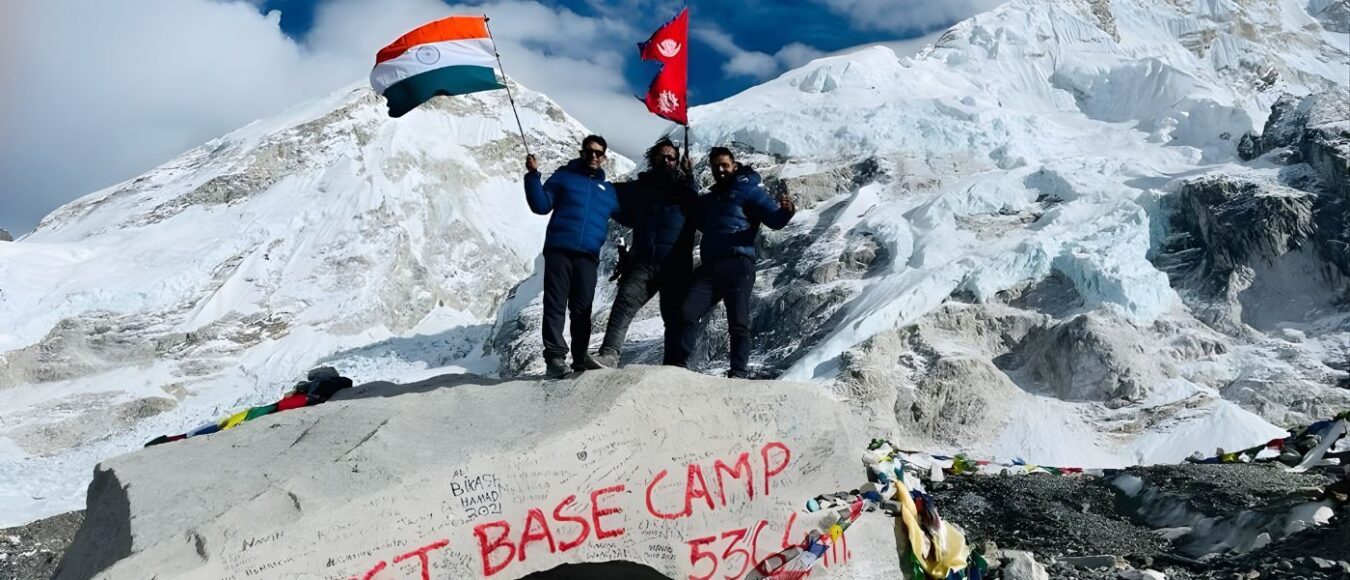
Summary: Everest Base Camp vs Annapurna Base Camp comes down to altitude, time and budget. EBC reaches 5,364 m over 12-14 days ($1,200-$1,800), demanding stronger acclimatisation and Sherpa culture immersion via Lukla flights. ABC tops out at 4,130 m over 7-10 days ($600-$1,200), offering a 360° peak amphitheatre, Gurung villages and easier ground access from Pokhara. Choose Everest for prestige and challenge; choose Annapurna for value, shorter timeframes and gentler altitude exposure.
Comparing Everest Base Camp Trek vs Annapurna Base Camp Trek
Choosing between the Everest Base Camp trek Vs Annapurna Base Camp trek is one of the most common dilemmas for trekkers planning their Himalayan adventure. Indeed, the Everest Base Camp vs. Annapurna Base Camp trek debate continues to attract thousands of trekkers annually. Moreover, both base camp treks offer stunning mountain views, rich cultural encounters, and unforgettable experiences, yet they differ significantly in altitude, difficulty, scenery, and logistics. While the EBC trek takes you to the foot of the highest mountain in the world, the ABC trek surrounds you with a 360-degree amphitheatre of towering peaks. Understanding these differences helps you select the trek that matches your fitness level, time constraints, and trekking aspirations.
Furthermore, the Everest region attracts trekkers seeking the prestige of standing at Mount Everest’s base, whereas the Annapurna region offers diverse landscapes ranging from subtropical forests to alpine meadows. When comparing the base camp and Everest base experiences, both provide unique mountain perspectives. Additionally, both routes feature teahouse accommodation, require trekking permits, and provide opportunities to experience authentic Sherpa and Gurung cultures. However, factors like acclimatization schedules, weather patterns, and trail conditions vary considerably between these two iconic trek experiences. Consequently, careful consideration of these elements ensures you choose the adventure that truly resonates with your personal goals.
This comprehensive comparison examines every critical aspect of the Everest Base Camp trek vs Annapurna Base Camp trek decision. From altitude profiles and physical demands to budget considerations and seasonal variations, we’ll provide the detailed information you need to make an informed choice. Whether you’re a first-time trekker or an experienced mountaineer, this guide positions you to confidently select between these legendary Himalayan trekking routes and begin planning your journey with Nepal Hiking Adventure.


Quick Comparison at a Glance
| Factor | Everest Base Camp Trek | Annapurna Base Camp Trek |
| Maximum Altitude | 5,364 m (17,598 ft) | 4,130 m (13,550 ft) |
| Trek Duration | 10-14 days | 5-10 days |
| Difficulty Level | Moderate to Challenging | Moderate |
| Starting Point | Lukla (flight from Kathmandu) | Nayapul (drive from Pokhara) |
| Permits Required | Sagarmatha National Park, Khumbu Pasang Lhamu, TIMS | Annapurna Conservation Area Permit, TIMS |
| Typical Cost | $1,200-$1,800 | $600-$1,200 |
| Best Season | March-May, September-November | March-May, September-November |
| Crowding Level | High during peak seasons | Crowded during peak seasons |
| Acclimatization Days | 2 days recommended | Not required, built into itinerary |
| Cultural Experience | Sherpa culture, Buddhist monasteries | Gurung villages, terraced farmlands |
Altitude and Acclimatization
Maximum Elevation Comparison
The Everest Base Camp sits at 5,364 metres, making it significantly higher than the Annapurna Base Camp, which is located at 4,130 metres. Consequently, this 1,234-metre difference means the EBC trek requires more aggressive acclimatization schedules to prevent altitude sickness. Furthermore, trekkers ascending to Everest Base Camp typically spend acclimatization days in Namche Bazaar and Dingboche, allowing their bodies to adjust to decreasing oxygen levels. Therefore, the base camp trek to Everest demands respect for the altitude, with proper pacing and hydration essential for success.
In contrast, the base camp is located in a more secluded area, and the ABC trek presents lower altitude risks. While reaching the base camp at 4,130 metres still requires caution, most trekkers adapt more easily compared to the Everest base camp experience at extreme elevations. Furthermore, the Annapurna Base Camp lies in the Annapurna Conservation Area, where the ascent profile allows for gradual elevation gain. As a result, many trekkers find the trek is less physically demanding in terms of altitude adaptation, though proper acclimatization remains important.
Acclimatization Requirements
Everest Base Camp trek requires dedicated acclimatization stops. Most itineraries include:
- Rest day in Namche Bazaar (3,440m) with acclimatization hikes
- Rest day in Dingboche or Pheriche (4,410m)
- Gradual ascent profile with strategic overnight stops
- Option to extend days if symptoms develop
Meanwhile, the Annapurna Base Camp trek incorporates acclimatization naturally into the itinerary. Key considerations include:
- No dedicated rest days typically required
- Gradual elevation gain through diverse climate zones
- Overnight at Machapuchare Base Camp (3,700m) before final push
- Lower overall altitude reduces acute mountain sickness risk
Altitude Sickness Risks
High-altitude trek challenges differ significantly between these base camps. The Everest Base Camp trek presents higher risks due to:
- Extended time above 4,000 meters
- Thinner air reducing oxygen saturation
- Potential for rapid weather changes affecting acclimatization
- Need for evacuation plans in case of severe symptoms
Compared to the Everest base camp experience, the Annapurna trek involves:
- Shorter duration at extreme elevations
- Faster descent options if symptoms occur
- Less severe altitude-related complications overall
- Still requires awareness of symptoms and proper hydration
Physical Difficulty and Fitness Requirements
Overall Trek Difficulty
The Everest Base Camp trek difficulty is generally rated as moderate to challenging. Factors contributing to this assessment include the trek duration, sustained high-altitude trek conditions, and longer daily walking hours. Therefore, trekkers should prepare for 5-7 hours of walking per day over varied terrain, including steep ascents, rocky paths, and suspension bridge crossings. Additionally, the EBC trek takes approximately 12-14 days to complete the trek, requiring sustained physical effort and mental resilience throughout the journey.
The Annapurna Base Camp trek difficulty is still challenging but requires somewhat less physical effort than Everest Base Camp. While still requiring good fitness, the trek features shorter daily distances and less time at extreme altitude. Specifically, most trekkers walk 4-6 hours daily, with the entire trek completed in 7-10 days. Additionally, the trek is less crowded than Everest, allowing for a more peaceful experience. However, steep sections like the climb from Bamboo to Deoban and the final push to ABC should not be underestimated.

Daily Walking Hours
Everest Base Camp trek daily schedule:
- Lukla to Phakding: 3-4 hours
- Phakding to Namche Bazaar: 5-6 hours (steep ascent)
- Namche to Tengboche: 5-6 hours
- Tengboche to Dingboche: 5-6 hours
- Dingboche to Lobuche: 5-6 hours within the Annapurna region
- Lobuche to Everest Base Camp and back: 7-8 hours
Annapurna Base Camp trek daily schedule:
- Birethanti to Ulleri: 3-4 hours
- Ulleri to Ghorepani: 5-6 hours (Poon Hill option)
- Ghorepani to Tadapani: 4-5 hours
- Tadapani to Chhomrong: 3-4 hours
- Chhomrong to Bamboo: 4-5 hours
- Bamboo to Deurali: 4-5 hours
- Deurali to Annapurna Base Camp: 3-4 hours
Terrain and Trail Conditions
The Everest trek involves:
- Rocky, uneven paths through the Khumbu Valley
- Multiple suspension bridges over deep gorges
- Glacial moraine sections near base camp
- Walking alongside the Khumbu Glacier, with its shifting ice formations and crevasses
- Well-maintained trails but challenging terrain
- Exposure to strong winds at higher elevations
Similarly, the Annapurna base camp trekking trail features:
- Stone staircases through terraced farmlands
- Dense rhododendron and bamboo forests
- River crossings via sturdy bridges
- Narrower trails through river valleys
- Steep stone steps requiring careful footing
Pre-Trek Training Recommendations
For those planning the trek to Annapurna or Everest regions, proper preparation is essential to successfully complete the trek to either base camp. Prepare with:
- 3-4 months of cardiovascular training (running, cycling, swimming)
- Hill training with weighted backpack (10-12 kg)
- Leg strengthening exercises (squats, lunges, step-ups)
- Long-distance hikes on weekends (4-6 hours)
- Flexibility and core work to prevent injuries
Scenery and Natural Beauty
Mountain Views
Views of Everest dominate the EBC trek experience. Trekkers witness:
- Mount Everest (8,848m) from multiple vantage points
- Ama Dablam (6,812m), considered the most beautiful peak
- Lhotse (8,516m), Nuptse (7,861m), and Pumori (7,161m)
- Khumbu Icefall and glacier formations
- Panoramic Himalayan views from Kala Patthar (5,545m)

Conversely, views of Annapurna and Machapuchare define the base camp, which is located at a crucial altitude for the ABC experience. Highlights include:
- Annapurna South (7,219m), Annapurna I (8,091m)
- Machapuchare (6,993m), the sacred “Fishtail” peak
- Hiunchuli (6,441m) and Gangapurna (7,455m)
- 360-degree amphitheatre of peaks surrounding base camp
- Views of Annapurna range from the Poon Hill trek sunrise

Landscape Diversity
The Everest region showcases:
- Dramatic high-alpine environments
- Barren, rocky terrain at higher elevations
- Traditional Sherpa villages with stone houses
- Buddhist monasteries and prayer flags
- Glacial rivers and moraines
In contrast, the Annapurna region offers:
- Subtropical forests with rhododendron blooms (spring)
- Terraced rice paddies and millet fields
- Hot springs near Jhinu Danda
- Bamboo and oak forests in river valleys
- Alpine meadows transitioning to snow-capped peaks
Seasonal Variations
Everest Base Camp seasonal changes:
- Spring (March-May): Clear skies, blooming vegetation, warming temperatures
- Autumn (September-November): Crisp air, excellent visibility, stable weather
- Winter (December-February): Extreme cold, clear views, fewer trekkers
- Monsoon (June-August): Cloud cover, flight delays, trail closures
Annapurna Base Camp seasonal changes:
- Spring: Rhododendron forests in full bloom, moderate temperatures
- Autumn: Stable weather, clear mountain views, harvest season
- Winter: Heavy snowfall above 3,000m, cold but accessible
- Monsoon: Heavy rain at lower elevations, leeches on trails
Cultural Experience
Sherpa vs Gurung Culture
You can experience Sherpa culture on the Everest Base Camp trek. Experience includes:
- Visiting ancient Buddhist monasteries like Tengboche
- Observing daily life in Sherpa villages
- Participating in traditional ceremonies if timing aligns
- Learning about mountaineering history and Everest expeditions
- Engaging with warm, hospitable Sherpa communities
Meanwhile, the Annapurna Base Camp trek also showcases Gurung villages. Cultural highlights feature:
- Traditional Gurung stone houses with slate roofs
- Terraced farming practices and agricultural life
- Hindu and Buddhist traditions blending harmoniously
- Part of the Annapurna conservation efforts
- Authentic homestay opportunities in some villages
Religious Sites and Monasteries
Everest trek religious experiences:
- Tengboche Monastery: Largest monastery in Khumbu region
- Namche Bazaar: Multiple gompas and stupas
- Prayer wheels, mani stones, and colourful prayer flags
- Daily prayer ceremonies open to visitors
- Buddhist teachings and meditation opportunities
ABC trek religious sites:
- Hindu temples in lower elevation villages
- Buddhist stupas and chortens along the trail
- Gurung cultural museums in Ghandruk
- Sacred status of Machapuchare (climbing forbidden)
- Smaller shrines and meditation spaces

Village Life and Interactions
Compared to the EBC trek, both routes offer genuine interactions. The Everest route provides:
- Market day experiences in Namche Bazaar
- Teahouse conversations with local families
- Learning about mountaineering support roles
- Purchasing handicrafts and Buddhist artifacts
Similarly, the Annapurna route delivers:
- Agricultural village rhythms and seasonal activities
- Traditional cooking demonstrations
- School visits and community projects
- Artisan workshops in larger villages like Ghandruk
Duration and Itinerary
Standard Trek Length
The Everest Base Camp trek typically requires 12-14 days for the standard itinerary. Breakdown includes:
- 2 days: Kathmandu to Lukla flight and trek to Phakding
- 2 days: Ascent to Namche Bazaar with acclimatization
- 3 days: Trek through Tengboche to Dingboche with rest day
- 2 days: Reach Lobuche and Everest Base Camp
- 3 days: Return trek to Lukla
- 1 day: Flight back to Kathmandu
In comparison, the Annapurna Base Camp trek can be completed in 7-10 days. Standard itinerary of Annapurna Base Camp includes:
- 1 day: Drive from Pokhara to Nayapul, trek to Tikhedhunga
- 2 days: Ascend through Ghorepani with optional Poon Hill trek
- 2 days: Trek via Tadapani and Chhomrong to Bamboo
- 1 day: Climb to Deoban and Annapurna Base Camp
- 2 days: Descent to Jhinu Danda and return to Pokhara

Flexible Itinerary Options
EBC trek variations include:
- Extended routes: Add Gokyo Lakes (16-18 days)
- Three Passes trek: Challenging 18-20 day adventure
- Helicopter return: Reduce trek duration by flying from Gorak Shep
- Slower pace: Add extra acclimatization for better comfort
ABC trek variations include:
- Combined Poon Hill route: Add 2-3 days for sunrise viewpoint
- Khopra Ridge extension: Alternative viewpoint trek
- Mardi Himal connection: Combine two base camp treks
- Express itinerary: Complete in 5-6 days (challenging pace)
- Annapurna Circuit extension for longer trek experience
Time Requirements and Planning
Consider these factors when planning your trip to Everest Base Camp or the Annapurna route:
- Buffer days: Add 2-3 days for weather delays (flight from Kathmandu to Lukla frequently delays)
- Travel days: Include time for Kathmandu arrival/departure
- Rest and recovery: Factor post-trek relaxation
- Permit processing: Allow time for documentation
- Total vacation time: 12-18 days for EBC, 6-12 days for ABC
Cost and Budget Considerations
Overall Trek Cost
The Everest Base Camp trek cost typically ranges from $1,200 to $1,800 per person. The cost of Annapurna differs, usually falling between $600 and $1,200. Several factors influence the trek cost, including group size, season, service level, and included amenities. Accordingly, budget trekkers can reduce expenses by joining larger groups and selecting basic teahouse accommodation, while those seeking comfort may opt for premium lodges and smaller group sizes.
Compared to Everest, the ABC trek offers better value. Lower costs stem from ground transportation rather than flights, shorter trek duration, and generally less expensive teahouse rates. Both treks offer guided and independent options, though hiring a licensed guide enhances safety and cultural understanding and supports local communities. Nepal Hiking Adventure provides transparent pricing with no hidden fees for either the base camp trek or Annapurna routes.
Breakdown of Expenses
Everest Base Camp expenses include:
- Lukla flights: $440-$1000 round trip (weather-dependent, potential delays)
- Permits: $80 (Sagarmatha National Park, Khumbu Pasang Lhamu, TIMS)
- Accommodation: $5-15 per night (simple to comfortable rooms)
- Meals: $25-35 daily (breakfast, lunch, dinner, hot drinks)
- Guide and porter: $45-70 per day combined
- Equipment rental: $100-200 if needed for the trek within the Annapurna
- Insurance and evacuation coverage: $100-500 (depending on policies and insurance company)

Annapurna Base Camp expenses include:
- Transportation: $25-40 (Pokhara to Nayapul and return)
- Permits: $50 (Annapurna Conservation Area Permit, TIMS card)
- Accommodation: $5-10 per night (similar teahouse standards)
- Meals: $20-30 daily (slightly lower than Everest region)
- Guide and porter: $45-70 per day combined
- Equipment rental: $80-150 if needed
- Insurance: $100-400 (same requirements)
Hidden Costs and Budget Tips
Watch for additional expenses on both treks:
- Hot showers: $2-5 per shower at most teahouses
- Battery charging: $2-5 per device
- Wi-Fi access: $5-10 per day (unreliable at higher camps)
- Extra snacks and beverages: Prices increase with altitude
- Tipping: 15%-20% of package cost for guides and porters
Budget optimisation strategies:
- Book during shoulder season for better rates
- Join group departures to share guide costs
- Bring water purification tablets instead of buying bottled water
- Pack high-energy snacks from Kathmandu
- Choose fixed-menu meals rather than à la carte
Weather and Best Time to Trek
Optimal Trekking Seasons
Both base camps share similar ideal trekking windows. The best seasons are:
Spring (March-May):
- Warming temperatures and stable weather patterns
- Rhododendron forests blooming in Annapurna region
- Clear mountain views with occasional afternoon clouds
- Moderate trail traffic increasing toward May
- Excellent conditions for photography
Autumn (September-November):
- Crisp, clear air providing stunning visibility
- Stable weather with minimal precipitation
- Peak trekking season with more crowded trails
- Harvest festivals in villages adding cultural richness
- Comfortable temperatures for high-altitude trek conditions
Season-Specific Conditions
Winter (December-February):
Everest Base Camp:
- Extreme cold at higher elevations (-20°C to -30°C at night)
- Crystal-clear views with minimal cloud cover
- Fewer trekkers providing solitude
- Some teahouses closed above Namche
- Higher risk of frostbite and hypothermia
Annapurna Base Camp:
- Heavy snowfall possible above 3,000 metres
- Trail conditions challenging but passable
- Cold but generally warmer than Everest
- Most teahouses remain open
- Beautiful snow-covered landscapes
Monsoon (June-August):
Both treks face challenges:
- Heavy rainfall at lower elevations
- Leeches active on forested trails
- Cloud cover obscuring mountain views
- Flight from Kathmandu to Lukla frequently cancelled
- Landslide risks on certain trail sections
- Reduced visibility for photography
However, the Annapurna region sits partially in rain shadow, receiving less monsoon precipitation compared to the Everest base camp route.

Weather-Related Challenges
Everest trek weather considerations:
- Frequent Lukla flight delays due to wind and clouds
- Unpredictable weather changes at high altitude
- Strong winds above 4,500 metres
- Sudden temperature drops requiring layered clothing
- Limited shelter options in case of storms
ABC trek weather factors:
- More predictable weather patterns overall
- Trek is less affected by flight delays (ground transport)
- Dense forest cover providing wind protection at mid-elevations
- Faster descent options if weather deteriorates
- Warmer temperatures even in peak season
Accommodation and Facilities
Teahouse Standards
Teahouse accommodation forms the backbone of both trek experiences. The Everest region features:
- Basic twin-bed rooms with thin walls
- Communal dining areas with wood/yak-dung stoves
- Shared bathroom facilities (squat and western toilets)
- Minimal heating in rooms (sleeping bags essential)
- Lodges at Gorak Shep basic due to extreme altitude
Meanwhile, the Annapurna Conservation Area provides:
- Similar twin-bed room configurations
- Slightly warmer lodges due to lower elevations
- Better bathroom facilities in popular villages
- More diverse menu options at lower altitudes
- Comfortable common areas for socialising
Amenities and Comfort Levels
Food on the Everest base camp route includes:
- Dal bhat (rice and lentils) as primary sustenance
- Tibetan bread, momos, noodles, and soups
- Decreasing menu variety with altitude
- Higher prices above Namche Bazaar
- Safe, freshly cooked meals throughout
Annapurna region dining offers:
- Similar Nepali staples like dal bhat
- More diverse international options at lower villages
- Fresh vegetables and local cheese available
- Reasonable prices even at higher elevations
- Pizza and pasta in Ghorepani and Chhomrong
Amenities comparison:
| Facility | Everest Base Camp | Annapurna Base Camp |
| Hot Showers | Limited above Namche | Available most lodges |
| Electricity | Solar power, unreliable | More consistent access |
| Wi-Fi | Available, slow/expensive | Similar availability |
| Heating | Common room only | Better heating options |
| Charging Stations | $1-3 per device | $1-2 per device |
Hygiene and Health Facilities
Both treks maintain reasonable hygiene standards:
- Clean dining areas with regular sweeping
- Boiled or filtered water available for purchase
- Soap and water for handwashing (bring sanitiser)
- Basic first aid available at most lodges
- Health posts in Namche, Pheriche, and Chhomrong
- Everest region: Helicopter rescue from most points, HRA clinic in Pheriche
- Annapurna region: Rescue possible, health posts in major villages
Safety and Risks
Altitude-Related Dangers
Altitude sickness remains the primary concern on both treks. The Everest Base Camp trek presents:
- Higher risk due to extreme elevations above 5,000m
- Symptoms include headache, nausea, dizziness, fatigue
- Potential progression to HACE or HAPE if ignored
- It is essential to descend immediately if severe symptoms develop
- Diamox prophylaxis considered by many trekkers
Whereas the Annapurna Base Camp offers:
- Lower overall altitude risk but still present
- Rapid ascent from Bamboo to base camp requires caution
- Adequate acclimatization still necessary
- Faster descent routes if symptoms emerge
- Similar symptom monitoring required
Trail Safety and Weather Hazards
Trek safety considerations include:
Everest route:
- Suspension bridges over deep gorges require careful crossing
- Narrow trails with yak trains demanding alertness
- Exposure to strong winds at higher camps
- Potential avalanche zones near base camp
- Helicopter evacuation possible from most locations
Annapurna route:
- Steep stone staircases requiring good footing
- River valley sections with landslide potential during monsoon
- Dense forest sections where visibility reduces
- Avalanche risk minimal compared to Everest
- Evacuation more challenging from deeper valleys
Insurance and Emergency Preparedness
Essential insurance requirements for both treks:
- Comprehensive travel insurance covering trekking up to 6,000m
- Helicopter evacuation coverage (mandatory for both routes)
- Medical expense coverage for altitude-related illness
- Trip cancellation protection for weather delays
Emergency preparedness:
- Carry basic first aid kit with blister treatment
- Download offline maps and emergency contacts
- Register trek with local authorities
- Maintain communication devices (phone/satellite)
- Trek with reputable company like Nepal Hiking Adventure
Permits and Logistics
Required Permits
Everest Base Camp trek requires:
- Sagarmatha National Park Entry Permit: NPR 3,000 ($30)
- Khumbu Pasang Lhamu Rural Municipality Permit: NPR 3,000 ($30)
- TIMS Card: Often included in package or NPR 3,000
Annapurna Base Camp trek needs:
- Annapurna Conservation Area Permit (ACAP): NPR 3,000 ($30)
- TIMS Card: NPR 3,000 ($30)
Obtain permits through registered trekking agencies in Kathmandu or at entry checkpoints. Nepal Hiking Adventure handles all documentation as part of comprehensive packages.
Getting There and Back
Trek to Everest Base Camp logistics:
- Fly from Kathmandu to Lukla (30-40 minutes, $220-500) one way.
- Alternative: Helicopter charter (expensive but reliable)
- Road option: Drive to Jiri/Phaplu, add 4-5 days trekking
- The return flight from Kathmandu equally weather-dependent
- Buffer days essential for flight delays
Trek to ABC access:
- Drive from Pokhara to Nayapul (1.5-2 hours, $50-100 private vehicle)
- The trek starts immediately from the roadhead.
- Return drive from Jhinu Danda or Nayapul
- No flight delays affecting schedule
- More flexible departure timing
Booking and Planning Timeline
Recommended booking timeline:
3-6 months in advance:
- Research and select trekking company
- Book trek dates (essential for peak season)
- Arrange international flights to Nepal
- Begin physical training programme
2-3 months before:
- Purchase or rent trekking gear
- Obtain comprehensive insurance
- Complete visa requirements
- Schedule vaccinations if needed
1 month before:
- Finalise gear list and test equipment
- Confirm domestic flight bookings
- Review itinerary with trekking company
- Pack and prepare physically/mentally
Who Should Choose Which Trek?
Everest Base Camp Is Perfect For
Aspiring mountaineers seeking the prestige of trekking to Everest Base Camp. If you dream of standing at the foot of the highest mountain in the world and experiencing the legendary Khumbu Valley, this trek delivers. The Everest Base Camp and Annapurna comparison shows EBC offers unmatched bragging rights and mountaineering culture immersion.
Experienced trekkers comfortable with sustained high-altitude exposure. Those who’ve completed previous multi-day treks and understand acclimatization requirements will appreciate the challenge. Notably, the base camp trek is generally more demanding but rewards with unparalleled Himalayan vistas and cultural depth.
Photography enthusiasts wanting iconic mountain shots. Views of Everest, Ama Dablam, and the Khumbu Icefall provide world-class photographic opportunities. The dramatic high-alpine landscape creates stunning images impossible to replicate elsewhere.
Cultural explorers drawn to Sherpa culture and Buddhist traditions. Visiting Tengboche Monastery, experiencing Sherpa hospitality, and learning mountaineering history make this trek culturally rich. The connection between Sherpa communities and Everest expeditions adds fascinating context.
Trekkers with 14-18 days available who don’t mind premium pricing. The longer trek duration and higher costs suit those with generous vacation time and budget flexibility.

Annapurna Base Camp Is Perfect For
First-time Himalayan trekkers seeking manageable altitude. The ABC trek provides an authentic mountain experience without extreme elevation challenges. Indeed, the trek is less intense overall while still delivering spectacular scenery and cultural encounters.
Budget-conscious adventurers maximising value. Lower overall costs, no expensive flights, and shorter duration make Annapurna Base Camp trek vs Everest more economical without sacrificing experience quality. Furthermore, the Annapurna vs Everest Base Camp cost difference significantly affects overall trip expenses.
Nature lovers will find the base camp is located in a stunning environment, appreciating diverse ecosystems. The trek route transitions through subtropical forests, terraced farmlands, bamboo groves, and alpine meadows. For those planning the trek to Annapurna, spring rhododendron blooms add spectacular colour to the landscape.
Trekkers with 10-12 days total time including travel days. The compressed itinerary suits shorter vacations while still providing a complete Himalayan experience. The ABC trek starts and finishes efficiently from Pokhara.
Those preferring solitude over crowds. The trek is less crowded than Everest, especially on alternate routes through Landruk or Jhinu Danda. Quieter trails allow more contemplative trekking and genuine village interactions.
Hot springs enthusiasts wanting post-trek relaxation. Natural hot springs at Jhinu Danda provide perfect recovery for tired muscles before returning to Pokhara.
Decision-Making Factors Summary
Choose Everest if you prioritise:
- Maximum altitude and challenge
- Iconic mountain status
- Sherpa culture immersion
- Mountaineering atmosphere
- Longer, more epic adventure
Choose Annapurna if you prefer:
- Manageable altitude with diverse scenery
- Better budget value
- Shorter timeframe
- Less crowded trails
- Easier logistics without flights
Everest Base Camp Trek vs Annapurna Base Camp Trek: Final Thoughts
The choice between Everest Base Camp trek Vs Annapurna Base Camp trek ultimately depends on your personal goals, fitness level, available time, and budget considerations. The Everest Base Camp trek delivers unmatched prestige, extreme altitude challenges, and deep immersion in Sherpa culture surrounding the highest mountain in the world. This iconic trek requires greater commitment in terms of duration, acclimatization demands, and financial investment, yet rewards with legendary status and an unforgettable mountaineering atmosphere. For trekkers seeking maximum altitude achievement and willing to dedicate 14-18 days, the trip to Everest Base Camp represents the ultimate Himalayan adventure.
Conversely, the Annapurna Base Camp trek provides outstanding value, diverse landscapes, and manageable altitude in a more compressed timeframe. The spectacular 360-degree mountain amphitheatre, blooming rhododendron forests, and warm Gurung villages create equally memorable experiences without extreme elevation exposure. This trek suits budget-conscious adventurers, first-time Himalayan trekkers, and those with limited vacation days who still want authentic mountain immersion. The natural hot springs, less crowded trails, and ground transportation logistics make ABC appealingly accessible while maintaining genuine wilderness character. The Annapurna Base Camp and Everest comparison highlights how both routes offer world-class trekking despite their differences.
Both base camp treks represent world-class Himalayan trekking experiences that will challenge, inspire, and transform you through their stunning natural beauty and cultural richness. Whether you choose the prestige of Everest and Annapurna, the diversity of Annapurna, or even consider combining both treks with the Annapurna Circuit, proper preparation, realistic expectations, and reputable local guidance ensure safe, successful adventures. Nepal Hiking Adventure offers expertly guided itineraries for both routes, providing licensed guides, transparent pricing, and comprehensive support from Kathmandu to base camp and back. Ready to begin your Himalayan journey? Contact Nepal Hiking Adventure today to start planning your perfect trek in Nepal.

Everest Base Camp Trek Vs Annapurna Base Camp Trek: FAQs
Which hike is more difficult, Annapurna Base Camp or Everest Base Camp?
The Everest Base Camp trek is generally more challenging due to the higher maximum altitude (5,364 m vs 4,130 m), longer duration, and more demanding acclimatization requirements. When comparing the trek vs Everest Base Camp, the Annapurna route offers a more moderate challenge. However, both treks require good fitness and proper preparation to successfully complete the trek.
Can I do both treks in one trip to Nepal?
Yes, combining the Everest Base Camp and Annapurna Base Camp is possible with sufficient time. You’ll need a minimum of 3-4 weeks plus buffer days, allowing recovery between treks. Most combine with rest days in Kathmandu and Pokhara, creating a comprehensive trekking in Nepal experience that covers both the camp and Everest base camp regions.
Which trek has better views?
Both trek offers spectacular scenery, though experiences differ. The Everest trek provides dramatic high-alpine vistas and close views of Everest, while Annapurna surrounds you with a 360-degree peak amphitheatre. Personal preference determines which landscape resonates more deeply. In the comparison to the Everest experience, Annapurna and Everest each showcase unique mountain perspectives.
Do I need a guide for these treks?
While independent trekking is permitted on both routes, hiring licensed guides enhances safety and cultural understanding and supports local communities. Guides assist with acclimatization, navigation, permit arrangements, and emergency situations. Nepal Hiking Adventure provides experienced local guides for both base camp treks. This applies equally to the camp trek and the Everest route as well as the trek and the Everest Base camp approach.
What’s the best time to trek to avoid crowds?
For fewer crowds on the Everest Base Camp trek, consider December-February (cold but clear) or late May. The ABC trek is less crowded year-round but quietest in December-January. Shoulder seasons (early March, late November) balance weather and crowd levels effectively. The base camp crowd comparison shows significant differences during peak seasons.
Can beginners do these treks?
The Annapurna Base Camp trek suits fit beginners who train properly, while the Everest Base Camp trek better suits those with prior multi-day trekking experience. Both require physical preparation, including cardiovascular training, leg strengthening, and long-distance hiking practice for months before departure. The camp trek vs Everest base difficulty comparison indicates different experience levels needed.
How much does it cost to trek both base camps?
The Everest Base Camp trek cost ranges from $1,200 to $1,800, while Annapurna costs $800 to $1,200. Combined trip expenses total approximately $2,500-$3,500, including permits, guides, accommodation, meals, and internal transportation. Adding buffer days and contingencies, budget $3,000-$4,000 total for both trek experiences. The trek and Annapurna Base Camp combined package offers comprehensive Himalayan exploration.
Is the Annapurna Circuit different from Annapurna Base Camp?
Yes, the Annapurna Circuit trek is a longer circuit trek (typically 15-20 days) that circumnavigates the entire Annapurna massif, crossing Thorong La Pass (5,416m). In contrast, the Annapurna Base Camp is a shorter out-and-back trek focused on reaching the base camp amphitheatre. Some trekkers combine elements of both routes for extended Annapurna adventures. The Annapurna Circuit offers different terrain and cultural experiences compared to the ABC route.
What makes Everest Base Camp the highest mountain base camp trek?
Everest Base Camp sits at 5,364 metres, making it one of the highest mountain base camp treks accessible to non-technical trekkers. While not the absolute highest accessible point in the Himalayas, the trek to Everest Base Camp represents the iconic base camp vs Everest Base camp comparison standard. The camp vs Everest Base Camp elevation difference with Annapurna (1,234 metres) significantly impacts difficulty and acclimatization needs.
Which trek offers better cultural immersion?
Both Annapurna base camp vs Everest routes provide authentic cultural experiences. The Everest route offers deep immersion in Sherpa culture with famous monasteries, while Annapurna showcases Gurung farming communities. The base camp trek and Annapurna base villages present different but equally valuable cultural encounters. Your preference between Buddhist mountaineering culture versus agricultural Hindu-Buddhist traditions determines which resonates more.


Our History in Service Excellence


