
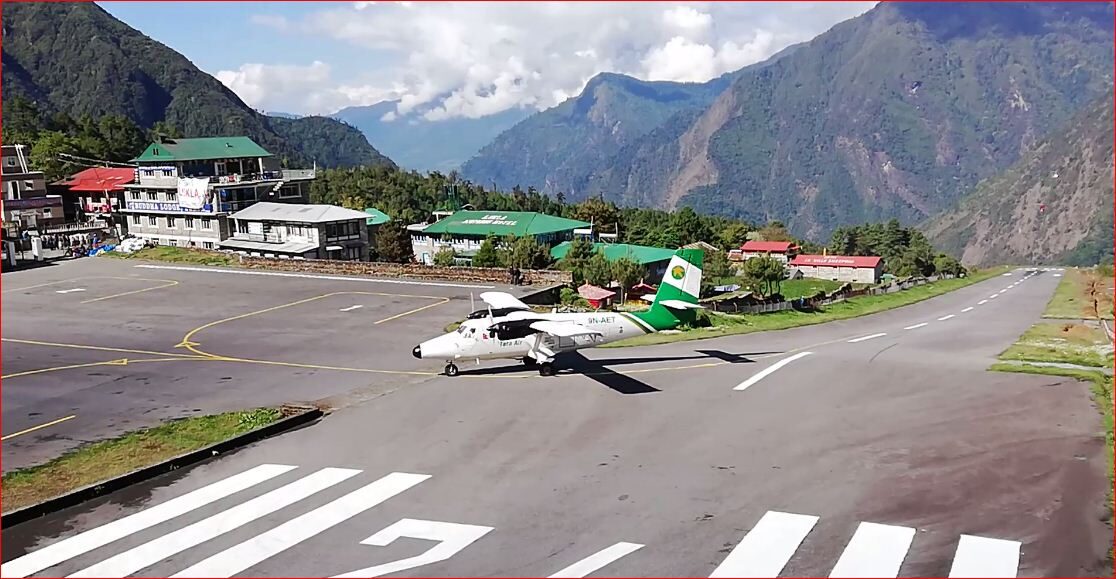
Everest Base Camp Trek in October and November
Summary: Everest Base Camp Trek in October and November both fall within Nepal’s peak autumn season, offering excellent mountain visibility, but they suit different priorities. October brings festival energy (Dashain, Tihar) and warmer days at the cost of the year’s heaviest crowds, while November offers a quieter trail and often lower costs in exchange for colder nights below Dingboche. Both require the same permits (Sagarmatha National Park and Khumbu Pasang Lhamu) and benefit from a buffer day for Lukla flight delays via Manthali.
Everest Base Camp in October and November: Two Sides of Autumn
Everest Base Camp trek in October and November gives trekkers two good options, but each month has a slightly different feel on the trail. October brings warmer days, busy teahouses and a lively atmosphere, while the end of November is colder and quieter, with fewer trekkers as the month progresses. Choosing the best time to trek comes down to what matters more to you. If you prefer settled weather and a lively trail, October is a natural choice. If you value quieter paths and lower costs, November may suit you better. Either trekking window can work well with the right preparation.
The best month between these two also depends on your budget, your available time and how much company you want on the trail. Early October can feel like a quieter start to autumn, while mid to late October brings the most settled weather alongside the heaviest footfall. Meanwhile, by the end of November and into December, the balance shifts further, offering colder mornings but noticeably calmer paths, and many trekkers now treat this stretch as one of the best times to see Mount Everest without a crowd in the frame.
This trekking guide from Nepal Hiking Adventure walks through everything you need before booking, from weather patterns and crowd levels to flights, permits and packing. By the end, you will know exactly what October and November look like on the ground in the Everest region and which fortnight fits the kind of trekking experience you are after, whichever time to trek to Everest you eventually settle on.


Is October or November the Best Time for the Everest Base Camp Trek?
Trekking to Everest Base Camp in October
The Everest Base Camp trek in October sits at the heart of Nepal’s autumn season, and for good reason. Skies clear early in the day and stay that way for most of it, giving you long stretches of unobstructed views toward Ama Dablam, Nuptse and Everest itself. Tea houses along the route run at full capacity, staff are well rested at the start of the season, and the trail itself carries a festive energy since Dashain and Tihar often fall within this window.
That said, October asks you to share the trail. Popular stops like Namche Bazaar and Tengboche fill up fast, and you will want to book accommodation ahead rather than assume a room will be waiting. Prices also creep up during this stretch, since demand from trekkers and operators alike peaks at the same time.
- Best visibility of the season, especially in the second half of the month
- Full tea house staffing and services along the entire route
- Festival atmosphere in villages along the way
- Higher accommodation demand, so book key stops early
Trekking to Everest Base Camp in November
The Everest Base Camp trek in November offers a quieter version of the same season. Crowds thin out noticeably once the month gets going, so you get more breathing room at viewpoints and a calmer pace through busy villages like Namche and Dingboche. Visibility stays strong for most of the month, often rivalling October on clear days.
The trade-off shows up after dark. Nights above Dingboche and Lobuche turn properly cold, and by late November daylight hours shrink, which shortens your window for the higher stretches of trail. Pack accordingly and plan your daily walking hours with less afternoon light in mind.
- Fewer trekkers on the trail and at tea houses
- Still-clear mountain views through most of the month
- Colder nights at higher elevations, especially past mid-month
- Shorter daylight hours by the end of November

Everest Base Camp Weather in October and November
Weather and temperature drive most of the search behind this topic, so it deserves the most detail here. Nevertheless, treat the figures below as a working range rather than an exact forecast, since mountain conditions can shift quickly regardless of season.
Daytime and Nighttime Temperatures on the EBC Route
| Location | Approx. Altitude | October Conditions | November Conditions |
| Lukla | 2,860 m | Mild days, cool nights | Cooler days, cold nights |
| Namche Bazaar | 3,440 m | Cool days, cold nights | Colder days, freezing nights |
| Tengboche | 3,860 m | Cooler, especially after sunset | Cold after sunset |
| Dingboche | 4,410 m | Cold mornings and nights | Colder, often below freezing overnight |
| Lobuche | 4,940 m | Cold, often below freezing at night | Consistently below freezing at night |
| Gorak Shep | 5,164 m | Very cold mornings and nights | Very cold; can drop well below -10°C overnight. |
| Kala Patthar | 5,545 m | Coldest point, especially before sunrise | Coldest point of the trek: dress for extreme cold. |
Competitor figures broadly agree on October, though the exact numbers shift by several degrees at every altitude band. Weather in November, on the other hand, diverges more sharply between sources, particularly overnight lows at Gorak Shep, so treat these as approximate until verified against current on-the-ground reporting.
Everest Base Camp Trek in October: Week by Week: Early vs. Late
| Period | What to Expect |
| Early October | Possible lingering monsoon cloud, relatively warmer, quieter trail |
| Mid to late October | Classic peak trekking conditions, clear mornings, busiest period of the year |
If you trek during October, expect the trail to shift noticeably between the first and second half of the month.
Everest Base Camp Trek in November: Week by Week: Early vs Late
| Period | What to Expect |
| Early November | October crowds thinning, weather still clear, cold but manageable, a favourite window for many operators |
| Late November | Sharpest cold of the season, shortest daylight hours, some higher tea houses beginning to wind down, best visibility of the year as a trade-off |
A base camp trek in November trades a little warmth for noticeably more room on the trail as the weeks go on.
Does It Rain or Snow at Everest Base Camp in October or November?
The monsoon is largely finished by the time both months begin, so rain is far less common than during June to September. Snow, though, remains possible at higher elevations in either month, and it becomes more likely as November wears on. As a result, it is worth remembering that clear autumn skies do not rule out a sudden dusting of snow above Dingboche or Lobuche.

What Is the Everest Base Camp Trail Like in Autumn?
The route itself does not change between seasons, but how it feels underfoot and how busy it looks certainly does.
Classic Lukla to Everest Base Camp Route
The trek route runs from Lukla through Phakding, Namche Bazaar, Tengboche, Dingboche, Lobuche and Gorak Shep before reaching Everest Base Camp itself. From there, the return journey retraces much of the same path back through the Khumbu. This classic line follows the Dudh Koshi valley before climbing into the higher, thinner air above Namche, and it remains one of the clearest ways to take in the beauty of the Everest region.
What Changes Between October and November on the Trail
- Drier trekking trails in both months once the monsoon clears
- Clearer mountain views throughout, often sharpest in November
- Noticeably more trekkers in October than in November
- Tea houses running near full capacity in October, with more room to negotiate by November
- Morning frost possible at higher altitude in October, a near-daily occurrence by November
- Busy sections around popular viewpoints ease off steadily as the season moves on
Major Sights Along the Route
- Namche Bazaar and its market atmosphere
- Sagarmatha National Park
- Tengboche Monastery
- Ama Dablam views from multiple points along the trail
- Dingboche, Lobuche and Gorak Shep
- Everest Base Camp and Kala Patthar
Acclimatisation around Namche and Dingboche remains essential regardless of which month you choose.
How Many Days Do You Need for an EBC Trek in October or November?
Most operators, including experienced local guides, build their trek itinerary around a 14-day structure that leaves enough room for safe acclimatisation on the journey to Everest Base Camp.
Recommended 14-Day Everest Base Camp Trek Itinerary
- Arrival in Kathmandu
- Fly to Lukla and trek to Phakding
- Phakding to Namche Bazaar
- Acclimatisation day in Namche
- Namche to Tengboche
- Tengboche to Dingboche
- Acclimatisation day in Dingboche
- Dingboche to Lobuche
- Lobuche to Gorak Shep and Everest Base Camp
- Kala Patthar and descent
- Trek towards Namche
- Namche to Lukla
- Lukla to Kathmandu
- Buffer or departure day
Two acclimatisation days, one near Namche and one near Dingboche, appear across nearly every reputable 14-day Everest Base Camp trek itinerary in both October and November.
Why You Should Keep a Buffer Day in Both Months
Good trekking weather never guarantees reliable flights, whether you travel in October or November. Visibility, wind and airport congestion can all delay Lukla departures, so the risk does not disappear simply because the season is generally dry.
Lukla Flights in October and November: What Trekkers Should Know
Flight logistics catch many first-time trekkers off guard, and this deserves its own section rather than a passing mention.
Kathmandu to Lukla Flight
Flights between Kathmandu and Lukla run frequently through both months, though demand climbs sharply as peak season sets in. Seats fill quickly, so booking early matters more here than almost anywhere else in the planning process.
Ramechhap or Manthali Airport During Peak Season
Lukla flights are typically diverted through Manthali Airport in Ramechhap District for roughly the whole of October and November. This adds a 4 to 5 hour overland transfer from Kathmandu on each end of the trip, and it is worth stating plainly here since it surprises many first-timers.
What Happens If Your Lukla Flight Is Delayed?
- Keep a buffer day, ideally two, built into your schedule
- Avoid booking an international departure right after the trek ends
- Follow your operator’s latest flight updates closely
October, notably, holds the most reliable flight record of the year, with roughly 1 in 10 departures delayed over two hours. That single statistic explains why plenty of trekkers accept the crowds in exchange for that reliability, especially those set on a base camp trek during October.

How Crowded Is Everest Base Camp in October and November?
How Crowded Is the Everest Base Camp Trek in October?
October is the busiest month on the trail, and the crowding follows a predictable pattern. Lukla airport and the trail leading out of town see the heaviest morning traffic, since most flights land within a narrow window and everyone sets off around the same time. Namche Bazaar gets particularly packed around market day, and Tengboche’s monastery grounds fill up as groups pause there for the classic mountain backdrop. Further up, Lobuche, Gorak Shep and the final stretch to Everest Base Camp all see steady foot traffic, and Kala Patthar at sunrise draws a crowd that can feel more like a queue than a viewpoint.
A few habits help take the edge off the busiest stretches:
- Start walking early in the day, well ahead of the main groups
- Book accommodation ahead of time, since October fills up fast
- Avoid rushing into popular viewpoints during peak hours
- Consider a November trek or a Gokyo or Cho La pass variant if crowding is your main concern
How Crowded Is the Everest Base Camp Trek in November?
By mid-November, the same trail feels like a different place. The crowds that pack Lukla, Namche and Tengboche in October thin out noticeably, and even Kala Patthar at sunrise becomes a calmer experience rather than a shared spectacle. This holds true without much of a trade-off on visibility. Skies stay largely clear through the month, so the quieter trail does not come at the cost of the views.
The one real compromise is temperature rather than crowding. Nights turn colder at higher elevations as the month goes on, and many trekkers consider that a fair exchange for having the trail mostly to themselves.
Festivals and Culture During an Autumn EBC Trek
Autumn trekking in Nepal often overlaps with some of the country’s most significant cultural moments, and this adds real texture to the journey beyond the trail itself, lending October in particular a livelier trekking atmosphere.
October offers the added pull of Dashain and Tihar layered on top of the clearest skies of the year, which is part of why the month draws such heavy footfall.
Dashain in Nepal
Dashain typically falls within the October window in most years, and trekkers passing through Kathmandu and lower settlements will likely notice the celebrations, from decorated homes to family gatherings across the valley.
Tihar and the Festival of Lights
Tihar generally runs from late October into early November, and it brings its own visual character to Kathmandu, with oil lamps and marigold garlands lining many streets and doorways.
Mani Rimdu at Tengboche
Mani Rimdu deserves special mention, since it is a major Sherpa Buddhist festival tied directly to Tengboche Monastery in the Everest region. Its dates follow the Tibetan lunar calendar, so no October or November trek is guaranteed to coincide with it. Consequently, always confirm the current year’s dates against the latest festival calendar before building expectations around it.
What Mountain Views Can You Expect in October and November?
Clear mountain views are one of the strongest reasons trekkers choose the autumn season over any other time of year, and both months remain ideal for trekking toward that reward.
Everest, Lhotse and Nuptse
All three peaks, including Mt Everest itself, come into clear view at multiple points along the route, particularly from Kala Patthar and the approach to Gorak Shep, in both October and November.
Ama Dablam and the Khumbu Peaks
Ama Dablam stands out as one of the most photographed peaks in the entire Himalayas, visible from Tengboche, Dingboche and several points in between.
Best Viewpoints for Autumn Photography
- Namche Bazaar’s upper viewpoints
- Tengboche Monastery grounds
- The Dingboche area, especially at dawn
- Kala Patthar, the standout Himalayan viewpoint at 5,545 m
- The final approach to Everest Base Camp
Kala Patthar remains the standout spot for photographing Mount Everest in both months, and November arguably delivers the sharpest air of the two thanks to its colder, drier atmosphere. Base Camp itself also draws a steady stream of Everest climbers preparing for their own expeditions, which adds another layer of interest for trekkers passing through.
Is the Everest Base Camp Trek Safe in October and November?
Good weather in either month does not remove the real risks of high-altitude travel, so this section deserves an honest look rather than reassurance alone.
Altitude Sickness Is Still the Main Concern
High Altitude sickness remains the primary safety concern on this route, regardless of how clear the skies look outside your teahouse window.
- Everest Base Camp sits at 5,364 m, and Kala Patthar reaches 5,545 m
- Acclimatisation stays essential no matter which month you choose
- Fitness alone does not prevent altitude sickness
- Symptoms should be reported early rather than pushed through
- Clear weather changes nothing about the underlying high-altitude risk
How to Reduce Altitude Risk
- Ascend gradually and respect built-in acclimatisation days
- Walk at a slow, steady pace rather than rushing between stops
- Stay well hydrated throughout the day
- Avoid alcohol once you are above high-altitude thresholds
- Report symptoms immediately and descend if they worsen
What About Snow, Ice and Sudden Weather Changes?
Ice underfoot becomes more likely as November progresses, particularly on shaded sections above Dingboche. Therefore, trekking poles and proper trekking boots with solid grip matter more in the back half of the season than earlier in October.

Where Do You Stay and Eat During the October and November EBC Trek?
Accommodation and food shape the daily rhythm of the trek just as much as the walking itself does.
Tea House Accommodation
Tea house lodges operate along the entire main route through both October and November. Rooms tend to be basic, and shared dining halls act as the real social hub each evening. Heating varies by lodge, and higher settlements can run short on rooms, especially during the October rush.
Why You Should Book Accommodation Early, Especially in October
Booking ahead matters most at higher settlements where room supply is genuinely limited. November, by contrast, offers noticeably more flexibility for trekkers who prefer to plan a little later.
Food and Drinking Water
- Dal bhat, the trekker staple, available at nearly every stop
- Noodle soups and simple pasta dishes
- Tibetan-style items such as momos and thukpa
- Hot drinks, including ginger and lemon tea for altitude comfort
- Boiled or properly treated drinking water throughout the route
What Should You Pack for the Everest Base Camp Trek in Autumn?
A tight, purposeful list for Everest Base Camp packing matters more here than a long generic one, so treat this as a checklist rather than a full essay, and use it alongside these general tips for Everest Base Camp planning.
Clothing for Warm Days and Cold Nights
- Moisture-wicking base layer tops and bottoms
- A midweight fleece layer
- A reliable down jacket
- A waterproof outer shell
- Warm trekking trousers
- A warm hat, gloves and quality wool socks
Essential Trekking Gear
- A sleeping bag rated for sub-zero nights
- Sturdy trekking poles
- A reliable headlamp
- A refillable water bottle and purification method
- Sunglasses rated for high-altitude glare
- Sunscreen and basic first-aid supplies
What Changes Between an October and a November Packing List
A warmer-rated sleeping bag and a heavier down jacket matter more once November arrives. That said, both months still call for full sun protection above 4,000 m, and October carries a slightly higher chance of needing light rain gear early in the month.
Everest Base Camp Trek Cost in October and November
Costs shift with demand more than with anything else, so understanding the seasonal pattern helps with realistic budgeting for your trek to EBC.
Major Autumn Trek Costs
- International flights to Kathmandu
- Nepal visa fees
- Kathmandu accommodation before and after the trek
- Lukla flights, including the Manthali transfer
- Guide and porter fees
- Tea house accommodation along the route
- Daily meals
- Permits
- Travel insurance covering high-altitude trekking
- Personal expenses and tips
Permit Costs, Confirmed for 2026
| Permit | Cost |
| Sagarmatha National Park entry (foreign nationals) | NPR 3,000 plus 13% VAT, NPR 3,390 total |
| Sagarmatha National Park entry (SAARC nationals) | NPR 1,500 |
| Khumbu Pasang Lhamu Rural Municipality permit | NPR 3,000, up from NPR 2,000 previously |
Since the municipality permit mentioned above has taken its place, the TIMS card is no longer necessary for the Khumbu or Everest Base Camp region. Some competitor sites still quote a $20 TIMS fee for this route, but that figure is outdated and should not be repeated.

Why October Can Cost More Than November
Peak season demand drives the difference, particularly for flights, guides and accommodation. November’s lighter demand, meanwhile, generally leaves more room to negotiate on tea house rates and porter availability.
October vs November for the Everest Base Camp Trek
| Factor | October | November |
| Weather | Excellent | Excellent |
| Mountain visibility | Excellent | Excellent, often sharper late in the month |
| Crowds | Very high | Moderate, dropping through the month |
| Night temperatures | Cold | Colder |
| Tea house demand | Very high | Lower, easier to book on short notice |
| Cost | Peak | Often lower |
| Festivals | Strong cultural calendar, with Dashain and Tihar overlapping | Tail end of Tihar, otherwise quieter culturally |
Verdict: choose October for peak-season weather, strong mountain views and festival atmosphere. Choose November instead if a quieter trail and lower costs matter more to you than warmth, and colder nights feel like a fair trade. Either way, this is genuinely the best season and best month for Everest Base Camp for most first-time trekkers.

Who Should Trek to Everest Base Camp in October? Who Should Choose November?
Matching the month to your priorities matters more than chasing an abstract “best” answer, since both months genuinely work well for different travellers.
Everest Base Camp in October Is Best for You If You Want
- Clear mountain views and dry trekking conditions
- A lively, social trail atmosphere
- Fully operating tea houses at every stop
- Festival experiences layered into your trip
- Classic Everest photographs, even if that means sharing the trail
Everest Base Camp in November Is Best for You If You Want
- Fewer people on the trail overall
- Lower demand for rooms and porters
- A quieter, calmer tea house experience each evening
- A willingness to pack for colder nights above Dingboche in exchange for solitude, on a base camp trek in November that trades warmth for space
Everest Base Camp Trek in October and November: Find Your Best Fit
Everest Base Camp in October and November remains a popular choice for trekkers looking for clear mountain views, dry trails and generally stable conditions. Both months fall within the main autumn trekking season, although they offer a slightly different experience. October brings warmer days, festivals and a busier trail, while November is colder but usually quieter, with good visibility for most of the month.
October suits first-time trekkers who want dependable weather and strong Himalayan visibility and who do not mind sharing the trail during peak season. November, meanwhile, suits repeat trekkers or anyone who values solitude and slightly lower costs over warmth, provided they pack properly for colder nights above Dingboche.
Whichever month fits your priorities, start arranging your itinerary, flights, accommodation and permits early with Nepal Hiking Adventure. Book ahead if you want more choice in tea houses and travel dates, particularly around Dashain and Tihar in October, and confirm the current Lukla flight arrangements through Manthali before locking in your dates. For help planning your trek, contact us for current arrangements and booking assistance.

Everest Base Camp Trek in October and November: FAQs
Is October or November Better for the Everest Base Camp Trek?
October suits trekkers who want warmer days and festival energy, while November suits those who prefer a quieter trail. Both months offer excellent mountain views, so the choice mainly comes down to crowd tolerance and cold sensitivity.
How Cold Does It Get at Everest Base Camp in November?
Nighttime temperatures at Everest Base Camp in November regularly drop well below freezing and can fall past -10°C at Gorak Shep. Daytime conditions stay milder in direct sun, though shaded sections remain cold throughout the day.
Is the Everest Base Camp Trail Crowded in October?
Yes, October is the busiest trekking month of the year across the entire Everest Base Camp trail. Namche Bazaar, Tengboche and Gorak Shep see the heaviest footfall, especially in the back half of the month.
Do Lukla Flights Operate Normally in October and November?
Flights generally run well through both months, though they are typically diverted through Manthali Airport for most of the season. October holds the more reliable record of the two, with roughly 1 in 10 flights delayed over two hours.


Our History in Service Excellence


