
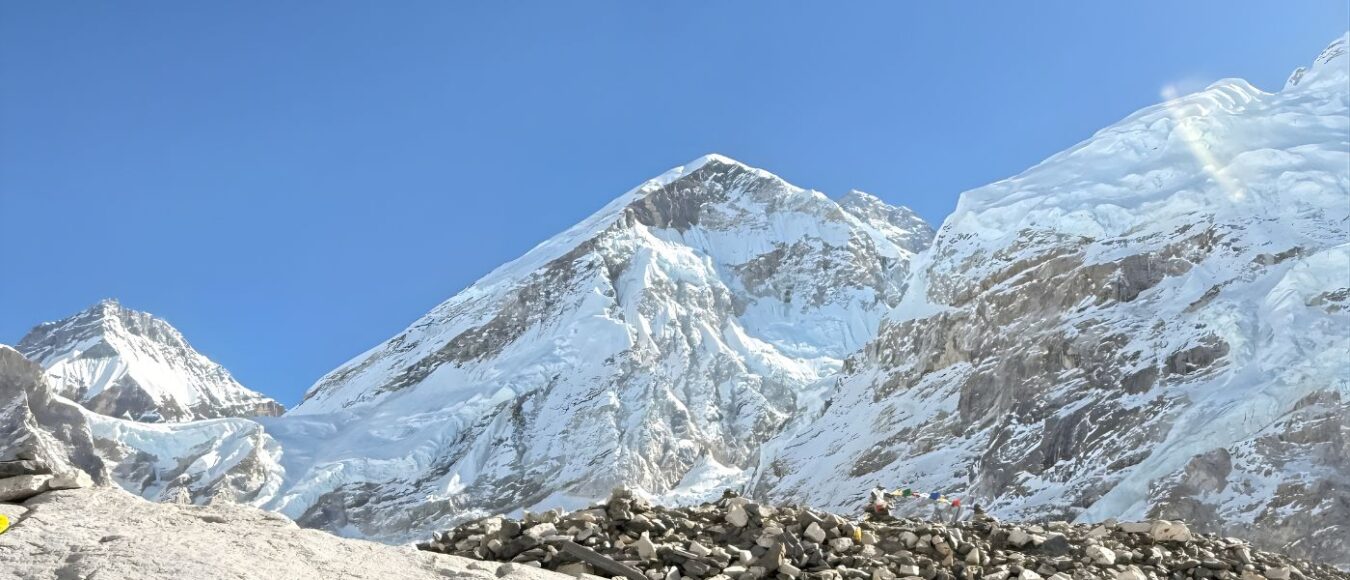
Everest Base Camp Trek in March
Summary: The Everest Base Camp Trek in March offers a sweet spot between winter cold and autumn crowds, with improving weather and early rhododendron blooms. Over 12-14 days, trekkers face temperatures from 8°C (Lukla) to -17°C overnight (Base Camp), with acute mountain sickness affecting 40-50% at altitude. Trails stay moderate until late March when spring numbers rise. Best suited to prepared trekkers seeking clear visibility and lower costs than peak season, at $1,200-$2,500+.
Understanding Everest Base Camp Trek in March
The Everest Base Camp Trek in March remains one of the world’s most sought-after adventures, drawing thousands of international travellers annually to the majestic Himalayas. Moreover, March is the beginning of the spring trekking season, positioned strategically between winter’s harsh grip and the pre-monsoon period, when conditions transform dramatically across the Everest region. For adventurers planning a trek to Everest Base Camp, understanding what this month offers becomes essential for proper preparation and realistic expectations about weather, crowds, and trail dynamics.
This transitional month creates unique conditions that appeal to experienced trekkers and adventurers seeking clear mountain visibility without extreme cold. Furthermore, the month of March brings gradually warming temperatures, improving trail conditions, and the first hints of rhododendron blooms across lower elevations. Additionally, trekking in Nepal during this period rewards those who appreciate the balance between accessibility and an authentic high-altitude trek challenge.
This comprehensive guide explores everything you need to know about trekking Everest Base Camp in March, prepared with on-the-ground insight from Nepal Hiking Adventure. Consequently, it covers Everest Base Camp weather in March, crowd levels, itinerary planning, fitness requirements, packing essentials, and Sherpa culture and monasteries along the trail. Whether you are a first-time Himalayan trekker or returning for another journey to Everest Base Camp, you will find practical guidance grounded in local expertise, seasonal trekking conditions, and real experiences from the Khumbu region.


Why March is a Great Month to Trek Everest Base Camp
March offers distinct advantages for those planning an EBC trek, though it comes with considerations worth understanding before booking flights to Lukla. In fact, the transition from winter to spring creates conditions that differ significantly from peak autumn months, yet many seasoned trekkers prefer this period precisely for those differences.
Weather advantages:
- Pleasant weather compared to January and February’s bitter cold
- Clearer skies than monsoon season (June through September)
- Breathtaking views of Everest and surrounding peaks with excellent visibility
- Lower humidity levels throughout the Everest region during March can affect hiking conditions.
- Increasing daylight hours as spring progresses
Trail conditions and crowds:
- Fewer trekkers than October and November peak season
- More accommodation availability in teahouses
- Less pressure on popular lodges in Namche Bazaar and Dingboche
- Easier flight bookings to and from Lukla
- More individualised attention from lodge owners and guides
Natural highlights:
- Early March showcases snow-covered landscapes in the Everest region during March.
- Late March brings emerging rhododendron blooms at lower elevations
- Wildlife becomes more active after winter dormancy
- Photography conditions improve with crisp mountain air
- Spring birds return to the Everest region
| Comparison Factor | March | October/November | January/February |
| Temperature | Moderate | Comfortable | Very Cold |
| Visibility | Excellent | Excellent | Good |
| Crowds | Moderate | Very High | Low |
| Flora | Early blooms | Autumn colors | Dormant |
| Teahouse Availability | Good | Limited | Excellent |
| Flight Reliability | Moderate | Good | Variable |
Considerations for March trekking:
- March can still be cold at higher elevations, particularly at night
- Weather in the Everest region remains somewhat unpredictable
- Early March experiences more winter-like conditions than late March
- Teahouses begin reopening after winter closures
- Some alternative routes may remain inaccessible
Ultimately, making the trek during this transitional month rewards prepared adventurers with fewer crowds, improving weather, and the satisfaction of experiencing the Everest region in March before tourist numbers peak. Moreover, booking flexibility increases compared to autumn’s competitive reservation landscape. March is a good month for those seeking this balance.
Everest Region Weather in March
Understanding weather conditions during your trek in the Everest region proves critical for preparation and packing decisions. Indeed, March is a transition month when the Himalayan trekking season shifts from winter dormancy toward spring vitality, bringing variable conditions that change notably from early to late month.
General weather patterns:
- Daytime temperatures gradually warm throughout March
- Nighttime temperatures remain below freezing above 4,000 metres
- Precipitation occurs occasionally, mostly as afternoon snow showers
- Wind speeds moderate compared to winter months
- Cloud cover increases toward month’s end
Temperature ranges by elevation:
| Location | Altitude (m) | Day (°C) | Night (°C) |
| Lukla | 2,860 | 8 to 12 | -2 to 2 |
| Namche Bazaar | 3,440 | 5 to 10 | -5 to 0 |
| Dingboche | 4,410 | 0 to 8 | -10 to -5 |
| Gorak Shep | 5,164 | -5 to 5 | -15 to -10 |
| Everest Base Camp | 5,364 | -8 to 3 | -17 to -12 |
Sky conditions and precipitation:
- Morning skies typically clear and crisp
- Afternoon clouds common, especially late March
- Snowfall possible throughout the month at all elevations
- Rain more likely at lower altitudes (below 3,000 m)
- Weather at Everest Base Camp can change rapidly
Daylight considerations:
- Sunrise around 6:30 AM in early March
- Sunset approximately 6:15 PM by late March
- Roughly 11.5 hours of potential daylight
- The best hiking hours between 7 AM and 4 PM
- Photography golden hours improve as spring advances
Weather variability factors:
- March marks the start of pre-monsoon buildup
- Jet stream influence decreases but remains present
- Microclimate variations between valleys
- Altitude significantly affects local conditions
- Western disturbances can bring unexpected snow
Practical weather implications:
- Layering clothing becomes essential
- Waterproof gear necessary despite relatively dry season
- Sun protection critical with stronger UV at altitude
- Weather in March allows comfortable daytime hiking
- Evening temperatures demand quality insulation
The weather in the region during March strikes a balance between accessibility and authentic high-altitude conditions. While not as reliably warm as May or as dramatically cold as January, the trek during March offers conditions that let properly equipped adventurers enjoy the trek without weather dominating the experience. Nevertheless, flexibility remains important, as unpredictable weather patterns can affect flight schedules and daily plans.

How Crowded Is the Trail in March
Trail congestion significantly impacts the Everest Base Camp experience, affecting everything from accommodation availability to the meditative quality of your Himalayan journey. Therefore, March is one of the transitional months when crowd dynamics shift notably between early and late periods.
Early March crowd patterns:
- Tail end of winter trekking season
- Significantly fewer trekkers than autumn months
- More solitude on trails between villages
- Easier lodge selection without advance booking
- Greater flexibility in daily scheduling
Late March dynamics:
- The spring season gains momentum
- Increasing numbers as weather improves
- Popular lodges begin filling earlier
- Lukla flight demand rises
- Group treks become more common
Comparative crowd analysis:
| Period | Trail Density | Lodge Pressure | Lukla Flights |
| Early March | Low-Moderate | Comfortable | Available |
| Mid-March | Moderate | Moderate | Moderate |
| Late March | Moderate-High | Increasing | Competitive |
| Peak Season | Very High | Severe | Extremely Limited |
Accommodation implications:
- Most teahouses open by March across the standard route
- Room selection generally available without reservation
- Shared facilities less congested than peak months
- Dining areas offer more space and social interaction
- Lodge owners have more time for guest interaction
Strategic timing considerations:
- The first two weeks offer quieter experience
- Holi festival period (varies yearly) affects crowd numbers
- The final week sees spring rush beginning
- Weekday departures from Lukla less crowded than weekend ones
- Starting your trek mid-week reduces congestion
Tips to avoid peak trail congestion:
- Depart Lukla on Tuesday through Thursday when possible
- Build an extra day into your itinerary for flexibility
- Consider starting after March 15th when winter trekkers finish
- Book through established operators for lodge coordination
- Trek at your own pace rather than following large groups
Flight booking implications:
- Lukla flights face less pressure than October-November
- Morning departures still experience weather delays
- Advance booking recommended but not absolutely critical
- Helicopter alternatives available if needed
- Return flights somewhat flexible with space availability
Understanding crowd patterns helps set realistic expectations and informs booking decisions. Consequently, while trekking Everest Base Camp in March involves sharing the trail with others, it rarely reaches the overwhelming density that characterises autumn’s peak weeks. This balance appeals to those seeking community without congestion and solitude without isolation. The middle of March typically marks the transition point when trail numbers begin increasing noticeably.

Everest Base Camp Trek in March: Standard Itinerary
A well-structured itinerary proves essential for successful acclimatization and enjoyment of the Everest Base Camp trek. Therefore, most trekkers allocate 12-14 days for the standard trek route, though variations exist depending on fitness, schedule, and side trip interests.
Standard 12-14 days Everest Base Camp trek itinerary:
Day 1: Lukla (2,860m) to Phakding (2,610m) from Kathmandu
- Flight duration: 30-40 minutes (weather permitting)
- Hiking time: 3-4 hours
- Trail character: Gradual descent through villages
- Accommodation: Teahouse lodge
Day 2: Phakding to Namche Bazaar (3,440m)
- Hiking time: 6-7 hours
- Elevation gain: 830 meters
- Trail character: Dudh Koshi river crossing, steep final ascent
- Accommodation: Namche teahouse
Day 3: Acclimatization Day in Namche
- Trek to Khumjung village or Hotel Everest View (3,880m)
- Active rest with elevation gain and return
- Museum visits and market exploration
- Critical for altitude adjustment
Day 4: Namche Bazaar to Tengboche (3,860m)
- Hiking time: 4 to 5 hours
- Route: Namche Bazaar via Phunki Tenga
- Trail character: Mixed terrain with steady ascents and descents, forested sections, and exposed ridgelines
- Highlights: Panoramic views of Everest, Ama Dablam, and Lhotse. Visit to the Tengboche Monastery
- Accommodation: Tengboche teahouse
Day 5: Tengboche to Dingboche (4,410m)
- Hiking time: 4 to 5 hours
- Route: Descend to Debuche, cross the Imja Khola, then ascend through Pangboche
- Trail character: Mixed terrain with a steady climb above the tree line and widening valley views
- Highlights: Close views of Ama Dablam, traditional Sherpa villages, and high pasturelands
- Accommodation: Dingboche teahouse
Day 6: Dingboche to Lobuche (4,940m)
- Hiking time: 5-6 hours
- Passing memorial stupas at Thukla Pass
- Trail character: Rocky, exposed terrain
- Accommodation: Basic teahouse
Day 7: Lobuche to Gorak Shep (5,164m) to Everest Base Camp (5,364m) and return
- Hiking time: 8-9 hours total, especially when navigating the Everest region during March.
- Reach the base camp typically in the afternoon
- Return to Gorak Shep for overnight
- Most physically demanding day of the trek
Day 8: Gorak Shep to Kala Patthar (5,545m) and descent to Pheriche (4,371m)
- Pre-dawn start for sunrise on Mount Everest
- Best panoramic views of Everest and other peaks
- Long descent to lower elevation
- Hiking time: 7-8 hours
Days 9-11: Return trek via Namche to Lukla
- Retracing route with faster pace
- Descending to lower altitude
- Typical allocation: 3 days
- A buffer day included for flexibility
Day 12: Lukla to Kathmandu
- Early morning flight (weather dependent)
- Return to hotel in Kathmandu
- Rest and celebration
Alternative and extended routes:
Gokyo Lakes variant (16-17 days):
- Includes pristine turquoise glacier lakes
- Gokyo Lakes trek offers different perspective
- Crosses Cho La Pass if connecting to EBC
- Less crowded alternative trek in the region
Everest Three Passes adventure (20-21 days):
- Everest Three Passes Trek covers Renjo La, Cho La, Kongma La
- Most challenging trek in Nepal
- Requires excellent fitness and acclimatization
- Everest Three High Passes combines EBC with circuit experience
Luxury lodge options:
- Everest Base Camp luxury lodges available
- Higher comfort level along the trek
- Premium teahouse chains operating in March
- Increased cost but enhanced amenities
Itinerary flexibility considerations:
- Weather buffers are essential for Lukla flights
- The duration of your trek adjustable for fitness levels
- Rest days critical regardless of time for the trek
- Faster itineraries risky for altitude sickness
- A slower pace increases success rates
Throughout the trek, the itinerary balance between progress and acclimatization determines success. Importantly, March conditions allow this standard routing with occasional adjustments for weather. Building flexibility into your schedule accommodates the reality that flights cancelled due to weather conditions or unexpected challenges require adaptation. The Everest Base Camp route remains well-established with clear markings and regular teahouse options along the Everest Base Camp trail.

Altitude, Difficulty, and Fitness Requirements
The Everest Base Camp trek is physically demanding, regardless of season, but trekking in March presents specific challenges related to altitude, cold, and changing conditions. Therefore, understanding these requirements helps determine whether you’re ready and what preparation becomes necessary.
Difficulty assessment:
- Trek difficulty level rated moderate to challenging
- Altitude rather than distance creates primary challenge
- Cold temperatures add physical stress
- Previous high-altitude experience beneficial but not mandatory
- Mental resilience equally important as physical fitness
Altitude profile and risks:
- Maximum altitude: 5,545m at Kala Patthar
- Base camp elevation: 5,364m
- Prolonged time above 4,000m
- Acute Mountain Sickness (AMS) affects 40-50% of trekkers
- Proper acclimatization dramatically reduces risk
Common altitude challenges:
- Headaches and nausea above 3,500m
- Sleep disruption at high camps
- Reduced appetite and energy
- Shortness of breath during exertion
- Increased urination frequency
Fitness requirements and preparation:
Cardiovascular endurance:
- Ability to hike 5-7 hours daily
- Sustained effort on inclines
- Recovery capacity between days
- Aerobic base built over months
A recommended preparation timeline (12-16 weeks) is essential for hiking in the Everest region during March:
- Weeks 1-4: Base building with 3-4 weekly cardio sessions
- Weeks 5-8: Intensity increase with longer weekend hikes
- Weeks 9-12: Peak training with loaded backpack hiking
- Weeks 13-16: Taper with maintenance and rest
Training activities:
- Hill hiking with elevation gain
- Stair climbing with weighted pack
- Running or cycling for aerobic base
- Core strengthening for pack carrying
- Flexibility work for injury prevention
Physical demands by trek section:
| Trek Section | Challenge Level | Primary Demand |
| Lukla to Namche | Moderate | Steep climbing |
| Namche to Dingboche | Moderate | Sustained altitude gain |
| Dingboche to Gorak Shep | Challenging | Altitude and cold |
| Base Camp day | Very Challenging | Duration and elevation |
| Kala Patthar summit | Extreme | Altitude and pre-dawn cold |
Safety considerations:
- Ascend slowly, following the “climb high, sleep low” principle
- Recognize AMS symptoms early
- Descend immediately if severe symptoms develop
- Travel insurance with helicopter evacuation coverage mandatory
- Guides trained in altitude illness recognition
Risk management strategies:
- Extra acclimatization days if symptoms appear
- Diamox consideration after medical consultation
- Proper hydration (3-4 liters daily)
- Adequate caloric intake despite reduced appetite
- Immediate descent if high-altitude sickness like pulmonary or Cerebral Edema is suspected
Age and experience considerations:
- No upper age limit with proper fitness
- Previous trekking experience helpful
- Mental preparation for discomfort
- Realistic self-assessment critical
- Professional medical clearance advised over age 60
The trek is suitable for beginners who invest adequate preparation time and maintain realistic expectations. Moreover, the base camp trek is physically achievable for most healthy individuals committed to proper training and acclimatization protocols. Nevertheless, altitude affects everyone differently, making humility and flexibility essential attributes. Embarking on the Everest journey requires both physical and mental preparation.
Packing Guide for Everest Base Camp Trek in March
Proper equipment proves critical for comfort and safety during your EBC trek in March. Consequently, the transitional weather requires layering systems that handle cold nights, moderate days, and sudden weather changes.
Clothing essentials (layering system):
Base layers:
- Thermal underwear (top and bottom, merino wool preferred)
- Long-sleeve technical shirts (2-3)
- Moisture-wicking undergarments
- Thermal socks (4-5 pairs)
Mid layers:
- Fleece jacket or pullover
- Insulated synthetic jacket
- Softshell pants or trekking pants (2 pairs)
- Down jacket for higher elevations
Outer layers:
- Waterproof jacket with hood (Gore-Tex or equivalent)
- Waterproof pants
- Windproof layer for exposed sections
- Gaiters for snow and dust
Extremities protection:
- Insulated winter gloves plus liner gloves
- Warm hat covering ears
- Sun hat or cap with brim
- Buff or neck gaiter
- Sunglasses (Category 4 for high altitude)
Footwear:
- Broken-in trekking boots (waterproof, ankle support)
- Camp shoes or lightweight sneakers
- Moisture-wicking sock liners
- Gaiters for snow protection
Gear checklist:
Make sure you have all the essentials for trekking to stay safe, comfortable, and prepared on your EBC trek.
Sleeping equipment:
- Sleeping bag rated -15°C minimum (-20°C better for March)
- Sleeping bag liner for warmth and hygiene
- Stuff sack or compression sack
Trekking equipment:
- Trekking poles (adjustable, shock-absorbing)
- Headlamp with extra batteries
- Daypack (25-30L) for daily essentials
- Duffel bag for porter-carried items (keep under 15kg)
- Water bottles or hydration system (2L capacity)
- Water purification tablets or filter
Navigation and safety:
- Offline maps on phone
- Portable charger and solar panel
- Whistle for emergency
- Emergency blanket
Toiletries and personal items:
- Sunscreen (SPF 50+, used liberally)
- Lip balm with UV protection
- Toilet paper and wet wipes
- Hand sanitizer
- Toothbrush and biodegradable toothpaste
- Quick-dry towel (small)
- Prescription medications in original containers
First-aid kit:
- Altitude sickness medication (after medical consultation)
- Pain relievers and anti-inflammatories
- Blister treatment and moleskin
- Antibacterial ointment
- Bandages and tape
- Electrolyte supplements
- Personal prescription medications
Electronics and documents:
- Passport with Nepal visa
- Travel insurance documents
- TIMS card and Sagarmatha National Park permit
- Emergency contact information
- Credit cards and cash (Nepali rupees)
- Camera with extra batteries
- Adapter plugs for charging
Optional items for comfort:
- Book or e-reader
- Ear plugs for teahouse sleeping
- Playing cards for evening entertainment
- Trekking journal
- Snacks from home (energy bars, chocolate)
- Small padlock for duffel bag
Items NOT to bring:
- Excessive clothing changes (laundry services available)
- Cotton clothing (dries slowly)
- Heavy books
- Unnecessary electronics
- Single-use plastics
Packing strategy:
- Test all gear before departure
- Break in boots for a minimum 50km before the trek
- Layer items in waterproof stuff sacks
- Keep essentials in a daypack
- Pack heaviest items in porter duffel
- Carry during the trek only what you need daily
Weight considerations:
- Porter duffel limited to 15 kg typically
- Keep daypack under 5 kg for comfort
- Share items with trekking partners when possible
- Consider gear rental in Kathmandu for specialized items
Proper packing for trekking Everest Base Camp in March balances preparedness with practicality. Furthermore, the trek route offers limited resupply opportunities, making comprehensive packing essential. However, Namche Bazar provides gear shops for forgotten items or upgrades, though at premium prices. Attempting Everest Base Camp without proper cold-weather gear significantly increases discomfort and health risks.
Permits, Costs, and Booking Essentials
Understanding permit requirements and financial expectations helps with planning your Everest Base Camp trek efficiently. Additionally, March bookings typically encounter less competition than autumn, but early planning still proves beneficial.
Required permits:
Sagarmatha National Park Entry Permit:
- Cost: NPR 3,000 (approximately USD 23)
- Obtained at Kathmandu or Monjo entry point
- Valid for duration of your trek
- Supports park conservation efforts
TIMS Card (Trekkers’ Information Management System):
- Cost: NPR 3,000 (approximately USD 23) for organized treks
- Required for all trekkers
- Obtained through registered trekking agencies
- Safety tracking and rescue facilitation are crucial during the three high passes trek.
Permit processing:
- Agencies typically handle permit arrangements
- Passport photos required (2-3)
- Processing usually completed 1-2 days before departure
- Keep permits accessible for checkpoints along the Everest base camp trail
Expected cost breakdown:
Lukla flights (round trip):
- Kathmandu-Lukla-Kathmandu: USD 450-1000
- March prices moderate compared to peak season
- Peak season note: During busy trekking months, most Lukla flights are diverted from Kathmandu to Ramechhap due to airport congestion
- Helicopter alternative: USD 600+ one way
- Cancelled due to adverse weather conditions in the Everest region during March.
Accommodation costs:
| Service | Cost Range (USD/day) | Notes |
| Teahouse bed | 5-10 | Basic to moderate comfort |
| Meals (3 meals per day) | 25-35 | Increases with altitude |
| Hot shower | 3-5 | Not always available |
| WiFi | 5-10 per day | Unreliable at higher camps |
| Charging electronics | 3-5 per device | Limited power availability |
Guide and porter services:
- Licensed guide: USD 25-60 per day
- Porter: USD 20-35 per day
- Recommended for safety and navigation
- March availability good through agencies
Total estimated costs:
- Budget trek (independent): USD 1,200 to 1,600
- Mid-range trek (with guide): USD 1,600 to 2,500
- Luxury or fully organised package: USD 2,500 to 4,000
These ranges cover permits, flights, accommodation, meals, and essential support, with comfort and services increasing across categories.
Booking strategies for March:
- Try to book flights two to three months in advance
- Agency booking provides logistical security
- Independent trekking possible but requires experience
- Lodge reservations not critical in early March
- Late March benefits from advance teahouse coordination
Payment considerations:
- ATMs available in Kathmandu and Namche only
- Carry sufficient Nepali rupees cash
- Credit cards rarely accepted on the trail
- USD accepted at fluctuating rates
- Budget extra for unexpected delays
Insurance requirements:
- Comprehensive travel insurance mandatory
- Helicopter evacuation coverage essential (minimum USD 100,000)
- Trip cancellation coverage recommended
- Altitude-related medical coverage specifically included
- Verify policy covers trekking to base camp elevation
Booking timeline recommendations:
- 3-4 months before: Research and agency selection
- 2-3 months before: Flight and trek booking
- 1 month before: Gear acquisition and training peak
- 2 weeks before: Final preparations and permits
- Flexibility remains important for weather variations
Properly budgeting and booking for your Mount Everest base camp trek eliminates financial surprises and logistical stress. Furthermore, March is the best time for those seeking moderate prices compared to the peak autumn season. March’s moderate demand creates favourable booking conditions, yet professional organisation through established operators increases success rates and safety margins.

Cultural and Natural Highlights in March
Base camp in March offers unique opportunities to experience the Everest region’s cultural richness and natural beauty during a transitional season. Moreover, beyond the physical achievement of reaching base camp, the cultural immersion and natural spectacle provide profound rewards.
Natural highlights:
Flora awakening:
- Rhododendron forests begin blooming at lower elevations (2,500 – 3,500 m)
- Nepal’s national flower displays red, pink, and white varieties
- Pine and fir forests show winter contrast against emerging growth
- Moss and lichen patterns visible on rocks and trees
- Alpine vegetation remains dormant above 4,000 m
Mountain visibility:
- Views of Everest, Lhotse, Nuptse, Ama Dablam dominate horizons
- Everest and other surrounding peaks appear crystalline in clear air
- Photography conditions excellent with reduced atmospheric haze
- Sunrise and sunset colours are intense against snow
- Hotel Everest View provides panoramic vistas
Wildlife opportunities:
- Himalayan tahr (mountain goat) sightings increase
- Blood pheasant and danphe (national bird) more active
- Musk deer present in forested sections
- Yak herds common along the trek
- Snow leopard territory (though sightings extremely rare)
Cultural experiences:
Sherpa heritage:
- Namche Bazaar Sherpa Cultural Museum
- Traditional architecture and stone houses
- Buddhist prayer flags, mani walls, stupas throughout the trek
- Yak caravans transporting goods
- Local dress and customs observation
Monastery visits:
- Tengboche Monastery (3,860m): Largest in region
- Morning and evening prayer ceremonies
- Buddhist philosophy and mountain spirituality
- Monks and nuns in residence
- Respectful photography permitted
Village culture:
- Khumjung village with Edmund Hillary School
- Local markets in Namche with Tibetan goods
- Teahouse evenings with fellow trekkers and locals
- Traditional dal bhat meals
- Sherpa hospitality and storytelling
Festivals in Nepal during March:
Holi (dates vary, typically mid-March):
- Festival of colors celebrating spring
- May affect Kathmandu schedule
- Limited impact in Everest region villages
- Celebratory atmosphere if timing coincides
Losar (Tibetan New Year, early March some years):
- Sherpa and Tibetan Buddhist celebration
- Monastery ceremonies and festivities
- Traditional foods and family gatherings
- Visitor participation sometimes welcomed
Buddha Jayanti (Buddha Purnima, April or May):
- Commemorates the birth, enlightenment, and passing of Lord Buddha
- Observed by Buddhist communities across the Himalayas, including Sherpa villages
- Monasteries host prayer ceremonies, chanting, and butter lamp offerings
- Villagers visit stupas and gompas, often dressed in traditional attire
- Respectful visitors may observe rituals and join public celebrations
Photography opportunities:
- Highlights of Everest include Kala Patthar sunrise
- Tengboche Monastery with Ama Dablam backdrop
- Prayer flags against blue sky
- Sherpa portraits (ask permission)
- Star photography at high camps
- Mountain reflection in rare water sources
Responsible cultural engagement:
- Dress modestly in villages and monasteries
- Remove shoes before entering religious sites
- Walk clockwise around mani walls and stupas
- Ask before photographing people
- Support local economy through fair purchases
- Respect prayer ceremony silence
Learning opportunities:
- Buddhist philosophy discussions with monks
- Sherpa mountaineering history
- High-altitude agriculture practices
- Traditional weaving and crafts
- Mountain rescue and guiding profession
The cultural and natural richness of treks like Everest extends far beyond physical accomplishment. Specifically, Everest Base Camp during March offers trekkers patient enough to observe the subtle transformation of landscape and culture. These experiences, woven along the Everest base camp journey, create memories transcending summit photographs. Consequently, Nepal in March showcases both winter’s final breath and spring’s gentle awakening.
Challenges and Seasonal Risks
While March is a great time to trek, understanding potential challenges allows realistic preparation and risk management. Therefore, the transitional nature of this month creates specific scenarios requiring awareness and flexibility.
Flight delays and cancellations:
- Lukla airport among world’s most challenging
- Weather windows narrow despite improving conditions
- Morning fog common in March
- Afternoon winds increase cancellation risk
- Canceled due to weather conditions flights can extend trip by 1-3 days
Flight delay management:
- Build buffer days in Kathmandu schedule
- Consider helicopter evacuation insurance
- Maintain flexible return international flights
- Carry extra cash for extended stays
- Accept uncertainty as part of Himalayan travel

Trail conditions:
Ice and snow:
- Higher elevations retain winter ice and snow
- Trails from Dingboche to Gorak Shep particularly affected
- Crampons or microspikes useful in some years
- Morning ice on shaded trail sections
- Melting snow creates muddy afternoon conditions
Dust and wind:
- Dry conditions create dust on popular trails
- Wind increases in exposed sections above tree line
- Neck gaiter or face masks are beneficial
- Eye protection essential
- Afternoon winds strongest
Weather variability:
- Unpredictable weather patterns during transition month
- Sudden snowstorms possible throughout March
- Temperature swings between morning and afternoon
- Due to weather changes, daily plans may require adjustment
- Flexibility more important than rigid schedules
Accommodation challenges:
Crowding pressure:
- Late March sees increasing trekker numbers
- Popular lodges fill earlier in the day
- Shared room situations more common
- Bathroom facilities under pressure
- Advance arrival at destinations beneficial
Limited amenities:
- Hot water availability decreases at altitude
- Electricity unreliable above Namche
- Heating minimal in dining rooms
- Menu options reduce at higher elevations
- Western toilets rare above Dingboche
Altitude sickness management:
- Remains primary health risk regardless of season
- Cold temperatures increase physiological stress
- Dehydration risk from dry air
- Sleep quality decreases with altitude
- A decent immediate solution for severe symptoms
Prevention strategies:
- Gradual ascent following acclimatization schedule
- Hydration maintenance despite reduced thirst
- Carbohydrate-rich diet for energy
- Alcohol avoidance above 3,000m
- Sleep aids discouraged (respiratory depression risk)
Health concerns:
- Gastrointestinal issues from unfamiliar food
- Dehydration from dry air and exertion
- Sunburn despite cooler temperatures
- Frostbite risk at higher camps
- Pre-existing conditions exacerbated by altitude
Safety protocols:
- Listen to body signals
- Communicate symptoms to guide immediately
- Descend if symptoms worsen despite rest
- Avoid solo trekking above Namche
- Emergency helicopter evacuation possible
Psychological challenges:
- Physical discomfort tests mental resilience
- Homesickness during long trek
- Group dynamics when trekking with others
- Disappointment if unable to reach base camp
- Pressure to continue despite symptoms
Understanding these challenges doesn’t diminish the trek’s appeal but rather prepares you for reality. Indeed, adventures like Everest base camp demand resilience, flexibility, and humility before the mountains. Most challenges prove manageable with proper preparation, realistic expectations, and willingness to adapt plans when conditions dictate.
Tips for a Successful Trek in March
Optimising your Everest Base Camp trek experience requires strategic planning and smart decision-making throughout the trek. Therefore, these practical tips, grounded in Himalayan experience, improve comfort, safety, and success rates.
Acclimatisation strategy:
- Never skip scheduled rest days regardless of feeling strong
- “Climb high, sleep low” during acclimatization days
- Ascend no more than 500m sleeping elevation per day above 3,000 m
- Extra rest day if experiencing AMS symptoms
- Descend immediately if symptoms worsen
Health and hydration advice:
- Drink 3-4 litres of water daily minimum
- Purify all water (boiled, filtered, or tablets)
- Maintain electrolyte balance with supplements
- Eat even without appetite (carbohydrates primarily)
- Monitor urine color (should be clear to pale yellow)
Hydration tips:
- Carry insulated bottles preventing freezing
- Hot drinks provide warmth and hydration
- Morning tea drinking before departure
- Frequent small sips throughout day
- Evening hydration for overnight needs
Managing reservations and logistics:
- Arrive in Namche by 2-3 PM for good bed selection
- Book Lukla return flight upon arrival if independent
- Confirm lodge availability at breakfast each morning
- Carry alternative plan if first-choice lodge full
- Flexibility regarding room-sharing expectations
Daily pacing and trekking strategy:
- Start early (7-8 AM) for best weather windows
- Trek at your own pace regardless of group speed
- Rest 5-10 minutes each hour
- Shorter steps and slower pace at altitude
- Afternoon arrival at destination ideal
Pacing principles:
- “Pole pole” (slowly slowly) Himalayan mantra
- Consistent sustainable rhythm over bursts
- Breathe deeply and regularly
- Stop immediately if dizzy or severe headache develops
- Race mentality increases altitude sickness risk
Temperature management:
- Layer removal during uphill exertion
- Add layers during breaks and descents
- Morning departures require warm clothing
- Afternoon warmth allows lighter dress
- Evening temperatures drop rapidly
Equipment care:
- Keep electronics in inside pockets (battery preservation)
- Dry boots near (not on) stove each evening
- Air sleeping bag daily when possible
- Check trekking pole tightness regularly
- Repair minor gear issues immediately
Social and cultural tips:
- Greet locals with “Namaste” gesture
- Learn basic Nepali phrases (“Dhanyabad” for thank you)
- Respect local customs and religious sites
- Support local economy with fair purchases
- Tip guides and porters appropriately at trek end
Photography optimisation:
- Morning light best for mountain shots
- Protect camera from cold (battery drain)
- Charge devices strategically (limited power)
- Respect photo restrictions at monasteries
- Capture cultural moments respectfully
Mental strategies:
- Maintain positive attitude during challenges
- Celebrate small milestones daily
- Connect with fellow trekkers for motivation
- Remember flexibility not failure
- Focus on experience beyond summit goal
Emergency preparedness:
- Know helicopter evacuation procedures
- Carry insurance documents accessibly
- Maintain emergency services & contact information
- Communicate regularly with family
- Trust guide recommendations
Environmental responsibility:
- Pack out all trash including wrappers
- Use refillable water bottles
- Avoid single-use plastics
- Stay on marked trails
- Respect wildlife distance
These strategies transform the trek from a mere physical accomplishment into an enriching, safe, and deeply satisfying experience. Importantly, the best time to trek and internalise these tips remains before departure, allowing instinctive application when altitude and fatigue reduce decision-making clarity.

Everest Base Camp Trek in March: Final Thoughts
The Everest Base Camp Trek in March offers compelling advantages that balance adventure with accessibility for international trekkers. Furthermore, the transition from winter to spring creates unique conditions combining clearer weather, moderate crowds, and the awakening of Himalayan spring across lower elevations. For adventurers seeking an authentic high-altitude experience without autumn’s overwhelming crowds, this month presents an excellent opportunity to experience the Mt Everest base camp journey.
The Everest trek in March rewards prepared trekkers with stunning mountain visibility, improving trail conditions, and opportunities for cultural immersion within Sherpa villages and monasteries. While challenges exist, from flight delays to cold nights at altitude, proper preparation and realistic expectations transform these obstacles into manageable elements of genuine Himalayan adventure. Indeed, the base camp trail during this period offers experiences that extend far beyond reaching geographic destinations, encompassing personal growth, cultural understanding, and profound natural beauty.
Whether planning your first Himalayan adventure or returning to the Everest region, March trekking conditions offer a balance that respects the mountain’s scale while remaining achievable for committed walkers. Therefore, begin preparation early, invest in proper trekking training and high-altitude gear, and approach the journey with flexibility and respect for altitude. The Everest Base Camp trek in March rewards those ready to accept both its physical demands and its quiet, lasting impact. Consequently, book through an established local operator such as Nepal Hiking Adventure, allow sufficient acclimatisation days in your itinerary, and prepare for a journey that stays with you long after leaving the Khumbu. Contact us to start planning your March Everest Base Camp trek with local expertise and careful attention to safety and seasonal conditions.

Everest Base Camp Trek in March: FAQs
Is the Everest Base Camp Trek in March a good choice?
Yes, March is an excellent month to trek to Everest Base Camp, offering excellent mountain visibility and fewer crowds than the autumn peak season. Additionally, weather in the Everest region gradually improves throughout the month, though nights remain cold and flight delays are possible.
What clothes and gear should you pack for trekking in March?
Packing requires a comprehensive layering system, including thermal base layers, insulated mid-layers, a waterproof outer shell, and a sleeping bag rated -15°C minimum. Moreover, quality trekking boots, warm gloves, and sun protection prove essential for varying weather conditions encountered along the trek route.
Can beginners attempt the Everest Base Camp trek?
Yes, the trek is suitable for beginners with proper preparation, adequate fitness training, and realistic expectations about altitude challenges. Furthermore, the base camp trek is physically demanding but achievable for most healthy individuals who invest 12-16 weeks in cardiovascular preparation and mental readiness.
How crowded are the trails and teahouses in March?
EBC in March offers relatively quiet trails with comfortable teahouse availability, particularly during the first two weeks, while late March sees increasing crowds as the spring season gains momentum. Overall, March experiences significantly less congestion than the October-November peak months, allowing more flexibility in accommodation selection along the Everest base camp trail.
What is the flight situation to Lukla in March?
Lukla flights in March face moderate weather delays, typically less severe than winter months but still subject to morning fog and afternoon winds. Therefore, building 2-3 buffer days into the Kathmandu schedule accommodates potential departures cancelled due to weather conditions and provides peace of mind.
How can I avoid altitude sickness while trekking in March?
Altitude sickness prevention requires gradual ascent following a proper acclimatization schedule, drinking 3-4 litres of water daily, and never skipping scheduled rest days regardless of feeling strong. Additionally, recognise symptoms early (headache, nausea, dizziness) and descend immediately if severe symptoms develop despite rest.
Which permits are needed to travel to Everest Base Camp?
A Sagarmatha National Park entry permit (NPR 3,000) and a TIMS card (NPR 2,000), which are normally obtained through trekking agencies in Kathmandu, are required for trekking. Additionally, keep permits handy because checkpoints check paperwork at several points along the journey.
How long does it take to go to Everest Base Camp?
Normally, the Everest Base Camp trek requires 12-14 days, including acclimatization rest days, though faster trekkers complete it in 10-11 days with increased altitude sickness risk. Nevertheless, adding buffer days for weather and flexibility improves success rates and overall experience quality.


Our History in Service Excellence


