Useful Info
Best Time For Kanchenjunga Trek
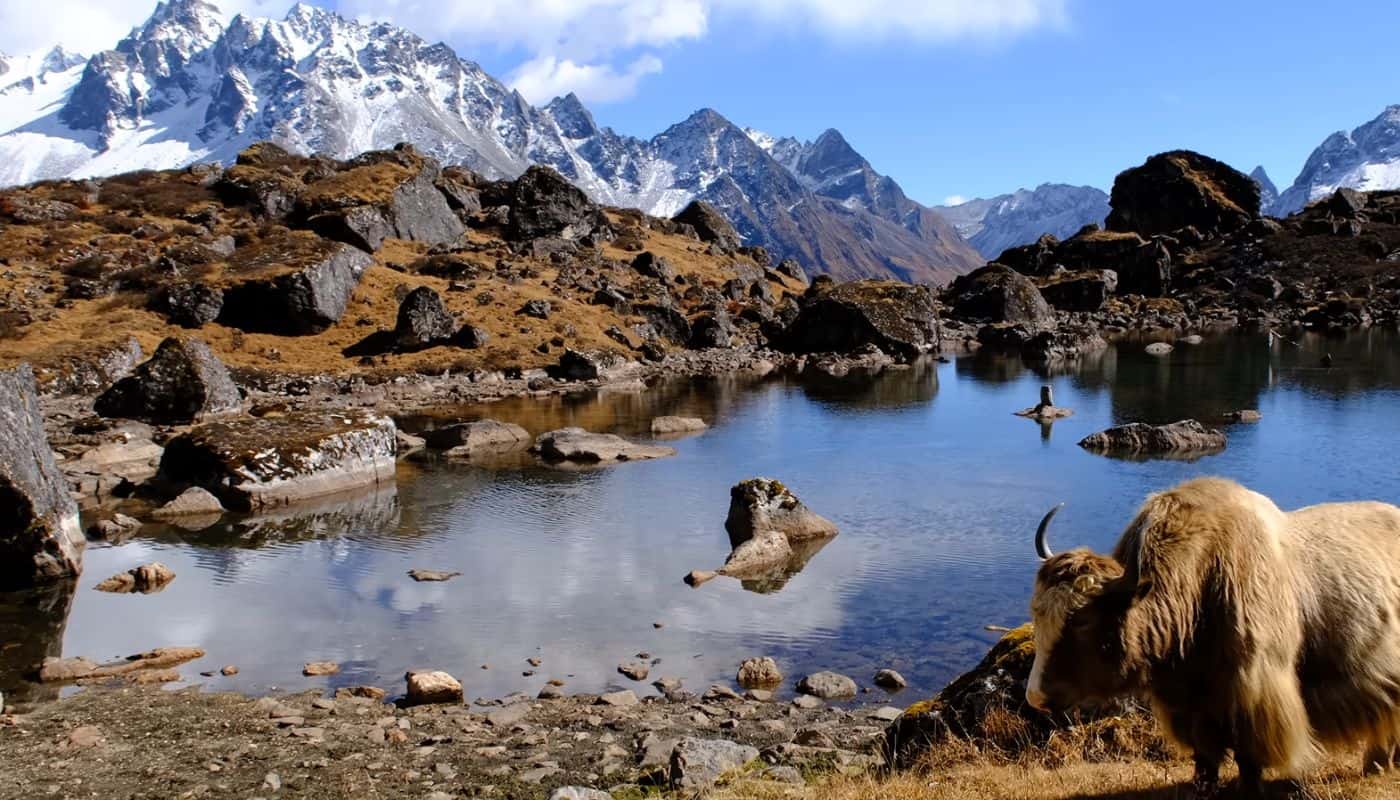
Would you like to experience crystal-clear skies or vibrant wildflowers? The Kanchenjunga Base Camp trek offers both, but when is the perfect time to experience your dream Himalayan adventure? For those who love classic Himalayan beauty with comfortable weather, spring (March to May) is the best choice. During this time, the skies are clear, framing snow-capped peaks, and the warm days are perfect for hiking. The lower regions of the trail are adorned with vibrant colorful blooming rhododendrons with cool calming nights. Furthermore, the clear weather also provides stunning panoramic views of the surrounding Himalayan giants. However, be prepared for congested trekking routes, as spring is the most popular season for this trek.
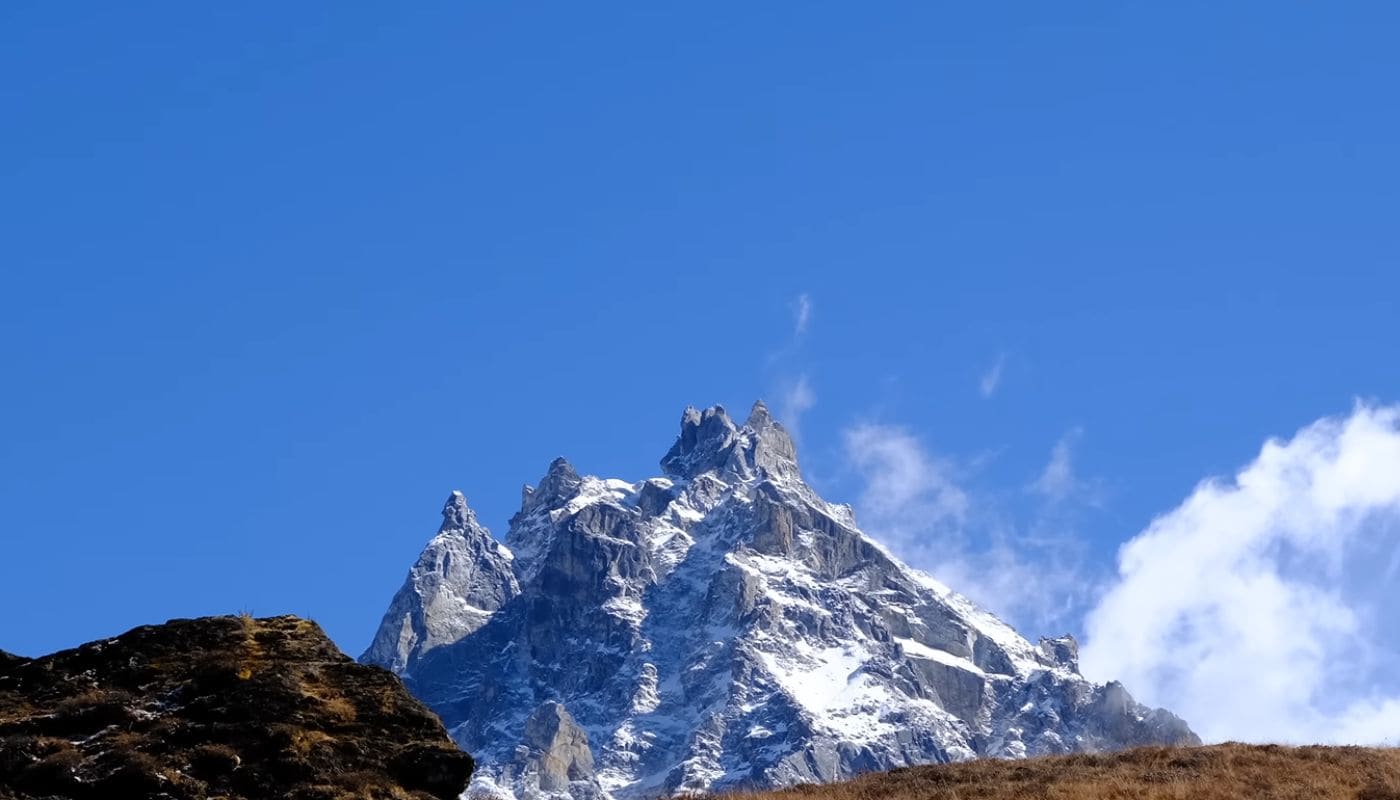
In contrast, autumn (September to November) offers a different experience. After the monsoon rains, the landscape is refreshed, and the crisp air is perfect for those who enjoy rejuvenating treks. This season offers clear skies with unobstructed views of the majestic Kanchenjunga massif and other smaller peaks. This season is ideal for photographers, with forests and hillsides displaying dazzling shades of red, orange, and gold. While the daytime temperatures are pleasant, the nights get cooler, so pack warm clothes. However, if you crave more adventure and solitude with nature, the Winter Kanchenjunga Base Camp Trek might be perfect for you. The entire Kanchenjunga Region transforms into a snowy wonderland with the clear views of the Eastern Himalayas and serene unpacked trails.
Kanchenjunga Trek Cost
The cost of the Kanchenjunga Base Camp trek depends on various factors. The actual price can range from budget-friendly to more luxurious one depending on your preferences. Moreover, the number of days you spend trekking also influences the total cost. Additionally, permits are required for this remote region, which adds to the expenses. Hence, for a more accurate estimate, it’s best to reach out to trekking agencies directly.
Kanchenjunga Trek Difficulty
To begin with, the Kanchenjunga Base Camp trek is not for beginners. Infcats, it is considered to be one of the toughest treks in Nepal that requires excellent physical fitness and resilience. The primary challenge is the altitude, as much of the trek takes place above 3,000 meters, where the thin air makes breathing more difficult and even basic activities more strenuous. Trekkers face steep climbs, uneven trails with loose scree or slippery rocks, and unpredictable weather such as rain or snowfall, all of which add to the physical demands.
Unlike more developed trekking areas, Kanchenjunga is remote, offering basic facilities and limited resources. Consequently, it means trekkers must carry heavier backpacks with essential supplies and rely on less comfortable teahouses for accommodation. However, with proper training, a well-planned itinerary including acclimatization days, and a spirit of adventure, the Kanchenjunga Base Camp trek can be an incredibly rewarding and unforgettable experience.
Kanchenjunga Base Camp Trek Permits
Just like other restricted areas in Nepal, trekking to Kanchenjunga Base Camp requires specific permits. Here’s what you need:
The Kanchenjunga Restricted Area Permit (RAP) is required for trekking in the Kanchenjunga region of Nepal and is priced at USD 20 per person for each week of the trek. Trekkers cannot apply for this permit themselves; instead, a registered Nepalese trekking agency must apply for it on their behalf.
Kanchenjunga Conservation Area Project (KCAP) Permit: This permit is aimed at conserving the Kanchenjunga region. It costs NPR 2,000 (approximately USD 20) per person and does not have a time limit.
Trekkers might also need a Trekkers’ Information Management System (TIMS) Card. This permit is required for most trekking areas in Nepa. The TIMS Card costs NPR 1,000 (about USD 10) per person.
Essential Gear & Packing List for Kanchenjunga Base Camp Trek
Packing the right gear is crucial for a safe, comfortable, and enjoyable Kanchenjunga Base Camp Trek. From clothing to trekking essentials, here’s a complete guide to what you should carry:
1. Clothing:
- Insulated down jacket for high-altitude warmth
- Waterproof and windproof trekking jacket and pants
- Thermal base layers for cold mornings and nights
- Trekking shirts, quick-dry pants, and shorts for lower elevations
- Gloves, woolen socks, and hats/beanies
- Sunglasses with UV protection
2. Footwear:
- Sturdy trekking boots with ankle support
- Comfortable trekking shoes for lower trails
- Camp shoes or sandals for resting
3. Backpacks & Accessories:
- Daypack for daily essentials (water, snacks, camera)
- Waterproof rain cover for backpack
- Duffel bag or luggage for porters if hiring
4. Electronics:
- Camera or smartphone for photography
- Power bank and charging cables
- Headlamp or flashlight with extra batteries
5. Health & Safety:
- Personal first-aid kit (bandages, antiseptic, painkillers)
- Water purification tablets or filter
- Sunscreen and lip balm with SPF
- Trekking poles to reduce strain on knees
6. Optional Comfort Items:
- Sleeping bag (for higher camps)
- Lightweight trekking towel
- Snacks, energy bars, and electrolyte drinks
By packing these essential trekking items for Kanchenjunga, you ensure a smooth and memorable journey across the pristine landscapes, alpine forests, and high Himalayan trails. Proper gear not only protects you from unpredictable weather but also enhances your trekking experience from start to finish.