
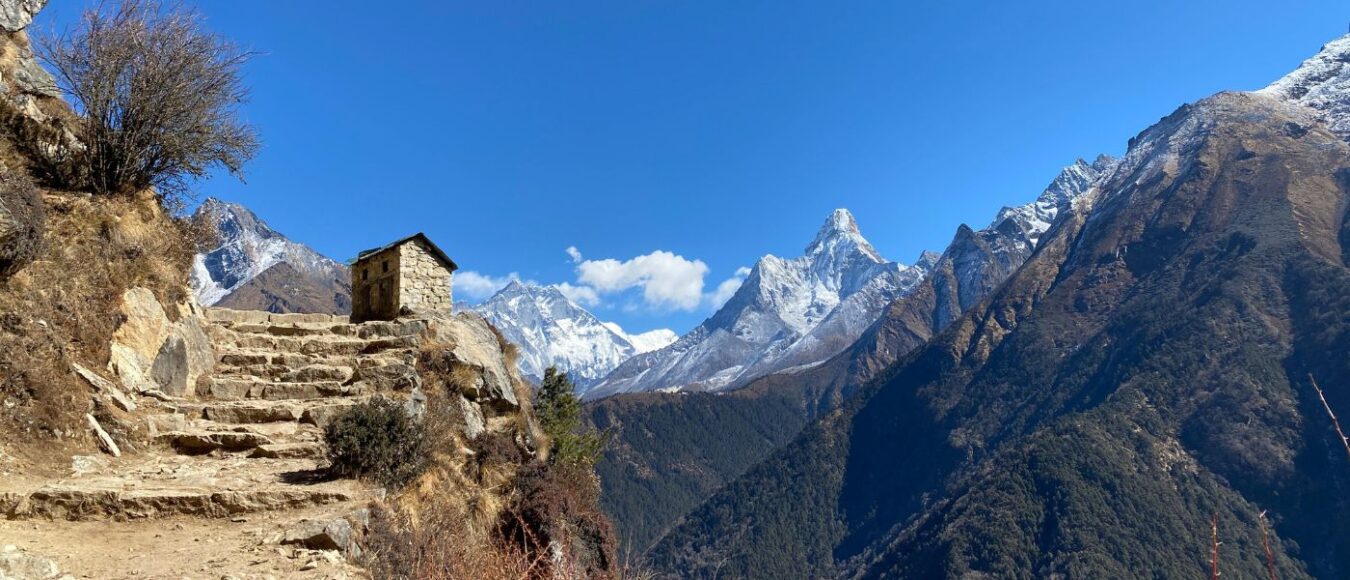
Best Viewpoints in the Everest Region
Summary: Best Viewpoints in the Everest Region include Kala Patthar at 5,545m for the closest Everest summit view, Gokyo Ri for four 8,000m peaks visible together, and Tengboche monastery for cultural scenery. Accessible options like Everest View Hotel near Namche suit shorter trips. October-November offers the clearest mountain visibility, while permits from Sagarmatha National Park are required across all viewpoints.
Understanding Best Viewpoints in the Everest Region
The Everest region in northeastern Nepal stands as the ultimate destination for mountain lovers seeking breathtaking views of Mount Everest and its neighbouring giants. Home to the highest peak in the world, this area attracts thousands of trekkers annually who come to witness Everest in Nepal and other Himalayan peaks rising above ancient glaciers and Sherpa villages. The Khumbu region has become synonymous with adventure, offering everything from challenging high passes to accessible best viewpoints in the Everest region that deliver stunning panoramas without extreme effort.
Situated within Sagarmatha National Park, the region encompasses Mount Everest – the most famous Everest among the mountains in the world – alongside Lhotse, Nuptse, Ama Dablam, and Cho Oyu that define the eastern Himalayan skyline. Moreover, this protected area preserves both natural wonders and Sherpa cultural heritage, making it one of the best places to experience authentic mountain life. Traditional stone villages like Namche Bazaar and Tengboche dot the landscape, while Buddhist monasteries add spiritual depth to the physical journey.
This guide by Nepal Hiking Adventure details the best viewpoints in the Everest region, from the classic Everest Base Camp route stops to lesser-known vantage points that offer equally remarkable perspectives. Whether you’re planning your first trek to Everest Base Camp or seeking alternative routes to see Mount Everest, you’ll find practical information on accessibility, permits, altitude considerations, and photography opportunities. Therefore, both first-time trekkers and experienced mountaineers will benefit from these insights.
Everest Region Overview
| Aspect | Details |
| Protected Area | Sagarmatha National Park (UNESCO World Heritage Site) |
| Elevation Range | 2,860 m (Lukla) to 8,849m (Everest summit) |
| Major Peaks | Mount Everest, Lhotse, Nuptse, Ama Dablam, Cho Oyu, Makalu |
| Gateway Town | Lukla (accessible via flight from Kathmandu) |
| Cultural Highlight | Sherpa villages, Buddhist monasteries, traditional teahouses |
Sagarmatha National Park and Landscape Context
Sagarmatha National Park protects 1,148 square kilometres of Himalayan wilderness where glaciers, alpine forests, and high-altitude terrain create dramatic landscapes. Furthermore, the park serves as home to rare wildlife, including snow leopards, red pandas, and Himalayan tahr, though most trekkers focus on the awe-inspiring mountain views rather than fauna. The Dudh Kosi River carves through valleys, connecting villages that have supported mountaineering expeditions for decades.

Best Seasons for Clear Views
October through November delivers the best time to visit Everest Base Camp for clear views, with stable weather and crisp air revealing panoramic views of the entire range. Similarly, March through May offers warmer temperatures and rhododendron blooms, though afternoon clouds sometimes obscure peaks. Monsoon season (June-September) brings heavy rainfall to lower elevations, while winter (December-February) features extreme cold but exceptionally transparent skies for those willing to brave the temperatures.
Safety and Permits Overview
- Required Permits: Sagarmatha National Park Entry Permit and Khumbu Pasang Lhamu Rural Municipality Permit
- Altitude Considerations: Gradual acclimatization essential above 3,000m to prevent altitude sickness
- Guide Requirements: While not mandatory, licensed guides from companies like Nepal Hiking Adventure provide safety, cultural context, and logistical support
- Emergency Services: Rescue helicopters available from Lukla and Pheriche; travel insurance with helicopter evacuation coverage strongly recommended


Classic Everest Region Viewpoints
Kala Patthar – Closest Everest Summit View
Kala Patthar (5,545 m) offers the closest accessible view of Mount Everest’s summit without technical climbing, making it the most sought-after viewpoint in the Everest region. Additionally, early morning climbs reward trekkers with sunrise illuminating the face of Everest on its southwest flank, alongside Nuptse and Lhotse, forming a formidable wall of ice and rock.
| Feature | Details |
| Elevation | 5,545 m |
| Trek Duration | 2-3 hours ascent from Gorak Shep |
| Best Time | Pre-dawn for sunrise (typically 5:00-6:00 AM) |
| Difficulty | Moderate to challenging due to altitude |
| Key Views | Everest summit, Nuptse, Pumori, Changtse |
The ascent from Gorak Shep involves steep switchbacks over loose scree, yet the panoramic view from the summit justifies every laboured breath. Most importantly, Kala provides unobstructed sightlines to Everest’s summit pyramid, unlike Everest Base Camp itself, which sits beneath surrounding ridges.
Everest Base Camp (EBC) – Glacier & Mountain Panorama
Everest Base Camp (5,364 m) sits on the Khumbu Glacier, offering an up-close perspective of the base of Everest and the notorious Khumbu Icefall. While you won’t get the best view of Everest’s summit from here, the experience of standing where expeditions begin their summit bids holds unique significance.
- Glacier Features: Massive ice seracs, crevasses, and prayer flag-draped base camp tents (during climbing season)
- Surrounding Peaks: Nuptse’s south face dominates the view; Pumori rises to the west
- Cultural Element: Opportunity to witness mountaineering logistics and meet expedition teams (April-May)
- Photography: Best light occurs mid-morning when sun illuminates the Icefall
The trek to Everest Base Camp typically requires 12-14 days from Kathmandu, allowing proper acclimatization through villages like Namche Bazar, Tengboche, and Dingboche. Consequently, this journey combines cultural immersion with high-altitude adventure.

Gokyo Lake – Scenic Himalayan Reflections
The Gokyo Lakes (4,700-5,000 m) consist of six turquoise glacial lakes that mirror surrounding peaks, creating photographic opportunities unmatched elsewhere in the region. Moreover, the third lake (Dudh Pokhari) serves as the focal point for most trekkers, with teahouses providing lakeside accommodation and incredible views of Mount Everest in the distance.
What Makes Gokyo Special:
- Reflective lake surfaces doubling the visual impact of peaks
- Fewer crowds compared to the EBC route
- Access to Gokyo Ri for elevated perspectives
- Opportunity to combine with Everest high passes like Cho La
The Gokyo Lake trek diverges from the classic Everest Base Camp trek at Namche Bazaar, following the Dudh Kosi River’s western bank through Dole and Machhermo. Therefore, trekkers choosing this route experience quieter trails while still accessing world-class Himalayan views.

Gokyo Ri – Wide Panoramic Himalayan Vista
Gokyo Ri (5,357 m) delivers what many consider the best Everest viewpoints for breadth of perspective, with four 8,000 m peaks visible simultaneously, including Mount Everest, Lhotse, Makalu, and Cho Oyu. Furthermore, the 360-degree panorama of the Everest range includes the Ngozumpa Glacier – the longest glacier in the Himalayas – snaking through valleys below.
| Peak Visible | Elevation | Direction from Gokyo Ri |
| Mount Everest | 8,849 m | Southeast |
| Mount Cho Oyu | 8,188 m | West |
| Mount Lhotse | 8,516 m | Southeast |
| Makalu | 8,485 m | East |
| Gyachung Kang | 7,952 m | Northwest |
The ascent from Gokyo village takes 2-3 hours, with steep but well-defined trails leading to the rocky summit. Notably, sunrise here transforms the entire Everest massif into shades of gold and pink, while afternoon light emphasises the glacial textures below.

Pikey Peak – Broad Everest & Himalayan Horizon
Pikey Peak (4,065 m) provides an accessible alternative for those seeking views of the Himalayas without committing to high-altitude treks. Additionally, this viewpoint in the lower Solu region offers expansive horizons stretching from Dhaulagiri in the west to Kanchenjunga in the east, delivering views of the mighty Himalayan arc, with Everest visible as part of a 200-kilometre mountain panorama.
Advantages of Pikey Peak:
- Lower elevation reduces altitude risk
- Shorter trek duration (4-6 days from Kathmandu)
- Cultural immersion in less-touristed Sherpa villages
- Best vantage for understanding the full Himalayan arc
Sir Edmund Hillary reportedly claimed Pikey offered the best view of Everest, though this assessment prioritises breadth over proximity. Nevertheless, the peak serves admirably for photographers seeking context shots showing Everest in Nepal’s broader mountain ecosystem.

Tengboche Viewpoint – Cultural & Mountain Scenery
Tengboche (3,867 m) combines spiritual and natural beauty, with its famous Tengboche monastery providing a cultural vantage point for observing Ama Dablam, Lhotse, and Everest’s distant summit, offering a sweeping view of mountains shaped by both scale and silence. Moreover, the monastery’s location on a ridgetop clearing creates natural framing for views of Ama Dablam, often called the “Matterhorn of the Himalayas”.
- Cultural Significance: Active Buddhist monastery with morning and evening prayers open to visitors
- Best Viewing Times: Early morning and late afternoon when peaks catch alpenglow
- Seasonal Highlight: Spring rhododendron blooms add foreground colour to mountain compositions
- Accessibility: Located on standard EBC trek route, requiring 3-4 days from Lukla
The monastery courtyard offers spectacular views that combine human scale with mountain grandeur, making Tengboche a favourite among photographers. Consequently, most trekkers schedule a rest day here for acclimatization and cultural exploration.
Everest View Point – Quick Access Iconic Views
The Everest View Hotel near Syangboche (3,880 m) holds the distinction of being the world’s highest luxury hotel, offering panoramic Everest vistas from dining rooms and terraces. Furthermore, this location provides the quickest route to see Everest for travellers seeking a view of Everest without committing to a long or physically demanding trek, requiring only a short walk from Namche Bazaar.
Access Options:
- Helicopter flight directly to hotel landing pad (30 minutes from Kathmandu)
- Trek from Lukla via Namche Bazaar (2-3 days)
- Day hike from Namche Bazaar (2 hours uphill)
While purists may dismiss this as Everest without the full trekking experience, the Hotel Everest View democratises access to Himalayan panoramas for elderly visitors, families, or those with physical limitations. In addition, the hotel’s restaurant welcomes day visitors for tea and lunch with mountain vistas.

High Pass Viewpoints (Adventure-Oriented)
Kongma La Pass – Majestic Khumbu Glacier Views
Kongma La (5,535 m) ranks as the highest of the three Himalayan passes in the Everest region, connecting Chhukung to Lobuche while providing dramatic perspectives of the Khumbu Glacier and Nuptse’s east face. Additionally, this pass forms part of the challenging Three Passes Trek, attracting experienced trekkers seeking comprehensive Everest region treks.
| Aspect | Details |
| Elevation | 5,535 m |
| Difficulty | Challenging (scree, glacier moraine, altitude) |
| Duration | 7-9 hours Chhukung to Lobuche |
| Best Season | October-November, March-May |
| Key Views | Mount Makalu, Lhotse, Nuptse, Ama Dablam, Pokalde |
The northern approach involves traversing lateral moraines with loose rocks, while the southern descent passes blue glacial lakes before reaching Lobuche. Therefore, proper acclimatization and early morning starts prove essential for safe passage.
Renjo La Pass – Sweeping Himalayan Ridges
Renjo La (5,360 m) connects Gokyo with Thame, offering perhaps the most photogenic perspectives of the Gokyo Lakes system and views of Makalu rising to the east. Moreover, this pass provides unique angles on Everest’s north side, complementing the southern perspectives seen from other viewpoints.
Photography Opportunities:
- Bird’s-eye view of turquoise Gokyo Lakes against white glaciers
- Cho Oyu’s massive bulk dominating the western horizon
- Everest and the surrounding peaks framed by prayer flags
- Rolwaling Himal ranges extending westward
The western descent into the Thame valley passes through traditional Sherpa territory, with stone walls and mani stones adding cultural texture. Consequently, Renjo La combines natural grandeur with authentic cultural immersion.
Cho La Pass – Glacial Crossing & Everest Range Sights
Cho La (5,420 m) links Dzongla to Thangnak, requiring glacier travel and sometimes crampons, making it the most technical of the standard passes in the Everest region. Furthermore, the pass summit delivers 360-degree views encompassing Ama Dablam to the south and the Everest mountain massif to the northeast.
- Technical Requirements: Ice axe and crampons recommended during winter and spring
- Weather Sensitivity: Clouds frequently obscure the pass by mid-morning
- Duration: 7-8 hours Dzongla to Gokyo
- Unique Feature: Traverse of small glacier on eastern approach
The western descent involves navigating rock-strewn slopes before emerging at scenic Thangnak, where teahouses provide welcome refuge. Most importantly, Cho La enables circuit routes combining EBC and Gokyo, maximising viewpoint diversity.

Lesser-Known but Rewarding Viewpoints
Nangkartshang Peak – Off-Trail Himalayan Perspectives
Nangkartshang Peak (5,083 – 5,615 m) rises above Dingboche, offering an accessible acclimatization climb with incredible views that rival more famous summits. Additionally, this viewpoint sees fewer visitors despite providing front-row perspectives of Lhotse’s south face and Island Peak.
What You’ll See:
- Lhotse and Nuptse forming a massive ice wall
- Island Peak (Imja Tse) rising beyond the Imja Valley
- Ama Dablam’s perfect pyramid from an unusual angle
- Everest in the distance peeking above the Lhotse-Nuptse ridge
The climb from Dingboche takes 4-5 hours, following yak trails and occasional cairns rather than defined paths. Therefore, hiring a guide familiar with the route proves worthwhile for navigation and safety.
Chhukung Ri – Dramatic Peak Views Near Dingboche
Chhukung Ri (5,546 – 5,559 m) serves as an excellent acclimatization hike before attempting Island Peak or Kongma La Pass, delivering close-range views of Lhotse, Ama Dablam, and Makalu. Moreover, the summit’s position at the head of the Imja Valley creates natural amphitheatre effects with peaks surrounding the vantage point.
| Feature | Specification |
| Starting Point | Chhukung village (4,730m) |
| Ascent Time | 3-4 hours |
| Total Elevation Gain | 816m |
| Trail Condition | Steep scree, well-cairned |
The climb involves relentless uphill through loose rock, yet the final ridgeline delivers immediate rewards as the full panorama reveals itself. Consequently, photographers favor late afternoon light here when the setting sun illuminates Lhotse’s massive face.
Syangboche / Namche Bazaar Viewpoints
Namche Bazaar (3,440 m) itself functions as a natural amphitheatre with multiple viewpoints offering views of the surrounding peaks, particularly from the Everest View Trail and Syangboche Airstrip. Furthermore, these accessible locations require minimal effort while delivering satisfying Himalayan views suitable for acclimatization days.
Notable Spots:
- Everest View Trail above Namche’s eastern ridge
- Syangboche Airstrip plateau (3,780m)
- Namche Buddhist stupa with valley and mountain perspectives
- Various teahouse rooftops with afternoon sun hitting Thamserku and Kongde Ri
These viewpoints offer perfect opportunities for first-day acclimatization walks, allowing gradual altitude adjustment while enjoying mountain scenery. Additionally, sunset from Syangboche transforms Everest, visible between Lhotse and Nuptse, into a golden silhouette.

Lobuche Ridge & Approaches – High Altitude Landscape & Structural Views
The ridges surrounding Lobuche (4,940 m) provide multiple unnamed vantage points where trekkers can escape trail crowds while observing the view of the Everest range and nearby glaciers. Moreover, these locations offer intimate perspectives on high-altitude mountain architecture – the way ridges, couloirs, and ice formations create the Himalayan landscape.
- Western Ridge: Views toward Pumori and the Khumbu Glacier
- Eastern Slopes: Perspectives of Nuptse’s north face and lateral moraines
- Memorial Area: Somber monument area with views of peaks claimed by mountaineers
- Approach Trails: Various paths revealing view of the mountains from changing angles
These informal viewpoints lack the fame of Kala Patthar yet provide solitude and contemplation opportunities rare on busier routes. Therefore, afternoon wandering near Lobuche can yield personal discoveries equal to famous summits.
Everest View from Accommodation Points
Everest View Hotel (Syangboche) – Panoramic Everest Vistas Accessible Without High-Altitude Trekking
The Everest View Hotel (3,880 m) represents a unique category – a destination viewpoint where accommodation itself provides the experience. Furthermore, visitors can reach the Everest View Hotel via helicopter or trekking, making it accessible for those unable to complete extended high-altitude journeys.
| Access Method | Duration | Cost Range | Experience Level |
| Helicopter from Kathmandu | 30-40 minutes flight | $1,200-2,500 | Any |
| Trek from Lukla | 2-3 days | $500-1,000 (trek package) | Moderate |
| Day hike from Namche | 4 hours round trip | Minimal | Moderate |
The hotel’s panoramic windows frame Everest and other Himalayan giants, including Lhotse, Nuptse, Ama Dablam, and Thamserku. Consequently, guests can enjoy mountain views while sipping tea in comfort rather than enduring hours of uphill trekking.
Practical Considerations:
- Altitude acclimatization still necessary despite luxury setting
- Reservations required well in advance during peak seasons
- Day visitors welcome for lunch and refreshments
- Photography best during morning hours when mountains catch direct light
This option proves particularly valuable for elderly trekkers, families with children, or visitors with limited vacation time seeking views of Himalayan grandeur. Additionally, it demonstrates that experiencing Everest doesn’t always require extreme physical commitment.

Best Viewpoints by Trip Type
Short Day Excursions (Everest View Point, Namche Bazaar)
For visitors with 3-5 days available, combining a flight to Lukla with strategic viewpoint selection delivers satisfying Everest experiences without any trekking beyond moderate day hikes. Moreover, this approach suits those testing their altitude tolerance before committing to longer expeditions.
This condensed schedule prioritises viewpoint access over distance, allowing travellers to witness Everest and surrounding peaks without the physical demands of high passes or base camp trek routes.
Classic EBC Trek Stops
The classic Everest Base Camp route incorporates multiple viewpoints naturally, creating a progressive revelation of mountain scenery as elevation increases. Furthermore, this 12-14 day itinerary balances acclimatization with viewpoint diversity, ensuring trekkers experience varied perspectives.
This sequence builds anticipation while allowing bodies to adjust to decreasing oxygen levels. Consequently, the best time to trek aligns with personal fitness levels and seasonal weather patterns rather than rushing through altitudes.
High Pass and Extended Adventure Viewpoints
Experienced trekkers seeking comprehensive viewpoints and physical challenges should consider 18-21 day itineraries incorporating the Three Passes Trek or combined EBC-Gokyo circuits. Moreover, these routes access the full spectrum of the best Everest perspectives while crossing Everest high passes that test endurance and reward persistence.
Three Passes Trek Highlights:
- All classic viewpoints (Kala Patthar, Gokyo Ri, Tengboche)
- Three technical passes (Kongma La, Cho La, Renjo La)
- Gokyo Lake system and Ngozumpa Glacier
- Remote valleys and lesser-visited villages
- Maximum viewpoint diversity in single journey
This comprehensive approach transforms trekking in the Everest region from checklist tourism into deep immersion, where each day brings new perspectives on familiar peaks. Therefore, physically prepared trekkers with adequate time should seriously consider these extended routes.
Practical Tips for Viewpoint Trekking
Permits and Regulations
All trekkers entering the Everest region must obtain two permits regardless of chosen route or viewpoints targeted. Moreover, these permits fund park maintenance and local community development, making them investments in sustainable tourism.
| Permit | Cost (2026) | Where to Obtain | Required Documents |
| Sagarmatha National Park Entry | NPR 3,000 (~$25 USD) | Nepal Tourism Board (Kathmandu) or park gate (Monjo) | Passport, 2 photos |
| Khumbu Pasang Lhamu Rural Municipality | NPR 3,000 (~$25 USD) | Park gate (Monjo) | Passport |
Additional Requirements:
- TIMS (Trekkers’ Information Management System) card if trekking independently
- Agency-arranged permits if booking through companies like Nepal Hiking Adventure
- Passport validity minimum 6 months beyond travel dates
The permit system operates on trust – random checkpoint verifications occur, but systematic enforcement remains limited. Nevertheless, obtaining proper permits supports local infrastructure and demonstrates responsible travel ethics.
Altitude and Acclimatization Advice
Altitude sickness poses the primary health risk when pursuing high viewpoints in the Everest region, potentially affecting anyone regardless of fitness level. Furthermore, proper acclimatization involves strategic rest days, hydration, and listening to bodily signals rather than adhering rigidly to schedules.
Acclimatization Best Practices:
- Ascend slowly: Gain no more than 500m sleeping elevation daily above 3,000 m
- Rest days: Schedule acclimatization days at Namche (3,440m) and Dingboche (4,410 m)
- Hydration: Consume 3-4 litres water daily
- “Climb high, sleep low”: Day hikes to higher elevations with return to lower camps
- Diamox consideration: Consult physician about prophylactic acetazolamide
Symptoms requiring immediate descent include severe headache unrelieved by medication, loss of coordination, confusion, or shortness of breath at rest. Consequently, trekkers must prioritise health over summit ambitions when pursuing high viewpoints like Kala or Gokyo Ri.
Best Times for Photography and Clear Skies
Mountain photography succeeds or fails based on light quality and atmospheric clarity, making seasonal and daily timing crucial for capturing stunning views from Everest viewpoints. Moreover, understanding light patterns helps photographers plan ascents to coincide with optimal conditions.
Seasonal Considerations:
- October-November: Clearest skies post-monsoon, stable weather, excellent visibility
- March-May: Warmer temperatures, rhododendron blooms, increasing afternoon clouds
- December-February: Crystal clarity but extreme cold, fewer crowds
- June-September: Monsoon clouds obscure peaks; not recommended
Daily Light Patterns:
- Pre-dawn (5:00-6:30 AM): Alpenglow on peaks, minimal haze, best summit light
- Morning (7:00-10:00 AM): Clear air before thermal updrafts create clouds
- Afternoon (2:00-5:00 PM): Clouds typically obscure high peaks
- Sunset (5:00-6:30 PM): Western light on east-facing peaks, golden hour opportunities
Professional photographers often schedule viewpoint ascents to coincide with new moon periods, enabling star trail and Milky Way compositions above Himalayan silhouettes. Therefore, the best time to visit Everest for photography aligns with October-November clear skies and early morning departures.

Best Viewpoints in the Everest Region: Final Thoughts
The Everest region transcends simple geographic description to represent humanity’s ongoing relationship with extreme altitude and natural beauty. Mount Everest – the top of the world – anchors an ecosystem where glaciers carve valleys, Buddhist philosophy shapes culture, and trekkers from every continent come to witness the best viewpoints in the Everest region and see the magnificent Himalayan peaks that define this landscape. The face of Mount Everest changes with seasons and light, yet its presence remains constant, drawing generation after generation to walk paths first established by Sherpa traders and yak herders.
This landscape serves trekkers seeking authentic mountain experiences rather than manufactured adventure tourism. Whether you choose the classic Everest Base Camp route, explore Gokyo Lake alternatives, or push across high passes, the region rewards preparation, respect for altitude, and willingness to move at mountain pace. First-time Himalayan trekkers find accessible entry points through locations like the Everest View Hotel, while experienced adventurers discover lifetime challenges in technical passes and extended circuits that allow them to explore the best the region offers across Everest trekking routes.
As the location to see Mount Everest up close, this region commands attention, yet the surrounding viewpoints reveal that the area’s greatness extends beyond a single summit. From Tengboche’s monastery terraces to Gokyo Ri’s sweeping vistas, from Kala Patthar’s sunrise drama to quiet moments on Lobuche ridges, these best places collectively demonstrate why Nepal is home to the planet’s most compelling mountain landscapes. The viewpoint of Everest may dominate postcards, but the region’s true character emerges through accumulated experiences across multiple locations, with each viewpoint offering unique windows into landscapes where you can witness Everest and many neighbouring giants, including Lhotse and Ama Dablam, standing together to form Mount Everest in one comprehensive panorama. For personalised itineraries or expert guidance to explore these Everest viewpoints, contact Nepal Hiking Adventure today.

Best Viewpoints in the Everest Region: FAQs
Which Viewpoint Offers the Best Sunrise View?
Kala Patthar provides the most famous Everest sunrise view, with the summit catching first light directly opposite the viewpoint. However, Gokyo Ri offers a broader sunrise panorama that includes four 8,000-metre peaks and the Gokyo Lakes below, making it equally impressive for those who value variety over proximity. Both locations require pre-dawn starts around 4 a.m. to reach the summit in time.
Can I Visit These Viewpoints Without Long Treks?
Everest View Point and Hotel Everest View near Namche Bazaar offer views of Everest with minimal trekking, accessible within 1-2 hours from the village. Helicopter day trips from Kathmandu reach these spots without any trekking, though altitude remains a concern even on short visits. These options work well for those with limited time who want to get the best view of the peak of Everest without extensive hiking.
What Permits Are Needed for Each Viewpoint?
All viewpoints within Sagarmatha National Park require the park entry permit (NPR 3,000) and the Khumbu Pasang Lhamu Rural Municipality Permit (NPR 3,000). These permits cover access to Everest Base Camp, Kala Patthar, Gokyo Lakes, and all major viewpoints in the region, so you only need to purchase them once. They can be obtained in Kathmandu, Lukla, or at the Monjo checkpoint.
Which Viewpoints Are Suitable for First-Time Trekkers?
Everest View Point, Tengboche, and Pikey Peak suit first-time trekkers with reasonable fitness and no altitude experience. These locations offer excellent Himalayan views at more accessible altitudes, with established trails and regular teahouses. More challenging viewpoints like Kala Patthar and Gokyo Ri require better fitness and proper acclimatisation but are still achievable for determined beginners.
How Many Days Are Needed to Cover Major Viewpoints?
The standard Everest Base Camp trek takes 12-14 days and includes Tengboche, EBC, and Kala Patthar. Adding Gokyo Lakes and Gokyo Ri extends the trek to 15-17 days. The full Everest high passes circuit, covering Renjo La, Cho La, and Kongma La, requires 18-21 days to safely visit all major viewpoints while allowing proper acclimatisation time.


Our History in Service Excellence


