
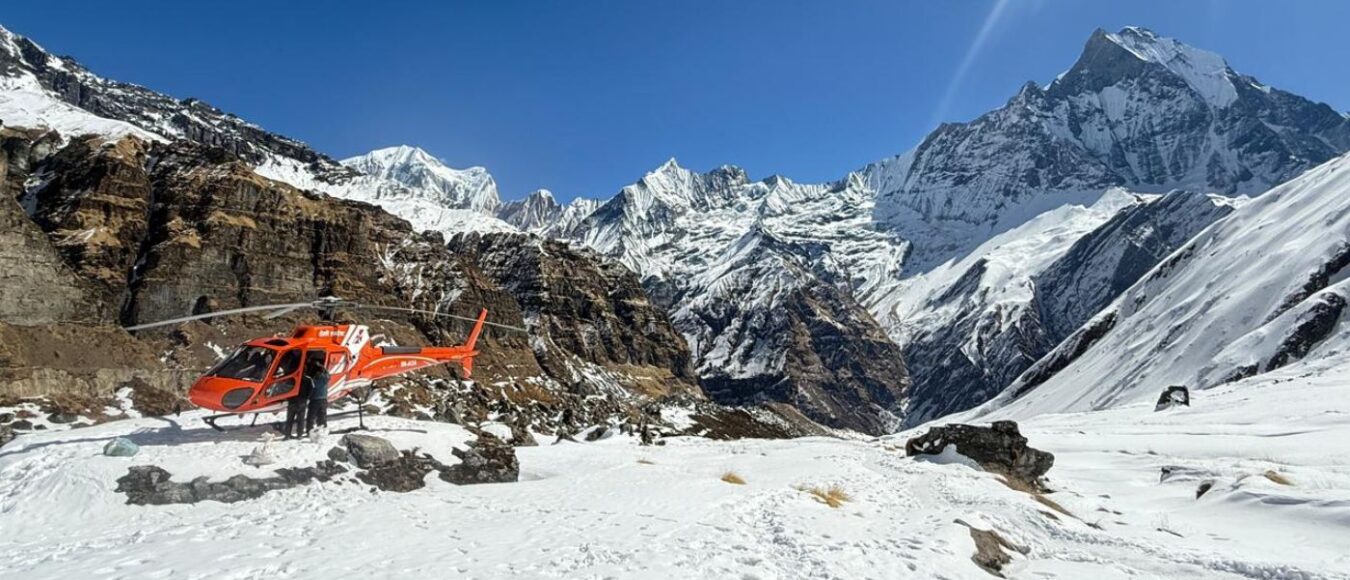
Best Time for Annapurna Base Camp Trek
Summary: Best time for Annapurna Base Camp trek is autumn (October-November), delivering the clearest mountain visibility and most stable weather. Spring (March-May) offers a strong second window with blooming rhododendrons and moderate temperatures. Winter brings solitude and clarity but extreme cold (-20°C at base camp); monsoon is least recommended due to landslides and obscured views. October suits first-timers best; experienced trekkers seeking quiet trails may prefer late November or winter months.
Best Time for Annapurna Base Camp Trek by Season
Choosing the best time for Annapurna Base Camp trek directly affects everything from weather stability and mountain visibility to trail safety and overall experience. The Annapurna Base Camp trek sits at 4,130 metres, where conditions shift dramatically with the changing seasons, making timing one of the most critical planning decisions. Consequently, a spring trek to Annapurna Base Camp offers rhododendron-lined trails and warmer temperatures, while the autumn trekking season provides the clearest mountain panoramas after the monsoon clears the atmosphere.
Nepal’s distinct seasonal patterns create dramatically different trekking experiences throughout the year. Understanding Annapurna Base Camp trek weather, temperature variations, crowd levels, and trail conditions between March and November helps you match your expectations with reality. Therefore, the best time for Annapurna Base Camp trek depends on your priorities, whether you value quiet trails over perfect weather or are willing to accept colder temperatures for fewer crowds and lower trekking costs.
This guide by Nepal Hiking Adventure breaks down every season and month for the Annapurna Base Camp trek, examining weather patterns, mountain visibility, crowd levels, and trail safety considerations. Furthermore, you will find practical advice on matching your fitness level and experience with the best time to trek Annapurna Base Camp, along with clear insights into what makes certain months ideal for first-time Himalayan trekkers versus experienced adventurers seeking quieter trails.
Why Choosing the Best Time for Annapurna Base Camp Trek Is Important
Selecting the appropriate season for your trek to ABC influences more than just comfort. Weather stability determines whether you’ll see Machapuchare’s distinctive peak or spend days in cloud cover, while trail conditions affect both safety and daily trekking pace. Additionally, the base camp trek in Nepal requires careful timing consideration because seasonal variations dramatically reshape the entire experience.
| Factor | Why It Matters | Seasonal Impact |
| Weather Stability | Determines visibility, safety, and comfort | Spring and autumn offer consistent patterns, while monsoon season brings daily rain and winter introduces snowfall |
| Mountain Visibility | Affects photo opportunities and overall experience | Post-monsoon autumn provides the clearest views; monsoon obscures peaks entirely |
| Trail Conditions | Impacts safety and daily hiking distances | Muddy trails slow progress in monsoon; frozen paths require careful footing in winter trek months |
| Crowds and Costs | Affects lodge availability and pricing | Peak season crowds fill teahouses quickly; off-season offers better rates but limited services |
Weather conditions at higher elevations change rapidly regardless of season. Even during the best season months, afternoon clouds can roll in above 3,000 metres, temporarily blocking mountain views. Moreover, trail safety connects directly to seasonal patterns, as the Annapurna Base Camp trail navigates steep stone steps, suspension bridges, and exposed ridges where conditions shift between dry and stable to muddy or icy.


Overview of Trekking Seasons in the Annapurna Region
Nepal divides its trekking calendar into four distinct seasons, each bringing characteristic weather patterns that affect the Annapurna region differently than lower elevation areas. Notably, the trek route from Nayapul to Annapurna Base Camp crosses multiple climate zones, meaning weather varies significantly between starting villages and the final destination.
Seasonal Patterns in the Annapurna Conservation Area:
- Pre-monsoon Spring (March-May): Temperatures rise gradually, bringing warmer days and blooming rhododendrons across mid-elevation forests. Afternoon clouds become more common as May approaches, but mornings typically offer clear mountain views.
- Monsoon Summer (June-August): Heavy rainfall dominates this period, though the Annapurna massif receives less precipitation than regions further east. Clouds obscure peaks, leeches appear on lower trails, and landslide risk increases on steep sections.
- Post-monsoon Autumn (September-November): Fresh air after monsoon rains creates exceptional clarity for mountain photography. Stable weather patterns settle in, with minimal precipitation and comfortable daytime temperatures at all elevations.
- Winter Dry Season (December-February): Clear skies and excellent visibility characterise winter months, but temperatures drop significantly. Higher camps experience sub-zero conditions, and snowfall above 3,500 metres becomes more frequent, making autumn the best time to visit Annapurna Base Camp.
The Annapurna Base Camp trek route experiences microclimates due to its north-south orientation and rapid altitude gain, creating varied conditions along the Annapurna Base Camp trail from lower villages to the sanctuary.
Best Season for Annapurna Base Camp Trek
Spring Season (March to May)
Spring represents one of two prime windows for the ABC trek, offering a balanced combination of warming temperatures, blooming landscapes, and generally reliable weather. In particular, the Annapurna Base Camp in spring transforms mid-elevation forests into botanical showcases as rhododendrons peak during April.
Weather Conditions and Temperature Patterns:
| Elevation Range | Daytime Temperature | Nighttime Temperature |
| Lower villages (1,000-2,000m) | 15-20°C | 5-10°C |
| Mid-elevation camps (2,500-3,500m) | 8-15°C | -2 to 5°C |
| Annapurna Base Camp (4,130m) | 3-8°C | -10 to -3°C |
March still carries winter chill at higher camps, with morning frost common at Deurali and Machhapuchare Base Camp. However, by April, conditions warm noticeably, creating pleasant weather for trekking but increasing afternoon cloud cover. Indeed, the highlight of the trek during spring involves rhododendron forests between Chhomrong and Bamboo, where red, pink, and white blooms create stunning contrast against evergreen vegetation.

Crowd Levels and Ideal Spring Trekkers:
- Spring attracts substantial numbers, though less than autumn
- Teahouses fill quickly in popular villages during April
- Perfect for first-time Himalayan visitors seeking moderate temperatures
- Ideal for photographers interested in flora and morning mountain light
- Suitable for those combining ABC with Ghorepani Poon Hill trek.
Autumn Season (September to November)
Autumn stands as the single best time to trek Annapurna Base Camp for most visitors, combining stable weather, exceptional visibility, and comfortable temperatures across all elevations. Furthermore, the Annapurna Base Camp in autumn offers the year’s most predictable conditions, making it the best season for the Annapurna sanctuary journey.
Post-Monsoon Weather Characteristics:
September marks the transition from monsoon to dry season, with occasional lingering rain in the first two weeks. By late September, weather patterns stabilize completely, ushering in the year’s most predictable conditions. Subsequently, the time of the year offers consistent clear mornings at ABC, where views of the Annapurna range stretch unobstructed in every direction. Machapuchare’s sharp pyramid dominates the north, while the southern wall of Annapurna South and the broader Annapurna massif create an amphitheater of ice and rock.
Why Autumn Earns Top Ranking:
The season is the best for several compelling reasons. Visibility peaks during these months, with crystal-clear air allowing views extending to distant peaks beyond the immediate Annapurna range. Rain becomes almost non-existent after mid-September, eliminating trail mud and landslide concerns. Additionally, temperatures sit in the ideal weather range for hiking, warm enough during the day to avoid layering struggles while cool enough to prevent overheating on steep climbs.
Crowd Reality and Costs:
- Autumn, particularly October, represents the busiest period on the Annapurna Base Camp trek route
- Advanced booking becomes necessary for popular lodges
- Lodge prices increase during peak autumn weeks
- Despite crowds, the trail never feels overwhelmed
- The crowded during this time period means less choice in room selection
Trekking Annapurna Base Camp During the Off-Season
Winter Season (December to February)
Winter transforms the Annapurna Base Camp in winter into a dramatically different experience, offering solitude and spectacular clarity in exchange for significant cold and occasional trail challenges. Accordingly, this time to trek Annapurna base camp demands proper preparation but rewards those willing to face the conditions.
Winter Trekking Overview:
| Aspect | Conditions | Requirements |
| Temperature at ABC | -15 to -20°C nighttime | Four-season sleeping bag essential |
| Snowfall | Frequent above 3,000m | Extra caution and possible trail breaking |
| Teahouse Availability | Limited; many closed | Flexibility in accommodation needed |
| Trail Conditions | Clear but snow-covered higher up | Experienced guides recommended |
| Costs | 40-60% of peak season | Negotiable rates at operating lodges |
Winter Trekking Advantages:
- The clarity of winter air rivals autumn, offering stunning views
- Trails empty dramatically, often seeing only a handful of trekkers per day
- Costs drop substantially with negotiable rates
- Appeals to experienced trekkers seeking legitimate Himalayan conditions
Who Should Consider Winter:
- Experienced high-altitude trekkers comfortable with cold exposure
- Those with proper cold-weather sleeping bags and layering systems
- Trekkers valuing solitude over comfort and convenience
- Photographers seeking snow-covered landscapes and winter light

Monsoon Season (June to August)
Monsoon represents the Annapurna Base Camp trek at its most challenging, with daily rain, obscured mountains, and legitimate safety concerns. However, the season in Nepal isn’t entirely off-limits for those understanding and accepting the trade-offs involved in trekking in Annapurna Base Camp during this period.
Monsoon Challenges:
- Rainfall: The Annapurna region receives moderate monsoon precipitation, with rain falling most days
- Trail Conditions: Muddy, slippery trails characterize the monsoon experience; stone steps become treacherous when wet
- Safety Concerns: Landslide risk increases significantly on forested sections below Bamboo
- Limited Visibility: Clouds obscure peaks throughout most of monsoon season, making autumn for the best time a more favourable choice for trekking.
- Leeches: Appear in lower elevation forests, latching onto boots and exposed skin
The Annapurna Base Camp during monsoon remains technically possible, with some lodges staying open to serve minimal summer traffic; you may find the best time for visitors is during the autumn season. Nevertheless, missing the mountain views that justify the journey, combined with safety concerns and uncomfortable trail conditions, makes monsoon the least recommended time for the Annapurna base camp trek.
Month-by-Month Breakdown of Annapurna Base Camp Trek
January and February
These deep winter months offer the coldest conditions of the year, while autumn provides a more favourable climate to visit Annapurna Base Camp. ABC, with sub-zero temperatures day and night at higher camps. Snow accumulation peaks during January, potentially creating challenging trail conditions above Deurali.
Key Considerations:
- Nighttime temperatures at base camp: -15 to -20°C
- Snow coverage above 3,500 meters requires extra caution
- Limited teahouse options but guaranteed solitude
- Excellent clarity for mountain photography when conditions allow
- A four-season sleeping bag and quality down jacket essential
March
March bridges winter and spring, bringing gradually warming temperatures while maintaining much of winter’s clear air. As a result, the trek in March offers excellent value as one of the quieter months with improving conditions. Snowfall becomes less frequent, though still possible above 3,500 metres. Meanwhile, teahouses begin reopening for the season, expanding accommodation options.
April
April represents the prime best time for ABC trek territory, combining warming temperatures, blooming rhododendrons, and generally stable weather. Therefore, the Annapurna Base Camp weather in April strikes an ideal balance for most trekkers.
Weather and Trail Conditions:
- Comfortable daytime temperatures at all elevations
- Morning clarity remains excellent; afternoon clouds increasingly common
- Rhododendron forests peak mid to late April
- The trail is completely snow-free below 3,800 metres.
- All teahouses operating with full services
May
May extends spring trekking but introduces warmer temperatures and increased cloud cover that can limit afternoon visibility. Late May begins showing pre-monsoon characteristics with occasional afternoon showers, though nothing approaching monsoon intensity. Nevertheless, the trek remains fully accessible and enjoyable, particularly for those prioritising warmer temperatures over guaranteed clear views.
June and July
These early monsoon months mark the beginning of the rainy season. Consequently, the trek becomes significantly less appealing as mountain views disappear behind clouds, trails turn muddy, and landslide risk increases. Few trekkers choose these months voluntarily, though some lodges remain open for the handful of visitors willing to accept monsoon conditions.
August
August typically delivers the heaviest monsoon precipitation, making it the year’s most difficult trekking month. Almost all trekkers avoid August for the Annapurna Base Camp trek, and with good reason. Indeed, the defining elements of the trek experience, particularly mountain visibility and comfortable trail conditions, simply don’t exist during peak monsoon.
September
September marks monsoon’s end and autumn’s beginning. By mid-September, weather patterns shift noticeably, with longer dry periods and increasing visibility. Subsequently, late September delivers classic autumn conditions, making the latter half of the month an excellent time to trek. Another best time window opens as September progresses toward peak conditions.
October
October stands as the single busiest month for the base camp trek in October, attracting maximum trekker numbers drawn by reliably excellent conditions. Every aspect of the trek aligns favourably: perfect temperatures, flawless visibility, stable weather, and full lodge operations. Therefore, the season is the best time for mountain views, with morning clarity that extends for hours before any cloud development.
November
November extends autumn’s excellent conditions into the early month, though the weather gradually transitions toward winter as December approaches. As a result, the trek in November offers similar conditions to October but with noticeably fewer crowds, particularly after mid-month. Mountain views remain exceptional, and trail conditions stay dry and stable.
December
December begins the winter season proper, with cold intensifying throughout the month. The base camp trek in December attracts hardy souls willing to face cold for the reward of empty trails and clear views. Some teahouses begin closing for winter, particularly in the final week of the month. Therefore, those attempting the December trek need proper cold-weather gear and should verify lodge availability.

Weather and Temperature at Annapurna Base Camp
Understanding how weather conditions can change rapidly with altitude helps trekkers prepare appropriately for the Annapurna Base Camp trek. Indeed, the sanctuary’s elevation creates distinct climate zones, with temperature and weather patterns shifting dramatically between lower villages and the final destination.
Seasonal Temperature Ranges by Elevation:
| Season | Lower Villages | Mid-Elevation | Annapurna Base Camp |
| Spring | 15-20°C / 5-10°C | 8-15°C / -2-5°C | 3-8°C / -10 to -3°C |
| Autumn | 12-18°C / 3-8°C | 5-12°C / -5-3°C | 0-5°C / -12 to -5°C |
| Winter | 8-15°C / 0-5°C | 0-8°C / -10 to -3°C | -5-0°C / -20 to -10°C |
| Monsoon | 18-24°C / 12-16°C | 12-18°C / 5-10°C | 8-12°C / 0-5°C |
Temperature drops accelerate with altitude gain, particularly above 3,000 metres, where the protective effect of valley walls diminishes. Winter months see regular snowfall above 3,500 metres, with accumulation varying based on weather systems moving through. Additionally, the weather in Annapurna Sanctuary changes faster than at lower elevations, requiring proper preparation regardless of season.
Best Time for Annapurna Base Camp Trek Based on Your Travel Preferences
Best time for clear mountain views
The best time to trek Annapurna for maximum visibility falls between mid-October and late November, when post-monsoon clarity peaks. During this window, morning skies remain cloud-free for hours, allowing unobstructed views of the entire Annapurna range. Moreover, trekkers can enjoy stunning views of the Annapurna massif throughout most daylight hours during these optimal months.
Visibility Ranking:
- Late October and November (peak clarity)
- March and early April (excellent morning views)
- December through February (crystal clear but very cold)
- Late September and early October (post-monsoon freshness)
- May (decent mornings, cloudy afternoons)
Best time to avoid crowds
Those prioritising solitude over perfect weather should target late November through February, when trekker numbers drop dramatically. January and February see the fewest visitors, often allowing entire lodges to yourself and trails empty enough to walk for hours without encountering other groups.
Crowd Levels:
- Minimal: January, February, June, July, August
- Light: December, early September, May
- Moderate: Late September, March, April, late November
- Heavy: October, early November
Best time for first-time trekkers
First-time Himalayan visitors should aim for October through early November or late March through April, when conditions remain forgiving enough to focus on acclimatization and basic trekking skills. Indeed, October stands as the best time to do Annapurna for beginners due to stable weather, comfortable temperatures, and the psychological boost of clear mountain views throughout the journey. Furthermore, the trek in Nepal during these months offers the best safety margins with predictable patterns.
Best time for photography
Photographers seeking optimal light and clarity should target October and November, when crystal-clear post-monsoon air combines with interesting cloud formations. Autumn is the best time to photograph the Annapurna massif, which is dominant among serious mountain photographers. Additionally, spring offers different photographic opportunities, with rhododendron blooms add foreground colour to mountain landscapes between April and early May. The best time to hike for photography clearly falls during these prime windows.
Best time for travellers on a tighter budget
Budget-conscious trekkers should consider winter trek months of December through February, when lodge prices drop significantly. Similarly, early September and May also offer moderate savings compared to October prices.
Cost Comparison:
- Peak pricing (October, early November): 100% baseline
- Shoulder season (March, April, late September): 80-90% of peak
- Low season (May, late November, December): 60-75% of peak
- Off-season (January, February): 40-60% of peak
- Monsoon (June-August): 30-50% of peak

Crowd Levels and Trail Conditions Throughout the Year
Peak season pressure fundamentally alters the trek experience, transforming quiet mountain trails into social highways where passing dozens of groups daily becomes standard. Specifically, October sees lodges filling by mid-afternoon in popular villages, sometimes requiring trekkers to continue to less crowded alternatives. Despite crowds, the trek maintains its appeal with a friendly atmosphere and spontaneous trail friendships forming easily.
Trekking during winter offers the opposite extreme, with sometimes being the only guest at an entire lodge. This creates intimate interactions with lodge families but reduces meal variety as kitchens prepare limited menus for few visitors. Additionally, trails feel genuinely remote, restoring the wilderness atmosphere that crowds diminish. The trek at Annapurna Base Camp during quiet months rewards experienced trekkers willing to accept trade-offs.
Optimal Balance Timing:
- Late September and late November offer the best balance
- Early September works for those accepting slightly higher rain risk
- March provides spring beauty without April’s increasing numbers
Safety Considerations for Annapurna Base Camp Trek by Season
Seasonal timing directly impacts safety margins on the Annapurna Base Camp trek, with certain months introducing specific risks. Understanding these seasonal hazards helps trekkers make informed decisions about when to embark on the Annapurna base camp journey. Therefore, the time to embark on this adventure requires careful evaluation of personal capabilities against seasonal conditions.
| Season | Primary Risks | Mitigation Strategies |
| Spring | Afternoon storms, occasional snow above 4,000m | Early morning starts, flexible schedule |
| Autumn | Minimal weather risks | Standard preparation sufficient |
| Winter | Extreme cold, avalanches, frostbite | Four-season gear, experienced guides |
| Monsoon | Landslides, leeches, trail erosion | Avoid this season when possible |
Winter months introduce legitimate avalanche risk on exposed sections above Deurali, particularly the final approach to Annapurna Base Camp, where the trail traverses beneath steep slopes. Similarly, frostbite becomes a legitimate concern at ABC during January and February, when nighttime temperatures plunge below -20°C. Monsoon landslides represent the primary safety concern, with rain-saturated slopes prone to failure on steep forested sections.
Hiring experienced guides becomes increasingly important during winter and monsoon months, when their knowledge of conditions, alternative routes, and emergency procedures provides crucial safety margins. The Annapurna Base Camp trek offers different risk profiles in each season, requiring appropriate preparation.
Cultural Experiences and Festivals by Season
The trekking in the Annapurna region offers more than mountain scenery, connecting visitors with Gurung and Magar communities whose cultural calendar follows seasonal rhythms. Understanding how timing affects cultural interactions adds another dimension to trip planning.
Spring Festival Season:
- The Nepali New Year in mid-April brings village festivities
- Ghandruk and Chhomrong host traditional dances and ceremonies
- Spring brings planting season with terraced fields buzzing with agricultural activity
- Timing a trek around the New Year allows participation in authentic celebrations
Autumn Cultural Dynamics:
- Autumn’s harvest season finds villages gathering crops and preparing for winter
- The Dashain festival in October represents Nepal’s most important festival
- The post-Dashain period through November offers excellent cultural interaction opportunities
- Comfortable weather encourages relaxed lodge socialising.
Winter’s reduced trekker traffic creates opportunities for deeper connections with the limited lodge families remaining open, as reduced business pressure allows longer conversations and shared meals.
Best Time to Combine Annapurna Base Camp Trek With Other Routes
Many trekkers extend the ABC experience by combining it with nearby routes, creating longer itineraries that showcase different aspects of the Annapurna region. The best Annapurna combinations work excellently during autumn and spring, when clear skies offer viewpoints at multiple destinations.
Annapurna Base Camp with Ghorepani Poon Hill:
- This popular combination adds 3-4 days to standard ABC itineraries
- The combination works excellently during autumn and spring
- Clear skies maximize both Poon Hill’s panoramic sunrise and ABC’s close-range mountain views
- Winter combinations remain possible but require dealing with cold at both high points
Annapurna Base Camp with Mardi Himal Trek:
- Combining these two sanctuaries creates a longer trek exploring parallel valleys
- Spring works particularly well for this combination
- Autumn provides excellent conditions, though crowds increase at multiple viewpoints
- Winter combinations demand serious cold-weather preparation
Seasonal Suitability:
- Best timing: October and November offer optimal conditions for any combination
- Spring alternative: Late March through April works nearly as well
- Winter considerations: Only experienced trekkers should attempt combinations
- Monsoon: Not recommended for any multi-route combinations
Some ambitious trekkers combine ABC with portions of the Annapurna Circuit trek, though this creates a 20+ day journey. The best seasons to trek remain autumn and spring, when Thorong La pass on the Circuit remains accessible while ABC enjoys good conditions simultaneously. Therefore, the time to do the Annapurna Circuit combination requires significant time commitment and careful planning.
Common Mistakes When Choosing the Time for Annapurna Base Camp Trek
Several recurring planning errors compromise the trek experience, often stemming from incomplete information or misunderstanding how seasonal factors interact. The time to do Annapurna Base Camp planning requires careful consideration of multiple factors beyond just selecting convenient dates.
Choosing Based Only on Cost:
- Selecting the cheapest possible season, typically monsoon or deep winter, almost always proves false economy
- The compromised experience rarely justifies modest savings
- Budget considerations should inform timing within acceptable seasons rather than drive selection of unsuitable months
- The difference between peak and shoulder season costs remains modest compared to total trip expenses
Ignoring Seasonal Weather Risks:
- Some trekkers underestimate how significantly weather affects the Annapurna Base Camp trek depends on their chosen season
- Winter’s cold and monsoon’s rain aren’t minor inconveniences but fundamental factors that reshape the entire experience
- Expecting to “push through” difficult conditions often leads to miserable days on trail
- Proper research into actual conditions during your planned month prevents unpleasant surprises
Underestimating Off-Season Challenges:
- The reduced costs and empty trails of off-season months appeal to independent trekkers
- Limited lodge operations require longer daily distances when preferred stops are closed
- Off-season trekking works fine for experienced mountain travelers comfortable with uncertainty
- First-time trekkers expecting peak-season infrastructure during off-season periods inevitably face disappointment
Overlooking Personal Limitations:
- Matching season to personal cold tolerance, altitude experience, and comfort with crowds requires honest self-assessment
- Trekkers who struggle with cold shouldn’t force winter trips simply because they fit their schedule
- Your fitness level affects seasonal suitability significantly
- Stronger trekkers handle winter cold better through faster movement that generates body heat
Festival and Holiday Timing:
- Arriving during major Nepali festivals like Dashain can disrupt trek logistics
- Understanding the festival calendar prevents unwanted disruptions
- Western holidays like Christmas see reduced flights and crowded popular destinations, including Everest base camp trek and ABC routes
- Avoiding these peak travel periods sometimes offers better value and easier logistics
The base camp trek in different months offers vastly different experiences, making careful timing selection crucial. Understanding how the camp trek in different seasons varies helps avoid common planning mistakes that compromise your journey to this remarkable sanctuary.

Best Time for Annapurna Base Camp Trek: Final Insights
The best time for the Annapurna base camp trek falls within two reliable windows. Autumn’s October and November deliver stable weather, clear skies, and consistent trail conditions. Spring’s April and early May bring warmer days, blooming rhododendrons, and long daylight hours. Choosing the right time to trek at Annapurna Base Camp during these seasons improves mountain visibility, trail safety, and overall enjoyment. Matching the right season for the Annapurna base camp trek to your fitness level and expectations matters just as much as the calendar itself. First-time visitors often prefer October for its predictability, while experienced trekkers may opt for September’s transition or December’s quieter trails.
The Annapurna Base Camp trek weather changes sharply through the year, so the ideal season depends on personal priorities rather than a single rule. Those who find the best time for their visit to Annapurna Base Camp usually balance weather patterns with honest self-assessment. While trekking is possible year-round for well-prepared hikers, autumn and spring offer the highest success rate for most travellers. Deciding when the base camp trek is best means weighing visibility, crowd levels, temperature, and risk tolerance together.
When timed well, the Annapurna base camp trek stands among Nepal’s most rewarding journeys. The approach to the Mount Annapurna base camp sanctuary blends safety with dramatic Himalayan scenery. Ready to plan your trek in the right season? Contact Nepal Hiking Adventure for local insight, flexible departures, and guides who understand these mountains across every season.

Best Time for Annapurna Base Camp Trek: FAQs
When is the ideal time to trek to Annapurna Base Camp?
October represents the single best month to trek to ABC, combining peak weather stability with maximum mountain visibility and comfortable temperatures across all elevations. Late October through early November extends this optimal window, offering similar conditions with slightly fewer crowds as the month progresses toward winter.
Is Annapurna Base Camp trek possible in winter?
Yes, the best Annapurna Base Camp trek remains accessible in winter for experienced trekkers with proper cold-weather equipment and realistic expectations about challenging conditions. December through February remain possible, with temperatures dropping to -20°C at base camp, requiring four-season sleeping bags, quality insulation layers, and acceptance of occasional trail closures due to snowfall above 3,500 metres.
Which season offers the best mountain views at Annapurna Base Camp?
Autumn’s post-monsoon clarity from October through November provides the year’s best mountain views, with crystal-clear air allowing unobstructed panoramas of the entire Annapurna range throughout most days. Winter rivals autumn for clarity when weather permits, while spring offers excellent morning views before afternoon clouds develop at higher elevations, making it another best time for photography.
Is monsoon season safe for Annapurna Base Camp trek?
Monsoon trekking remains technically possible but presents significant challenges, including daily rain, obscured mountain views, increased landslide risk, and uncomfortable muddy trail conditions that compromise both safety and experience quality. Unless schedule constraints leave no alternative, choosing spring or autumn instead delivers dramatically better conditions and safety margins worth waiting for when planning your trek to the Annapurna base camp.
When is Annapurna Base Camp least crowded?
January and February see the fewest trekkers, with December and early September also remaining relatively quiet compared to peak months. These periods offer genuine solitude and empty trails at the cost of either extreme cold in winter or lingering monsoon weather in early September, making the trade-off worthwhile primarily for experienced trekkers comfortable with challenging conditions at the Annapurna Base Camp due to reduced infrastructure.
What time of year is best for beginners trekking to Annapurna Base Camp?
October provides the most forgiving conditions for first-time Himalayan trekkers, combining stable weather patterns, comfortable temperatures, full lodge operations, and readily available experienced guides throughout the route. Late March through April offers a similarly suitable spring alternative with warmer temperatures and blooming rhododendrons that enhance the experience for newcomers to high-altitude trekking, making these months the best time to hike for those new to Himalayan adventures.


Our History in Service Excellence


