

Rolwaling Valley Trek
 (598 reviews in Google)
Overview
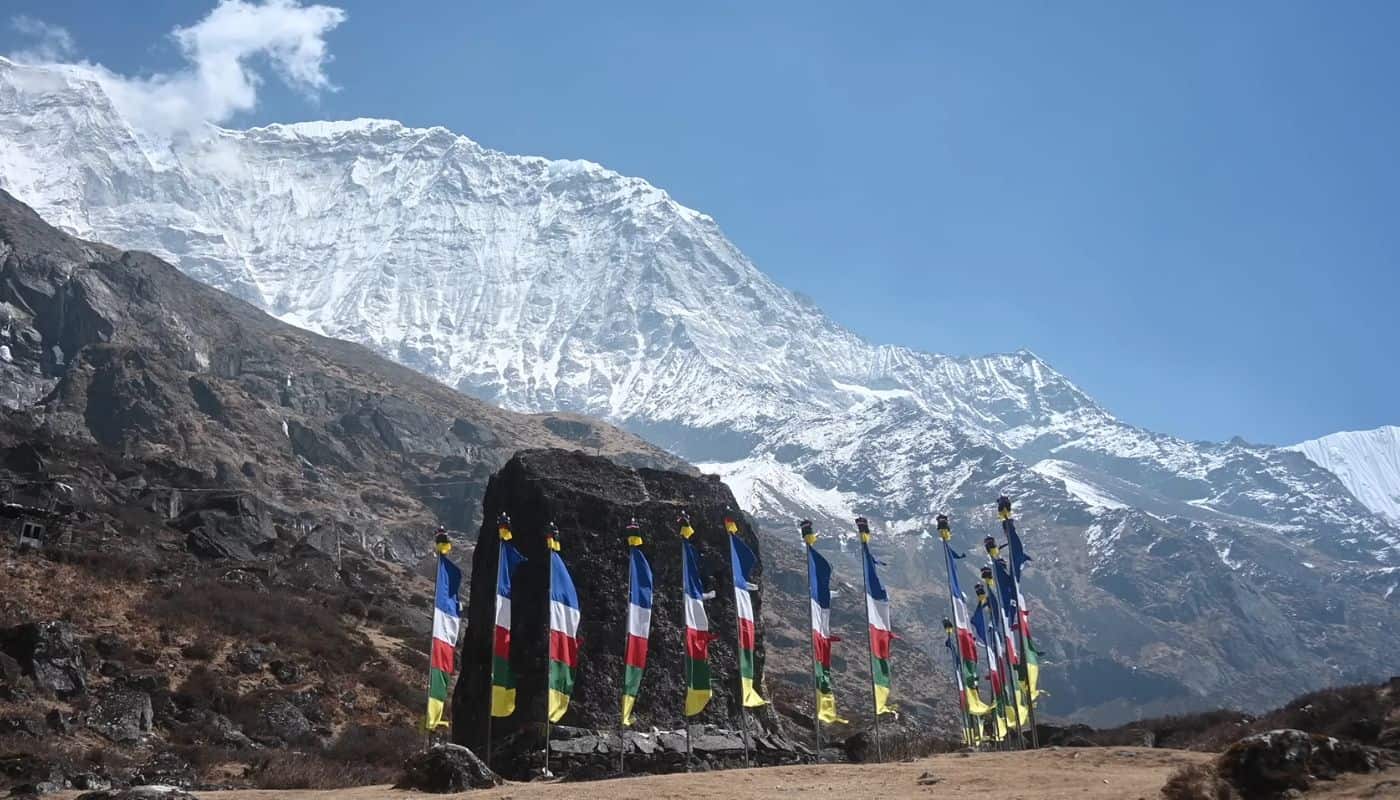
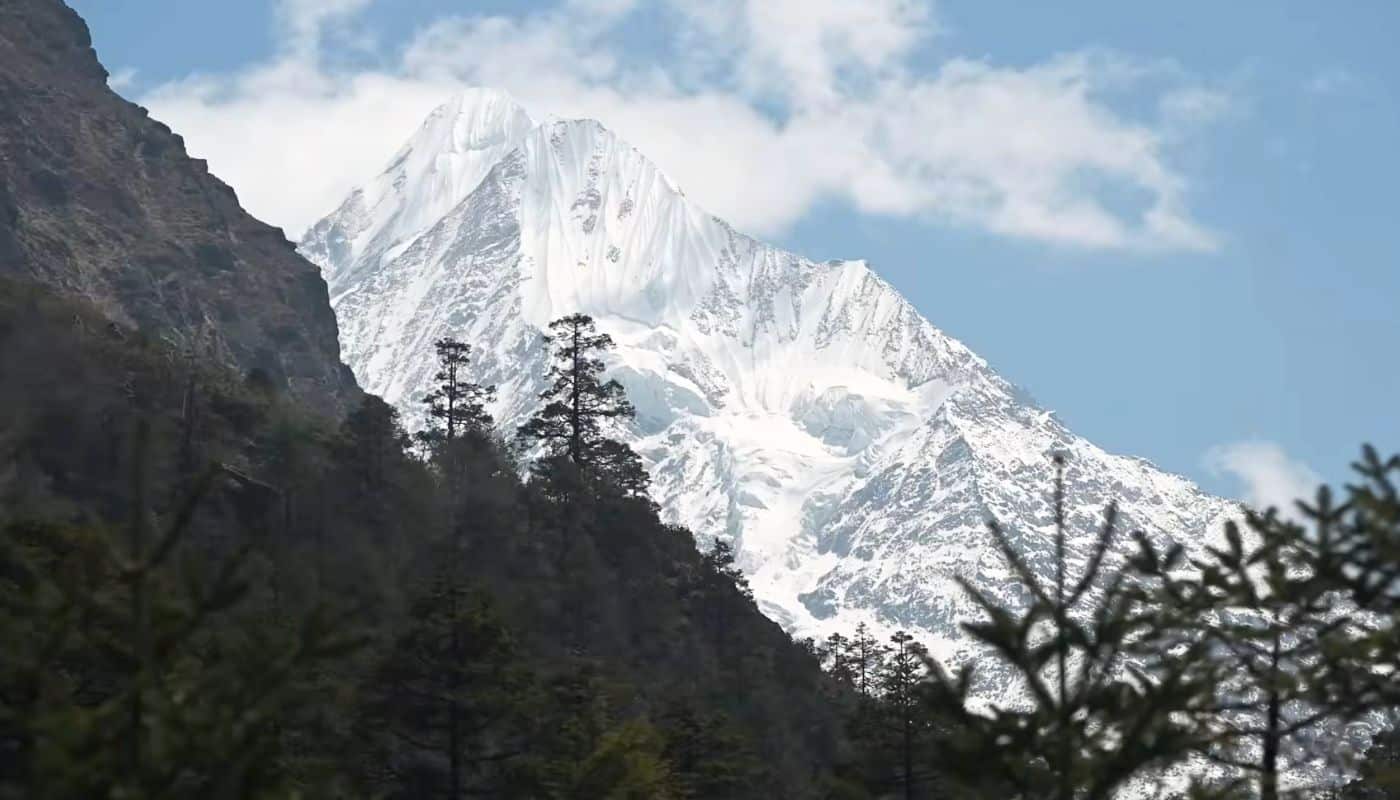
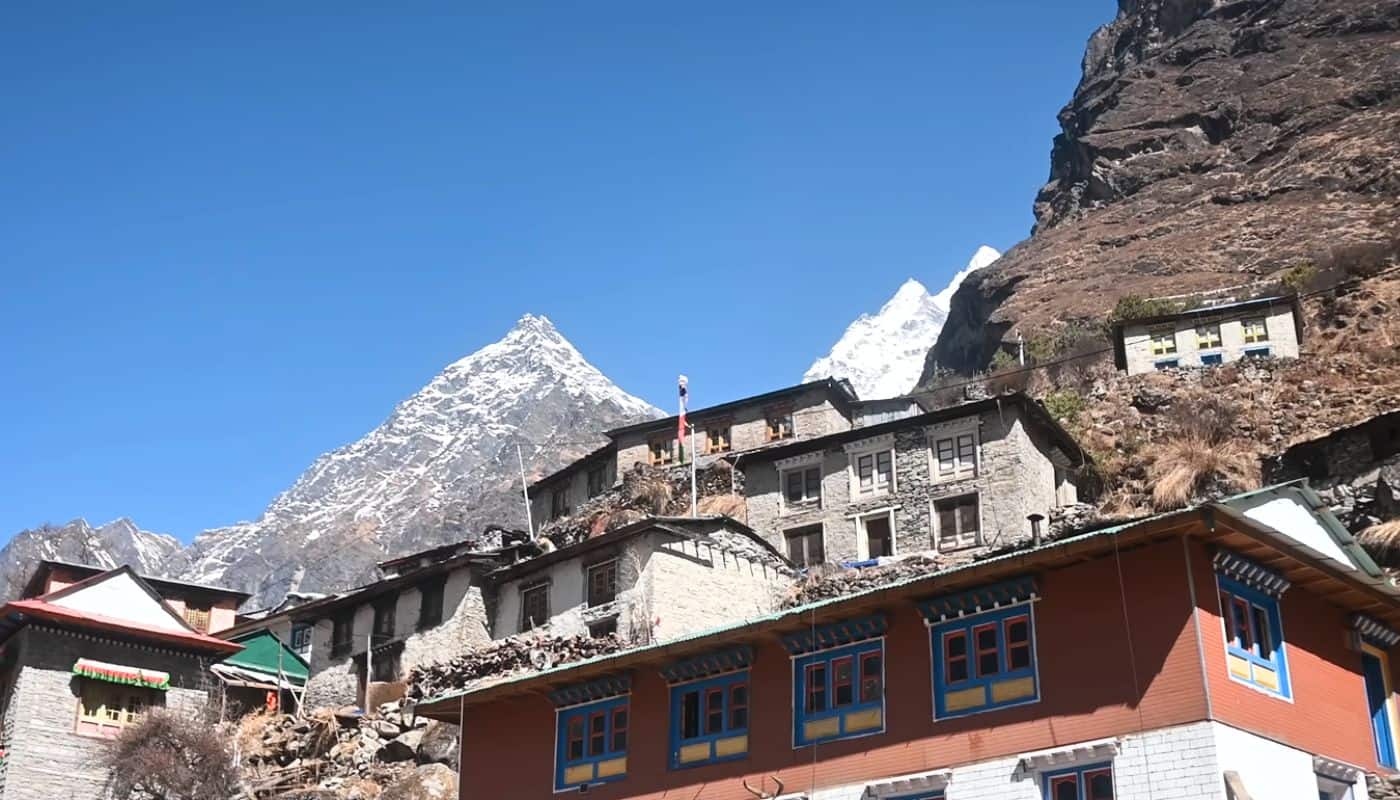
The Rolwaling Valley Trek is one of the most remote and sparsely inhabited trekking areas in Nepal. Ever since the lush valley of Rolwaling opened for adventurers, the trail is getting more popular. It offers adventurers a chance to explore a remote Himalayan region away from the crowds. Nestled between the Everest and Langtang regions, Rolwaling Valley is famous for its stunning high-altitude landscapes and traditional Sherpa and Tamang villages. You can also enjoy dramatic mountain views, including Gauri Shankar, Melungtse, and Cho Oyu.
The Rolwaling Valley Trek is Nepal’s hidden gems. This trek usually takes 8 to 14 days, depending on your pace. It covers altitudes from the sub-tropical lower hills to alpine meadows above 4,500 meters. Along the way, you pass through lush forests, terraced farmlands, and rhododendron groves. Moreover, the area is home to unique wildlife such as Himalayan thar, snow leopard habitats, and diverse bird species.
The Rolwaling Valley is also culturally rich. Trekkers can experience traditional Sherpa and Tamang lifestyles, visit monasteries, and learn about ancient local customs. Although the trek demands a moderate to challenging level of fitness, the rewarding views of glaciers, high mountains, and untouched valleys make it unforgettable.
Highlights of Rolwaling Valley Trek
- Witness majestic Himalayan peaks like Gauri Shankar, Melungtse, and Cho Oyu.
- Explore remote Sherpa and Tamang villages, experiencing authentic Himalayan culture.
- Trek through diverse landscapes, including subtropical forests, alpine meadows, and glacial valleys.
- Discover Tsho Rolpa Glacier Lake, one of Nepal’s largest glacial lakes.
- Spot unique Himalayan wildlife, such as Himalayan thar and red pandas.
- Enjoy the serenity of untouched valleys, far from Everest and Annapurna crowds.
- Stay in cozy teahouses and lodges, savoring local meals and stories from villagers.
- Perfect for adventure seekers who want a less-traveled trekking experience in Nepal.
Drive from Kathmandu (1,400 m / 4,593 ft) to Chhochhot and then trek to Simi Gaun (1,600 m / 5,250 ft)
Accomodation: Lodge
Meal: Breakfast, Lunch, Dinner
Trek from Simi Gaun (1,600 m / 5,250 ft) to Dongang (1,800 m / 5,906 ft)
Accomodation: Lodge
Meal: Breakfast, Lunch, Dinner
Trek from Dongang (1,800 m / 5,906 ft) to Beding (2,100 m / 6,890 ft)
Accomodation: Lodge
Meal: Breakfast, Lunch, Dinner
Trek from Beding (2,100 m / 6,890 ft) to Na (2,498 m / 8,196 ft) and afternoon excursion to Tso Rolpa
Accomodation: Lodge
Meal: Breakfast, Lunch, Dinner
Hike from Tso Rolpa (approx. 2,500 m / 8,202 ft) to Yalung Ri Base Camp (approx. 3,000 m / 9,843 ft) and back to Tso Rolpa
Accomodation: Lodge
Meal: Breakfast, Lunch, Dinner
Trek from Tso Rolpa (2,500 m / 8,202 ft) to Dongang (1,800 m / 5,906 ft)
Accomodation: Lodge
Meal: Breakfast, Lunch, Dinner
Trek from Dongang (1,800 m / 5,906 ft) to Chhechhet (2,100 m / 6,890 ft)
Accomodation: Lodge
Meal: Breakfast, Lunch, Dinner
Drive from Chhechhet (2,100 m / 6,890 ft) to Kathmandu (1,400 m / 4,593 ft)
Accomodation: Lodge
Meal: Breakfast
Cost Includes
- Knowledgeable local guide for safety and cultural insights.
- Optional porter to carry luggage to help reduce your load.
- Teahouses and lodges during the trek.
- Breakfast, lunch, and dinner provided during trekking days.
- Airport transfers in Kathmandu, and road transportation to and from the trailhead.
- Rolwaling Restricted Area Permit (RAP) and TIMS card.
- First Aid Kit
Cost Excludes
- International Flights: Flights to and from Nepal.
- Meals in Kathmandu or outside trekking area.
- Personal Expenses: Snacks, drinks, souvenirs, or laundry.
- Travel Insurance: Medical, evacuation, or accident insurance.
- Tips/Gratuities: For guides, porters, or drivers.
- Optional Activities: Helicopter flights or side excursions not included in itinerary.
- Personal Gear: Sleeping bags, trekking poles, or other personal equipment.
Temperature Chart
Altitude Chart
Useful Info
Best Season for Rolwaling Valley Trek
The best time to trek Rolwaling Valley is during the spring (March to May) and autumn (September to November) seasons. In spring, the weather is mild and the skies are generally clear, offering stunning panoramic views of Himalayan peaks like Gauri Shankar, Cho Oyu, and Melungtse. During this season, the lower hills and forests are covered in vibrant rhododendron blooms and alpine wildflowers, creating perfect conditions for photography and nature lovers.
Autumn, on the other hand, comes after the monsoon, leaving the trails fresh and the air crisp. The skies are often crystal clear, allowing trekkers to enjoy unobstructed mountain vistas and colorful forest landscapes.
Winter trekking in Rolwaling Valley, from December to February, is possible for adventurous trekkers who enjoy snowy trails and fewer crowds, but temperatures can drop sharply, especially above 3,000 meters, and some paths may be icy. Summer (June to August) is generally not recommended due to heavy monsoon rains, slippery trails, and higher chances of landslides.
Spring and autumn are the ideal seasons for the Rolwaling Valley Trek, offering the perfect combination of pleasant weather, scenic beauty, and trekking safety, making your Himalayan adventure both enjoyable and memorable.
Trekking Difficulty Level for Rolwaling Valley Trek
The Rolwaling Valley Trek is considered a moderate to challenging trek, making it suitable for trekkers with a good level of fitness and previous hiking experience. The trails traverse steep ascents, rugged paths, and remote terrain, often reaching altitudes above 4,500 meters, which requires proper acclimatization to prevent altitude sickness. Daily hikes typically range from 5 to 8 hours, depending on the section of the trail and weather conditions.
Trekkers must be prepared for uneven trails, river crossings, and occasional rocky or slippery sections, especially during early morning or after rainfall. Unlike popular trekking regions like Everest or Annapurna, Rolwaling Valley is less commercialized, meaning facilities and teahouses are basic. This adds to the adventure but also demands mental and physical readiness.
Despite the challenges, the trek rewards hikers with breathtaking views of Himalayan giants, glaciers, and pristine valleys, making the effort worthwhile. With gradual altitude gain, proper preparation, and guidance from experienced local guides, the Rolwaling Trek is achievable for most adventurous trekkers seeking a remote and off-the-beaten-path Himalayan experience.
Acclimatization Tips for Rolwaling Valley Trek
Proper acclimatization is crucial for a safe and enjoyable Rolwaling Valley Trek, as the trail reaches altitudes above 4,500 meters. Altitude sickness can affect anyone, even experienced trekkers, so it’s important to ascend gradually and allow your body to adjust. Experts recommend the “climb high, sleep low” approach, where you hike to a higher elevation during the day but return to a lower altitude to sleep.
Take rest days strategically, especially when reaching key points like Na or Beding, to allow your body to adapt to thinner air. Drink plenty of water, eat high-energy meals, and avoid alcohol and smoking, as dehydration and poor oxygen intake increase the risk of altitude sickness.
Recognize early symptoms such as headache, nausea, dizziness, or shortness of breath, and never ignore them. In case symptoms worsen, descend immediately to a lower altitude. Carrying altitude sickness medication like acetazolamide can also help, but it should be used under medical guidance.
By following these acclimatization tips, trekkers can safely enjoy the stunning Himalayan landscapes, glaciers, and remote villages of Rolwaling Valley without health issues, making the trek both safe and memorable.
Weather and Temperature on Rolwaling Valley Trek
The Rolwaling Valley Trek experiences varied weather conditions due to its wide range of altitudes, from sub-tropical lower hills to high alpine regions above 4,500 meters.
During spring (March to May), the weather is generally mild with pleasant daytime temperatures ranging from 12°C to 20°C, making it ideal for trekking and enjoying blooming rhododendron forests. Nights can be cooler at higher elevations, so warm clothing is necessary.
In autumn (September to November), the air becomes crisp and clear after the monsoon, offering excellent visibility of Himalayan peaks. Daytime temperatures range from 10°C to 18°C, while nights are cooler, especially above 3,000 meters. This season is ideal for photography and high-altitude trekking.
Winter (December to February) brings cold temperatures, particularly in higher regions, which can drop below -5°C, and snow may cover trails. Only experienced trekkers with proper gear should attempt the trek in this season. Summer/monsoon (June to August) is generally not recommended due to heavy rainfall, slippery trails, and increased risk of landslides, although lower trails remain lush and green.
Understanding the weather and temperature trends helps trekkers plan their gear, clothing, and daily itinerary, ensuring a safe and comfortable trekking experience in the remote Rolwaling Valley.
FAQ
Why is Rolwaling Valley called a hidden gem in Nepal?
Rolwaling Valley is a less-traveled Himalayan region that offers trekkers untouched landscapes, traditional Sherpa villages, and spectacular views of peaks like Gauri Shankar and Cho Oyu. It provides a peaceful trekking experience far from crowds.
What makes Rolwaling Valley ideal for photographers?
The valley offers pristine landscapes, glaciers, alpine meadows, and snow-capped peaks. Clear skies in spring and autumn allow for panoramic photography, making it one of the most photogenic treks in Nepal.
Can I experience glaciers on this trek?
Yes, the Tsho Rolpa Glacier Lake is a major highlight. Trekkers can see glacial moraines, icefalls, and streams, which are perfect for nature enthusiasts and photographers.
Which peaks are visible during the trek?
Trekkers can see Gauri Shankar, Melungtse, Cho Oyu, and other Eastern Himalayan peaks, providing a spectacular Himalayan panorama rarely crowded with tourists.
How do I stay hydrated during the trek?
Carry 1.5-2 liters of water per day and purify it using filters or iodine tablets. Staying hydrated is crucial for altitude adjustment and energy levels.

Our History in Service Excellence