
Nar Phu Valley Trek
 (598 reviews in Google)
Overview
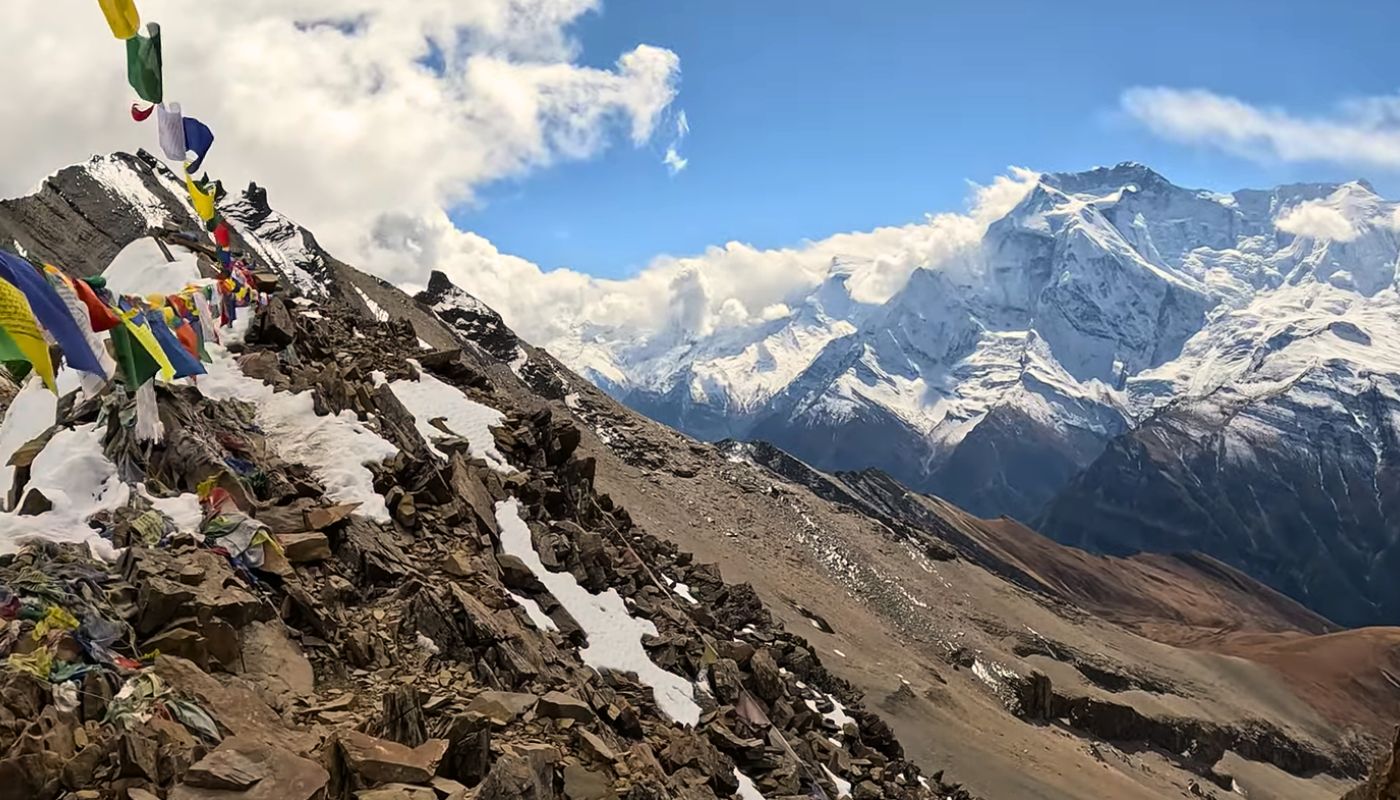
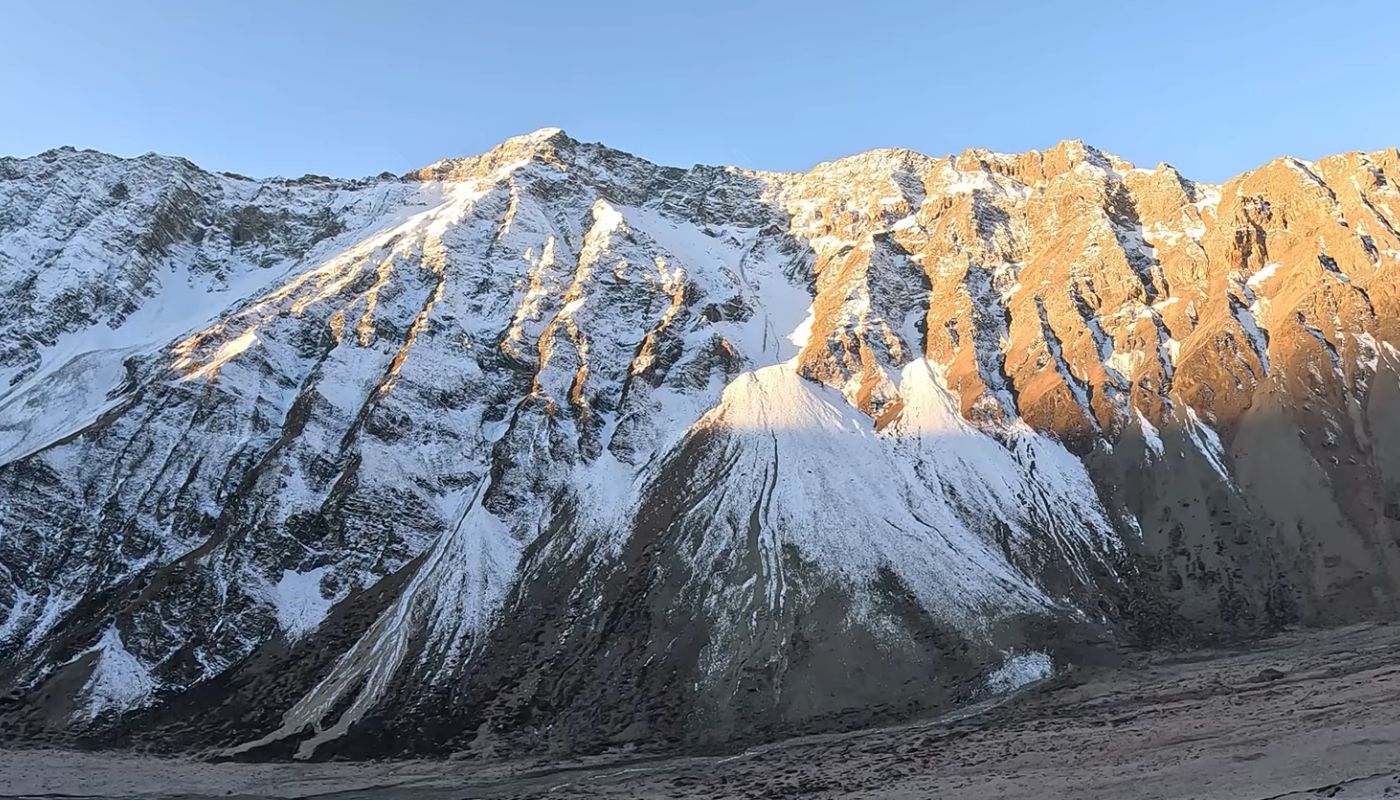
Nar Phu Valley trek goes through the Nar & Phu valleys that combines high peaks and passes, glaciers, remote villages, narrow canyons, splendid forests, amazing rock formations, yaks, gompas, and unique ethnically Tibetan cultures. Closed at trekkers until late 2002, very few outsiders have explored these virtually untouched villages or climbed the many 7000 meter peaks surrounding them. Starting at Besisahar, the traditional starting point for the Annapurna Circuit, the trek quickly diverges from routes with more foot-traffic and into at the remote Nar & Phu valleys.
Passing colorful Tibetan chortens and prayer stones goes into deep canyons and gorges, you will get the chance and hang out with villagers in Phu while they go about their daily activities, as well as spend a night at the Nar Phedi monastery. These are ideal ways to learn about life deep in the mountains of Nepal. There is also the option to hike up at the Himlung Himal Base Camp if you’re feeling up to it. The last couple of days of the trek take you over the high Kang La Pass, and then down again to Ngawal, a popular stop at the main Annapurna Circuit route, thus giving you a chance to enjoy some ‘home comforts’ again. The surroundings become greener and more fertile on the last stretch, before returning by vehicle through Besisahar.
The Nar Phu Valley Trek is perfect for trekkers who want a raw, untouched, and culturally rich Himalayan experience far away from commercial trails. This journey offers everything from ancient Tibetan settlements and dramatic landscapes to high mountain passes and spiritual monasteries. With its blend of adventure, culture, and wilderness, the Nar Phu Valley Trek is an ideal choice for anyone seeking a remote and authentic trekking experience in Nepal, offering memories that last a lifetime.
Highlights of Nar Phu Valley Trek
- Explore two of Nepal’s most isolated Himalayan valleys: Nar and Phu, untouched and culturally rich.
- Walk through ancient Tibetan-style villages, monasteries (gompas), mani walls, and colorful chortens.
- Experience a region opened to trekkers only in 2002, still far from mainstream tourism.
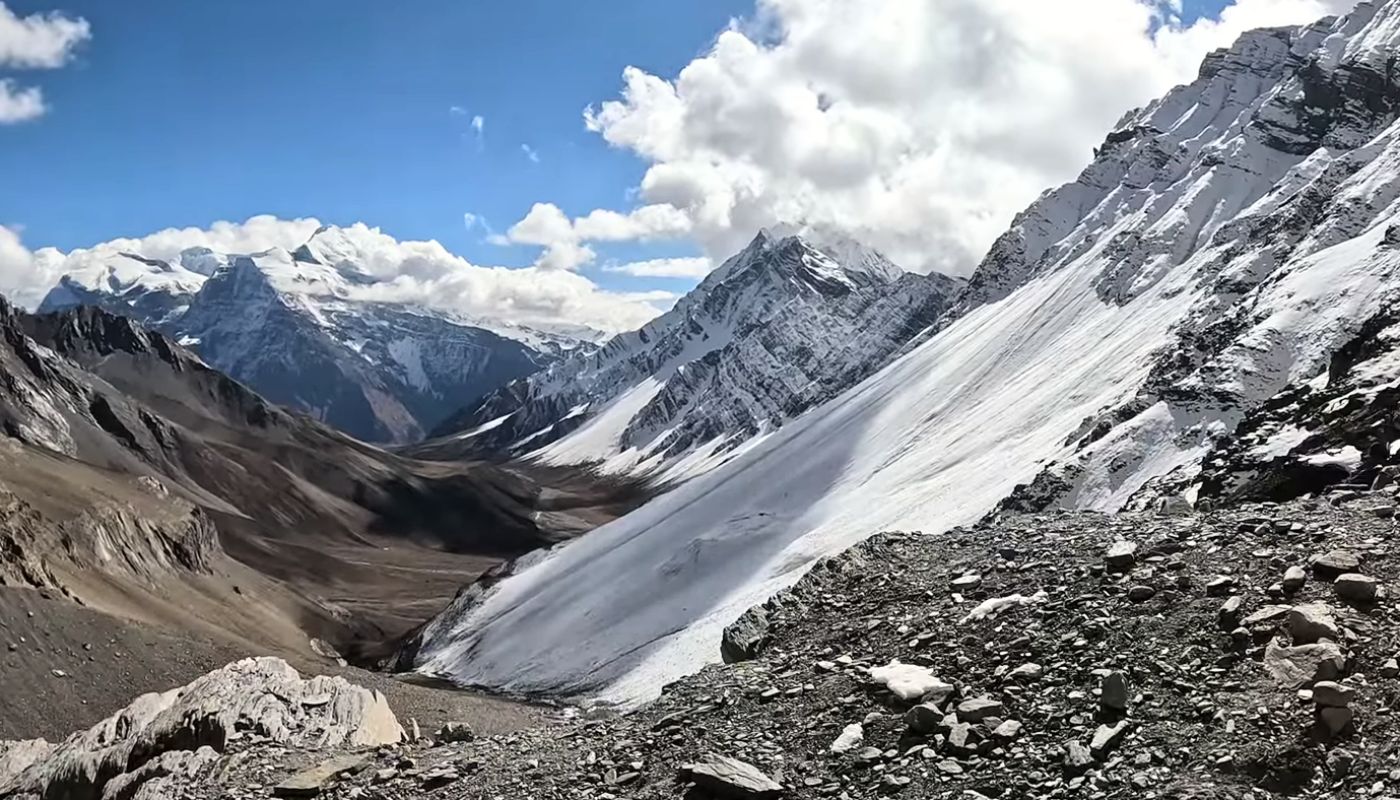
- Trek through deep canyons, narrow gorges, dramatic rock formations, and high alpine landscapes.
- Enjoy close views of towering Himalayan peaks including Himlung Himal (7,126 m), Kang Guru, and Pisang Peak.
- Optional hike to Himlung Himal Base Camp for even more incredible scenery.
- Spend a night at the peaceful and spiritual Nar Phedi Monastery, experiencing authentic monastic life.
- Witness age-old Tibetan Buddhist culture, traditions, yak herding lifestyle, and rare Himalayan ethnic communities.
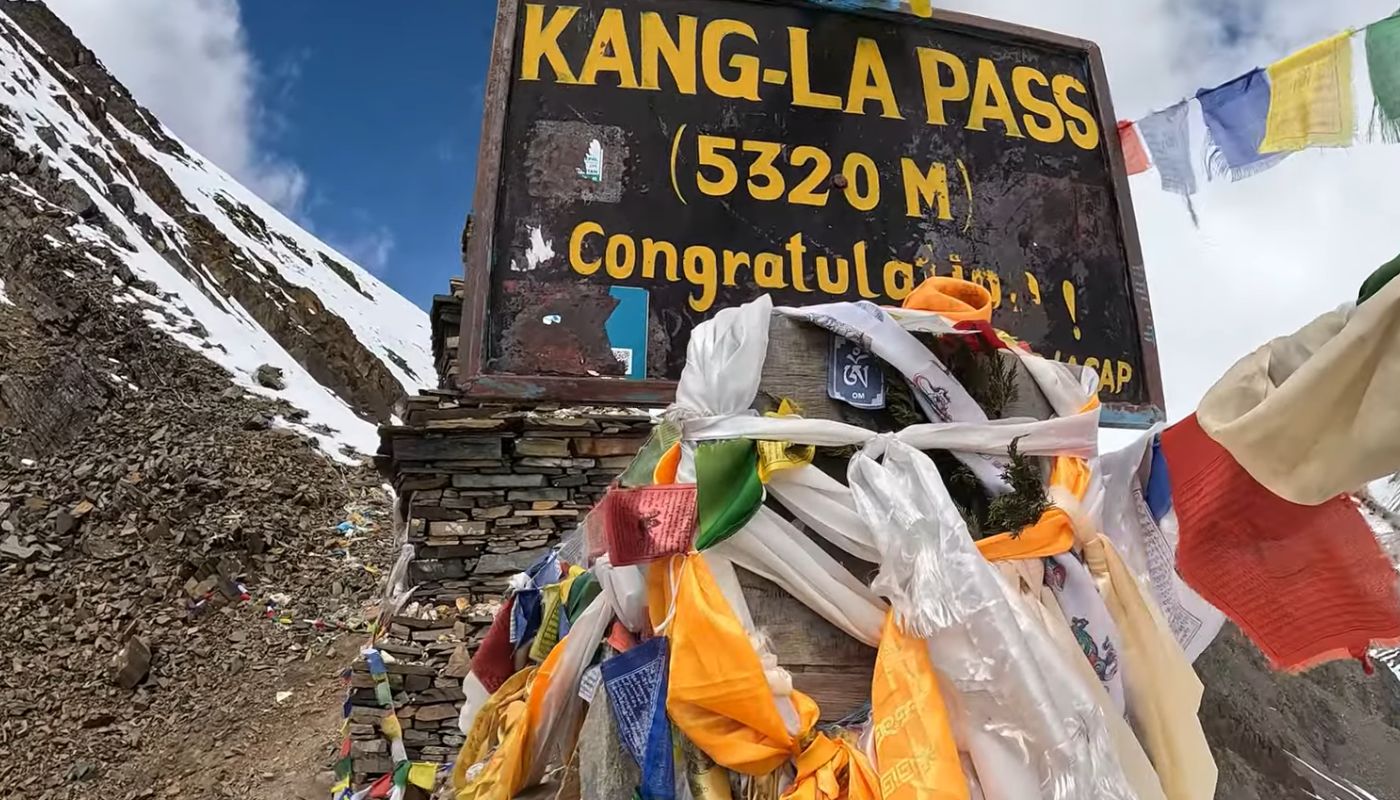
- Cross the challenging Kang La Pass (5,322 m) with jaw-dropping views of Annapurna II and the surrounding ranges.
- Rejoin the Annapurna Circuit at Ngawal, enjoying comfortable lodges and familiar trails again.
- Perfect for trekkers seeking an off-the-beaten-path adventure in a restricted and remote region.
Arrival in Kathmandu
On the first day of Nar Phu Valley Trek itinerary, you will be flying in Kathmandu and you’ll have great views of the Himalaya and of the terraced fields and hillsides, below. After going through the formalities customs, a representative will be waiting to greet you and drive you at your hotel.
After you’ve settled in, you’ll have time to explore from the city. Recommended sights to see at your first day include Kathmandu’s Durbar Square and its narrow alleyways teeming with small shops, ancient temples, and local restaurants, and also Swayambhunath temple, where you can watch the sunset over the valley and the Himalayas at your north.
The tourist hub of Thamel is a good place to take your first meal, with a variety of restaurants to choose from offering both Western as well as local Nepali dishes. This is the very first step to your journey to Nar Phu Trek.
Accomodation: Hotel
Duration: 30 min Drive from airport to Hotel
Distance: Around 6 km
Drive from Kathmandu (1,400 m) to Koto (8,530 feet / 2,600 m)
We will leaving Kathmandu for Nar Phu Trek. Before going towards Nar Phu Valley trek, we will drive first to Besisahar. After lunch, change to a four-wheel drive vehicle for the rugged journey at Koto.
The road can be difficult and challenging for passengers as for drivers, but it is incredibly scenic today! It travels at along the old Annapurna Circuit trek route, through amazing gorges and past stunning waterfalls. Arrive in Koto in time for a short meal.

Accomodation: Lodge
Duration: 6-7 hours drive
Meal: Breakfast, Lunch, Dinner
Ascent: +1,200 m
Distance: Around 200 km
Trek from Meta (11,680 ft / 3,560 m) to Phu (13,386 ft / 4,080 m)
Trekking out of Meta, some of the rare and colorful Tibetan Buddhist chortens that Nar and Phu are famous for begin to appear near to sight. The trail meanders along the ridge with a good view for the magnificent Nar Phedi Monastery, where you will stay in the few days’ time. After another ninety minutes hiking through scenic canyons and gorges, you’ll reach the monolith that guards the steep trail on to Phu.
From here, you can get your first view for the three villages in the area and the old “dzong” (Tibetan-style fortress) and the remains of two ruined forts, impressively situated at the top of the flatlands before the village. Just before crossing the bridge into Phu which is a line of wonderful chortens color the landscape.
After a rest and refreshments, take the short walk all the way to the famous Tashi Lhakhang Gompa to pay respects to Lama Karma Sonam Rimpoche who has also came to Nepal with the Dalai Lama in the year of 1959.
Accomodation: Lodge
Duration: 5-6 hours trek
Meal: Breakfast, Lunch, Dinner
Ascent: +720 m
Distance: Around 9 km
Acclimatization day in Phu (13,386 feet / 4080 m)
From the high altitude, it’s good to spend the acclimatization day in Phu. Explore the tiny alleyways for the town or hike up at the Himlung Himal base camp. Phu itself is an interesting village, and a day is well spent sitting with the local villagers as they went to spin their yak and sheep wool, pound mustard seeds into the paste for oil, or go about their other daily chores.
The hike up to Himlung Himal base camp takes you through the glacial valley. The 7,125 m peak was recently opened for the climbing. On the trail up you will also see herds of blue sheep skillfully clambering at the steep cliffs. The return trip takes about four to five hours.
Accomodation: Lodge
Duration: 2 hours explore village
Meal: Breakfast, Lunch, Dinner
Ascent: +150 m (short hikes for acclimatization)
Descent: -150 m (return to lodge)
Distance: Around 2 km easy walking
Trek from Phu (13,386 ft / 4,080 m) to Nar Phedi (11,450 ft / 3,490 m)
Now, Nar Phu valley trek leads you to the route back down towards the Meta, but at the Nar Phedi monastery, which will your accommodation for the night. In fact, the monastery is all that Nar Phedi does have
The rooms are neat and clean and the nuns are extremely warm and welcoming. Join them in the kitchen and watch them prepare dinner at the modest fireplace. At 5 pm they usually do a puja (blessing), which you are welcome to see and witness. There is a small donation box in the monastery where you can leave in the contribution for the maintenance of this beautiful and friendly place.
Accomodation: Lodge
Duration: 5-6 hours trek
Meal: Breakfast, Lunch, Dinner
Ascent: +150 m
Descent: -740 m
Distance: Around 11 km
Trek from Nar Phedi to Nar (13,484 feet / 4110 m)
Today is a very good day. Climb out of Nar Phedi and follow the winding path up at the hill towards Nar. Pass the line of wonderfully painted, bamboo-topped chortens at the way into the ancient village. Arrive in the town which is around lunch time. Even though Nar is not far from the main Annapurna trail, it is rarely visited by trekkers and is gets lovely as it gets.
Nar is bit more vibrant and lively than Phu, and during the day you could find the village ‘square’ teeming with talkative women with their back-strap looms weaving wool fabric for rugs and blankets. With a few new teahouses built at the outskirts of Nar, you can stay at the comfortable lodge with an extensive menu.
Accomodation: Lodge
Duration: 6-7 hours trek
Meal: Breakfast, Lunch, Dinner
Ascent: +620 m
Distance: Around 8 km
Trek from Nar to Ngawal (11,417 ft / 3,480 m) via Kang La Pass (17,192 ft / 5,240 m)
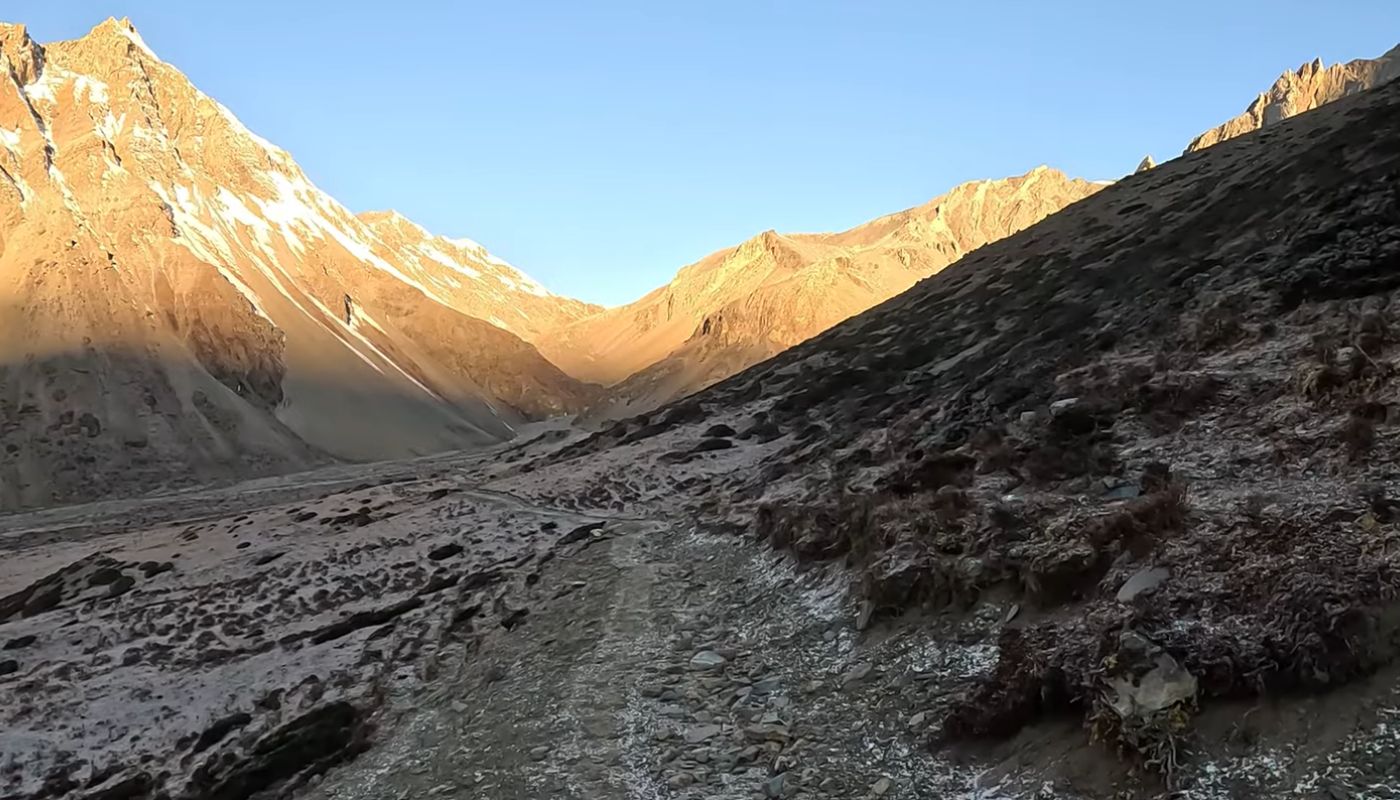
Today is a very long day doing at Nar Phu Trek,, so get up before sunrise and go towards the Kang La Pass, which goes onto the popular Annapurna Circuit. It is not a difficult pass, but it can be a long day as the effects for altitude will be felt. Once at the top of the pass, you can enjoy an amazing view over Annapurna II, Gangapurna, and Tilicho Peak. The trail down also starts off steep, but if you enjoy screen running you can take some fun! Stop for lunch on the plateau overlooking the peak, then continue going towards Ngawal.
Ngawal, at the upper Pisang route of the Annapurna Circuit, is certainly very different from the ancient villages which is just visited. The lodges are big, the menus much more comprehensive and there will be Wifi and phone signals at several lodges.
Accomodation: Lodge
Duration: 7-8 hours walk
Meal: Breakfast, Lunch, Dinner
Ascent: +1,130 m (approx.) to Kang La Pass
Descent: -1,760 m (approx.) down to Ngawal
Distance: Around 13 km
Trek from Ngawal (12,008 ft / 3,660 m) to Pisang & Drive to Besisahar (8,179 ft / 2,493 m)
The weather will get hotter and the scenery greener as you move to more than 2,000 m from the pass. Set off early for the last few hours of trekking to reach Pisang. The trail is also wide and comfortable and passes the beautiful lake which is just outside Pisang. Stop for a quick snack in the village, then drive back unto Besisahar. There, stay at a comfortable hotel.
Accomodation: Lodge
Duration: 5-6 hours walk & 3-4 hours drive
Meal: Breakfast, Lunch, Dinner
Descent: -1,170 m
Distance: 9 km trek & 35 km drive
Drive from Besisahar (2,493 m / 8,179 ft) to Kathmandu (1,400 m / 4,593 ft)
This day will be the last day of our Nar Phu Valley trek Day 9 will drive and go back to Kathmandu which takes around five hours. Enjoy the hot shower and the luxuries for the city once again! Spend the afternoon shopping for the souvenirs in Thamel, or just will be relaxing.
Accomodation: Hotel
Duration: 7-8 hours drive
Meal: Breakfast and Lunch
Descent: -1,093 m
Distance: Around 180 km
Final Departure.
On the last day Nar Phu Trek itinerary, it’s time to say farewell and goodbye to Nepal. Enjoy your last moments in Kathmandu with breakfast in a café, a city stroll, and do souvenir shopping. You will be given a certificate of achievement for completing Nar Phu Valley Trek. And, a representative will meet you in your hotel and drive you to the airport for your return flight home. It’s good to be in the airport at least 2 hours prior to departure.
Accomodation: Lodge
Duration: 30 min drive to Airport
Distance: Around 6 km
Fixed Departure
Cost Includes
- All ground transportation: Kathmandu to Besisahar and back.
- Lodge/tea house accommodation during the trek.
- Meals: Breakfast, Lunch, and Dinner while on trek.
- Experienced English-speaking guide with trekking knowledge.
- Porters to carry luggage (1 porter for 2 trekkers typically).
- Trekking permits: ACAP (Annapurna Conservation Area Project) and TIMS card.
- First aid kit and basic medical supplies.
- Hotel accommodation in Kathmandu before/after the trek.
- Pickup and drop-off from the hotel in Kathmandu.
- Emergency support and communications.
Cost Excludes
- International airfare and domestic flights (if any).
- Personal travel insurance (mandatory for high-altitude trekking).
- Beverages, bottled water, soft drinks, tea/coffee outside included meals.
- Personal gear and equipment (sleeping bag, trekking poles, clothing, etc.).
- Tips/gratuities for guide, porter, or driver.
- Extra accommodation or meals outside the itinerary.
- Optional activities like Himlung Himal Base Camp hike or sightseeing.
- Any rescue or evacuation costs in case of emergency beyond standard support.
Temperature Chart
Altitude Chart
Useful Info
Nar phu Valley Trek Difficulties
The Nar Phu Valley trek is rated for the Himalayas as a moderate trek. For example, the itinerary for this trek will take you from Kathmandu (1,400 m) unto Koto (2,600 m) on the first day. Which is less than the altitude gains in only one day when flying from Kathmandu as compared to Lukla (2,860 m) at the Everest Region. We have also never experience people getting sick at Namche Bazaar (3,440 m) at the Everest region during our guiding at the Himalayas. If we had to compare the Nar Phu trek elevation with the Namche elevation, we have to say that you will only reach this height in 4 to 5 days. Although there are high passes, there is the lower altitude sickness ratio as compared to other Nepal trekking areas. This comparison also shows that the region of Nar Phu is much better than the Khumbu region for the Everest Base Camp Trek. However, we cannot tell who is going to suffer from altitude sickness.
Best time for Nar phu Trek
Nar Phu Valley trek is possible in the monsoon month of June to August as well as the two peak tourist seasons March-May and September-November. The trek is still enjoyable at the monsoon, although the road access at the mountains to and from Besisahar could be disrupted by mud and landslides. In the winter (December-February) the high pass could be halted by snow.
Nar phu valley Trek Route
Nar Phu Valley Trek starts from the journey to Kathmandu and later goes to Besisahar. After we will be heading towards for the rugged journey at Koto.
Trekking out of Meta, some of the rare and colorful Tibetan Buddhist that Nar and Phu. After a decent rest and some refreshments, take the short walk all the way to the famous Tashi Lhakhang Gompa and pay respects to Lama Karma Sonam Rimpoche.
We will acclimatize in Phu. Then from Pu, we will be going towards Nar Phedi. Climb out of Nar Phedi and go as well as follow the path on the hill towards Nar. Pass the line of wonderfully painted, bamboo-topped chortens in the way into the ancient and traditional village. Arrive in the town for lunch.
At Nar Phu Trek,so get up before sunrise and go at the the Kang La Pass, which goes onto the popular Annapurna Circuit scene. Set off early for the last few hours of trekking till to reach Pisang. Later would be the final day in our Nar Phu Trek Route, we will return to Kathmandu from Besisahar.
Packing and Gear Tips for Nar Phu Valley Trek
When preparing for the Nar Phu Valley Trek, it is essential to pack carefully, as the trail passes through remote villages and high-altitude terrain. The weather can vary greatly during the day, so layered clothing is highly recommended. Mornings and early evenings can be cold, especially above 4,000 meters, while afternoons may be sunny and warm in lower sections. A combination of thermal inner layers, fleece jackets, waterproof jackets, and trekking pants will keep you comfortable throughout the trek.
A good pair of sturdy hiking boots with ankle support is a must, as the paths can be rocky, uneven, and occasionally muddy. Trekking poles are very useful for steep ascents and descents, reducing strain on knees, especially when crossing narrow trails or the high Kang La Pass. A warm sleeping bag is also important, as tea houses at higher altitudes may provide basic blankets but often cannot guarantee warmth during cold nights.
Sun protection is critical at high altitudes. Bring sunglasses with UV protection, sunscreen with a high SPF, and a hat to shield yourself from strong sun exposure. Even in cooler weather, UV rays can be intense, especially when reflected off snow patches.
Water safety is another key consideration. Although most lodges provide boiled or filtered water, it is advisable to carry water purification tablets or a portable filter to ensure safe drinking water along the trek. Staying hydrated is essential, particularly at higher elevations where dehydration can worsen altitude sickness symptoms.
Additional helpful items:
- Lightweight backpack for daily essentials
- Gloves, hat, and scarf for cold mornings and evenings
- Headlamp or flashlight with extra batteries
- Personal first-aid kit including blister care
- Snacks like nuts, energy bars, and chocolate for long trekking days
By packing smartly and preparing for both cold and warm conditions, trekkers can focus on enjoying the stunning landscapes, Tibetan villages, and unique Himalayan culture without worrying about discomfort or equipment issues.
FAQ
What is the difficulty level of Nar Phu Valley Trek?
Nar Phu Valley Trek is not much difficult to say the least. It is moderate and could be accomplished without any sort of technical problem.
Do we need to complete permits before starting the trek?
Yes. You need special trekking permits for the Nar Phu Valley, and they can only be issued on working days. Offices are closed on Saturdays and public holidays, but Sunday is a working day in Nepal. Your trekking agency will arrange your trekking permits.
What is the Nar Phu Valley Trek?
The Nar Phu Valley Trek is a remote and off-the-beaten-path trek in the Annapurna region of Nepal. It passes through the untouched Nar and Phu villages, high mountain passes, deep gorges, and stunning Himalayan landscapes, offering an authentic experience of Tibetan culture and traditional mountain life.
How long is the Nar Phu Valley Trek?
The trek typically takes 9-12 days, depending on your itinerary and acclimatization schedule. It covers high passes like Kang La Pass (5,240 m) and remote villages, providing a unique trekking experience far from crowded trails.
What cultural experiences can I expect on the Nar Phu Valley Trek?
Trekkers will experience authentic Tibetan Buddhist culture, visit monasteries like Nar Phedi Monastery, see prayer flags and chortens, and interact with villagers in Nar and Phu villages. It’s a chance to learn about traditional Himalayan lifestyles and remote mountain communities.
Do I need a licensed guide for the Nar Phu Valley Trek?
Yes, because Nar Phu is a restricted area, hiring a government-licensed trekking guide is mandatory. Solo trekking is not allowed, and permits can only be issued through a registered trekking agency.
What kind of accommodation and facilities will I find on the trail?
Accommodation is basic, mostly tea houses/ lodges with simple rooms, shared toilets, and limited electricity (often solar). Food options include local Nepali and Tibetan-style meals (dal bhat, noodles, potatoes) but bring extra snacks and purification means for water.
Is travel insurance necessary, and what should it cover?
Yes, travel insurance is strongly recommended and essential for a trek like Nar Phu. Your policy should cover high-altitude risks, medical emergencies, helicopter rescue / evacuation (if needed), and trip interruption.
Reviews
I felt emotional after completing this trek. What a trek!!
What I loved most about this trek was the peace and isolation. Unlike Annapurna or Everest regions, you rarely encounter other trekkers on the trail, which gives you a sense of adventure and freedom. The landscapes are dramatic, and the photo opportunities are endless.
The trek is best suited for those with moderate fitness levels, a sense of adventure, and a willingness to embrace basic accommodations and a slower pace. It’s an unforgettable journey for travelers who value culture, solitude, and raw Himalayan beauty over convenience.
Verdict: If you want a quiet, authentic, and scenic trekking experience away from the crowds, the Nar Phu Valley Trek is one of the most rewarding treks in Nepal.
Read moreHeilie,
USA
It was an experience unlike any other in Nepal.
I recently completed the Nar Phu Valley Trek, and it was an experience unlike any other in Nepal. This trek is truly for those who want to escape the crowds and explore a region that feels almost untouched. The villages of Nar and Phu are remote and preserved, offering a genuine glimpse into Tibetan-influenced culture. Spending time in these villages, interacting with locals, and witnessing their daily lives was the best. The trekking itself is moderately challenging. The high-altitude sections, especially crossing the Kang La Pass (5,320 m), are demanding and require good preparation, but the altitude gains are gradual enough that most fit trekkers can manage without serious issues. Acclimatization days in Phu and Nar Phedi are helpful, and the scenic variety is incredible, also towering Himalayan peaks like Annapurna II, Gangapurna, and Tilicho was also seen during the trek. Accommodation is basic, with tea houses providing simple rooms and local food. It’s not luxury trekking expect shared toilets, limited hot water, and cozy spaces. But this simplicity adds to the charm, making the experience feel authentic rather than commercialized.
Vivian Zian,
Singapore

Our History in Service Excellence