Jomsom Trek along the Kali Gandaki river valley to Muktinath is one of the popular treks in the Annapurna region. There are three ways to reach Jomsom from Pokhara. You can either walk through culturally rich villages like Ghandruk, Ghorepani, Poonhill, Tatopani, Ghasa, and Kande or by road. Recently constructed roads connect Jomsom to Pokhara and vice-versa.
In monsoon, the road gets slippery, and muddy and landslides might occur. So, we suggest you skip the road journey during monsoon. The last option is by flight. From Pokhara, there are daily flights available to Jomsom. But sometimes there are flight delays or cancellations due to clouds and strong winds. Mainly, it occurs in late spring and monsoon season. In order to avoid bad weather, all the flights to and from Jomsom operate only in the morning.
Jomsom is the gateway for trekking to Muktinath and Lo-Manthang. Also, considered an ending point for treks from Manang. Jomsom way halfway point of the Round Annapurna trekking; but after the road construction, it has now become a terminal point.
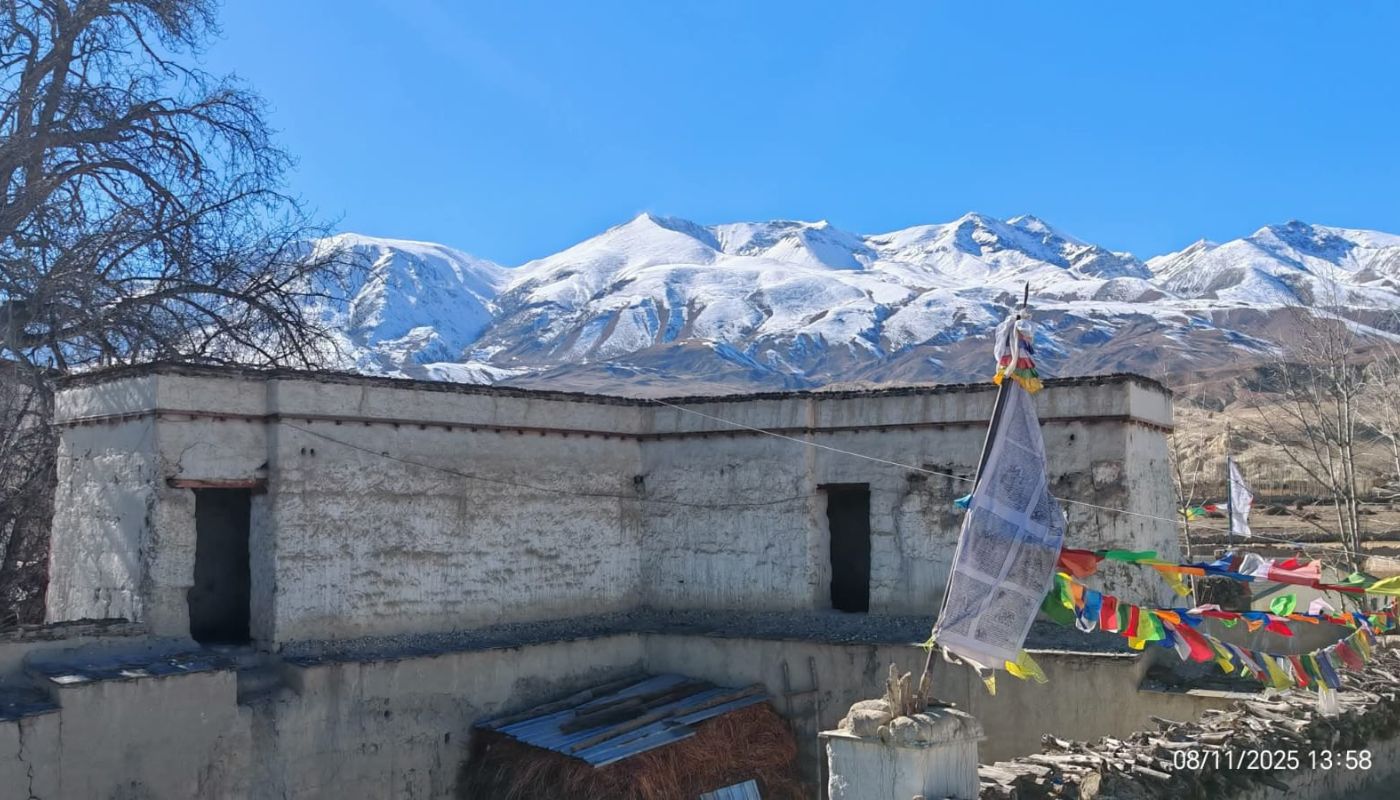
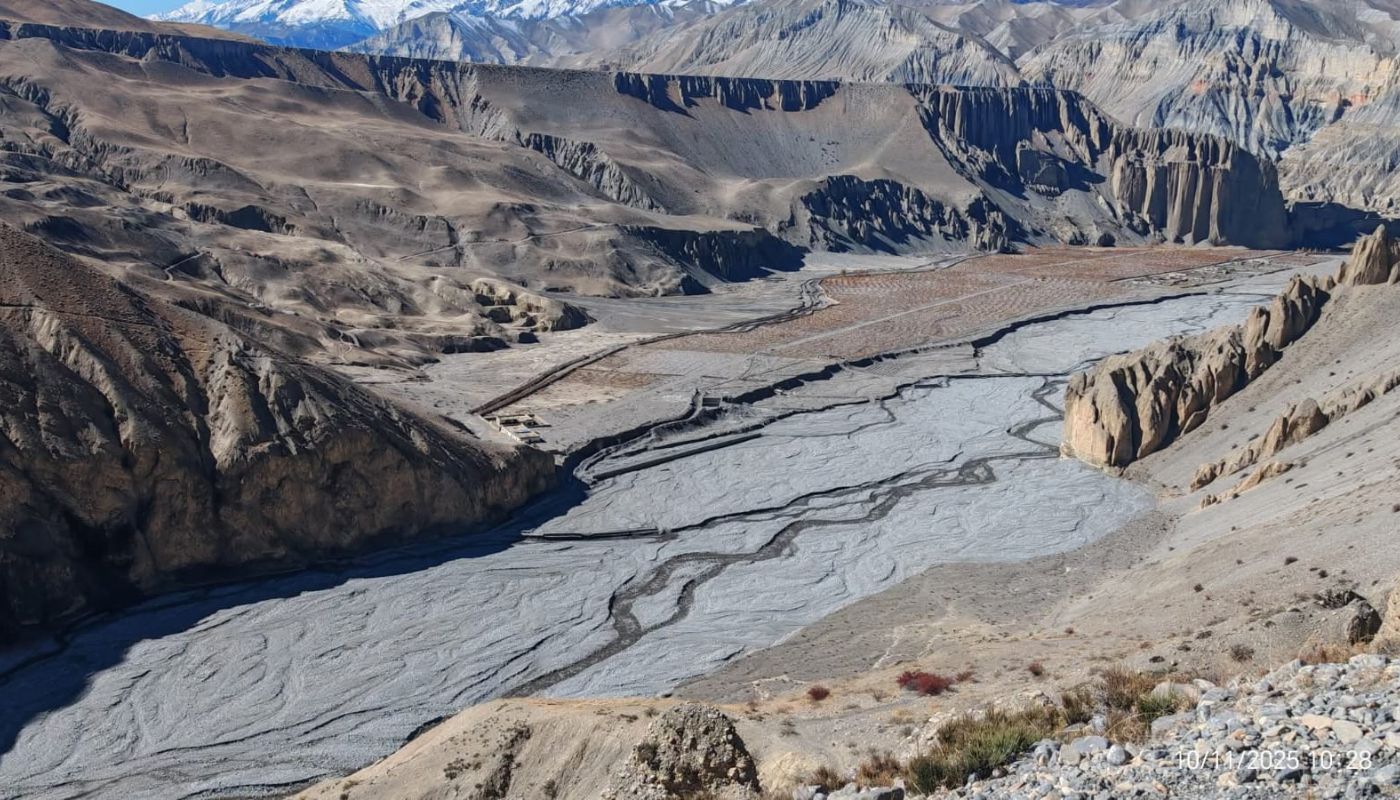
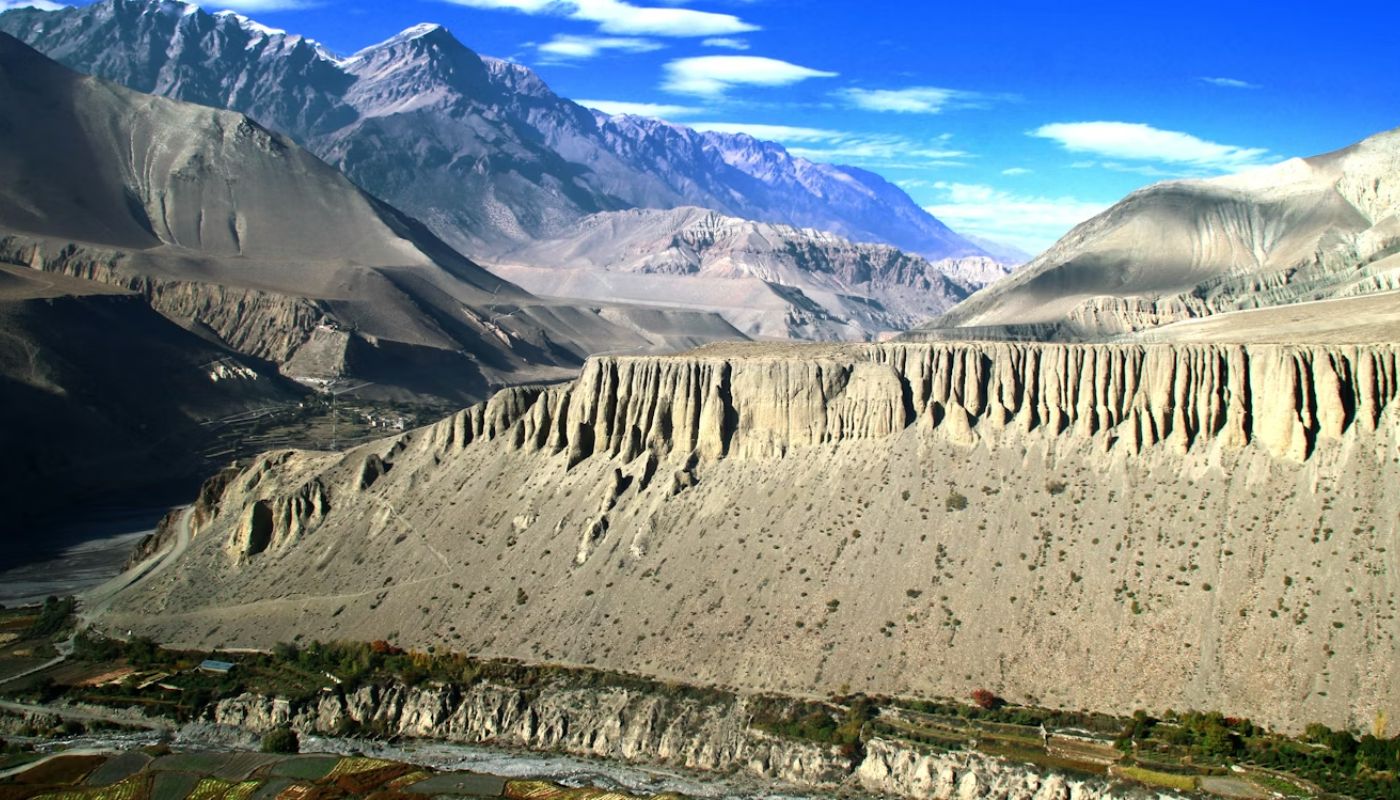
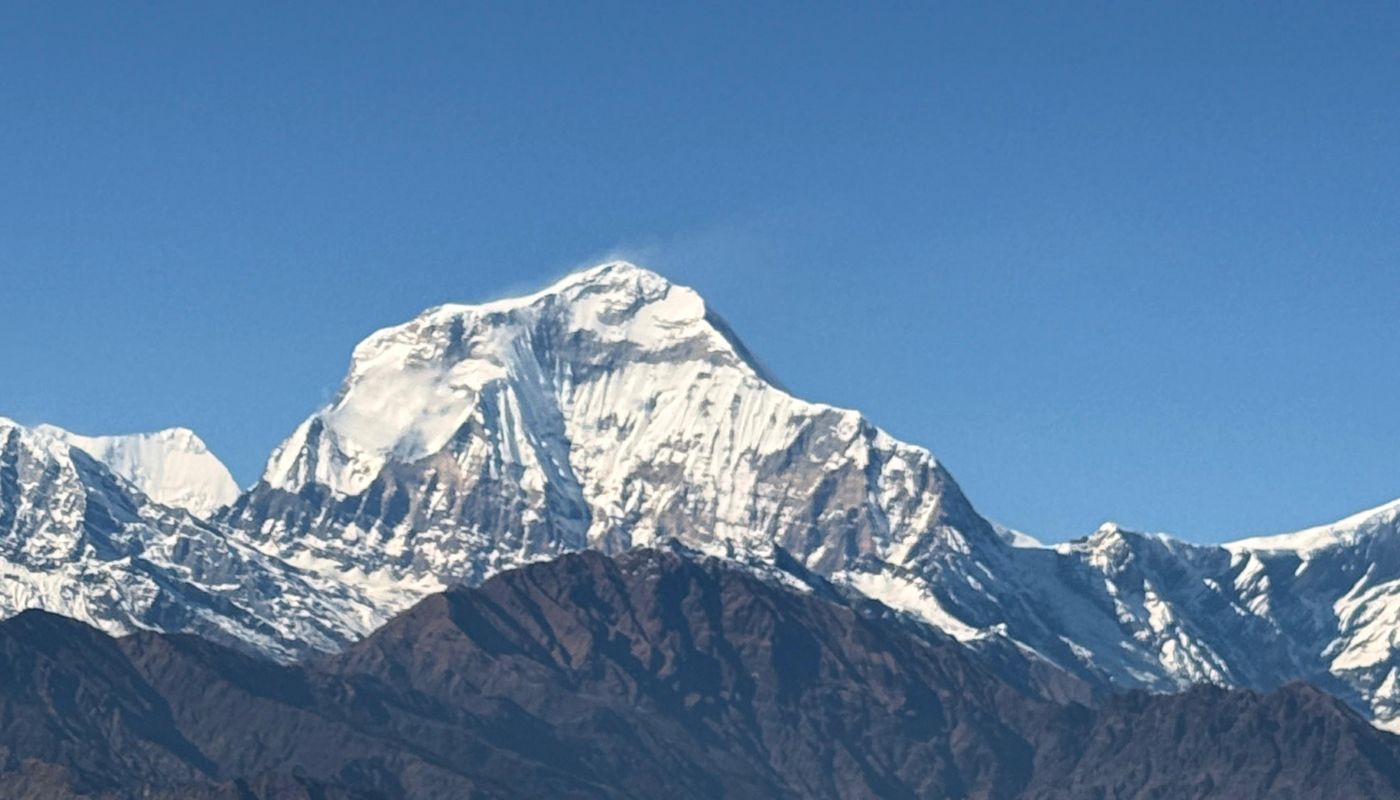
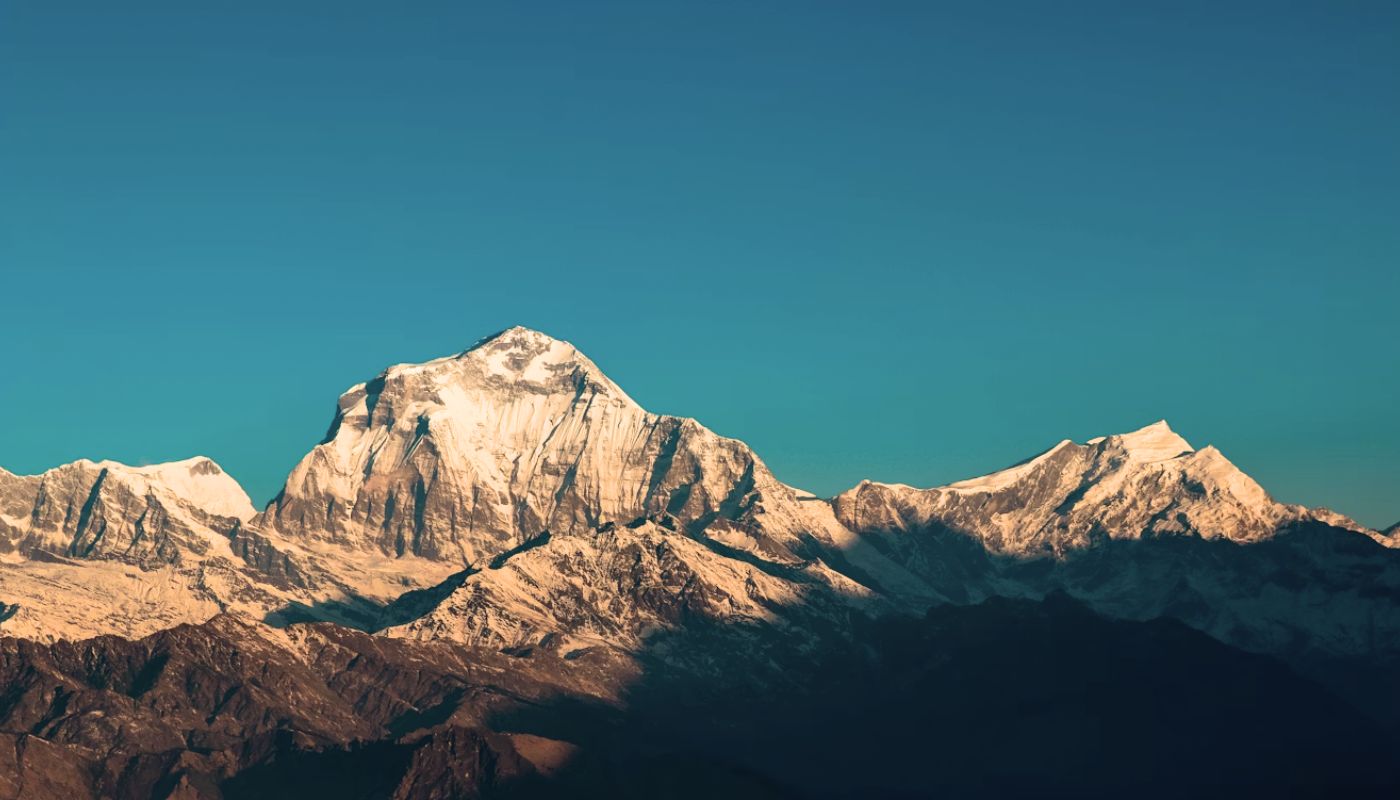
On Jomsom trek, you will enjoy a wide array of landscapes from sub-tropical rhododendron and oak forests to the high, dry landscape similar to Tibetan Plateau. You will walk through the Kali Gandaki valley, the deepest gorge in the world, Kagbeni, a Tibetan influenced village dotted with prayer wheels or a Buddhist monastery and chortens. While trekking, you will also enjoy the great views of the Annapurna mountain range and Dhaulagiri.
Approximately 30,000 trekkers visit Nepal every year for Jomsom Trekking. Also exploring its surrounding places like Kagbeni, Muktinath and those who make Annapurna Circuit ends their trip at Jomsom and take flight or jeep drive to Pokhara. There are many hotels/lodges with restaurants available at Jomsom.
Highlights of Jomsom Trek
An ideal trek throughout the year
Walk through rhododendron forests, rocky cliffs and desert
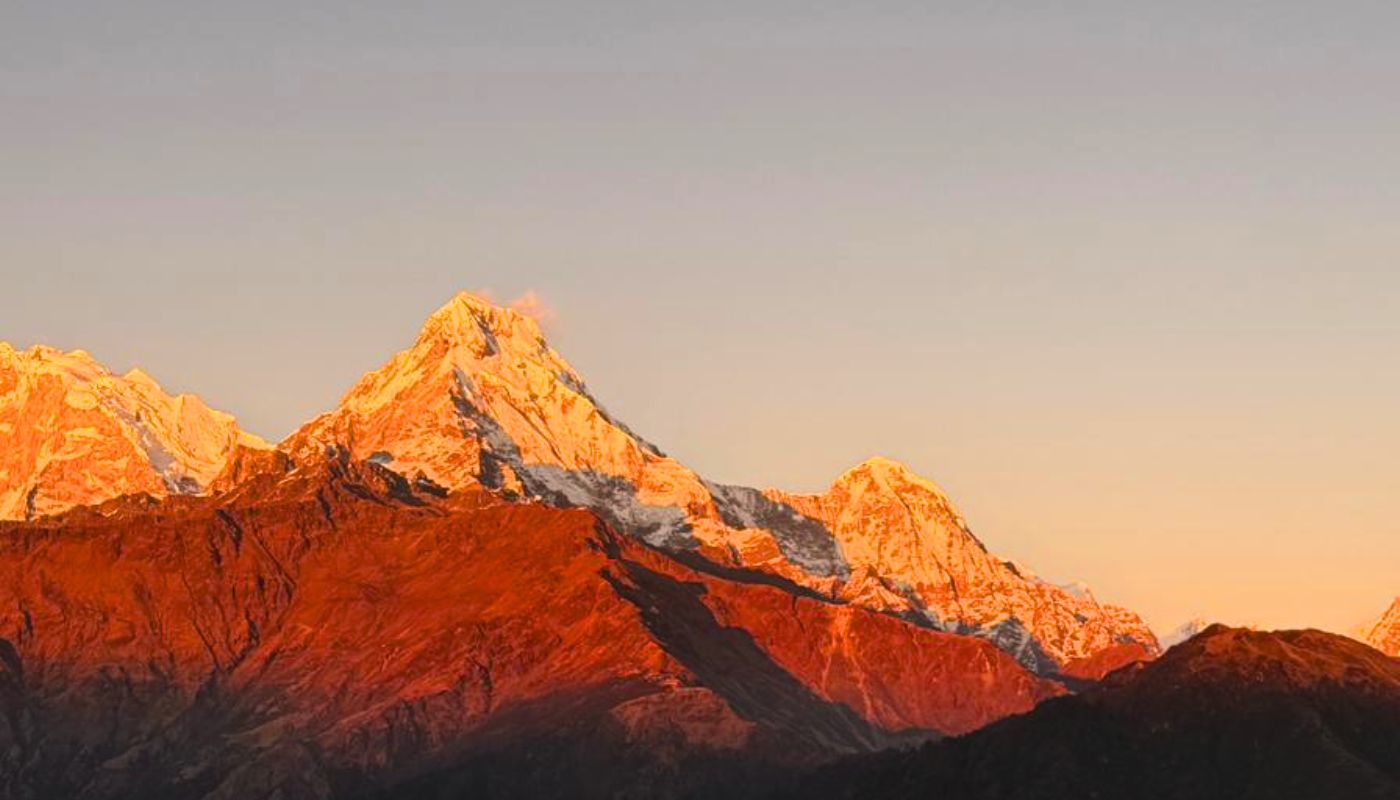
Enjoy the sights of Annapurna mountain range and Mt. Dhaulagiri
Visit a Tibetan- influenced village filled with prayer wheels, chortens & a Buddhist monastery
The highest point is Muktinath (3,800 m), a holy site sacred to both Buddhists and Hindus
Explore the World’s deepest gorge of Kali Gandaki
The Jomsom Trek offers a perfect blend of natural beauty, cultural richness, and spiritual experience. Walking through the dramatic Kali Gandaki Valley, the world’s deepest gorge, you will witness landscapes shifting from lush rhododendron forests to dry, Tibetan-like desert terrain. The journey brings you to Kagbeni, an ancient village filled with prayer wheels, monasteries, and traditional mud-brick houses, before ascending to the sacred temple of Muktinath at 3,800 meters. Throughout the trek, you will enjoy stunning views of the Annapurna and Dhaulagiri ranges while experiencing the unique lifestyle of the Thakali and Tibetan-influenced communities. Whether you choose to trek on foot, fly to Jomsom, or travel by road, this adventure promises unforgettable Himalayan scenery, rich culture, and a rewarding spiritual atmosphere.
Itinerary
1 Day
Arrival in Kathmandu (1,400 m) & Transfer to Hotel
Upon arrival at Tribhuvan International Airport in Kathmandu (1,400 m), you will be greeted by your trekking agency representative and transferred to your hotel in the city. The transfer is usually short, around 30 minutes, depending on traffic.
Kathmandu, the capital city of Nepal, sits at an altitude of 1,350 meters and serves as the main gateway to the Annapurna and Mustang regions. After checking in at your hotel, you can rest, freshen up, and recover from your flight. This day allows you to relax, acclimatize, and prepare for your upcoming trek.
Accomodation: Hotel
Duration: 30 min drive from airport to hotel
Distance: Around 6 km
2 Day
Drive from Kathmandu (1,400 m) to Pokhara (827 m)
After breakfast at your hotel in Kathmandu, you will begin a scenic drive to Pokhara, the gateway to the Annapurna and Mustang regions. The drive takes 7-8 hours along the Prithvi Highway, passing through terraced fields, rivers, small villages, and traditional towns such as Damauli, Mugling, and Kurintar.
Pokhara, located at 827 meters, is famous for its tranquil lakes, panoramic Himalayan views, and relaxed atmosphere. Upon arrival, you will check into your hotel and have the evening free to explore Lakeside, enjoy a walk along Phewa Lake, or relax at local cafes.
This day allows you to rest from the drive, prepare trekking gear, and enjoy Pokhara’s scenic beauty before flying to Jomsom or starting your trek the next morning.
Accomodation: Hotel
Duration: 7-8 hours drive
Meal: Breakfast, Lunch, Dinner
Distance: Around 200 km
3 Day
Drive from Pokhara (827 m) to Nayapul (1,030 m) and Trek to Tikhedunga (1,510 m)
After breakfast in Pokhara, you will drive for about 1.5 hours along a scenic road to Nayapul (1,030 m), the starting point of the trek. From Nayapul, the trail follows the Birethanti village, where you check your permits and continue alongside the Modi Khola river.
The trek to Tikhedunga (1,510 m) is pleasant and moderately easy. You walk through charming Gurung and Magar villages, terraced farmlands, and lush green hills. The path gradually ascends but remains comfortable, making it suitable for beginners as well.
As you reach Tikhedunga, you will see beautiful waterfalls and small suspension bridges. The village offers a peaceful environment with traditional lodges where you will spend the night.
This day helps you warm up for the steeper climb to Ulleri and Ghorepani on the next day.
Accomodation: Lodge
Duration: 1.5 hours drive & 4-5 hours trek
Meal: Breakfast, Lunch, Dinner
Ascent: +480 m
Distance: Around 11 km
4 Day
Trek from Tikhedunga (1,510 m) to Ghorepani (2,750 m)
This is one of the most rewarding yet challenging days of the trek. After breakfast at Tikhedunga, you begin the steep ascent to Ulleri, a traditional Magar village known for its 3,200 stone steps, one of the longest stair routes in Nepal. Although strenuous, the trail offers beautiful scenery and small settlements along the way.
From Ulleri (2,050 m), the trail becomes more gradual. You walk through enchanting rhododendron forests, oak trees, and peaceful mountain paths. During the spring season, the forest blooms with vibrant red rhododendrons, creating a magical atmosphere.
You will stop for lunch at Banthanti or Nangethanti, both popular resting points for trekkers. After lunch, the trail gently climbs through the forest until you reach Ghorepani (2,750 m), a picturesque village located at the base of Poon Hill.
Ghorepani offers breathtaking views of Dhaulagiri, Annapurna South, Nilgiri, Himchuli, and Tukuche Peak. The village is also known for its warm hospitality and charming lodges. This night is spent preparing for the early morning hike to Poon Hill Viewpoint the next day.
Accomodation: Lodge
Duration: 6-7 hours trek
Meal: Breakfast, Lunch, Dinner
Ascent: +1,240 m
Distance: Around 11 km
5 Day
Early Morning Hike from Ghorepani (2,750 m) to Poon Hill (3,210 m) & Trek to Tatopani (1,290 m)
Your day starts very early at around 4:30 AM, as you begin the hike to Poon Hill (3,210 m), the most famous viewpoint in the Annapurna region. The 45-60 minute uphill climb rewards you with a magnificent sunrise over the Himalayan giants, such as Dhaulagiri, Annapurna I, Annapurna South, Fishtail (Machhapuchhre), Hinchuli, and Nilgiri. After enjoying the views and taking photos, you return to Ghorepani for breakfast.
From Ghorepani, the trail begins with a few gentle climbs and then drops steeply through dense forests and traditional villages. You pass through settlements such as Shikha and Ghara, where you can observe Magar culture and terraced farmlands.
The final section to Tatopani involves a long descent along stone steps and forest paths until you reach the Kali Gandaki River, one of the deepest gorges in the world. Tatopani is known as hot water and it is famous for natural hot springs. After a long day, you can relax in the pool and soothe your tired muscles.
Accomodation: Lodge
Duration: 1.5-2 hours hike to Poon Hill (round trip) & 6-7 hours trek to Tatopani
Meal: Breakfast, Lunch, Dinner
Ascent: +460 m (Ghorepani 2,750 m to Poon Hill 3,210 m)
Descent: -1,920 m total descent (Poon Hill 3,210 m to Tatopani 1,290 m)
6 Day
Rest Day at Tatopani (1,290 m)
Today is a well-deserved rest day in Tatopani, a beautiful village in the Kali Gandaki Valley famous for its natural hot springs. After several days of trekking and steep ascents/descents, this is the perfect place to relax your body and recharge.
You can spend the morning soaking in the hot spring pools, located near the Kali Gandaki River. The natural mineral-rich water is believed to have therapeutic benefits, especially for tired muscles and joints.
Apart from the hot springs, you may explore the village, interact with the locals, or simply enjoy the peaceful environment. Tatopani offers beautiful views of terraced hills, farmland, and river landscapes. This day also gives your body time to recover and prepare for the higher-altitude trekking days ahead.
Accomodation: Lodge
Duration: Rest day (flexible schedule)
Meal: Breakfast, Lunch, Dinner
Distance: Short local walks only (1-2 km optional)
7 Day
Drive from Tatopani (1,290 m) to Jomsom (2,713 m)
On the day 7 of Jomsom Trek, you leave Tatopani and take a scenic drive to Jomsom, the headquarters of the Mustang region. The road follows the Kali Gandaki Gorge, the deepest gorge in the world, offering dramatic landscapes and beautiful mountain views.
The drive gradually climbs through Ghasa, Lete, Kalopani, Marpha, and Syang, passing waterfalls, pine forests, and traditional Thakali villages. As you gain altitude, the scenery becomes drier and windier, marking your entry into the Lower Mustang region.
Upon reaching Jomsom (2,713 m), you will notice the landscape changes into a desert-like terrain, typical of Mustang. Jomsom is known for its strong afternoon winds, apple orchards, and clear Himalayan views, especially of Nilgiri and Dhaulagiri. After checking into your lodge, you can explore the town, visit the local market, or simply rest and enjoy the fresh mountain air.
Accomodation: Lodge
Duration: 5-6 hours drive
Meal: Breakfast, Lunch, Dinner
Ascent: +1,423 m
Distance: Around 65 km
8 Day
Drive from Jomsom (2,713 m) to Muktinath (3,800 m)
Today, you will drive from Jomsom to Muktinath, one of the most sacred pilgrimage sites for both Hindus and Buddhists. The journey offers beautiful views of the Kali Gandaki Valley and the surrounding dry, desert-like landscapes of Mustang. After reaching Muktinath, you can explore the temple area, holy water spouts, and the peaceful monastery around the site.
Accomodation: Lodge
Duration: 2-3 hours drive
Meal: Breakfast, Lunch, Dinner
Ascent: +1,090 m
Distance: Around 23 km
9 Day
Drive from Muktinath (3,800 m) to Jomsom (2713m)
After breakfast in Muktinath, you begin the drive back toward Jomsom. The road retraces the route through Kagbeni and follows the windy Kali Gandaki valley. The journey offers dramatic mountain landscapes, including views of Nilgiri, Dhaulagiri, and the surrounding barren Mustang terrain.
Once you reach Jomsom, you can explore the town, visit the local market, or simply relax. Jomsom is known for its strong afternoon winds, apple orchards, and beautiful views of the mountains glowing at sunset. You will settle into your lodge and prepare for the next day’s travel.
Accomodation: Lodge
Duration: 1-2 hours drive
Meal: Breakfast, Lunch, Dinner
Descent: -1,090 m
Distance: Around 23 km
10 Day
Early morning fly from Jomsom (2713m) to Pokhara (827 m)
You will take an early morning scenic flight from Jomsom to Pokhara, flying above the Kali Gandaki Gorge. The flight offers breathtaking aerial views of Annapurna and Dhaulagiri ranges.
You will check in hotel at Pokhara. The rest of the day is free to relax. You can enjoy lakeside, visit cafes, or take a peaceful stroll around Phewa Lake.
Accomodation: Hotel
Duration: 20-25 min flight
Meal: Breakfast & Lunch
Descent: -1,893 m
Distance: Around 150 km by air
11 Day
Drive from Pokhara (827 m) to Kathmandu (1,400 m)
After breakfast, you will begin the scenic drive back to Kathmandu. The journey follows the Prithvi Highway, passing through riversides, terraced fields, and charming villages. Enjoy views of the Trishuli River along the way.
Duration: 6-7 hours drive
Meal: Breakfast
Distance: Around 200 km
Available : 10 SEATSStarts at28December, 2025Ends at: January 7, 2026US$1170Book this trip
Available : 10 SEATSStarts at5December, 2026Ends at: December 15, 2026US$1170Book this trip
Available : 10 SEATSStarts at7December, 2026Ends at: December 17, 2026US$1170Book this trip
Available : 10 SEATSStarts at10December, 2026Ends at: December 20, 2026US$1170Book this trip
Available : 10 SEATSStarts at12December, 2026Ends at: December 22, 2026US$1170Book this trip
Available : 10 SEATSStarts at14December, 2026Ends at: December 24, 2026US$1170Book this trip
Available : 10 SEATSStarts at18December, 2026Ends at: December 28, 2026US$1170Book this trip
Available : 10 SEATSStarts at21December, 2026Ends at: December 31, 2026US$1170Book this trip
Available : 10 SEATSStarts at26December, 2026Ends at: January 5, 2027US$1170Book this trip
Cost Includes
Airport pick-up and drop in Kathmandu.
Accommodation in hotels in Kathmandu and Pokhara, and lodges/tea houses during the trek.
Breakfast, Lunch and Dinner included as per mentioned in itinerary.
Experienced English-speaking trekking guide and support staff.
Trek permits: ACAP (Annapurna Conservation Area Permit) & TIMS (Trekkers’ Information Management System).
Transportation: Kathmandu-Pokhara by private vehicle, Jomsom-Pokhara by flight, and road transfers during the trek.
Medical kit for emergencies.
All government taxes and service charges.
Cost Excludes
International or domestic flights to/from Nepal (except those mentioned in the itinerary).
Personal travel insurance (trekking insurance is highly recommended).
Beverages, alcohol, tea/coffee, snacks during the trek.
Personal expenses such as laundry, hot showers, Wi-Fi, or phone calls.
Tips for guides, porters, and drivers (optional but appreciated).
Extra activities or sightseeing outside the itinerary.
Temperature Chart
Altitude Chart
Useful Info
Highlights of Jomsom Trek
Flight to Pokhara.
Lovely City with a lake and surrounds views of the tall gigantic mountain
Steps pathway of Ulleri
Lush green forest with the sights and sounds of bird chippings.
Experience the local lifestyle, steep climb up and in the atmosphere.
Streams for the largest Rhododendron forest
Jomsom Trek Route
In the first initials days, we will also be going on the journeying all through the Annapurna region, passing through rice terraces and villages which is populated primarily by the Gurungs community. We will also trek through Ghorepani, Tatopani, Ghasa and Larjung to reach Jomsom. When we will be arriving in Tatopani, we’ll have a wonderful time relaxing at the natural hot springs. Besides, we will also be passing through Jomsom and Kagbeni, the upper Mustang Region’s entry points. Following days, we will also visit the sacred temple for Muktinath. After that, we’ll head downhill at the Jomsom, where you can take a look around in the entrance to the “Forbidden Kingdom of Mustang”. Finally, we will fly back to Pokhara and then to Kathmandu ending our awesome journey. You also have another option to combine Khopra Danda with a trek which is an additional 2 days.
Jomsom Trek Difficulties
Jomsom Muktinath trek is moderately less difficult. Muktinath which is at 3800 meters is the biggest elevation, but with 3000 meters is spent all night. It is suitable for first-time and repeat visitors in Nepal, although it requires a decent level of fitness and should be maintained a good health.
Best Time to Trek the Jomsom Trek
The Jomsom Trek can be enjoyed throughout the year, but each season offers unique experiences, scenery, and challenges.
Autumn (September to November) is the most popular season for trekking in Nepal. During these months, the weather is stable and dry, with minimal rainfall and clear skies. This provides panoramic views of the Annapurna and Dhaulagiri ranges, making it ideal for photography. The temperatures are moderate, ranging from mild during the day to cool in the mornings and evenings, which is perfect for long trekking days. Autumn also coincides with the harvest season in the villages, giving trekkers a chance to see local agricultural activities and traditional festivals.
Spring (March to May) is another excellent season to visit. The trails are lined with blooming rhododendron forests, adding vibrant red, pink, and white colors to the landscape. The weather is pleasant and mild, and mountain visibility is generally very good. Spring is a favorite for trekkers who enjoy floral scenery and lush green landscapes. Days are warmer compared to autumn, but higher altitudes still remain chilly, so layered clothing is recommended.
Winter (December to February) is a quieter season for trekking, with fewer crowds and crisp, clear skies that provide spectacular mountain views. Temperatures at lower altitudes like Pokhara or Tatopani are cool but comfortable, while high-altitude areas like Muktinath can get very cold, often below freezing at night. This season is suitable for trekkers who prefer solitude and peaceful trails, but it requires proper warm clothing, gloves, and sleeping gear to stay comfortable.
In Monsoon (June to August), the valleys and forests are at their greenest and most vibrant, and waterfalls and streams are at their fullest. If trekking during the tail end of the monsoon, ensure you carry waterproof gear, trekking poles, and good shoes.
This seasonal guide helps trekkers plan the trek according to their preferences, whether they prioritize views, flowers, solitude, or ease of walking.
Accommodation on the Jomsom Trek
During the Jomsom Trek, accommodation varies according to the location, ranging from basic mountain lodges and tea houses along the trail to comfortable hotels in Pokhara and Kathmandu.
Along the trekking route, lodges and tea houses provide simple yet cozy rooms, often with shared bathrooms and basic amenities. These lodges are usually family-run and offer a chance to experience local hospitality, sample traditional Nepali meals, and interact with the villagers. In spring and autumn, these lodges are popular and may be busier, so booking in advance or arriving early is recommended.
In major towns such as Pokhara and Kathmandu, you can enjoy modern hotels with private rooms, attached bathrooms, and additional facilities such as Wi-Fi, dining areas, and heated rooms. These hotels provide a comfortable space to rest and recover before and after the trek.
Some trekking lodges along the route also offer optional upgrades, including private rooms with attached bathrooms, heating facilities, or hot showers, particularly in Tatopani (hot springs) and Ghorepani.
Key points to remember about accommodation:
Lodges are seasonally busier during autumn and spring; winter sees fewer trekkers.
Facilities are basic at higher altitudes, so carrying personal essentials like a towel, toiletries, and warm clothing is recommended.
Staying in lodges allows you to experience local culture firsthand, including family-style meals, storytelling, and mountain views from your room.
Overall, the combination of mountain lodges and comfortable city hotels ensures trekkers enjoy both authentic local experiences and modern conveniences, making the trek accessible and enjoyable for first-time visitors and repeat trekkers alike.
FAQ
How is the road from Jomsom to Muktinath?
The road from Jomsom to Muktinath runs through a beautiful valley surrounded by the Himalayas and hills. The route follows the Kali Gandaki River, offering stunning mountain and river views. The road is now well-maintained, making it relatively easy to travel by jeep. It usually takes about 1-1.5 hours to reach Muktinath from Jomsom.
How far is Muktinath from Jomsom by jeep?
Muktinath Temple is located at an altitude of approximately 3,710 meters above sea level. It is around 24 km from Jomsom. From Pokhara, it typically takes 9-10 hours to drive to Jomsom, followed by a 1-hour drive from Jomsom to Muktinath by jeep.
What is the best time to visit Muktinath?
Muktinath can be visited throughout the year, as each season offers a unique experience. In spring (March to May), the weather is pleasant, the rhododendron forests bloom, and the mountain views are clear, making it ideal for trekking and photography. During the summer or monsoon months (June to August), the valley becomes lush and green, with flowing rivers and vibrant landscapes, although trails may be slippery due to rain, so waterproof gear is recommended. Autumn (September to November) is the most popular season, with clear skies, mild temperatures, and breathtaking views of the Himalayas, offering the perfect conditions for trekking. In winter (December to February), the trails are quieter with fewer crowds, and the skies are often crisp and clear, but high-altitude areas like Muktinath can be very cold, requiring proper winter gear. Overall, while autumn and spring are considered the most comfortable seasons, Muktinath is accessible year-round, and each month provides a distinct and beautiful experience for travelers.
Is it safe to trek in Jomsom and Muktinath?
Yes, the trek is generally safe for travelers when proper precautions are taken. The trail is well-established, and local communities along the route are welcoming and helpful. Weather changes can happen quickly, especially at higher altitudes, so carrying warm clothing and waterproof gear is essential. Staying hydrated, maintaining a moderate pace, and listening to your guide reduces the risk of altitude sickness or accidents. Road sections from Jomsom to Muktinath are now well-maintained for jeeps, making travel safer and more comfortable.
Can I experience local culture during the Jomsom Trek?
Absolutely. The Jomsom Trek passes through Gurung, Thakali, and Mustang communities, allowing trekkers to witness traditional lifestyles, architecture, and customs. Villages such as Ghasa, Marpha, and Kagbeni offer insights into daily life, local festivals, and traditional cuisine. Staying in family-run lodges or tea houses provides a first-hand cultural experience, from meals to storytelling. This cultural interaction adds a unique dimension to the trek beyond scenic mountain views.
How difficult is the Jomsom-Muktinath Trek?
The Jomsom-Muktinath Trek is considered moderate in difficulty which makes it suitable for both first-time and experienced trekkers. Most of the trail follows well-established paths with gradual ascents and descents, though some sections, such as the climb to Muktinath at 3,800 meters, are steeper and require good physical fitness. Trekking at a moderate pace and staying hydrated helps avoid fatigue and altitude sickness. The trek combines cultural exploration with natural beauty, making it accessible for people with a decent level of health and endurance.
Do I need a guide or porter for Jomsom Trek?
A licensed guide is highly recommended for safety, local knowledge, and convenience. A guide can help with navigation, permits, accommodation arrangements, and cultural insights. Porters can also be hired to carry luggage, allowing trekkers to travel light and enjoy the scenery. Especially during high season (spring and autumn), having a guide ensures a smoother experience and access to the best lodges.
The Jomson tour was an extraordinary piece of adventure that i could have in my life. The guides and porters were exceptionally smart and solved all our queries with their intellect and tack. The Muktinath Temple is a sacred religious site where we were blessed with sight of the lord. Will come soon in this place if i had a chance once again.