



Island Peak Height and Location
Island Peak has an altitude of 6,189 M which is about 20,305 feet. It is also called Imja Tse. It is located in the Khumbu region of eastern Nepal, inside Sagarmatha National Park, one of the most famous trekking and climbing areas in the Himalayas. Island Peak lies close to the Everest Base Camp trail, making it a popular choice for climbers who want to combine peak climbing with trekking in the Everest region.
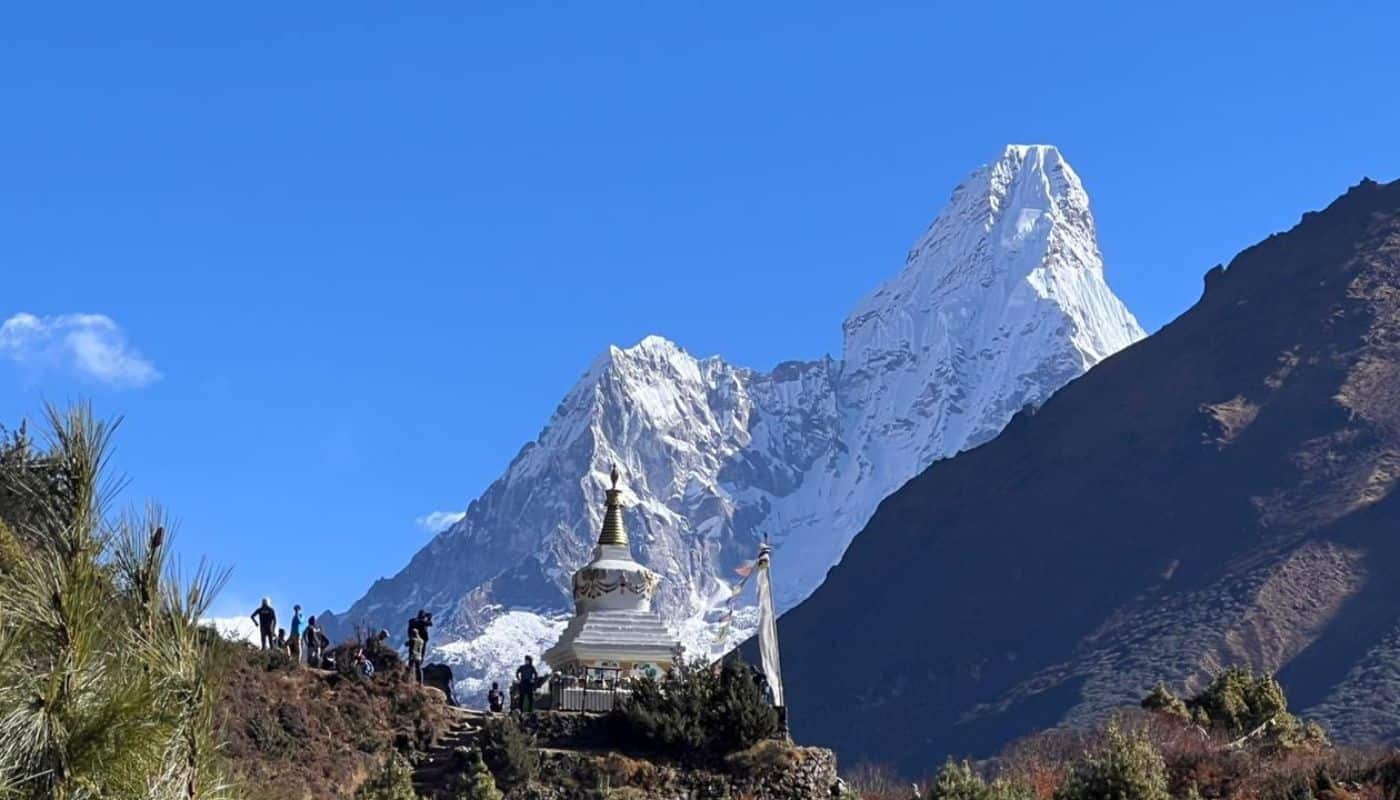
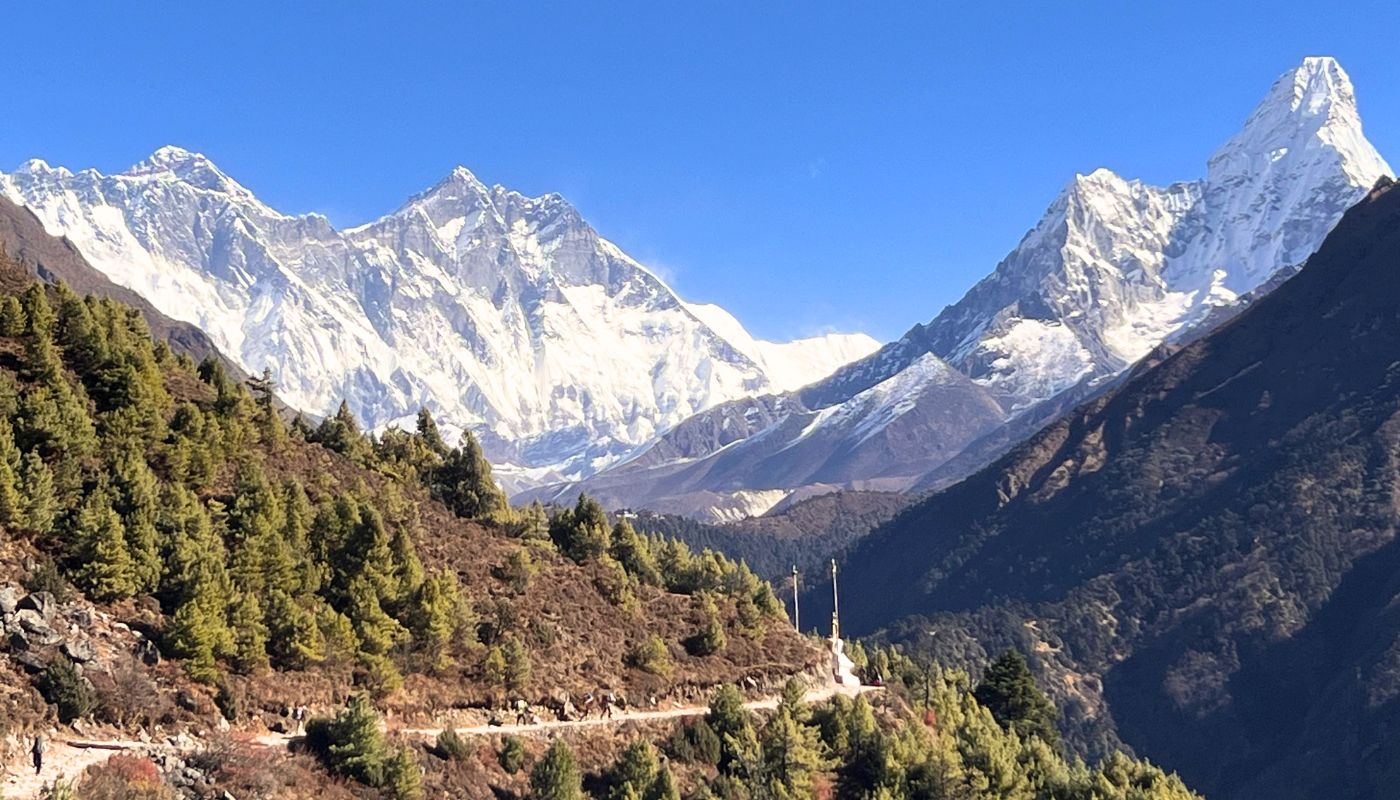
The peak is surrounded by some of the most iconic mountains in Nepal. To the north, it is dominated by the massive Lhotse (8,516 m), the fourth-highest mountain in the world. To the west, climbers can enjoy breathtaking views of Ama Dablam (6,812 m), known for its sharp ridges and stunning beauty. Other nearby peaks include Baruntse (7,129 m), Nuptsé, and Makalu in the distance, creating a dramatic Himalayan panorama from the summit of Island Peak.
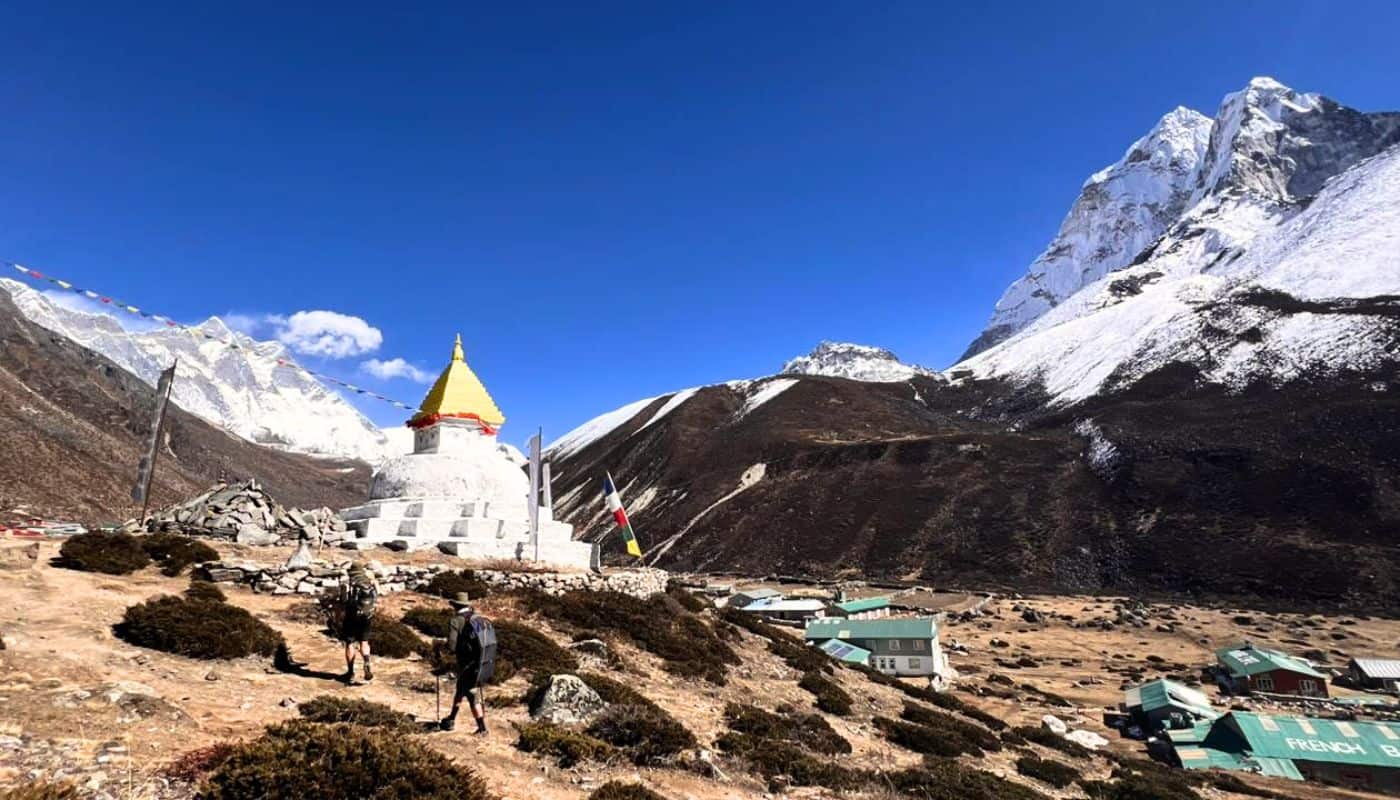
Island Peak rises from the Imja Valley, between the villages of Dingboche and Chhukung, which are common acclimatization stops for climbers. From Dingboche, the peak appears like an island surrounded by a sea of ice, which is how it got its name during the British Everest expedition in 1953. Due to its accessible location, moderate difficulty, and spectacular mountain views, Island Peak is considered one of the best trekking peaks in Nepal for climbers seeking their first high-altitude Himalayan summit.
Why Choose Island Peak for First Peak Climbing
Island Peak is one of the best choices for first-time peak climbers in Nepal because it offers a perfect balance between trekking and mountaineering. The climb is classified as moderate, making it suitable for beginners who have basic mountaineering knowledge and good physical fitness. Unlike very technical peaks, Island Peak allows climbers to learn and practice essential climbing skills such as using crampons, ice axe, fixed ropes, and ascenders, under the guidance of experienced climbing guides.
Another reason Island Peak is ideal for first peak climbing is its well-planned acclimatization route. The approach follows the classic Everest region trekking trail, giving the body enough time to adjust to high altitude before the summit push. This greatly reduces the risk of altitude sickness and increases the chances of a successful summit. The trekking days also help build stamina, which is important for the long summit day that starts early in the morning.
Island Peak also offers an incredibly rewarding summit experience. From the top, climbers are rewarded with close-up views of Lhotse, Ama Dablam, Nuptse, Makalu, and Baruntse, which makes the effort worthwhile. The sense of achievement gained from reaching a 6,189-meter Himalayan peak builds confidence and prepares climbers for higher and more technical mountains in the future. For these reasons, Island Peak is widely recommended as a training and introductory peak for aspiring mountaineers aiming for bigger Himalayan expeditions.
Island Peak Climbing Success Rate
The Island Peak Climbing success rate is generally high compared to other Himalayan peaks, especially when climbed during the best seasons of spring (March-May) and autumn (September-November). In these months, stable weather, clear skies, and safer snow conditions greatly improve summit chances. Most well-organized expeditions during peak seasons report a success rate of around 70 to 85%, depending on group preparation and conditions.
Physical fitness and proper acclimatization play a major role in summit success. Climbers who follow a gradual trekking itinerary, take acclimatization days seriously, and maintain good hydration have a much higher chance of reaching the summit. Since Island Peak involves long trekking days and a demanding summit push at high altitude, strong mental endurance is just as important as physical strength.
Another key factor affecting the success rate is professional guide support. Experienced climbing guides fix ropes on steep sections, manage safety on crevasses, and provide technical assistance during the final ascent. Climbers with basic mountaineering training and guided support are far more likely to summit safely than those attempting the climb with limited preparation. Weather changes, altitude response, and personal health can still affect outcomes, but with the right season, training, and support, Island Peak remains one of the most achievable and successful trekking peaks in Nepal.
Technical Skills Needed for Island Peak Climbing
Island Peak climbing requires basic to moderate mountaineering skills, making it suitable for climbers who are new to Himalayan peak climbing but physically fit. The most technical part of the climb is the final summit section, where climbers must cross a glacier, navigate crevasses, and ascend steep snow and ice slopes using fixed ropes.
Climbers must know how to properly use an ice axe for balance and self-arrest on icy terrain. Crampons are essential for walking safely on snow and ice, especially on the glacier and steep summit ridge. The ability to clip into a fixed rope using a safety harness is crucial, as guides fix ropes on difficult sections to ensure safe ascent and descent. Climbers also need to use an ascender (jumar) to move upward on fixed ropes during the steep headwall section below the summit.
Although Island Peak does not require advanced technical climbing experience, prior practice with these tools greatly increases safety and confidence. Many climbing operators provide pre-climb training at base camp, where climbers learn and refresh essential skills before the summit attempt.
Equipment and Gear List for Island Peak Climbing
Having the right equipment is very important for a safe and successful Island Peak climb. The gear list can be divided into personal gear, technical climbing gear, and clothing and accessories.
Personal Gear
Personal gear ensures comfort and safety during trekking and climbing. This includes a good-quality backpack, sleeping bag rated for -20°C, trekking poles, headlamp with spare batteries, water bottles or hydration system, sunscreen, sunglasses, personal medications, and basic toiletries. A first-aid kit and reusable water purification tablets are also highly recommended.
Technical Climbing Gear
Technical gear is essential for the summit day and glacier travel. This includes a climbing harness, helmet, ice axe, crampons, ascender (jumar), carabiners, figure-eight or belay device, and safety slings. Most trekking agencies provide shared climbing equipment such as ropes, snow stakes, and ice screws, but personal fit items like harness and crampons should be checked carefully.
Clothing and Accessories
Proper clothing protects climbers from extreme cold and changing mountain weather. Climbers should carry thermal base layers, fleece or insulated mid-layers, a down jacket, waterproof and windproof jacket and pants, trekking pants, and climbing trousers. Accessories include warm gloves, mittens, woolen hat, neck gaiter, sun hat, high-altitude mountaineering boots, gaiters, and thermal socks. Good-quality clothing helps maintain body heat and improves overall climbing performance.
With the right technical skills and proper equipment, Island Peak climbing becomes safer, more comfortable, and highly rewarding, especially for first-time Himalayan peak climbers.
