
Helambu Trek
 (598 reviews in Google)
Overview of Helambu Trek
The Helambu Trek, also known as the Helambu Valley trek is an accessible trek that lies about 70 km northeast of the Kathmandu Valley.
Helambu Trekking by Nepal Hiking Adventures is a relatively low altitude trek. The trek takes you to the green hills around the Kathmandu valley.
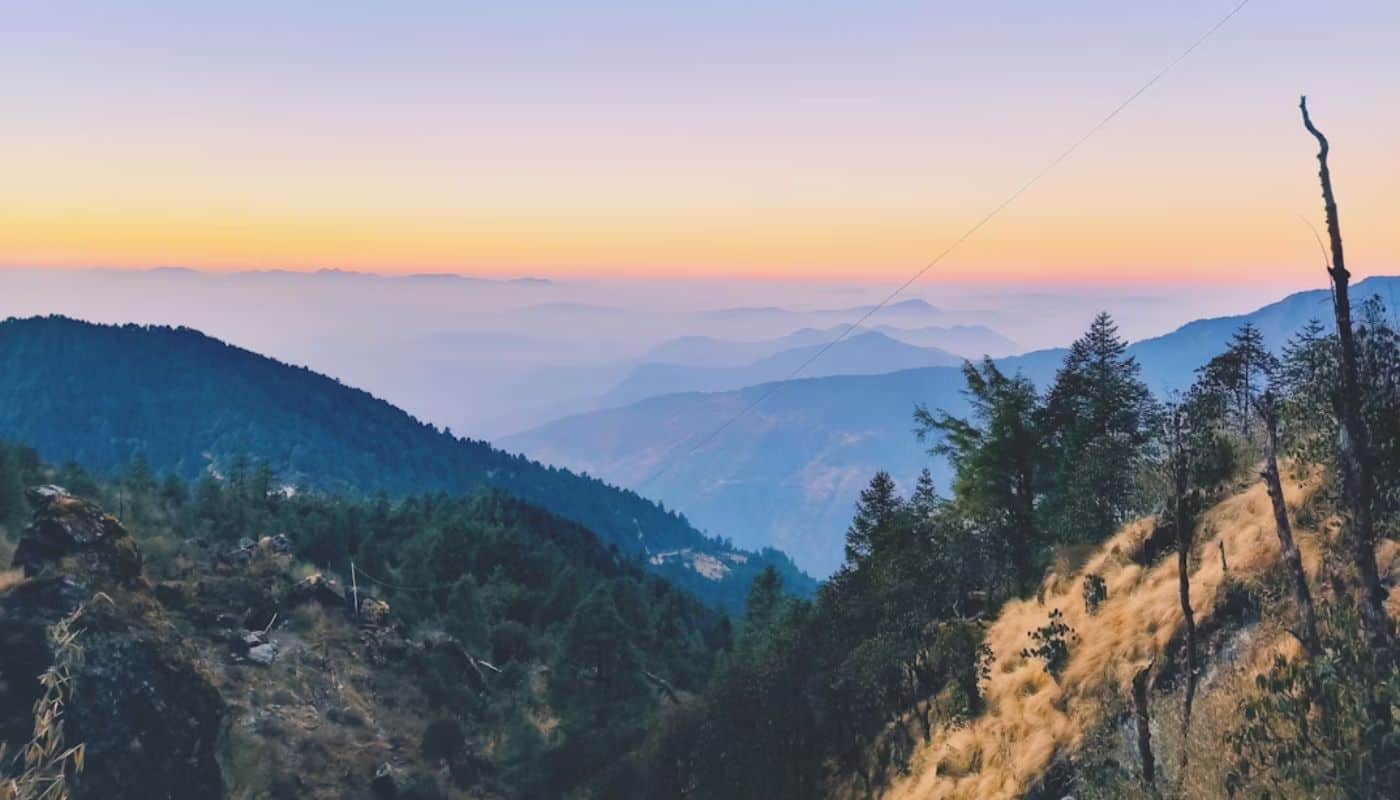
These are the hills that separate Kathmandu from the lofty Himalayas. These hills are home to some of the most wonderful forests. The forests harbor old oak and rhododendron trees. You will also trek to various farmlands as well as high ridges along the way.
Walk across the gushing rivers that originate from the snow-capped Himalayas. Following the popular Langtang Trek routes, you will walk into the Tamang and Sherpa settlements. These people are followers of Buddhist cultures. You can get an insight to the unique culture and traditions in these villages.
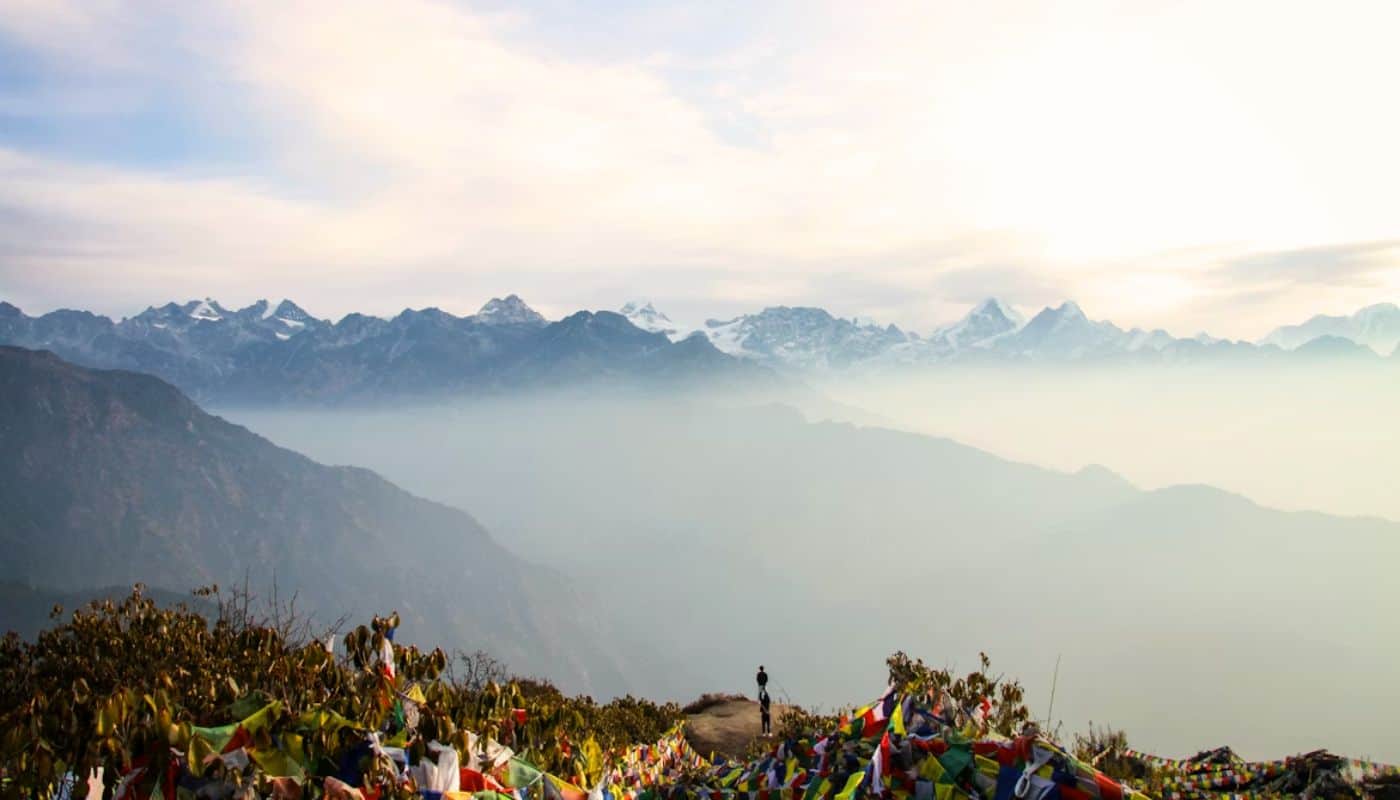
Helambu Circuit trek gives you some mesmerizing views of the surrounding mountains. You will also see beautiful views of the Langtang Valley and the Langtang range. The views of snowy peaks like Langtang Lirung (7,227 m), Dorje Lakpa (6,966 m), and Jugal are amazing.
Helambu trekking by Nepal Hiking Adventures starts from Sundarijal. Sundarijal is 1 and a half hours of drive from Kathmandu. From there, you will trek to the wonderful trails along the Shivapuri National Park.
After trekking in some of the picturesque villages in the Helambu region, you will get to Melamchi Pul Bazar. From there, you will be heading out to Kathmandu in a bus ride. The highest point along the Helambu Trek 6 Days is the village of Tharepati (3,567 m). Tharepati is a beautiful village. From there, you can see the great views of Dorje Lakpa, Gaurishanker, and Langtang Himal. You can also add Gosaikunda Lake Trek as it falls in same Langtang Region.
Highlights of Helambu Trek
- Trek in the Shivapuri National Park
- Panoramic mountain views of Ganesh Himal Massif (7,422 m), Langtang Himal, and Rolwaling Range.
- Explore traditional Helambu villages like Kutumsang (2,470 m), Tharepati (3,597 m), Tarke Gyang (3,000 m), and Sermanthang (2,500 m).
- Learn the culture of Tibetan Buddhism.
- An easy, yet a rewarding trek
- Witness panoramic sunrise and sunset views from Tharepati and Tarke Gyang.
Drive from Kathmandu to Sundarijal (1,300 m), and trek to Chisapani (2,194 m), Overnight at the Guest House.
Today will be the start of your trek. After having breakfast in your hotel, you will first drive to Sundarijal. The drive to Sundarijal (1,300 meters) is 40 minutes long.
Along the way, you will also pass the renowned Buddhist monastery of Boudhanath. The periphery of the Bouddhanath monastery is also known as Little Tibet. Its gigantic Buddhist Chaitya or Stupa with the encompassing eyes of Lord Buddha are famous all over the world.
The track from Boudhanath to Sundarijal is off-road. Sundarijal is a wonderful spot. It is set amidst a nice patch of forest. It also has wonderful waterfalls which makes it a great spot for a picnic.
As you start your trek from Sundarijal, you will find that the trail takes you along a steep uphill. After trekking for an hour or so, you will get to the entrance of Shivapuri National Park. The trail then takes you along a steep flight of stairs to Mulkharka.
Trekking past rural farm fields, cool forests, and villages, you will get to Chisapani (2,194 meters). Chisapani Danda lies at the top of a beautiful hill. It is also one of the most popular short trekking destination in Nepal.
The trek to Chisapani is approximately 4 hours long. Chisapani houses 4-6 teahouses. There is also an army camp right by the side of Chisapani. From Chispani, you can see delightful views of various mountains like the Jugal Himal range, Ganesh Himal, Manaslu, and Annapurna. Beautiful hills circle Chisapani Danda. It also is a good vantage point to see the valleys down below and the sunrise.
Accomodation: Lodge
Duration: 6-7 hours (including 40-60 min drive & 4-5 hours trek)
Ascent: +900 m
Distance: Around 12 km
Trek from Chisapani (2,194 m) to Kutumsang (2,470 m), Overnight at the Guest House
Today, you will head out to Kutumsang (2,470 meters), which lies in the Helambu district. This 5-6 hours trek is the toughest in this Helambu Trekking.
You will descend to rivers as well as trek some steep uphills to top of ridges. The first village bazaar you will encounter is that of Pati Bhanjyang. As you walk past farm villages with good landscape views and trek past gradual winding tracks, you will get to the Sherpa village of Thankune Bhanjyang.
Trekking further, you will get to terraced fields along with tracks into the forests of this region. Then, you will get to another Sherpa village of Chipling before reaching the Tamang village of Thotong. From Thotong, you will trek uphill for one and a half hours to reach a ridge at 2,580 m/8,500 ft. The ridge gives you good views of the surrounding landscape. A downhill trek of 45 minutes from this ridge and you will reach your overnight stop at Kutumsang.
Accomodation: Lodge
Duration: 5-6 hours trek
Meal: Breakfast, Lunch, Dinner
Ascent: +280 m
Distance: Around 10 km
Trek from Kutumsang (2,470 m) to Tharepati (3,597 m), Overnight at the Guest House
Today, you will gain an altitude of 1200m as you head out to Tharepati (3,597 meters). The trek today is 5 hours long. Tharepati is also the highest point in your trek. The initial part of the trek takes you to the ridgeline of the Yurin Danda. Along the way, you will walk past isolated farms. Patches of fir and rhododendron circle around these farms.
You will also get the first views of the Langtang range, Gosaikunda peak and Jugal Himal to the as you trek along. You will further trek uphill to Mera Danda through some eroded tracks. Then you will descend to the small village of Mangin Goth. Eventually, you will get to Tharepati after trekking past Thare Danda ridge. Tharepati is set amidst some of the most beautiful panoramic views of the Langtang Ranges.
Accomodation: Lodge
Duration: 5-6 hours walk
Meal: Breakfast, Lunch, Dinner
Ascent: +1,130 m
Distance: Around 12 km
Trek from Tharepati (3,597 m) to Tarke Gyang (3,200 m), Overnight at the Guest House
As you trek just above the village, you will get to a ridge. This ridge is a fantastic place to catch mesmerizing views of the rising sun. The rays of the sun hit the mountains like Dorje Lakpa, Langshisha Ri, the Tserko group, the Langtang Lirung (7,227 m/23,712 ft), Shisha Pangma (8,046 m/26,400 ft) quite beautifully.
After that, you will head towards the east before trekking down a steep downhill through an old pine forest. This will take you to a ravine. Walking further, you will get to the spine of a ridge. The trail then heads downwards towards Melamchi Gaon, which is a large Sherpa village. Melamchi village is an agriculturally prosperous area. It is also home to a nice gompa.
From Melamchi Gaon, you will trek to Melamchi Khola. You will cross it on a bridge. You will then ascend 600m as you trek to the eastern side of the valley. After trekking past various Buddhist villages like Nakote, Dozum, and Chiri, you will eventually get to Tarke Gyang. This village gets its name from a monastery of the same name. This is also the oldest monastery in the Helambu region. The trek to Tarke Gyang (3,200 meters) is 5-6 hours long. There are many houses in these villages that lie quite close to each other. They give you a feel of villages in western Nepal.
Accomodation: Lodge
Duration: 5-6 hours walk
Meal: Breakfast, Lunch, Dinner
Ascent: +200 m
Descent: -597 m
Distance: Around 10 km
Trek from Tarke Gyang (3,200 m) to Sermathang (1,800 m), Overnight at the Guest House
On day 5 of Helambu Trek, you will trek southwest, where you will walk along forested trails that are gently sloped. You will trek past small streams, pastures, and quaint little settlements as you get to Setighyang. The trail then heads north to Ganja La pass. The walk to Ganja La pass is a bit strenuous. As you trek beyond the pass, you will join the Langtang trail.
Hiking further, you will get to Ghangyul. Finally, after trekking for 4-5 hours, you will reach the attractive settlement of Sermathang. Sermanthang is home to three large gompas. You can also catch mesmerizing views of the Jugal Himal, Dorje Lakpa and Gaurishankar to the east of Sermanthang.
Accomodation: Lodge
Duration: 4-5 hours walk
Meal: Breakfast, Lunch, Dinner
Ascent: +150 m
Descent: -1,550 m
Distance: Around 12 km
Trek from Sermathang (1,800 m) to Melamchi Pul Bazar (1,200 m), and Drive Back to Kathmandu
Today’s Helambu trek is one of the most gentle as you mostly trek downhill losing around 1,500 meters in altitude. As you leave the village of Sermanthang, you will pass quaint villages and settlements like Kakani and Thimbu. The vegetation also changes as you trek to a subtropical region. Melamchi Pul is approximately 5-6 hours of a trek away from Sermanthang.
Melamchi, which is one busy bazaar, sees a lot of villagers nearby stroll to this market area for grabbing necessary items.
From Melamchi, you will drive to Kathmandu on a 4-5 hours journey. The initial part of the drive takes place along dirt road after which you will get along the Tibet-Nepal Arniko Highway. You will drive in the highway that brings you to Dhulikhel, which is Newar town that lies to the eastern rim of Kathmandu Valley. You will cross other towns like Banepa and Bhaktapur on your way to Kathmandu from Dhulikhel.
Today concludes the 6 Days Helambu Trek, you will be reflecting on the memorable journey through lush forests, traditional Helambu villages, and panoramic Himalayan views.
Duration: 5-6 hours walk & 4-5 hours drive
Meal: Breakfast and Lunch
Ascent: +100 m
Descent: -700 m
Distance: 12 km trek & 115 km drive
Cost Includes
- Pick-up from Tribhuvan International Airport, Kathmandu, and drop-off after the trek.
- Lodges and guesthouses during the trek.
- Breakfast, lunch, and dinner provided during the trek.
- Experienced trekking guide for a safe trek.
- TIMS (Trekkers’ Information Management System) card and Helambu region permits.
- Transportation
- Basic first-aid.
- Duffel bag, Maps, and NHA T-Shirt (You can visit our office to get these.)
- VAT, local Tax and company service charge
Cost Excludes
- International or domestic airfare.
- Personal expenses (e.g., bottled water, snacks, souvenirs, hot showers).
- Travel insurance.
- Tips for guides and porters.
- Any helicopter rescue or medical evacuation costs.
- Alcoholic beverages or soft drinks.
- Any additional sightseeing or excursions outside the itinerary.
Temperature Chart
Altitude Chart
Useful Info
Helambu Trek Difficulty
Helambu is a moderate level trek that is easily accessible from Kathmandu.
The trekking trails are easy and well-defined. The number of trekking days are few and the altitude gains are also less. All these factors make the Helambu Trek an easy one.
You will trek for merely 6 days. On these days, you will trek for an average of 5 hours a day. As the altitude gains are also quite low, you won’t encounter steep uphills and downhills.
The highest point of this trek is 3,597 meters. This altitude makes you less likely to get altitude sickness. But good preparation is always the best way to avoid getting into any problems during the trek.
Best Season for Helambu Trek
The Helambu Trek is accessible throughout the year, but the best seasons to undertake this journey are Autumn (September-November), Spring (March-May), and Winter (December-February).
Autumn (September-November): Autumn is the most popular season for Helambu Trekking. The weather is stable, skies are clear, and the trails are in excellent condition, offering stunning views of the Langtang, Ganesh Himal, and Rolwaling ranges. Temperatures are moderate, ranging from 6°C to 25°C, making it perfect for long trekking days. The forests and villages are vibrant, and the post-monsoon season reduces the risk of landslides or slippery trails.
Spring (March-May): Spring is another ideal season for Helambu Trek. During this time, the rhododendron forests along the trail are in full bloom, covering the hillsides in shades of red, pink, and orange. Wildlife becomes more active, and the weather is generally mild and comfortable, with temperatures between 8°C and 22°C. Spring trekking also offers spectacular views of snow-capped peaks and green valleys, making it a favorite for photographers and nature lovers.
Winter (December-February): Winter is perfect for trekkers who enjoy quieter trails and a more serene experience. Although temperatures can drop to -5°C at higher elevations, lower-altitude villages remain relatively mild. Snow-covered landscapes provide a magical view of the Himalayas, and the skies are often exceptionally clear. With fewer trekkers, you can enjoy a peaceful and undisturbed trekking experience.
Autumn and Spring are the best for clear skies, moderate temperatures, and blooming forests, while Winter is ideal for solitude and snow-covered landscapes. Regardless of the season, the Helambu Trek provides breathtaking views, cultural immersion, and a memorable Himalayan experience.
Tharepati: The Highest Point of Helambu Trek
Tharepati, situated at an altitude of 3,567 meters, is the highest point of the 6 Days Helambu Trek. This charming highland village offers trekkers an incredible vantage point to enjoy panoramic views of the surrounding Himalayan ranges, including the Ganesh Himal, Langtang Himal, and Rolwaling Range. The village is a highlight for those trekking in the Helambu region, as it combines natural beauty with cultural richness.
Reaching Tharepati requires trekking through lush forests of rhododendron, oak, and pine, which are particularly stunning during the spring when the rhododendrons bloom in bright red and pink hues. Along the way, trekkers may also spot local wildlife, including colorful birds and the occasional Himalayan squirrel.
At Tharepati, trekkers experience traditional Helambu Tibetan-Buddhist culture. The village has several small teahouses and lodges where visitors can rest and interact with local Sherpa families. Staying overnight in Tharepati allows you to witness spectacular sunrise and sunset views over the Helambu valley, creating a memorable Himalayan experience.
Because of its altitude, trekkers should take necessary precautions to avoid altitude sickness, stay hydrated, and move at a steady pace. Tharepati serves as both a resting point and a scenic highlight, making it a must-visit destination during the 6 Days Helambu Trek.
You can also combine Langtang Trek and Gosaikunda Pass with Helambu Trek
Combining the Langtang Trek, Gosaikunda Pass, and Helambu Trek offers an unforgettable Himalayan adventure that blends stunning landscapes, cultural experiences, and spiritual highlights in one journey. Starting with the Langtang Trek, you will trek through lush forests of rhododendron, pine, and bamboo, witness pristine rivers, and enjoy spectacular views of towering peaks like Langtang Lirung and Ganesh Himal.
From there, the Gosaikunda Pass introduces you to high-altitude trekking, taking you to the sacred Gosaikunda Lake at 4,380 meters, along with surrounding lakes like Bhairav Kunda and Surya Kunda.
Crossing the Lauribinayak Pass provides panoramic views of the Langtang, Ganesh, and Annapurna ranges, making it a haven for photographers and nature lovers.
Finally, the Helambu Trek immerses you in Tibetan-influenced villages such as Tharepati, Kutumsang, and Tarke Gyang, where you can experience local culture, monasteries, and traditional cuisine.
By joining these three treks, trekkers get a perfect balance of moderate and challenging trails, spiritual exploration, and cultural immersion, all within a single trip. This combination is ideal for travelers looking for Nepal trekking packages that cover both high-altitude adventure and cultural richness that makes it one of the most rewarding trekking experiences in the country.
FAQ
Which seasons are best for the Helambu Trek?
The best seasons are Autumn (September-November), Spring (March-May), and Winter (December-February). During these months, the skies are clear, temperatures are moderate, and landscapes are vibrant with flora and fauna.
Can the Helambu Trek be combined with Langtang or Gosaikunda Pass Treks?
Yes, trekkers often combine Helambu Trek with Langtang Trek or Gosaikunda Pass Trek for a longer adventure. This allows you to explore multiple regions and high-altitude lakes in one trip.
How is the weather on the Helambu Trek?
Weather is generally cool and dry in autumn and spring. Winter brings snowfall at higher altitudes. Temperatures range from 0°C to 20°C, depending on altitude and season.
Can the Helambu Trek be customized with extra days?
Absolutely! You can extend the trek to 7-8 days to include nearby regions, cultural villages, or even combine with Langtang or Gosaikunda Pass Trek for a more comprehensive adventure.
What is the Helambu Trek and why is it famous?
The Helambu Trek is a short, scenic trek in the Shivapuri National Park, north of Kathmandu. Famous for its stunning views of the Langtang and Ganesh Himal ranges, Tibetan Buddhist culture, and picturesque villages like Tharepati, Kutumsang, and Tarke Gyang, it is ideal for beginner and intermediate trekkers.
What is the highest point on the Helambu Trek?
The highest point is Tharepati (3,567 m), offering panoramic views of the Langtang and Rolwaling ranges. It’s a rewarding vantage point for photography and sunrise views.

Our History in Service Excellence