
Gosaikunda Lake Trek
 (598 reviews in Google)
The Gosaikunda Lake Trek by Nepal Hiking Adventures takes you to the Helambu Region. This trek offers you some delightful views of the high Himalayas that lie to the north and the central-western part of Kathmandu valley. Gosaikunda Trekking follows popular routes of Langtang Valley Trek.
The Gosaikunda Trek offers stunning views of the towering Himalayas, stretching across an impressive 150 km. Along the trek, you can see the Annapurna range to the west and Langtang Lirung (7,227 m) to the north. To the northwest, the trail showcases Ganesh Himal and Shisha Pangma (8,046 m), a majestic peak in Tibet.
Trekking through the Gosaikunda region, you will pass lush bamboo, rhododendron, and pine forests, which burst into vibrant red hues during spring. Seasonal flowers add bursts of color throughout the year, and trekkers may encounter fascinating flora and fauna, including the rare red panda.
A highlight of the Gosaikunda 10 Days Trek is crossing the famous Gosaikunda Pass, also known as Lauribinayak Pass, historically considered difficult without the aid of a stick (Lauri). This pass provides a perfect vantage point for spectacular sunrise and sunset views, along with panoramic sights of the Annapurna range and even the distant Everest.
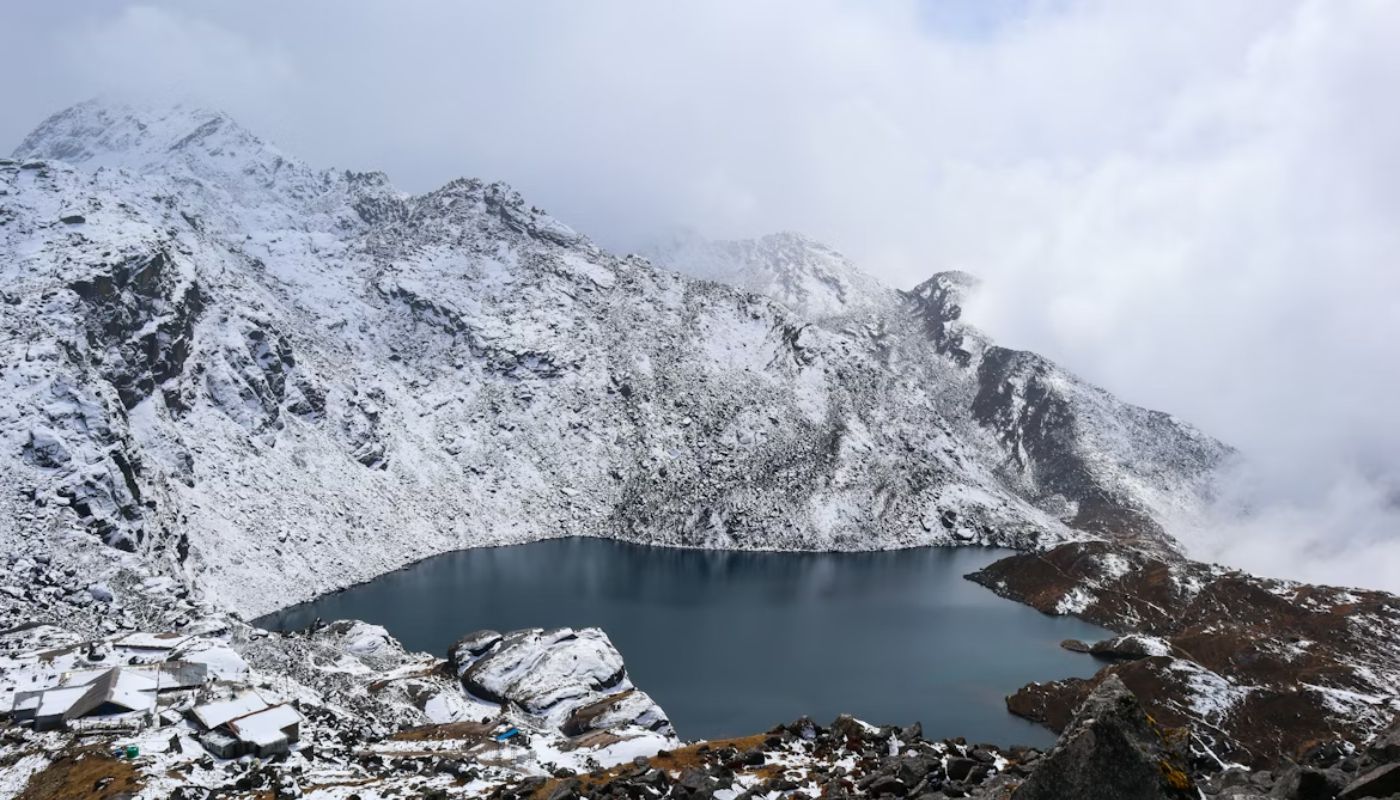
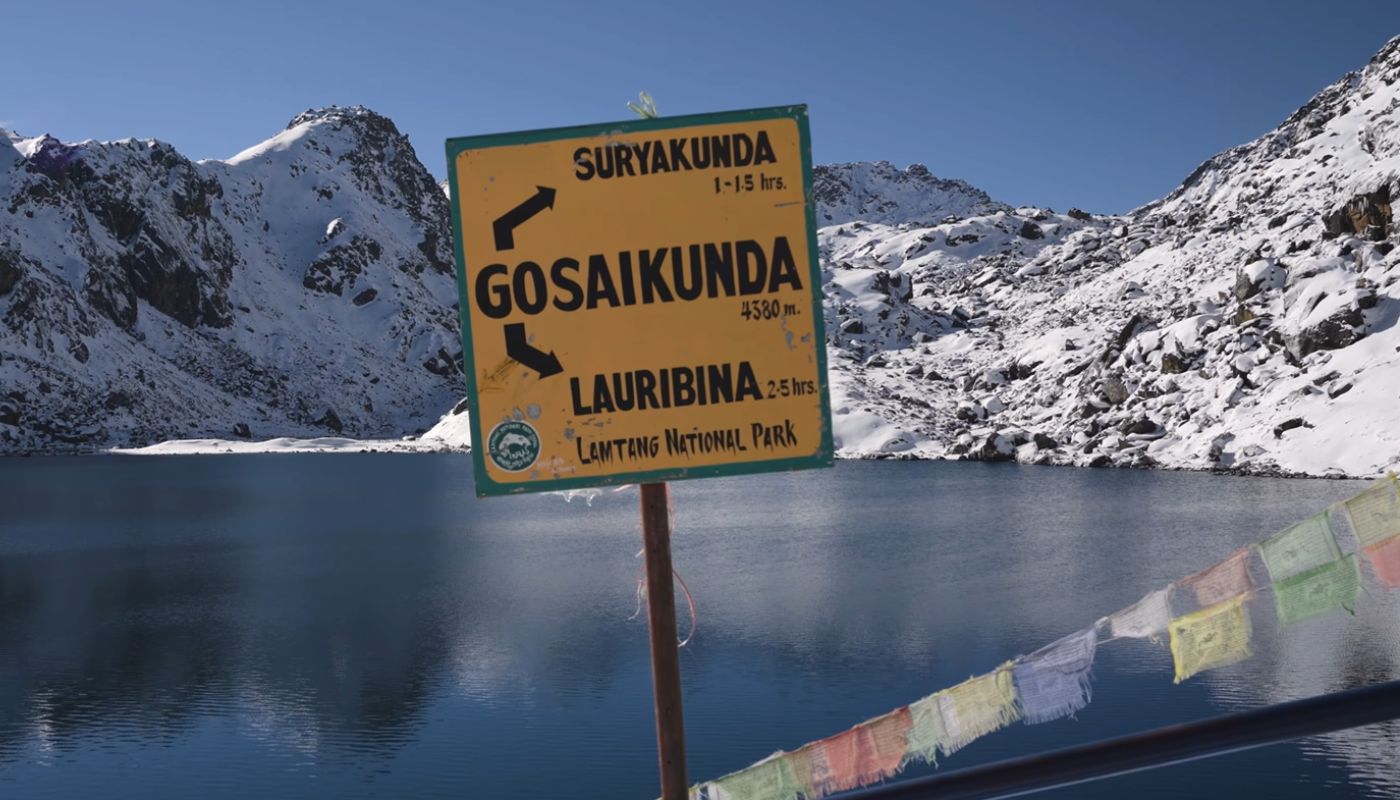
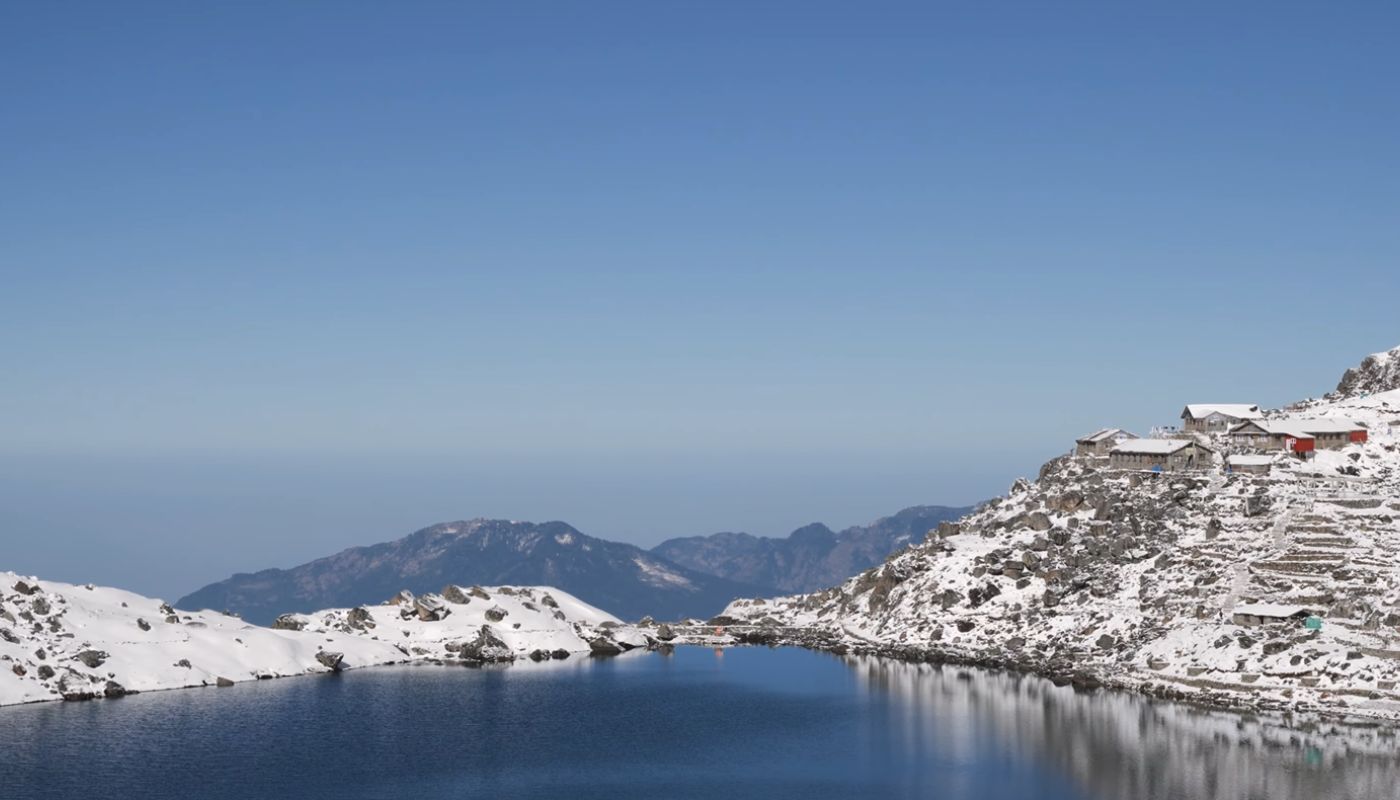
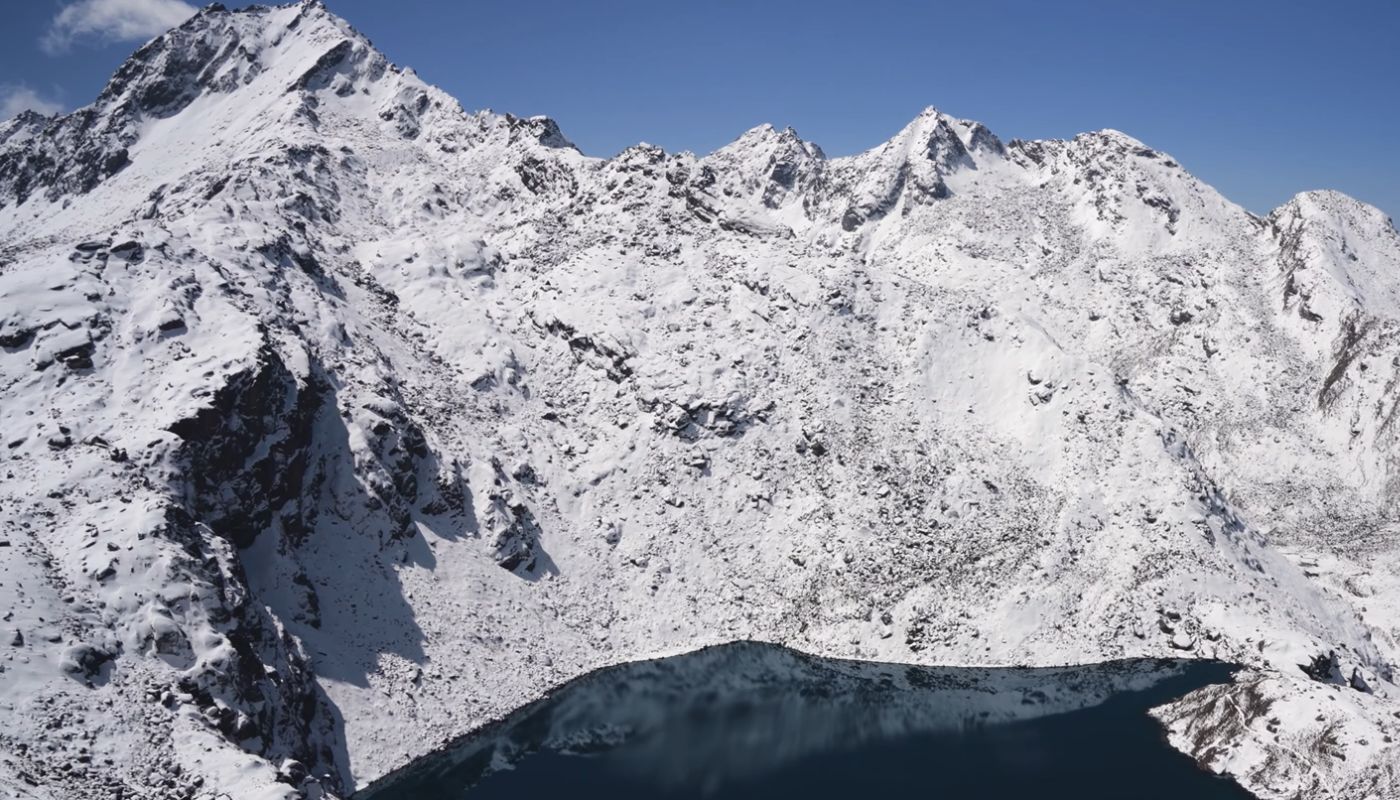
The trek also offers rich cultural experiences, taking you to sacred sites such as the holy Gosaikunda Lake, where you can learn about Buddhist and Hindu traditions. Along the way, you will also see nearby lakes like Surya Kunda and Bhairav Kunda, and pass thrilling waterfalls and fast-flowing rivers. Another key attraction is Sing Gompa in the Helambu region, known for its spiritual and cultural significance.
From Sing Gompa, the trail continues through scenic villages like Kutumsang, before moving into the Langtang Helambu region. The 10 Days Gosaikunda Lake trek concludes with a relaxing bus ride from Dhunche back to Kathmandu Valley, completing an unforgettable Himalayan adventure.
You can also do a beautiful trip on this journey, which is the UNESCO Sightseeing Tour of Kathmandu. You can do sightseeing as a add-ons before you begin your trekking journey.
Highlights of Gosaikunda Lake Trek
- A trip to the holy lake of Gosaikunda
- Explore not only Gosaikunda but also Bhairav Kunda, Surya Kunda, and other high-altitude lakes known for their serenity and religious significance.
- Trek through the rhododendron forests of the Langtang Area
- Visit Sing Gompa, a famous Gompa in the Helambu region
- Cross the iconic Lauribinayak (Gosaikunda) Pass, which offers stunning sunrise and sunset views over the mountains.
- Trek along picturesque villages like Kutumsang, Tharepati, and Dhunche
- Majestic views of the Langtang, Annapurna, and Mahalangur range.
- Witness breathtaking 360° views of some of the highest peaks, including Langtang Lirung, Ganesh Himal, and the distant Everest range.
- Challenge yourself with trekking at altitudes up to 4,380 meters (Gosaikunda Lake), giving a sense of adventure for moderate to experienced trekkers.
Arrive at Kathmandu and transfer to Hotel
You will arrive at the Tribhuvan International, Kathmandu. After you get outside the airport terminal, you can meet the representatives of Nepal Hiking Adventure. They will hold a display sign that reads “ Nepal Hiking Adventure”. This will make it easier for you to find them.
The representatives will also help you transfer to your hotel in a private transport. The rest of the day can be spent relaxing in your hotel after a long flight. You also have the option of exploring the some beautiful small towns this day.
Accomodation: Hotel
Duration: 30 min drive to hotel
Distance: Around 6 km
Drive from Kathmandu to Sundarijal (1,300 m) and trek to Chisapani (2,194 m), Overnight at the Guest House.
After having breakfast, you will first drive to Sundarijal (1,300 meters) on a 40-minutes ride. Sundarijal is the starting point of your trek.
The ride takes you past the renowned Buddhist monastery of Boudhanath. The areas that encircle this historical monastery is also called Little Tibet. Boudhanath Stupa, which has some encompassing eyes of Lord Buddha in all directions, as an emblem that is world-renowned.
The track from Boudhanath to Sundarijal is not a pitched road. Sundarijal, which is set amidst a nice patch of forest, is a wonderful natural spot for refreshment. The wonderful waterfalls in this place makes it a good picnic spot.
The initial trail from Sundarijal takes you along a steep uphill. A 1-hour trek and you will reach the entrance of Shivapuri National Park.
From there, the you will walk along some steep flight of stairs before you get to Mulkharka. From Mulkharka, you will walk through rural farm fields, cool forests, and villages, before you reach the overnight stay at Chisapani (2194 meters). Chisapani Danda lies atop of a hill. Many trekkers looking for a day or two’s hike choose to go to Chisopani Danda.
The hike from Sundarijal to Chisapani is around 4 hours long. Chisapani Danda has 4-6 teahouses along with an army camp nearby. You can also get to see some wonderful mountain views of Jugal Himal range, Ganesh Himal, Manaslu, and Annapurna from Chisopani Danda. It is also a good place to enjoy mesmerizing sunrise views as well as valleys down below.
Accomodation: Lodge
Duration: 4-5 hours trek & 40 minutes drive
Meal: Breakfast, Lunch, Dinner
Ascent: +900 m
Descent: -50 m
Distance: Around 11 km
Trek to Kutumsang (2,470 m) via Gul Bhanjyang (2,140 m), Overnight at Guesthouse.
Today, you will head out to Kutumsang (2,470 meters) on a 6-7 hours trek. Kutumsang lies in the Helambu district. The trek to Kutumsang is the toughest in the Helambu trekking.
On this day’s trek, you will descend to rivers, trek to some steep uphills, and reach beautiful vantage points along some ridges. Pati Bhanjyang is the first village bazaar you will get to today.
You will also encounter some beautiful farm villages that offer wonderful views of the landscape. As you trek through zig-zag paths, you will reach Gul Bhanjyang- a Sherpa village.
Terraced fields will also be visible today as the trek takes you along some lush forests before you get to another Sherpa village at Chipling. Next, you will reach the Tamang village of Thotong.
An uphill trek of one and a half hours takes you to the top of a ridge at an altitude of 2,580 m/8,500 feet. Beautiful surrounding landscape will be visible from the top of the ridge.
After trekking for 45 minutes along a downhill from this ridge, you will reach Kutumsang, which is your overnight stop.
Accomodation: Lodge
Duration: 6-7 hours trek
Meal: Breakfast, Lunch, Dinner
Ascent: +850 m
Descent: -550 m
Distance: Around 13 km
Trek from Kutumsang (2,470 m) to Tharepati (3,597 m), Overnight at the guest house.
Today, the trek to Tharepati (3,597 meters) is 4-5 hours long. You will gain an altitude of 1200m today. Tharepati is also the place with the highest altitude in your trek.
Firstly, you will get to the ridgeline of Yurin Danda as you trek past isolated farms. You will also be able to enjoy the patches of fir and rhododendron circling around these farms.
On way way to Tharepati, you will see Langtang range, Gosaikunda peak and Jugal Himal. Trekking further, you will get to Mera Danda as you trek through eroded tracks.
Now, you will descend to the small village of Mangin Goth. Finally, after trekking past Thare Danda ridge, you will reach Tharepati. This beautiful settlement is home to some brilliant panoramic views of the Langtang Ranges.
Accomodation: Lodge
Duration: 4-5 hours trek
Meal: Breakfast, Lunch, Dinner
Ascent: +1,127 meters approx.
Distance: Around 12 km
Trek Tharepati (3,597 m) to Phedi (3,630 m), Overnight at guesthouse.
Today, you will be heading out from Tharepati to Phedi. Initially, the trail to Phedi descends. It then takes you to the mountainside. After that, the trail winds as you trek past various rhododendron forests.
After trekking for 5-6 hours, you will reach Phedi. Phedi is home to a small chorten built to pay homage to a Japanese who died here. The accident took place in 1992 when a Thai Airways Airbus crashed into a mountainside.
Accomodation: Lodge
Duration: 5-6 hours trek
Meal: Breakfast, Lunch, Dinner
Ascent: +150 m
Descent: -100 m
Distance: Around 10 km
Trek from Phedi (3,630 m) to Gosaikunda (4,380 m), Overnight at Guesthouse
On day 6 of Gosaikunda Lake Trek, you will trek to Gosaikunda, which stands at an altitude of 4,380 m, and it will take merely 4-5 hours long to reach Gosaikunda. However, the trek is a steep one. You will be trekking up into the mountains as you cross the Laurebina Pass.
As you trek past the pond, you will get to Gosainkunda pass or Laurebina La pass (4,600 meters). This pass is also the highest altitude you will climb in Gosaikunda Trek.
The trail then takes you along a descent for half an hour before you reach Saraswati and Bhairav Kunda. These are the first lakes you will reach in this region.
A gentle trek from these ponds and you will get to Gosainkunda for your overnight stop. Your resting place is near the Gosaikunda pond.
The full moon in August is when Gosaikunda sees a lot of pilgrims. Hindu devotees also take a bath in this holy pond. Faithful believe that a bath in this pond washes the sins of a person away and takes you to heaven.
Accomodation: Lodge
Duration: 4-5 hours trek
Meal: Breakfast, Lunch, Dinner
Ascent: +700 m
Descent: -50 m
Distance: Around 8 km
Trek from Gosaikunda (4,380 m) to Sing Gompa (3,584 m), Overnight at Guesthouse
After spending peaceful and memorable moments around the holy Gosaikunda Lake, your journey continues as you begin descending toward lower altitudes. Today’s destination is the charming village of Sing Gompa (Chandanbari). The trail starts with a short ascent up to the Lauribina La ridge, offering breathtaking Himalayan views one last time before you head down. From the ridge, the path gradually becomes a steady downhill walk through tranquil forests and open landscapes, making the hike pleasant and enjoyable.
The trek from Gosaikunda to Sing Gompa takes around 4-5 hours, passing through rugged terrain, pine and rhododendron forests, and sections with panoramic views of the snow-capped mountains. As you approach Sing Gompa, the first buildings you’ll encounter are its well-known cheese factories, famous for producing high-quality yak cheese in the Langtang region.
Sing Gompa is a peaceful village that offers magnificent views of the Langtang Range, Ganesh Himal, and nearby hills. It is also home to a historic monastery, giving the area a spiritual atmosphere. The fresh mountain air, serene surroundings, and traditional Tibetan-style houses make Sing Gompa a perfect spot to rest and relax before continuing your trek.
Accomodation: Lodge
Duration: 4-5 hours trek
Meal: Breakfast, Lunch, Dinner
Ascent: +100 m
Descent: -850 m
Distance: Around 9 km
Trek from Sing Gompa (3,584 m) to Dhunche (2,030 m), Overnight at Guesthouse
After enjoying the serene atmosphere at Singh Gompa, your Gosaikunda Trek continues as you head toward Dhunche, your overnight stop. The day starts with breakfast at the guesthouse, followed by a trek through thick pine and rhododendron forests, which provide a refreshing mountain ambiance. As you walk further, you will reach the base of the surrounding high hills and cross a small traditional bridge over a local stream.
The trek from Singh Gompa to Dhunche takes approximately 5-6 hours, gradually descending through scenic landscapes. The final section leads to a motorable road, after which a short uphill walk brings you into Dhunche village, where you will spend the night. Dhunche offers stunning panoramic views of the Langtang Himal, making it a perfect vantage point to appreciate the grandeur of the Rasuwa district. This section of the Gosaikunda Trek provides trekkers with a mix of forested trails, cultural encounters, and spectacular Himalayan vistas.
Accomodation: Lodge
Duration: 5-6 hours trek
Meal: Breakfast, Lunch, Dinner
Ascent: +150 m
Descent: -1,550 m
Distance: Around 13 km
Drive from Dhunche (2,030 m) to Kathmandu (1,400 m) by Bus
Today, you will head back to Kathmandu on a bus. The distance between Kathmandu and Dhunche via roadways is around 130 kilometers.
Although this distance is not all that long, it will take around 6-7 hours for you to get to Kathmandu. This is because the road to Kathmandu is not straight. There are winding roads to Kathmandu as there are many hills that you have to circle to get to Kathmandu.
Accomodation: Hotel
Duration: 6-7 hours drive
Meal: Breakfast and Lunch
Ascent: +200 m
Descent: -900 m
Distance: Around 130 km
Final Departure from Kathmandu (1,400 m)
On the final day of your Gosaikunda Trek, you will be transferred from your hotel in Kathmandu to Tribhuvan International Airport for your onward journey. After a hearty breakfast, the trip back to the airport is a short drive of approximately 5-7 km. Please check that you have safely kept your air ticket and other travel documents before departure to the airport. Nepal Hiking Adventure wishes you have a great flight back home.
This marks the end of your memorable 10-day Gosaikunda Trek, where you experienced pristine alpine lakes, Langtang Himalayan views, traditional villages, and vibrant local culture. Travelers can reflect on the serene landscapes and the adventure-filled journey through the Langtang Valley, carrying unforgettable memories of the Gosaikunda Trek in Nepal.
Nepal Hiking Adventure can also arrange other trips in Nepal. In case you want to book more trip in the upcoming future, Contact Us.
Accomodation: Lodge
Duration: 25-30 minutes drive to airport.
Meal: Breakfast
Distance: Around 6 km
Fixed Departure
Cost Includes
- Airport Transfers: Pick-up and drop-off at Kathmandu airport.
- Hotels in Kathmandu (before and after trek).
- Lodges/guesthouses along the trekking route.
- Breakfast in Kathmandu.
- Breakfast, lunch, and dinner during the trek.
- English-speaking guides familiar with local culture and trails.
- Trekking Permits and TIMS Card: Required for Langtang region trekking.
- Bus/jeep transfer from Dhunche to Kathmandu.
- Assistance during the trek for safety and health issues.
- Guidance on local culture, traditions, and religious sites.
- Taxes and Service Charges: All applicable fees included.
- Company T-shirt (You must visit our head office to collect your T-shirts before or after your trip.)
- First Aid kit.
Cost Excludes
- Travel to and from Nepal.
- Laundry, phone calls, souvenirs, and tips.
- Emergency helicopter evacuation.
- Soft drinks, tea, coffee, alcohol.
- Sightseeing or add-ons not mentioned in the itinerary.
- Extra Accommodation or Meals: Beyond the itinerary.
- Sleeping bags, walking sticks, or personal equipment.
- Tips for Guide and Porter (expected)
Temperature Chart
Altitude Chart
Useful Info
Best Time to Trek Gosaikunda
The best time to trek Gosaikunda is during spring (March to May) and autumn (September to November), when the weather is stable, skies are clear, and the mountain views are at their most spectacular. In spring, the trail is adorned with blooming rhododendrons and alpine flowers, creating vibrant landscapes along the Langtang region. Temperatures are moderate, making it comfortable for trekking at high altitudes, including Gosaikunda Lake (4,380 m) and Laurebina Pass (4,600 m). Autumn, on the other hand, provides crisp air, minimal rainfall, and panoramic vistas of the Langtang Himal and surrounding peaks, making it ideal for photography and long scenic walks.
While summer (June to August) coincides with the monsoon season, heavy rainfall can make trails slippery, rivers swollen, and certain sections prone to landslides, although the landscapes become lush and green after the rain. Winter (December to February) brings cold temperatures and occasional snowfall, especially above 3,500 meters, including at Gosaikunda Lake, which may freeze. Winter trekking offers a quiet, less crowded trail and crystal-clear skies, but trekkers must be prepared for sub-zero temperatures and limited daylight.
Choosing the right season is essential for a successful Gosaikunda Trek, as it influences trail conditions, accommodation availability, and overall trekking experience. For first-time trekkers or those seeking safer, more comfortable conditions, spring and autumn are highly recommended.
Gosaikunda Lake Trek Difficulty
Gosaikunda Lake trekking is a moderately difficult trek. You will trek for 7 days in total during the Gosaikunda Lake trekking. There are no rest or acclimatization days during this trek.
The trek takes place in the off-the-beaten-track of the Langtang region. The devastating Nepal earthquake-2015 damaged the trekking trails of the Langtang region. But now, the trails have recovered again. Langtang region is safe to trek again.
The trek takes you to the highest altitude of 4600 meters at Laurebina Pass. You will also spend a night in Gosaikunda which is over 4,00 meters in altitude. So you will have to prepare for altitude sickness.
You will have to prepare for a few months to make the difficult portions of the trek easy. This will involve some hiking practices or physical strengthening of your body.
Safety, Emergency, and Communication
While trekking the Gosaikunda Lake Trek in the Langtang region, safety should be a top priority. The trail passes through high-altitude areas, steep descents, and remote villages, so trekkers must be vigilant and well-prepared. Altitude sickness can affect anyone above 3,500 meters, especially near Gosaikunda Lake (4,380 m) and Laurebina Pass (4,600 m), so it’s important to ascend gradually, stay hydrated, and recognize early symptoms such as headaches, nausea, or dizziness.
Emergency preparedness includes carrying a basic first-aid kit, trekking poles for stability on steep sections, and wearing proper footwear to prevent slips and falls. Local lodges and tea houses often have first-aid supplies, but for serious conditions, evacuation may be necessary. Helicopter evacuation services are available in the Langtang region, making travel insurance with high-altitude coverage highly recommended.
Communication can be limited in remote parts of the trail. Mobile network coverage is generally available in larger villages like Dhunche and Sing Gompa, but may be weak or nonexistent near Gosaikunda Lake and high passes. Satellite phones or local SIM cards with better coverage in Nepal can help maintain contact. Always inform your guide or trekking agency of your planned route and expected arrival times, ensuring someone is aware of your location in case of emergencies.
Maintaining safety awareness, proper acclimatization, and reliable communication ensures a secure and enjoyable Gosaikunda Trek, allowing trekkers to focus on the breathtaking landscapes and cultural experiences of the Langtang Himal.
Trekking Challenges and How to Overcome Them
The Gosaikunda Trek in the Langtang region offers breathtaking views and unique cultural experiences, but trekkers may face several challenges along the trail. One of the main difficulties is steep ascents and long uphill sections, particularly when approaching Laurebina Pass (4,600 m) and during climbs toward Gosaikunda Lake (4,380 m). These stretches can be physically demanding, especially for beginners or those not accustomed to high-altitude trekking. To overcome this, trekkers should maintain a steady pace, take regular breaks, and use trekking poles to reduce strain on knees and legs.
Another challenge is narrow or rocky trails, which require careful footing. Wearing proper trekking boots with good grip and ankle support can prevent slips and injuries. Altitude sickness is also a common concern at high elevations; it can be mitigated by gradual ascent, proper hydration, avoiding alcohol, and listening to your body. If symptoms persist, descending to lower altitudes immediately is crucial.
Fatigue and energy management can affect trekking performance, especially during consecutive days of walking. Eating nutritious meals, carrying energy snacks, and ensuring adequate sleep at lodges or guesthouses can help maintain energy levels. Preparing physically before the trek with cardio exercises, leg strengthening, and endurance training can make these challenges more manageable.
By understanding potential difficulties and planning ahead, trekkers can safely navigate the Gosaikunda Trek while fully enjoying the stunning alpine lakes, panoramic Himalayan views, and cultural encounters along the Langtang Valley.
Packing List & Gear Essentials for Gosaikunda Lake Trek
Clothing:
- Waterproof trekking jacket and windproof outer layer
- Fleece or insulated jacket for warmth
- Quick-dry trekking pants and shirts
- Thermal base layers for high altitudes
- Warm hat, gloves, and scarf
- Trekking socks (multiple pairs)
- Sunglasses with UV protection
- Comfortable trekking shoes/boots with good grip
- Lightweight sandals or slippers for evenings in lodges
Trekking Gear:
- Trekking poles for stability
- Daypack (20 to 30 L) for essentials on the trail
- Water bottles or hydration system
- Headlamp or flashlight with extra batteries
- Sleeping bag suitable for cold temperatures
- Personal trekking permits and TIMS card
Personal Items:
- Sunscreen and lip balm with SPF
- Personal toiletries (toothbrush, toothpaste, wet wipes, hand sanitizer)
- Quick-dry towel
- First aid kit (bandages, blister pads, painkillers, altitude sickness medication)
- Water purification tablets or filter
- Camera or smartphone for photography
- Snacks and energy bars
Optional Items:
- Gaiters for snow or muddy trails
- Lightweight trekking shorts for warmer days
- Notebook or journal
- Power bank for electronics
- Binoculars for wildlife spotting
FAQ
Why is Gosaikunda Lake considered a holy site and what is its religious importance?
Gosaikunda Lake is one of Nepal’s most sacred Himalayan lakes, believed to be created by Lord Shiva after he struck the ground with his trident to cool down his burning throat. Every year thousands of Hindu and Buddhist pilgrims hike to Gosaikunda during Janai Purnima to worship the holy waters believed to cleanse sins and purify the soul.
How hard is the ascent to Laurebina Pass on the Gosaikunda Trek compared to other passes in Nepal?
Laurebina Pass (4,600m) is considered a moderately challenging Himalayan pass, easier than high passes like Thorong La but tougher than typical short treks. The steep climb from Gosaikunda to the pass requires stamina and proper pacing, but trekkers are rewarded with breathtaking 360° mountain views.
Can beginners complete the Gosaikunda Lake Trek without prior trekking experience?
Yes, beginners can successfully complete the trek if they maintain average fitness and prepare with short hikes. The trail is well-marked, and teahouses are available throughout the route. A guide is recommended for first-time high-altitude trekkers.
What makes the Gosaikunda Lake Trek unique compared to Langtang Valley Trek or Helambu Trek?
Gosaikunda Lake Trek is special because it combines holy lakes, high mountain passes, authentic Tamang villages, rhododendron forests, and snow-capped vistas in a shorter adventure. It also offers a rare blend of religious significance and Himalayan scenery in just 7-10 days.
Is Gosaikunda Lake frozen throughout the year and when is the best time to see it unfrozen?
Gosaikunda Lake remains frozen from December to late February, creating a stunning icy panorama. For trekkers who want to see the lake’s deep blue water, the best months are March-June and September-November.
Are there oxygen or medical facilities available on the Gosaikunda Lake Trek route?
Basic first-aid facilities and limited oxygen are available in Sing Gompa, Lauribina, and Gosaikunda lodges. For serious emergencies, trekkers may require evacuation to Kathmandu. Traveling with insurance that covers helicopter rescue is strongly recommended.
What makes Sing Gompa special on the Gosaikunda Trek?
Sing Gompa is known for its ancient monastery, yak cheese factory, panoramic views of Langtang and Ganesh Himal, and peaceful forest setting. It is one of the most relaxing acclimatization points on the trek.
What permits are required for the Gosaikunda Lake Trek and where can trekkers obtain them?
Trekkers need two permits:
- Langtang National Park Permit
- TIMS Card (Trekkers Information Management System)
What is the best month to do the 10 Days Gosaikunda Lake Trek?
The best months for the 10 Days Gosaikunda Lake Trek are March-May and September-November. During these seasons, you get clear Himalayan views, mild temperatures, blooming rhododendron forests, and safer trails when crossing Lauribina Pass.
What makes the 10 Days Gosaikunda Lake Trek different from shorter Gosaikunda itineraries?
The 10 Days Gosaikunda Lake Trek stands out because it allows trekkers to acclimatize properly, explore multiple holy lakes, and enjoy both the Langtang and Helambu regions without rushing. Compared to shorter 5 to 7-day itineraries, the 10-day route includes forest trails, cultural villages, Sing Gompa, Lauribina Pass, and beautiful descents to Kutumsang and Chisapani, making it a more complete Himalayan experience.

Our History in Service Excellence