Ghorepani Poon Hill Trek
 (598 reviews in Google)
Overview
Ghorepani Poon Hill Trek is bliss to most of us. Ghorepani trek is an amazing eco-trail. You can experience and explore the nature, culture of the area. The hike also offers a panoramic view of the valleys and mountains.
Beautiful Ghorepani trek is also a sweet spot for a honeymoon. The Ghorepani Poon Hill Trekking is a short and easy journey as compared to other treks.
Ghorepani Poon Hill Trek by Nepal Hiking Adventure lies within the premises of the world-famous Annapurna Region. Ghorepani is a picturesque village between a hilly area of Nepal.
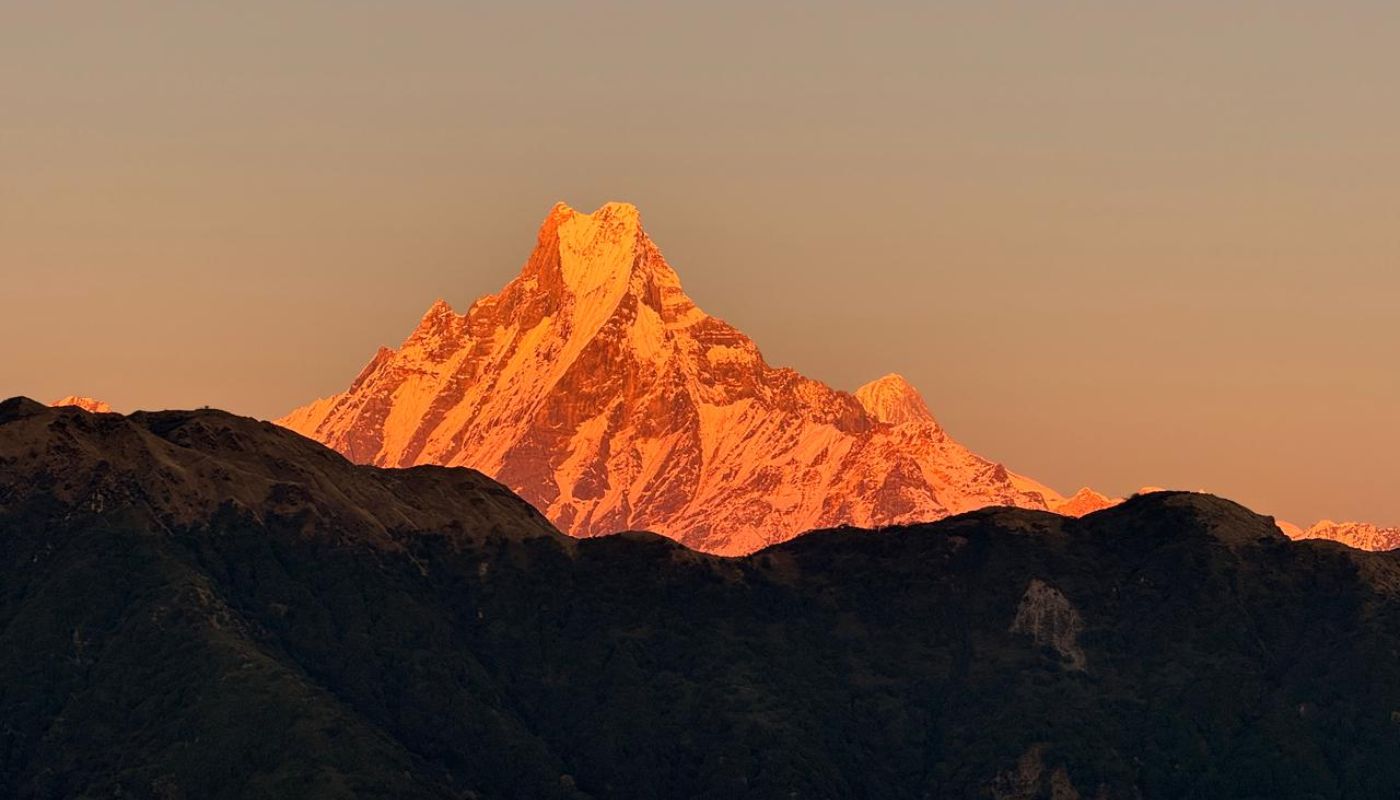
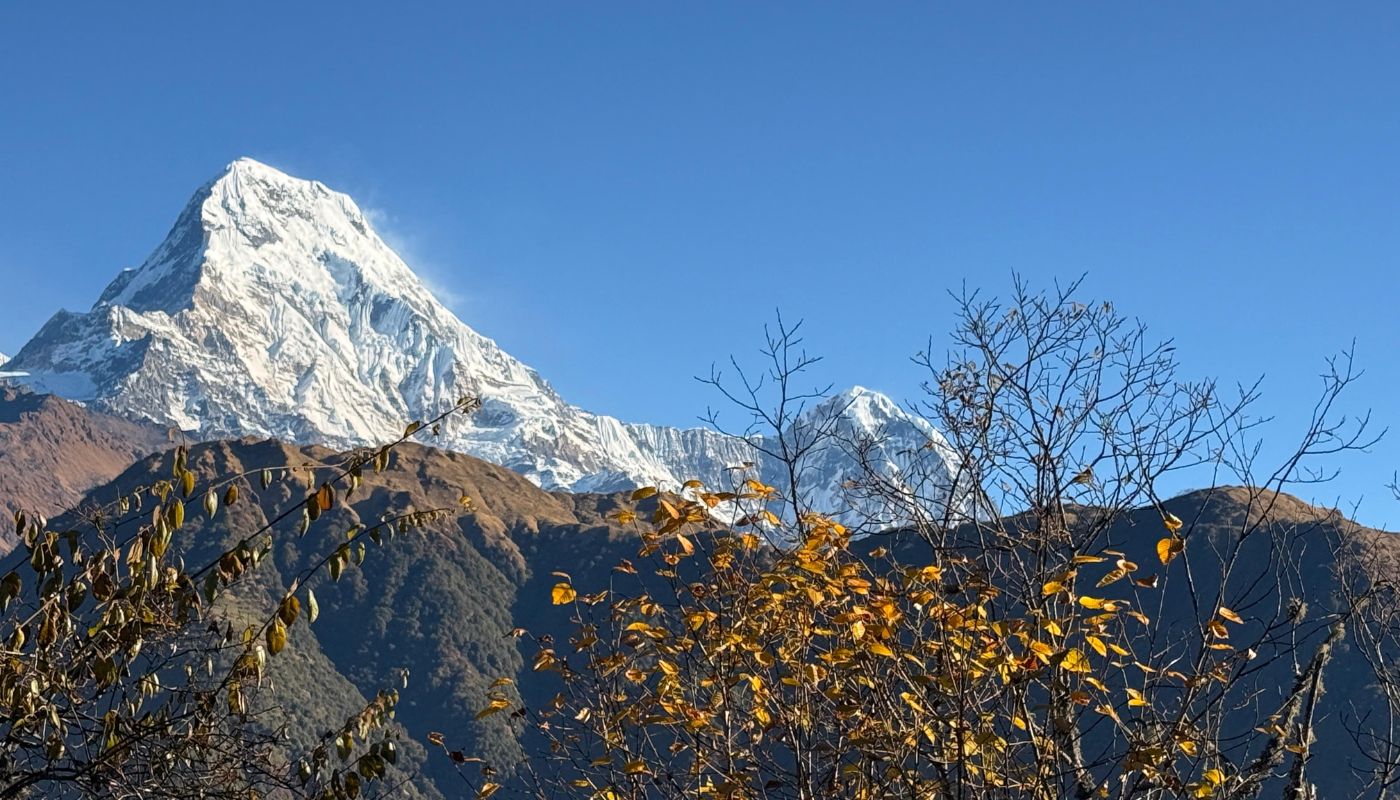
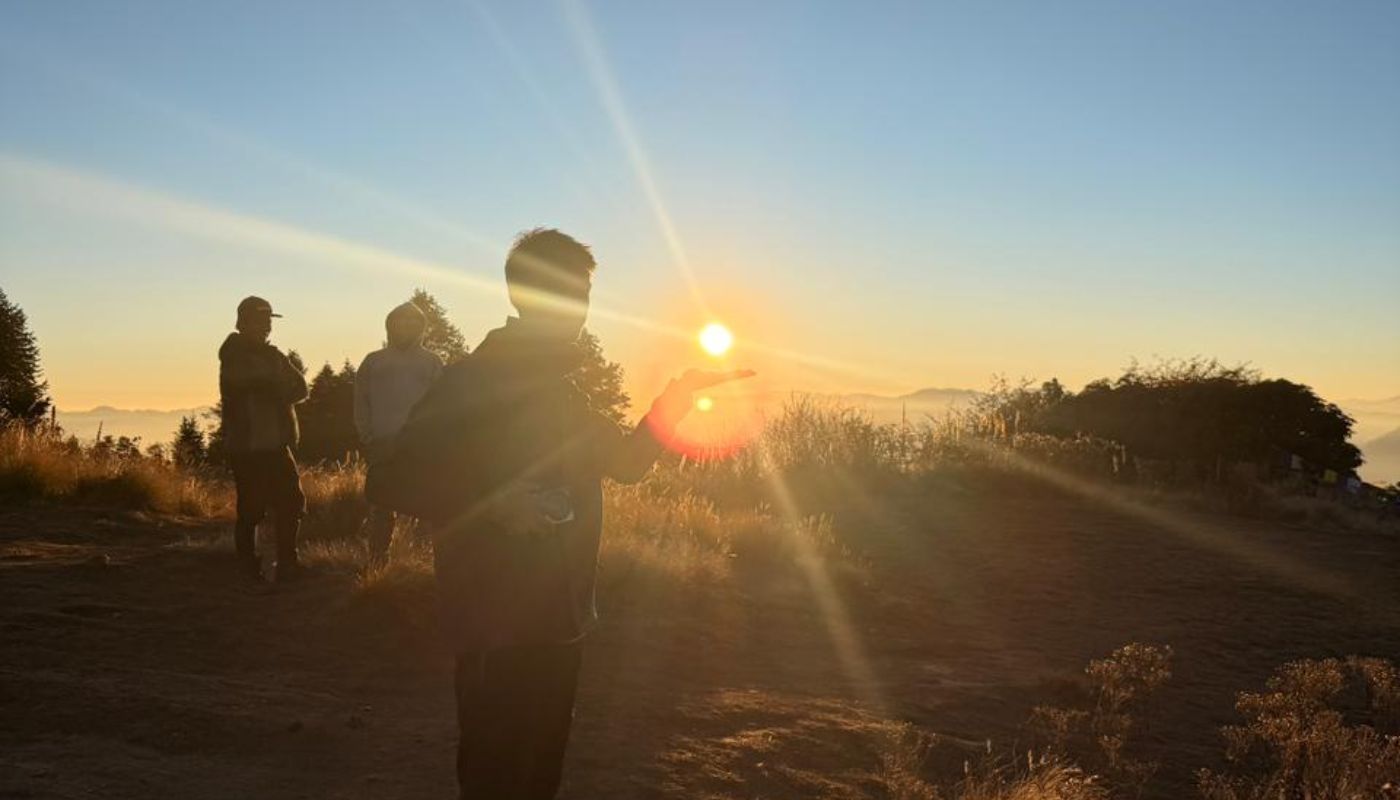
The sunrise at Poon Hill is a once-in-a-lifetime experience. You can witness a spectacular view of mountains including Annapurna, Dhaulagiri, Nilgiri, Machhapuchhre from the top of Poon Hill (3,210 m).
You can trek to other villages and areas like Tadapani and Ghandruk. Tadapani and Ghandruk are two other equally picturesque villages during Poon Hill Trek.
Ghorepani Poon Hill Trek is easy and moderate. All groups of people regardless of their age can enjoy the hike. The trek starts from Nayapul and ends at Nayapul. Nayapul is one and a half hours drive from Pokhara.
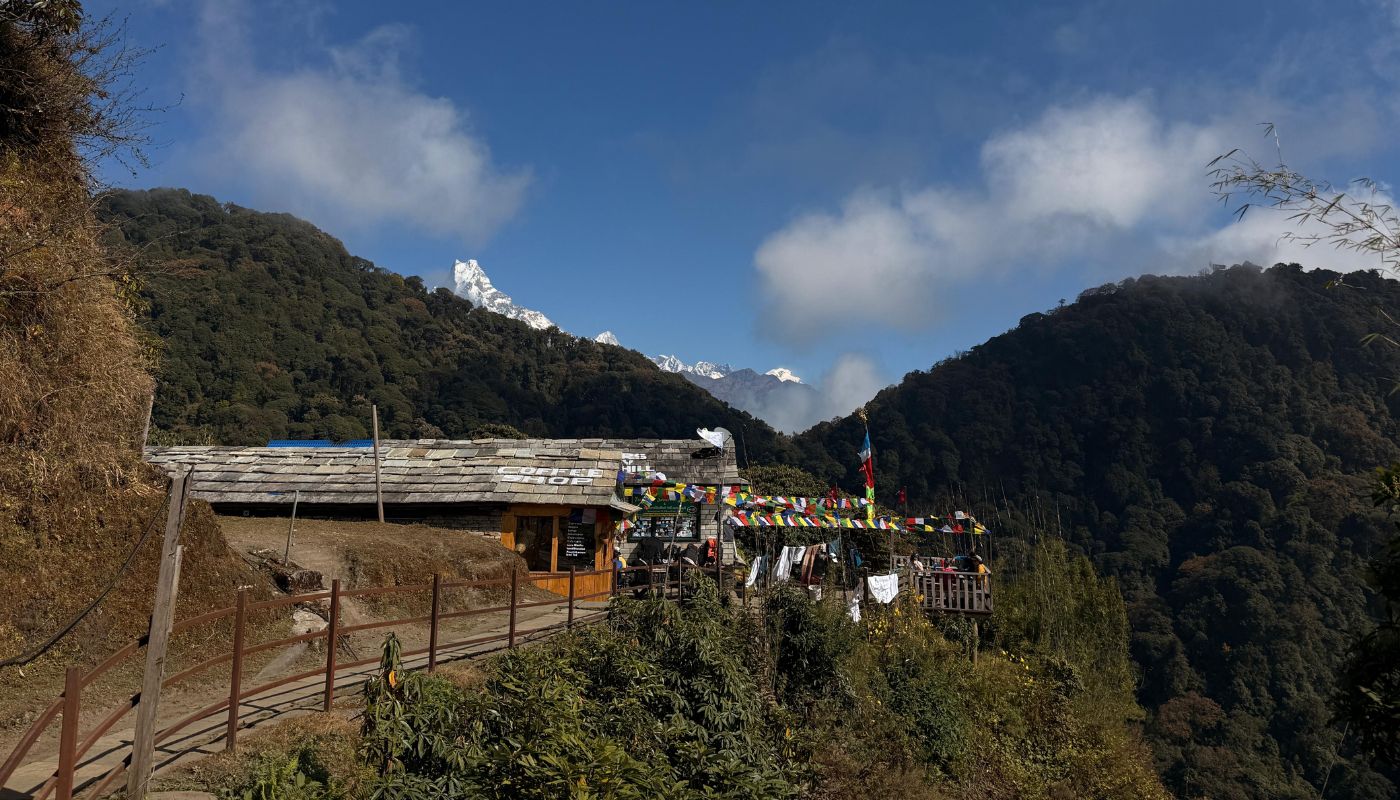
The lodge facilities arranged by Nepal Hiking Adventures to Ghorepani is delightful. The lodge room provides excellent mountain views. You can experience Magar and Gurung culture along the Poon Hill Trek.
As this trek lies in low altitude region; you can also go for the Ghorepani Poon Hill Trekking in the winter season. As there is less crowd on the trails in the winter making it quite peaceful and refreshing. Thus, enlisted as Top 5 treks in Nepal.
If you are looking for some solitude during your trek with great mountain views in a short period of time; then Ghorepani Poon Hill trek by Nepal Hiking Adventure is the perfect trek for you.
Highlights of Poon Hill Trek
- Beautiful trekking experience in the lap of the Annapurna Region.
- Heritage sightseeing in Kathmandu, including Pashupatinath, Swayambhunath, and Boudhanath.
- Splendid sunrise and sunset views from Poon Hill (3,210m / 10,529 ft).
- Peaceful sightseeing experience in Pokhara.
- Scenic mountain flight from Kathmandu to Pokhara.
- Ghorepani to Poon Hill early morning hike for the best panoramic Himalayan view.
Arrive at Kathmandu (1,400 m) and Transfer to Hotel
Nepal Hiking Adventure will welcome you to Nepal. Our representatives will be waiting for you outside the terminal of Tribhuvan International, Kathmandu. After you meet them, they will help you transfer to your hotel. You can enjoy a hot shower in your hotel and enjoy the ambience of your room.

Accomodation: Hotel
Duration: 30 min Drive to hotel from airport
Distance: Around 6 km
Drive from Kathmandu (1,400 m) to Pokhara (820 m)
Today marks the beginning of your 8 days Ghorepani Poon Hill Trek journey as you head to Pokhara on a 6-7 hour tourist bus ride. You will take a tourist bus in the morning. The bus ride is quite comfortable. Besides, the beautiful landscape that will be visible during the bus ride will be something to cherish.
There will be plenty of things to do in Pokhara after you arrive there. You can take a stroll around the lakeside or go for boating in Phewa lake. You can also enjoy the tourist ambience of this place. There are many restaurants where you can try some lovely cuisine. Pokhara is the gateway to the Ghorepani Poon Hill Trek, and your adventure starts here.
Accomodation: Hotel
Duration: 6-7 hours drive
Distance: Around 200 km
Drive from Pokhara to Nayapul (1,070 m) by Car & Trek to Ulleri (2,070 m)
You will head out to Nayapul (1,070 meters) after you have had breakfast. The ride to Nayapul is approximately 1 hour 30 minutes long. Nayapul is also the starting point of the Annapurna Base Camp Trek as well as other beautiful treks in the Annapurna range. So, you are bound to encounter a lot of trekkers in Nayapul.
The trek from Nayapul to Ulleri (2,070 meters) is 4-5 hours long. As you walk from Nayapul, you will get to some villages like Birethanti. You will also cross some streams along the way.
Accomodation: Lodge
Duration: 1 hour 30 minutes drive & 4-5 hours trek
Meal: Breakfast, Lunch, Dinner
Ascent: +1,000 m
Distance: Around 42 km drive & 8 km trek
Trek from Tikhedhunga (1,570 m) to Ghorepani (2,860 m)
Today, you will head out on the trek to the place with the biggest rhododendron forest, which is Ghorepani. The duration of today’s trek is 6-7 hours long. You will first get to Ulleri first. However, the trek to Ulleri is quite strenuous as you will have to climb over 3000 stairs. In spite of the difficulty, you will get the first glimpses of the up-close views of the mountains of this region.
From Ulleri, the trek becomes easier. There will be some small uphills and downhills along the way. Eventually, you will reach your overnight stay at Ghorepani (2,874 meters).
Accomodation: Lodge
Duration: 4-5 hour trek
Meal: Breakfast, Lunch, Dinner
Ascent: +1,290 m
Distance: Around 11 km
Early Morning Walk to Poon Hill (3,210 m) for Sunrise Views & Trek to Ghandruk (1,940 m) via Tadapani (2,630 m)
On the day 5, you will go to see the mesmerizing sunrise from Poon Hill. Poon Hill is a beautiful hill station. You can catch great sunrise views as the sun rises gloriously over mountains like Annapurna, Dhaulagiri, Machhapuchhre amongst others. The trek to Poon Hill from Ghorepani is 1 hour long.
After the sunrise views, you will descend to Ghorepani for breakfast. The breakfast will be great as you will be hungry after the trek. You will also trek through rhododendron forests on your way to Tadapani. You will trek past temperate forests that you will encounter in a few downhills as well as uphills. After trekking for a while, you will reach Banthanti. This will also be a place where you will have lunch. As you walk further, you will get to another wonderful village called Tadapani (2,630 meters).
You will trek past Tadapani as you head out for Ghandruk. After trekking for 7-8 hours, you will reach Tadapani. It is the largest Gurung village in this region that also has a wonderful Gurung museum.
Accomodation: Lodge
Duration: 7-8 hours trek
Meal: Breakfast, Lunch, Dinner
Ascent: +700 m
Descent: -1,000 m
Distance: Around 13 km
Trek from Ghandruk (1,940 m) to Nayapul (1,070 m) and Drive to Pokhara (820 m)
Day 6 of Poon Hill Trek takes you to Ghandruk, which is a picturesque village that in the deep forests of Annapurna Conservation Area Project (ACAP). You can spend some time in the morning exploring this village. Towering mountains like Gangapurna, Machhapuchhre (Fishtail), Mount Annapurna, etc are visible from Ghandruk. Ghandruk is also home to Annapurna Mountain Conservation Area Project (ACAP) headquarters as well as the Gurung museum.
From Ghandruk, you will trek downhill to Syauli Bazar. From here, you will walk alongside Modi Khola before you reach Nayapul. Nayapul is also the place from where your trek began. Then, you will take private transport to get to Pokhara. The ride to Pokhara from Nayapul is 1 hour long.
Accomodation: Hotel
Duration: 3-4 hours trek & 1 hour 30 minutes drive
Meal: Breakfast & Lunch
Descent: -870 m (from Ghandruk 1,940 m down to Pokhara 820 m via Nayapul)
Distance: Around 10 km trek & 41 km drive
Drive from Pokhara (820 m) to Kathmandu (1,400 m) by Luxury Tourist Bus
Today, your Ghorepani Poon Hill Trek concludes as you drive from Pokhara to Kathmandu on a 6-7 hour bus ride. The bus ride is quite comfortable as you will get to relax in a beautiful tourist bus. As you make way to Kathmandu, you might encounter a lot of winding path along the way. This is because you have to circle the hills that surround the valley.
You will also be able to see some mountains along the way. The waters of Marsyangdi and Trishuli will also delight you during the ride.
Accomodation: Hotel
Duration: 6-7 hours drive
Meal: Breakfast
Ascent: +580 m
Distance: Around 200 km
Final Departure from Kathmandu
This day marks the end of your trip to Nepal. You will head back to your country after a great time here on the trek. Our representatives from Nepal Hiking Adventure will drop you at the airport. You will reach there around 2-3 hours before your flight will take off. Remember to secure your air tickets as well as necessary travel documents. Upon completion of the trek, a certificate of accomplishment will be provided to commemorate your journey.
Duration: 30 minutes drive to Tribhuvan International Airport (TIA)
Meal: Breakfast
Distance: Around 6 km
Fixed Departure
Cost Includes
- Private transport to trekking starting point (Birethanti) and back (Nayapool)
- All teahouse (Lodge) accommodation during the trek
- Three meals a days (Breakfast, Lunch and Dinner) during the trek.
- An experienced English-speaking trekking guide.
- Trekking crew’s salary, insurance, equipment, transport, food, and lodging.
- Annapurna Conservation Area permit & TIMS
- Free Trekking Maps and NHA T-Shirt (You must visit our head office to collect your T-shirts and trekking map before or after your trip. )
- Company service charges
- VAT and local Tax
Cost Excludes
- Travel and rescue insurance
- Personal expenses (phone calls, laundry, bar bills, battery recharge, extra porters, bottle or boiled water, shower, etc)
- Tips for guides and porters.
- Potter during the trek. (if you need)
- Any extra activities after the trek.
Temperature Chart
Altitude Chart
Useful Info
Best Time for the Ghorepani Poon Hill Trek
The Ghorepani Poon Hill Trek can be done throughout the year, but the best time to visit is from September to December and from January to May.
- September to December: This is the post-monsoon season. Skies are usually clear, providing stunning panoramic views of Annapurna, Dhaulagiri, Machhapuchhre, and Nilgiri. Temperatures are moderate, and the rhododendron forests along the trail are vibrant. This period is perfect for photography and watching the sunrise at Poon Hill.
- January to May: This period includes winter and spring. While nights can be cold in January and February, the trails are less crowded, offering a peaceful trekking experience. From March to May, the rhododendron forests bloom with colorful flowers, making the trek even more scenic. The weather is generally pleasant, ideal for trekking, enjoying mountain views, and exploring the local villages.
- Monsoon Season (June to August): Trekking is not recommended due to heavy rainfall, slippery trails, and potential landslides. Mountain views are often obscured by clouds during this season.
Ghorepani Poon Hill Trek Difficulty
The Ghorepani Poon Hill Trek is a low to moderate difficulty trek, ideal for first-time trekkers, families, and anyone with a reasonable level of fitness. The trails are manageable, daily walking hours are moderate, is relatively short, usually completed in 4-6 days, and the highest point at Poon Hill (3,210 m / 10,531 ft) keeps the risk of altitude sickness low, making it accessible to most travelers.
Because the trek stays in the lower altitudes of the Annapurna region, the risk of altitude sickness is minimal, though trekkers should still take it easy, stay hydrated, and listen to their bodies. The trails mostly consist of well-marked paths and stone steps, with gradual ascents and some steeper sections, especially the Ulleri staircase climb, which has over 3,000 steps.
Daily trekking durations are moderate, ranging from 4 to 6 hours per day, allowing time for sightseeing, photography, and enjoying the rhododendron forests, Gurung and Magar villages, and panoramic Himalayan views.
Because the Ghorepani Poon Hill Trek stays at relatively low altitudes, it can be done even during the winter months. During this time, the trails are quieter, offering a calm and serene trekking experience.
This trek is perfect for first-time trekkers or those with limited time, as it provides a chance to enjoy the stunning Annapurna mountain views, the famous sunrise at Poon Hill, and the local Gurung and Magar village culture, all without requiring intense physical effort.
What to Expect on the Poon Hill Sunrise Hike
The Poon Hill sunrise hike is the highlight of the Ghorepani Poon Hill Trek and one of the most rewarding short hikes in Nepal. The hike usually starts early in the morning, around 4:30 to 5:00 AM, depending on the season and sunrise time. Trekkers leave their lodge in Ghorepani with a headlamp or torch and walk uphill in the quiet darkness, surrounded by cool mountain air and peaceful forest trails.
The trail from Ghorepani to Poon Hill is well-marked and safe, consisting mainly of stone steps with a steady uphill climb. The hike takes about 45 minutes to 1 hour, making it manageable even for beginners. Although the climb can feel slightly tiring due to the early hour and elevation, the pace is slow and comfortable, with short breaks along the way. The path is wide and regularly used, especially during peak seasons, creating a sense of safety and shared excitement among trekkers.
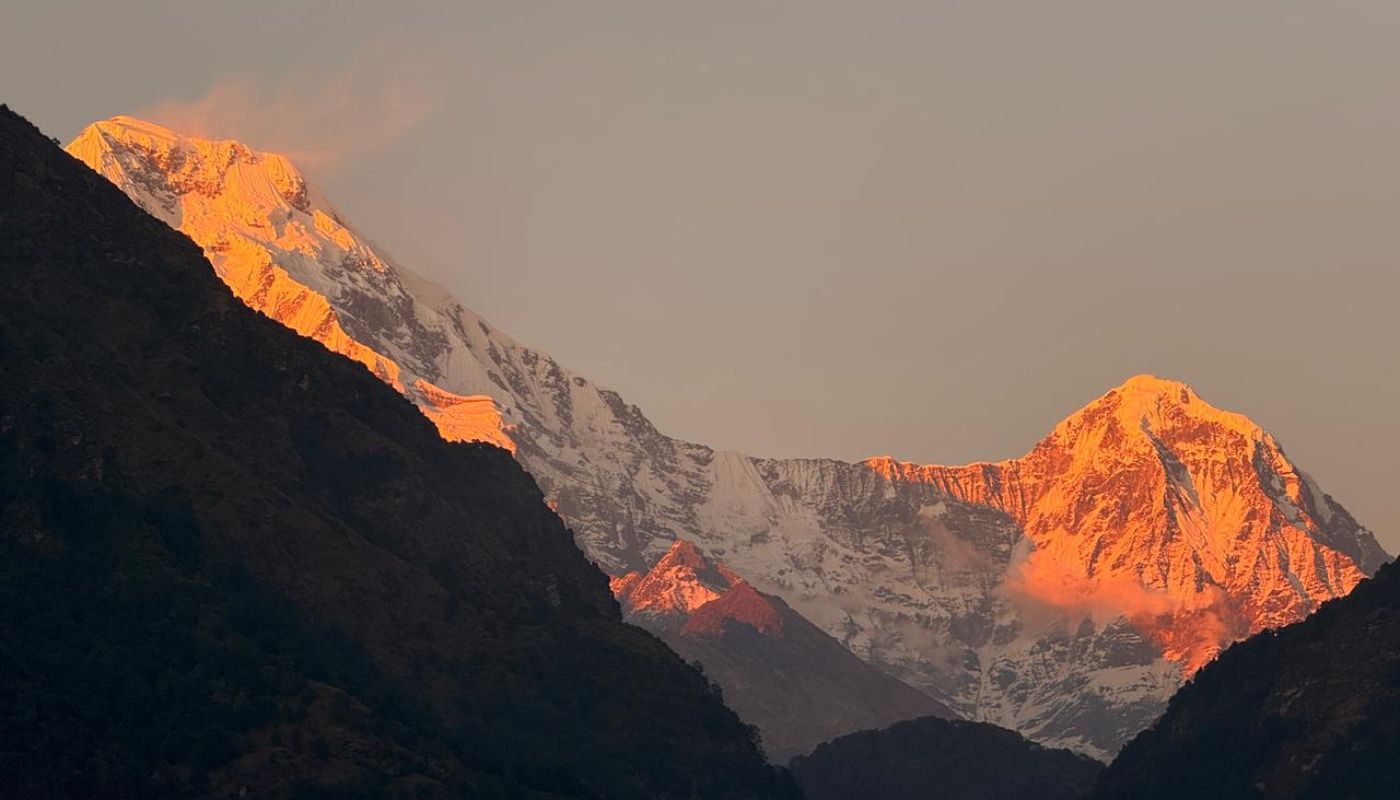
As you reach the Poon Hill viewpoint at 3,210 meters, the effort feels instantly worthwhile. The sunrise gradually lights up the Himalayan skyline, offering a breathtaking panoramic view of some of Nepal’s most iconic mountains. Peaks like Annapurna I, Annapurna South, Dhaulagiri, Nilgiri, Hiunchuli, and Machhapuchhre (Fishtail) glow in shades of gold, pink, and orange as the sun rises. On clear days, the visibility is exceptional, making it a dream moment for photographers and nature lovers.
What makes the sunrise at Poon Hill truly special is the wide 180-degree mountain panorama, which allows you to see multiple Himalayan ranges at once. The combination of snow-capped peaks, deep valleys, changing light, and peaceful atmosphere creates a magical experience that many trekkers describe as a once-in-a-lifetime moment. After spending time enjoying the views, taking photos, and warming up with tea from the small stalls at the viewpoint, trekkers slowly descend back to Ghorepani for breakfast.
Winter Trekking on Ghorepani Poon Hill
Winter trekking on the Ghorepani Poon Hill route is a wonderful option for travelers who prefer peaceful trails, clear mountain views, and a calm trekking experience. Winter in the Annapurna region generally runs from December to February, and because this trek stays at relatively low altitude, it remains safe and enjoyable even during the colder months.
During winter, snowfall is occasional and usually light, especially around Ghorepani and Poon Hill. When it does snow, the landscape becomes incredibly beautiful, with snow-dusted forests, white trails, and crystal-clear mountain scenery. The stone steps and main trekking paths are well used and normally remain accessible. However, trekkers should walk carefully in the early morning when trails can be icy and wear proper trekking shoes with good grip.
Cold nights are common in winter, particularly in Ghorepani and higher villages. Night temperatures can drop below freezing, but tea houses provide warm blankets, heated dining rooms, and hot meals, making evenings comfortable. Carrying a warm jacket, thermal layers, gloves, and a hat is essential for staying warm, especially during the early-morning hike to Poon Hill for sunrise.
One of the biggest advantages of winter trekking is the lack of crowds. Trails, lodges, and viewpoints are much quieter compared to spring and autumn. This allows trekkers to enjoy the natural silence of the forests, relaxed lodge stays, and unhurried photography. The winter air is also very clear, offering excellent visibility of Annapurna, Dhaulagiri, Machhapuchhre, and Nilgiri, often better than in other seasons.
Another benefit of winter trekking is the peaceful village atmosphere. With fewer trekkers around, locals have more time to interact, giving travelers a more authentic cultural experience.
Packing List for Ghorepani Poon Hill Trek
Below is a packing list for the Ghorepani Poon Hill Trek. This list is suitable for beginners, families, and short trekkers and works well for spring, autumn, and winter with minor adjustments.
Clothing (Layered System)
- Lightweight trekking shirts (quick-dry)
- Thermal base layers (top and bottom)
- Fleece or warm mid-layer jacket
- Insulated down or padded jacket (essential for mornings and evenings)
- Trekking pants (comfortable and breathable)
- Warm trekking socks (2 to 3 pairs)
- Innerwear and sleepwear
- Warm hat or beanie
- Lightweight gloves (thermal gloves in winter)
- Buff or scarf for wind and dust
Footwear
- Comfortable trekking or hiking shoes with good grip
- Extra pair of casual shoes or sandals (for lodge use)
- Gaiters (optional, useful in winter or muddy trails)
Rain and Winter Protection
- Waterproof rain jacket or poncho
- Rain-proof trekking pants
- Windproof outer layer
- Thermal gloves (for winter months)
- Extra warm socks (for cold nights)
Trekking Gear & Accessories
- Daypack
- Trekking poles (highly recommended for stone steps)
- Headlamp or flashlight (important for Poon Hill sunrise hike)
- Sunglasses with UV protection
- Water bottles or hydration bladder
- Reusable water purification tablets or filter
- Camera or smartphone for photography
Personal Care & Toiletries
- Sunscreen (SPF 30+)
- Lip balm with sun protection
- Hand sanitizer
- Wet wipes or tissues
- Toothbrush and toothpaste
- Quick-dry towel
- Basic skincare products
Health & Safety Items
- Personal medications
- Basic first-aid kit
- Pain relief tablets
- Blister care (band-aids or blister pads)
- Rehydration salts
- Altitude sickness medicine (optional, consult a doctor)
Documents & Money
- Passport copy
- Trekking permits (ACAP, TIMS)
- Travel insurance details
- Cash in Nepali rupees (ATMs not available on the trail)
Optional but Useful Items
- Power bank or spare batteries
- Notebook and pen
- Earplugs (for light sleepers)
- Lightweight book or journal
- Snacks like energy bars or nuts
FAQ
When is the ideal season to trek Ghorepani Poon Hill?
The Ghorepani Poon Hill Trek can be enjoyed year-round, but the best time to visit is from September to December and from January to May. During these months, the skies are clear, offering breathtaking views of the Annapurna, Dhaulagiri, and Machhapuchhre ranges, while the rhododendron forests are lush and colorful. Winter (January-February) offers solitude, and spring (March-May) brings vibrant blooms. Monsoon (June-August) is not recommended due to heavy rain and slippery trails.
Who can attempt the Ghorepani Poon Hill Trek and how challenging is it?
The Ghorepani Poon Hill Trek is classified as easy to moderate, making it suitable for beginners and families with basic fitness. The highest altitude is Poon Hill at 3,210 m, which minimizes the risk of altitude sickness. Daily trekking takes 4-6 hours, with gradual ascents and well-marked trails, although the Ulleri staircase climb of 3,000 steps is a more challenging section.
How many days does the Ghorepani Poon Hill Trek?
The trek can be completed in 4-6 days, depending on the itinerary. A typical plan starts from Nayapul, passes through villages like Tikhedhunga, Ulleri, Ghorepani, Tadapani, and Ghandruk, and ends in Pokhara. The short duration and moderate difficulty make it ideal for those with limited time but who want a scenic Himalayan experience.
Which permits do I need to trek Ghorepani Poon Hill?
To trek in the Annapurna region, including Ghorepani, you need:
- ACAP (Annapurna Conservation Area Permit)
- TIMS (Trekkers’ Information Management System)
These permits are usually arranged by trekking agencies like Nepal Hiking Adventure. Carrying your passport and copies is necessary for verification at checkpoints.
Can beginners or children do the Ghorepani Poon Hill Trek?
Yes, the Ghorepani Poon Hill Trek is suitable for beginners, families, and children. The trek is low-altitude, short in duration, and has moderate daily walking hours. Proper preparation, good footwear, and basic fitness are sufficient to enjoy this trek safely. Lodges along the trail provide comfortable accommodation and meals, making it family-friendly.
What are the highlights of the Ghorepani Poon Hill Trek?
The trek offers spectacular mountain panoramas, including Annapurna, Dhaulagiri, Machhapuchhre, and Nilgiri. Sunrise at Poon Hill (3,210 m) is a once-in-a-lifetime experience. You will also explore picturesque villages like Ghorepani, Tadapani, and Ghandruk, walk through rhododendron forests, and experience the Gurung and Magar culture. This trek is short, scenic, and ideal for photography and nature lovers.
Why is Poon Hill considered one of Nepal’s best short treks?
Poon Hill is special because it delivers big Himalayan views in a very short time. In just a few days, trekkers can enjoy sunrise views of Annapurna and Dhaulagiri without long walking days or extreme altitude. This makes it ideal for travelers with limited time.
What makes the sunrise at Poon Hill different from other viewpoints?
The sunrise at Poon Hill is unique because you see multiple mountain ranges glowing at once, including Annapurna, Dhaulagiri, Nilgiri, and Machhapuchhre. The wide-open viewpoint allows a 180-degree Himalayan panorama, not just one peak.
How crowded does the Poon Hill trail get during peak season?
During spring and autumn, the trail is lively but not overwhelming. Unlike Everest routes, the Poon Hill Trek still offers quiet forest walks and peaceful villages, especially early mornings and evenings.
Is winter trekking safe on the Ghorepani Poon Hill route?
Yes, winter trekking is safe because the trek stays at lower altitudes. Snowfall is occasional and usually light. Winter also offers clear skies, fewer trekkers, and a more peaceful trekking experience.
What kind of accommodation can trekkers expect?
Accommodation is mainly in comfortable tea houses and lodges. Rooms are simple but clean, often with mountain views. Dining halls are warm and welcoming, especially during cold evenings.
Why is Poon Hill listed among the Top 5 treks in Nepal?
It is ranked among the top treks because it combines easy access, rich culture, forest beauty, comfortable lodging, and world-class mountain views in a short and affordable itinerary.

Our History in Service Excellence